Check the Yaris’s service history, engine, body condition, tires, brakes, and electronics.
I have bought and inspected dozens of used cars, including several Toyota Yaris models. In this guide I explain exactly what to check before buying a used Toyota Yaris? I cover body, engine, service records, test drive tips, common model-year quirks, negotiation points, and inspection steps you can do yourself or give to a mechanic. Read on to make a confident, smart purchase and avoid common traps.

49% off Today's Exclusive Deals
Limited-time Exclusive Deals. Check current discount on Amazon.
Check Price on Amazon As an Amazon Associate I earn from qualifying purchases.
Why the Toyota Yaris is a smart used buy
The Toyota Yaris is known for fuel economy, low running cost, and strong reliability. Many owners report long life with basic care. Values hold up well, making it a good buy if you pick the right car.

49% off Today's Exclusive Deals
Limited-time Exclusive Deals. Check current discount on Amazon.
Check Price on Amazon As an Amazon Associate I earn from qualifying purchases.Exterior and body: what to check before buying a used Toyota Yaris?
Look for signs of past damage and poor repair. Inspect panel gaps, paint color match, and rust spots around wheel arches and under the doors. Check the windshield and lights for chips or condensation. Small dents are cosmetic but big mismatches often point to an accident.
- Check for uneven panel gaps by eye along doors and the hood.
- Look for overspray or sanding marks near seams.
- Push on wheel wells and undercarriage for soft rust spots.
- Inspect tire wear side-to-side; uneven wear can mean alignment or suspension issues.

Interior, comfort, and safety checks
Open every door and test locks, windows, and mirrors. Sit in the driver seat and check all switches and the HVAC system. Look for water stains, which can mean leaks or past flooding. Check seat belts for frays and confirm airbags show no warning lights.
- Test HVAC in both heat and AC modes for odd smells or weak airflow.
- Scan the dash for persistent warning lights after starting the engine.
- Smell for mildew or diesel odors. These hint at past flooding or poor maintenance.

49% off Today's Exclusive Deals
Limited-time Exclusive Deals. Check current discount on Amazon.
Check Price on Amazon As an Amazon Associate I earn from qualifying purchases.Mechanical and engine checks: the heart of the inspection
Pop the hood and inspect fluid levels and condition. Check oil level and look at color. Milky oil suggests coolant leaks. Confirm the coolant is in the proper reservoir and that belts show no deep cracks.
- Observe for oil leaks under the car after it sits.
- Check for coolant stains around the radiator and hoses.
- Listen for knocking, tapping, or loud ticks during idle and revs.
A common short question buyers ask is "Does the Yaris need timing chain or timing belt service?" On many Yaris engines timing chains are used and last longer, but confirm the specific engine type and service history for your car.

Electrical, electronics, and infotainment checks
Test the stereo, USB ports, and charging sockets. Cycle headlights, high beams, fog lights, and brake lights. Confirm power windows work smoothly and that the key fob responds at range.
- Plug in a phone and test Bluetooth pairing and audio calls.
- Check the instrument cluster for flicker or dead pixels.
- Turn on seat heaters if present and test function.

Ownership history, paperwork, and checks
Always verify the car’s service history and title status. Ask for maintenance records and receipts. A full service log raises confidence. Check for a clean title and no salvage branding.
- Confirm the VIN on paperwork matches the VIN on the car.
- Look up recall status using the VIN or ask the seller for service recall receipts.
- Ask how many past owners and the reason for sale.
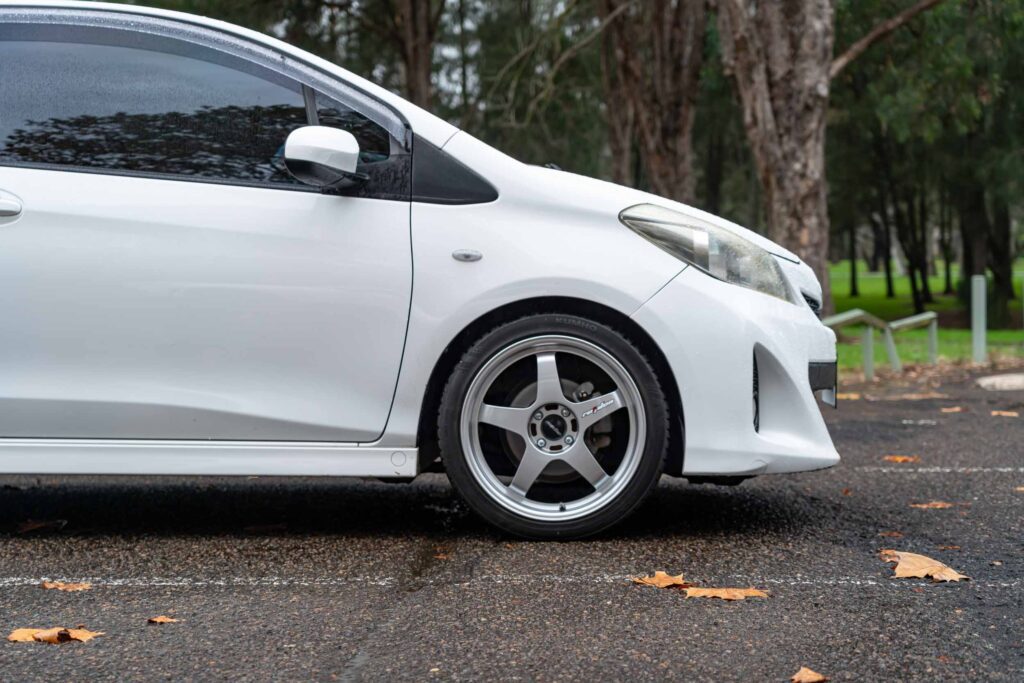
Test drive checklist and what to feel
A test drive reveals many hidden issues. Drive on city streets, highways, and uneven surfaces. Test acceleration, braking, steering, and how the car returns to center.
- Note while driving if the steering pulls left or right.
- Brake firmly to test for vibration or noise.
- Pay attention to transmission shifts for hesitation or roughness.
Common quick question: "How long should a test drive be?" Aim for at least 15–20 minutes and include highway time. Short drives often miss issues that show up with steady speed.

Price, value, and negotiation tips
Compare local listings for the same trim, year, and miles. Factor in needed repairs, new tires, or upcoming maintenance. Use repair estimates as leverage when negotiating.
- Ask for receipts to confirm recent major work like brakes or clutch.
- Account for upcoming scheduled services such as timing service or spark plug replacement.
- Be ready to walk away if the seller will not allow an independent inspection.

Common model years, trims, and known issues
Different Yaris model years and engines have different reputations. Some older models can show wear in suspension bushings and shocks. Hybrid Yaris models need extra check for battery health and high-voltage components.
- Look up known recalls and typical failure points for the specific year.
- Remember hybrids may cost more to repair but can have excellent fuel economy.
- Check forums and owner groups for model-specific tips and quirks I’ve seen firsthand.
Practical tips from my experience
When I inspected used Yaris cars, a quick scan and a 20-minute drive caught most issues. I always brought a flashlight, a magnet for paint checks, and a checklist. When in doubt, get a pre-purchase inspection from a trusted mechanic. It cost me about one hour and saved me from buying a car with a bad head gasket once.
Frequently Asked Questions of What should you check before buying a used Toyota Yaris?
What paperwork should I ask for when buying a used Yaris?
Ask for the title, service records, and any receipts for recent repairs. Check the VIN on all documents and confirm the car has no salvage title.
How many miles is too many on a used Toyota Yaris?
Yaris models often run well past 150,000 miles with good care. Focus more on service history and condition than just the odometer number.
Should I get a mechanic to inspect the Yaris before buying?
Yes. A mechanic can find engine, transmission, and hidden body issues you may miss. A paid inspection often saves more than it costs.
What common mechanical problems occur on older Yaris models?
Older Yaris cars can have worn suspension parts, oil leaks, and occasional transmission issues. Check for these during your inspection and test drive.
How can I check if the Yaris was in a flood or major accident?
Look for water stains, mold odor, mismatched interior panels, and new carpeting. Verify the history report for flood or salvage records.
Conclusion
A smart used purchase starts with a clear checklist and good questions. Inspect the body, engine, electronics, and service history. Do a solid test drive, verify paperwork, and get a mechanic when unsure. Take action: use this guide during your next viewing, bring a checklist, and don’t rush—your careful steps will help you find a reliable Toyota Yaris that fits your needs. Leave a comment with your questions or share your Yaris-buying story.