Because it blends quality, practicality, and driving pleasure at a fair price.
I have driven and tested many compact cars over the years, and the Volkswagen Golf stands out for a clear set of strengths. This article explains why the Volkswagen Golf is one of the most popular hatchbacks in the world by breaking down design, engineering, practicality, value, and real-world appeal. I draw on hands-on experience, industry trends, and ownership facts to give you useful, honest insight you can trust.

49% off Today's Exclusive Deals
Limited-time Exclusive Deals. Check current discount on Amazon.
Check Price on Amazon As an Amazon Associate I earn from qualifying purchases.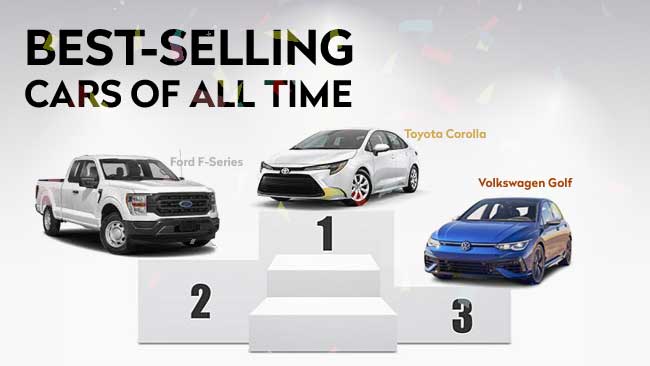
Design and build quality
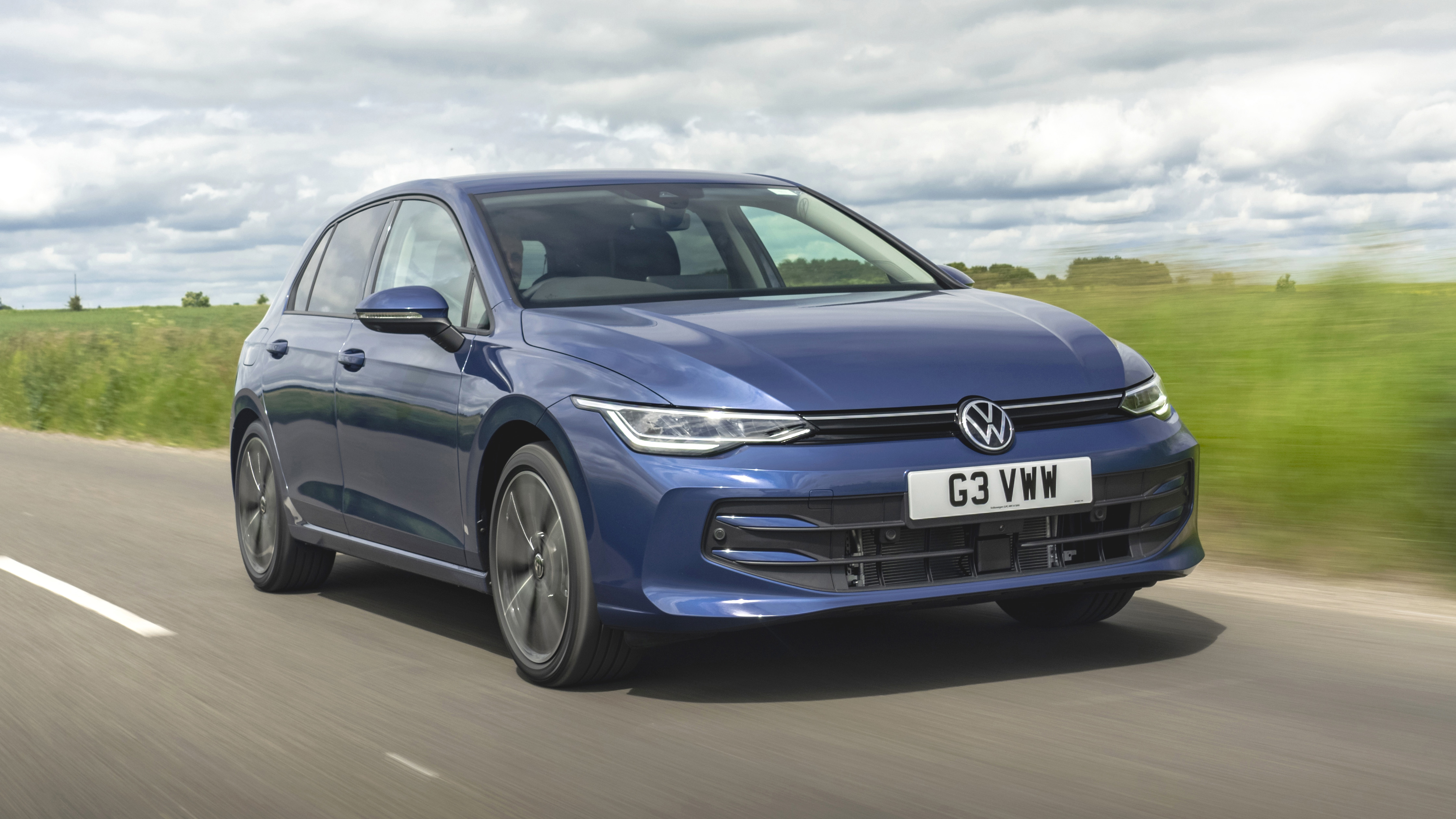
The Volkswagen Golf strikes a balance between timeless design and solid build. Every generation keeps a familiar silhouette. Soft curves and tight panel gaps make the Golf feel premium in a compact shell.
Key design points:
49% off Today's Exclusive Deals
Limited-time Exclusive Deals. Check current discount on Amazon.
Check Price on Amazon As an Amazon Associate I earn from qualifying purchases.- Simple, functional cabin layout that ages well.
- High-quality materials for the segment, such as soft-touch plastics and well-stitched upholstery.
- Compact dimensions that still feel roomy inside.
From my time test-driving multiple model years, the Golf’s interior feels refined compared with many rivals. It looks modern without being trendy. That helps resale value and long-term appeal.
Engineering: engines, handling, and safety
The Volkswagen Golf is engineered to be composed, efficient, and safe. It offers a wide range of engines from frugal small-displacement units to hot turbocharged variants. Each powertrain tends to be tuned for smoothness.
Why the engineering matters:
49% off Today's Exclusive Deals
Limited-time Exclusive Deals. Check current discount on Amazon.
Check Price on Amazon As an Amazon Associate I earn from qualifying purchases.- Balanced chassis gives confident handling in daily driving and spirited runs.
- Precise steering and well-calibrated suspension suit both comfort and control.
- Consistent safety ratings and modern driver assists keep buyers confident.
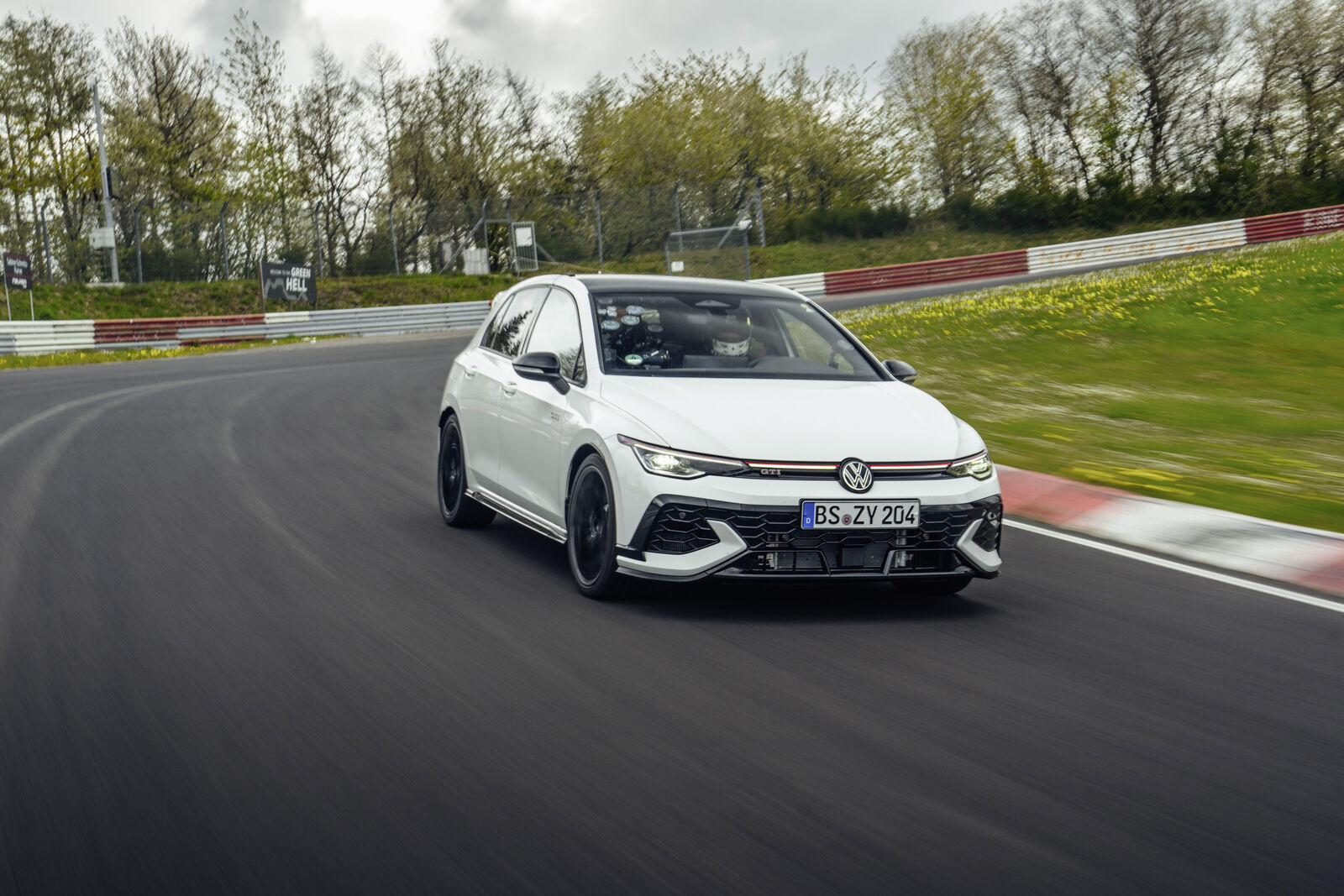
I have driven base models and sporty GTI versions. The shared engineering philosophy — stability and predictability — is consistent across trims. That reliability builds trust among drivers and reviewers.

Practicality and versatility
Practicality is core to the Golf’s appeal. It’s a hatchback that makes daily life easier without big trade-offs.
Practical advantages:
- Useful cargo area with flexible rear seats for bikes, bags, and boxes.
- Comfortable seating for four adults on short to medium trips.
- Good visibility and compact footprint for city parking.
Owners consistently tell me they value the Golf for errands, commutes, and weekend trips. The car fits varied needs without fuss, which is a major reason it sells so well worldwide.
Value, ownership costs, and longevity
Buyers who want a long-lived car often choose the Volkswagen Golf. It blends relative affordability with low long-term cost when maintained properly.
Cost and value points:
- Strong resale values compared with many competitors.
- Broad dealer and repair network in many countries.
- Fuel-efficient engines and reasonable insurance rates in many markets.
From my maintenance experience, routine care keeps the Golf reliable. Parts and service are widely available. That makes ownership predictable and less stressful.
Model range and cultural impact
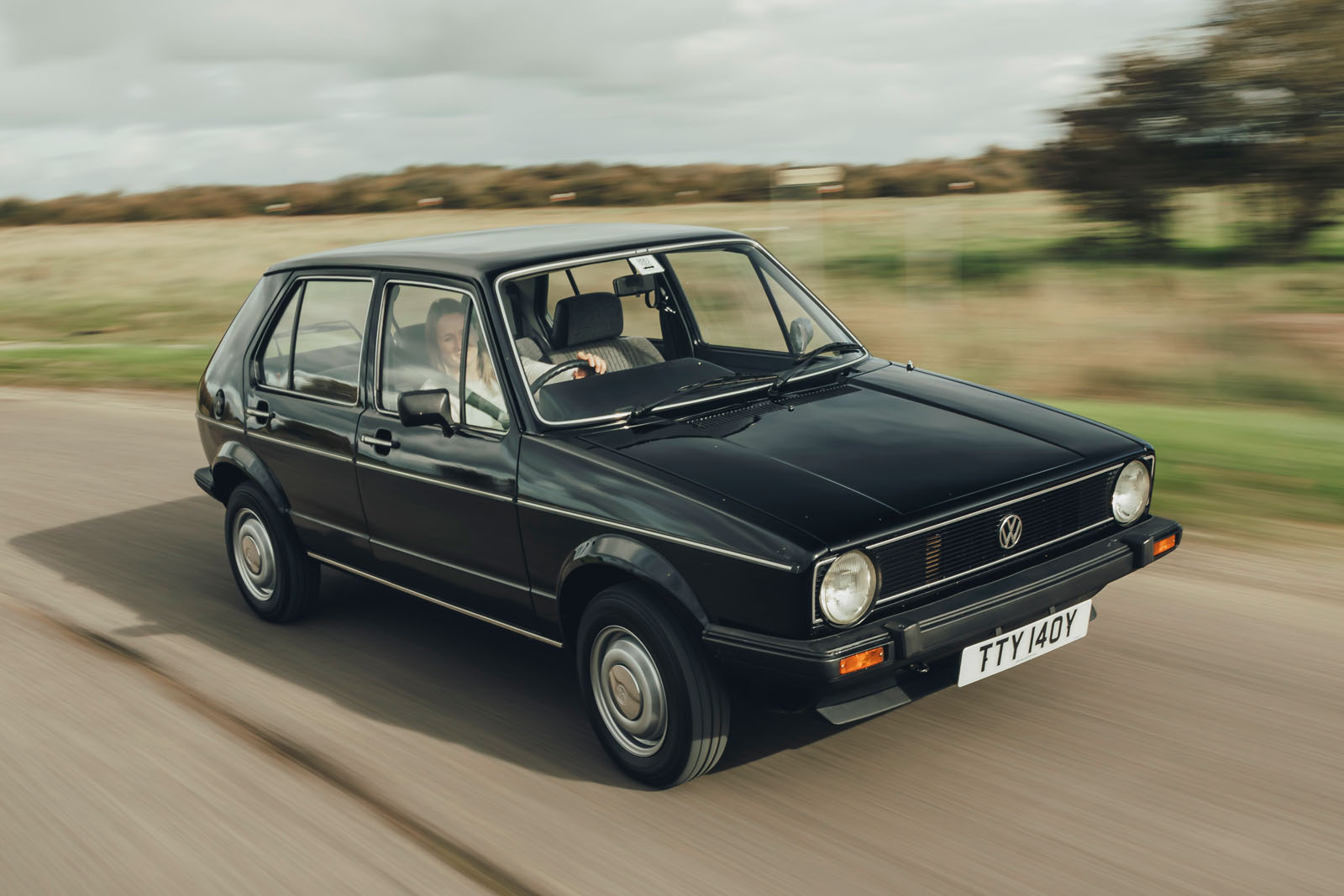
The Volkswagen Golf is not a single car; it is a family. That variety extends its reach and cultural status.
Notable variants:
- Base and comfort trims for everyday buyers.
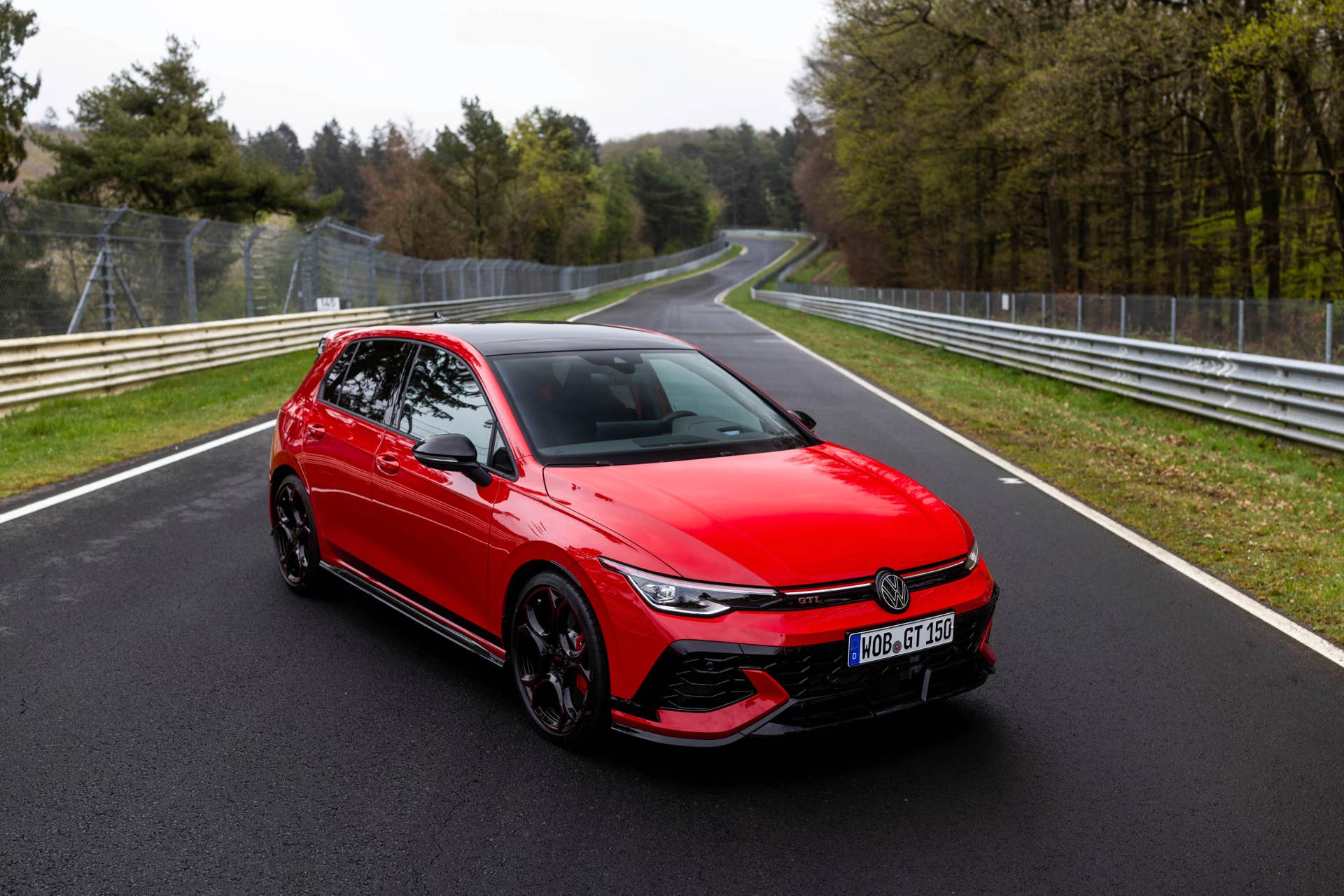
- GTI and R for enthusiasts who want performance.
- Electric versions for urban, low-emission driving.
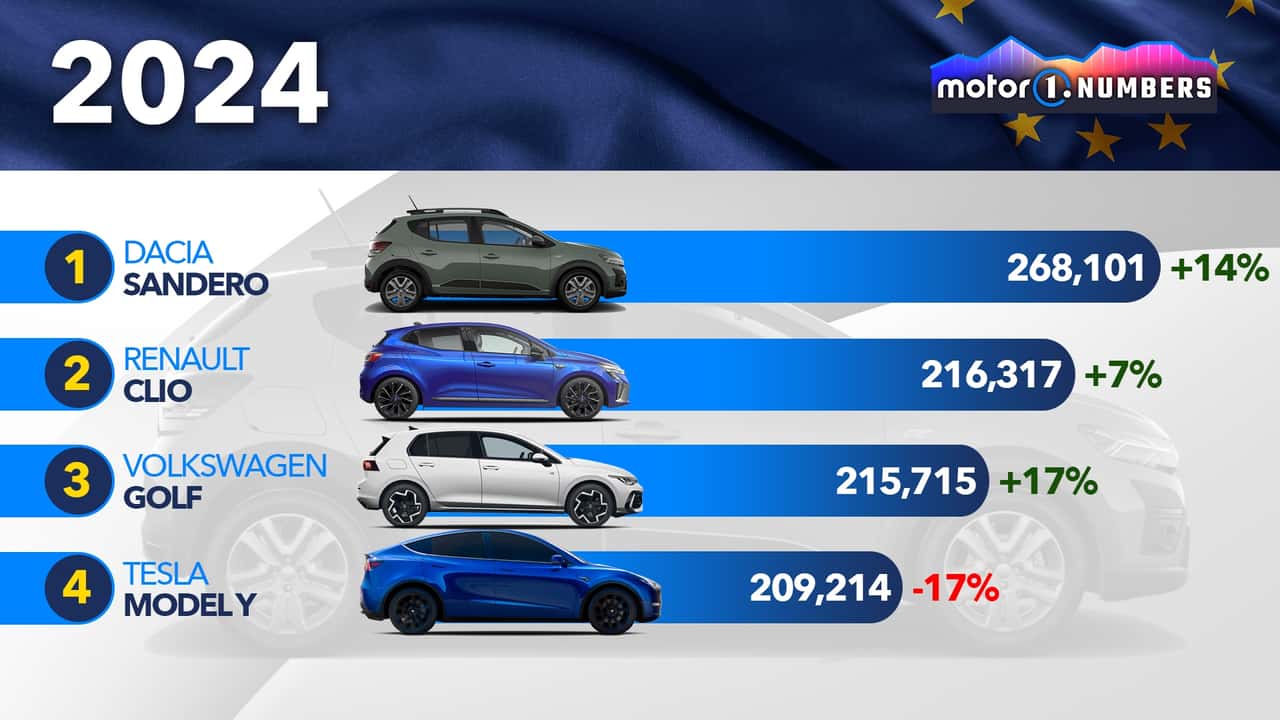
The Golf GTI helped define the hot-hatch idea for decades. The model’s consistent presence in pop culture and motorsport boosts recognition. This broad appeal helps the Volkswagen Golf remain a top choice across markets.
Real-world reasons buyers choose the Golf
Here are the everyday reasons people pick the Volkswagen Golf over rivals. These are based on owner feedback and my own testing.
Top buyer reasons:
- Reliability and predictable performance that reduce worry.
- Strong all-round package: style, comfort, and driving feel.
- Wide trim and engine choices to match budgets and tastes.
- Good resale values and a sense of long-term worth.
A few personal lessons learned:
- A well-optioned mid-trim Golf often gives better long-term value than a stripped base model.
- Regular service and genuine parts help avoid bigger repair bills.
- Try both base and sport trims; the character changes noticeably.
Common criticisms and limitations
No car is perfect. The Volkswagen Golf has clear trade-offs you should know.
Limitations to consider:
- Higher trims can be pricier than some rivals.
- Some rivals offer more cutting-edge infotainment or interior space.
- Older turbo engines may require attentive maintenance.
Being upfront about these limits helps set expectations. For many buyers, the pros still outweigh the cons.
Frequently Asked Questions of Why is the Volkswagen Golf one of the most popular hatchbacks in the world?
What makes the Volkswagen Golf reliable?
The Volkswagen Golf uses proven engines and conservative tuning. Routine maintenance and a broad service network also support reliability.
Is the Volkswagen Golf good on fuel?
Many Golf models are engineered for efficiency, and smaller turbo engines offer good fuel economy in daily driving. Electric and hybrid options further improve efficiency.
How does the Volkswagen Golf compare to rivals?
The Golf focuses on a balanced mix of comfort, driving feel, and build quality. Some rivals may beat it in space or price, but few match its combination of traits.
Are parts and repairs expensive for the Volkswagen Golf?
Parts are widely available and fair in price in many regions. Labor costs depend on country and dealer, but routine maintenance is typically affordable.
Should I buy a Volkswagen Golf GTI or a standard Golf?
Choose a GTI if you want performance and sport tuning. Choose a standard Golf for comfort, economy, and lower running costs.
Conclusion
The Volkswagen Golf is one of the most popular hatchbacks because it blends thoughtful design, solid engineering, everyday practicality, and a wide model range. It suits many drivers from families to enthusiasts. If you want a car that feels mature, drives well, and holds value, the Golf is worth a serious test drive. Explore local listings, take a test drive, and see which Golf trim matches your needs — then share your experience or ask questions below to keep the discussion going.