Best used choice: late 996 and early 997 models for value, performance, and parts.
I have bought, inspected, and driven many Porsche 911s over the years. My goal here is to answer Which Porsche 911 generation is best for used buyers? with honest, actionable advice you can use today. Read on for a clear, experience-backed guide to pick the right generation for your budget, goals, and long-term ownership.

49% off Today's Exclusive Deals
Limited-time Exclusive Deals. Check current discount on Amazon.
Check Price on Amazon As an Amazon Associate I earn from qualifying purchases.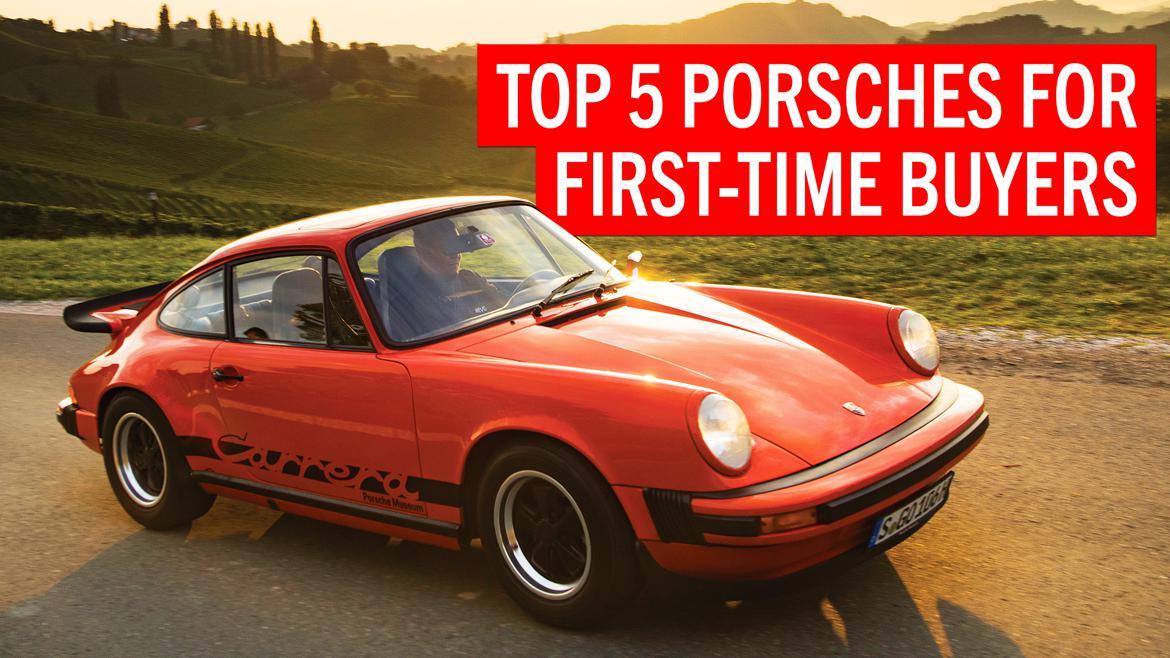
Why buy a used Porsche 911?
A used Porsche 911 offers classic design, strong resale, and a driver-focused experience. Many buyers get sports-car performance at a lower entry price than new models. Owning a 911 can be affordable if you choose the right generation and inspect it properly. This guide explains which Porsche 911 generation is best for used buyers? and why certain years are smarter picks.
49% off Today's Exclusive Deals
Limited-time Exclusive Deals. Check current discount on Amazon.
Check Price on Amazon As an Amazon Associate I earn from qualifying purchases.Quick overview of Porsche 911 generations
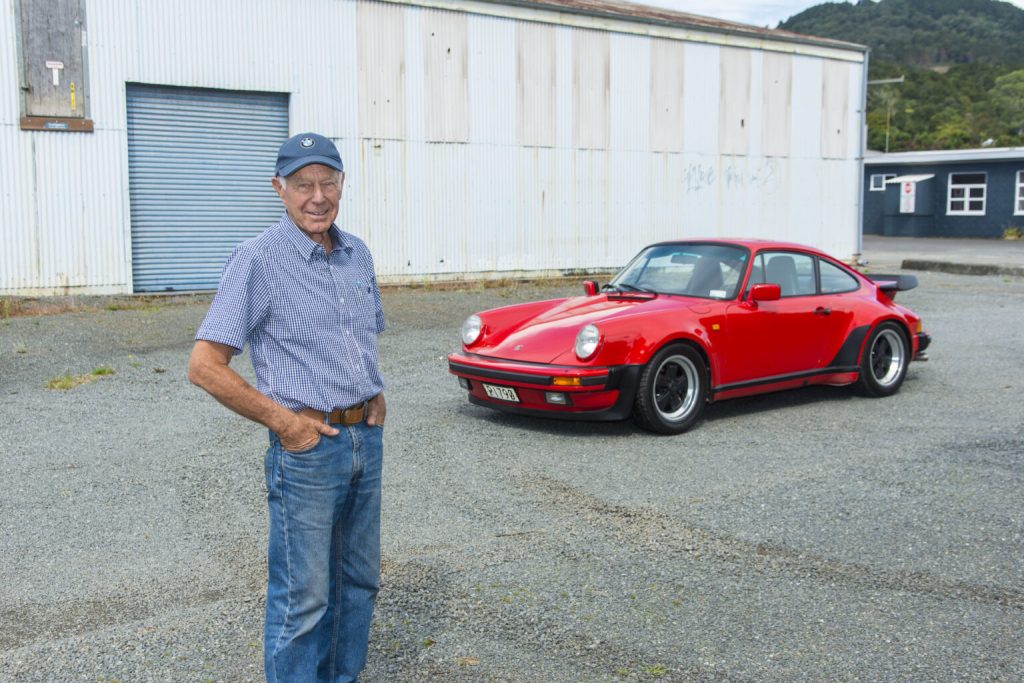
Porsche has made many 911 generations since 1964. Each generation changed engines, suspension, electronics, and safety. Some generations offer modern comfort. Others give raw, analog driving feel. For used buyers, age, parts availability, and known faults matter as much as looks and spec. This overview sets the stage for deeper comparisons of which Porsche 911 generation is best for used buyers?.
Which Porsche 911 generation is best for used buyers? — the verdict
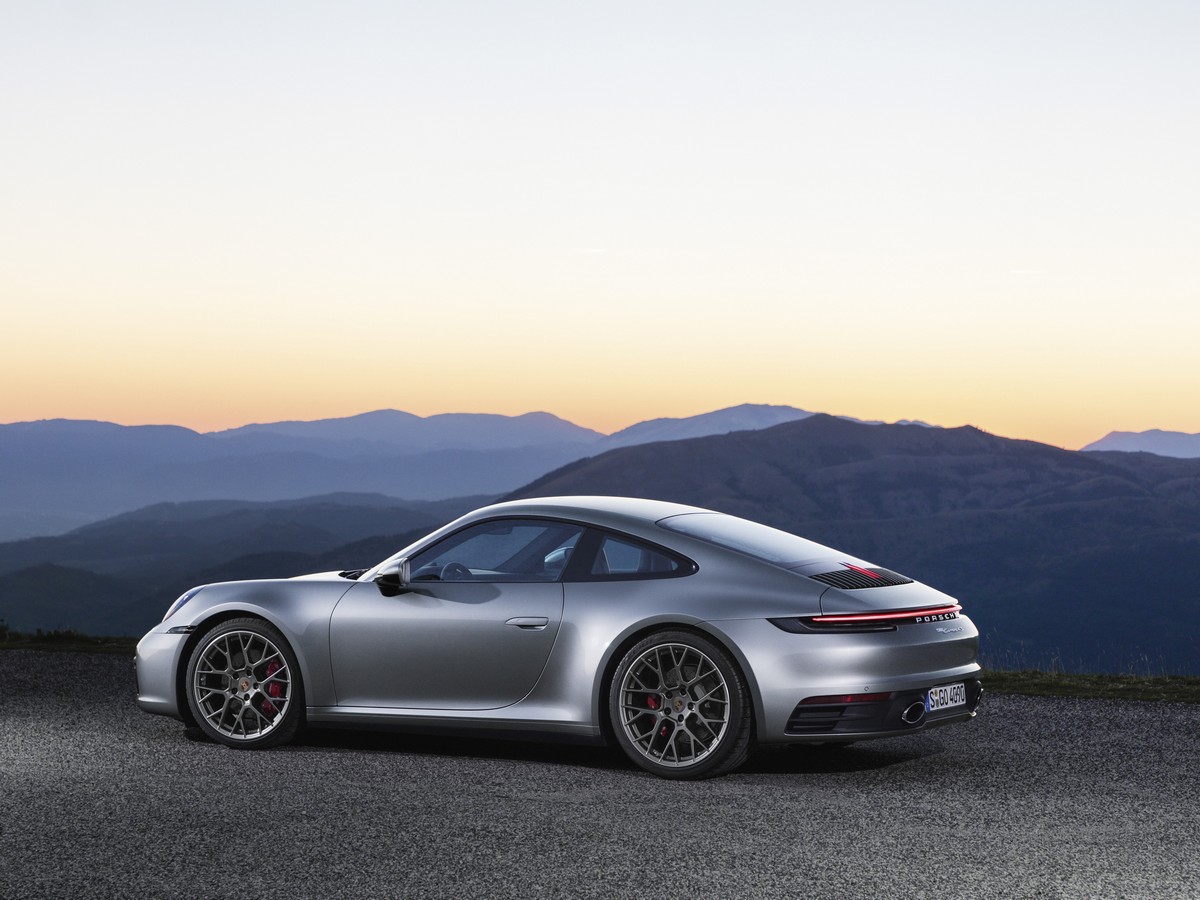
Short answer: late 996 (2002–2004) and early 997 (2005–2009) strike the best balance. They cost less than newer 997.2 or 991 models. They also avoid some older 911 rust and the catastrophic IMS issues common to early 996s. If you want a safer long-term buy, look for 996s with IMS upgrades and early 997s with low electronic faults. This recommendation answers which Porsche 911 generation is best for used buyers? by weighing cost, reliability, and driver appeal.
49% off Today's Exclusive Deals
Limited-time Exclusive Deals. Check current discount on Amazon.
Check Price on Amazon As an Amazon Associate I earn from qualifying purchases.Generation-by-generation breakdown
1960s–1989 classic air-cooled 911s
- Appeal
- Iconic looks and simple mechanics.
- Pros
- Strong collector value and mechanical simplicity.
- Cons
- High price for good examples and older safety tech.
- Who it fits
- Enthusiasts who want a classic and can handle higher upkeep.
996 (1999–2005)
- Appeal
- Modern chassis and better daily usability.
- Pros
- Lower market price, strong performance, parts widely available.
- Cons
- Early IMS bearing failures; avoid unchecked early cars.
- Who it fits
- Value buyers who accept maintenance and who find models with IMS upgrades.
997 (2005–2012)
- Appeal
- Great balance of feel and reliability.
- Pros
- Improved engines and electronics; strong variant range.
- Cons
- Higher prices than 996 and more complex systems.
- Who it fits
- Buyers wanting modern feel but still good used value.
991 (2012–2019) and later
- Appeal
- Modern comfort, performance, and tech.
- Pros
- Better reliability and safety; faster and more refined.
- Cons
- Higher purchase price and costlier repairs.
- Who it fits
- Buyers wanting near-new comfort and fewer compromises.
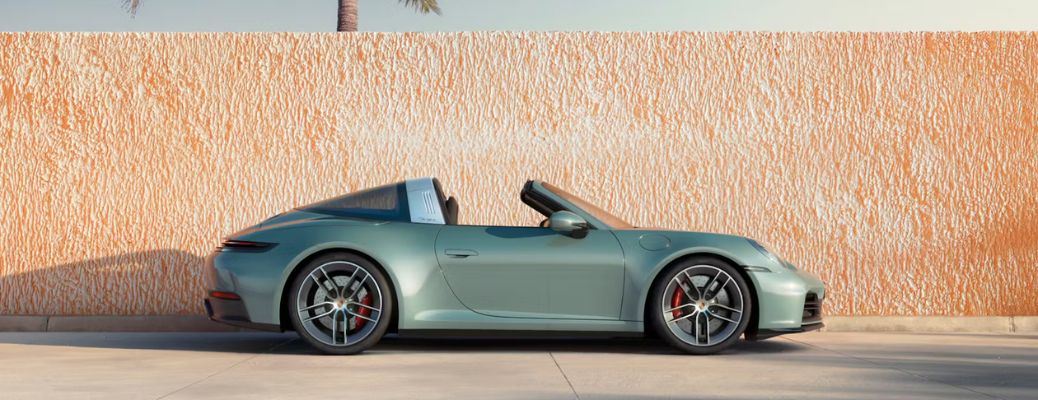
Which Porsche 911 generation is best for used buyers? depends on priorities. If you want lower cost and classic driving, consider late 996. If you want better long-term reliability with strong performance, early 997 often wins.
Common issues and ownership costs by generation
Air-cooled classics
- Typical problems
- Oil leaks and worn suspension bushings.
- Cost impact
- Parts can be expensive but mechanical work is simple.
996
- Typical problems
- IMS bearing and rear main seal issues mostly on early motors.
- Cost impact
- Repairs can be costly if neglected. IMS upgrades add peace of mind.
997
- Typical problems
- Minor electronics gremlins and occasional oil leaks.
- Cost impact
- Generally lower surprise costs if maintained.
991 and newer
- Typical problems
- Complex electronics and expensive sensors or turbo work.
- Cost impact
- Repairs are pricier but overall reliability tends to be higher.
Which Porsche 911 generation is best for used buyers? often comes down to avoiding models with high catastrophic failure risk and choosing cars with documented service history.

How to choose and inspect a used 911
Set clear goals
- Decide whether you want daily use, weekend fun, or a collectible.
- Match budget to expected maintenance and insurance.
Check history and records
- Verify service history, prior accidents, and major repairs.
- Prioritize cars with documented IMS upgrades when considering 996 models.
Inspect in person or hire an expert
- Look for frame damage, uneven tire wear, and oil leaks.
- Get a compression test, leakdown, and a full pre-purchase inspection.
Budget for ownership
- Reserve funds for belts, brakes, tires, and fluids.
- Expect higher costs for turbos and modern electronic repairs.
PAA-style questions
- Q: Do 996 Porsches have major problems?
- A: Early 996 models had IMS bearing issues. Look for cars with documented IMS upgrades.
- Q: Is a 997 more reliable than a 996?
- A: Generally yes. The 997 improved engine design and reduced catastrophic failure risk.
- Q: How much does basic maintenance cost?
- A: Expect routine costs for brakes, tires, and fluids; major jobs vary by generation and mileage.
Which Porsche 911 generation is best for used buyers? will change with your budget and tolerance for repair risk. My experience says a well-documented early 997 often offers the best mix of cost, joy, and lower surprises.
Personal insights and lessons learned
I once bought a high-mileage 996 with strong cosmetics but no IMS documentation. The engine failed within a year and cost more than the car value to repair. Since then I only buy 996s with IMS upgrades or full service records. For 997s, I focus on a tidy interior and evidence of regular oil changes. These small checks saved me thousands in unexpected bills. If you plan to own a 911, treat maintenance history as the single most important selling point.
Frequently Asked Questions of Which Porsche 911 generation is best for used buyers?
Which 911 generation has the best value for money?
Late 996 and early 997 models usually give the best balance of price and performance. They are often cheaper than newer 991s while still offering good driving dynamics.
Are 996 Porsche 911s reliable for daily use?
Many 996s are reliable if they have had IMS upgrades and consistent maintenance. Daily use is fine with a well-documented car.
Is the 997 worth the price premium over the 996?
Yes, for many buyers the 997 is worth the extra cost because of improved engines and fewer major failure risks. It often needs less immediate repair work.
Should I avoid air-cooled classic 911s as a first Porsche?
Air-cooled classics are rewarding but can be costly and demanding to maintain. They are best for buyers who want a collector experience and can handle higher upkeep.
How important is service history when buying a used 911?
Service history is critical. A full history reduces the chance of surprises and proves the car was cared for properly. Always verify major service items like timing belts and IMS work.
Conclusion
Choosing which Porsche 911 generation is best for used buyers? depends on your budget, tolerance for risk, and driving goals. Late 996 and early 997 models stand out for many buyers because they balance cost, parts availability, and performance. Do your homework, prioritize service records, and get a thorough inspection. If you follow these steps, you can enjoy Porsche driving with fewer surprises. Ready to start your search? Bookmark this guide, inspect carefully, and leave a comment with your questions or experiences.