Every car owner will face this situation: you try to start your car, but it just won’t turn over. Maybe you hear a weak click, or perhaps there’s only silence. In many cases, the problem is your car battery. But how do you know for sure if your battery needs replacement, or if there’s another issue with your vehicle? Making the right decision can save money, time, and frustration.
The signs of a dying car battery can be subtle or obvious, and some are easy to miss if you don’t know what to look for. Replacing a battery too soon wastes money, but waiting too long can leave you stranded.

49% off Today's Exclusive Deals
Limited-time Exclusive Deals. Check current discount on Amazon.
Check Price on Amazon As an Amazon Associate I earn from qualifying purchases.This guide will help you understand the signs, tests, and common mistakes so you can confidently decide when your car battery needs replacing.
Why The Car Battery Is So Important
The car battery provides the electric power needed to start your engine and run important systems like lights, radio, and dashboard electronics. Without a healthy battery, your car won’t start, and many electronic features won’t work. Modern cars rely even more on batteries because of advanced electronics and safety systems.
A failing battery can also cause strange electrical problems, such as flickering lights or warning messages on your dashboard. Sometimes, people blame these issues on other parts, but often, it’s simply a weak or dying battery. That’s why recognizing the warning signs and acting early is so important.
49% off Today's Exclusive Deals
Limited-time Exclusive Deals. Check current discount on Amazon.
Check Price on Amazon As an Amazon Associate I earn from qualifying purchases.Common Signs Your Car Battery Needs Replacement
Let’s look at the most reliable signs that your car battery is nearing the end of its life. Some are obvious, but others can be easy to overlook.
1. Slow Engine Crank
When you turn the key or press the start button, does the engine turn over slowly? A healthy battery provides a strong burst of energy to start your car. If you notice the cranking sound is sluggish or weak, your battery may be losing power. This problem often gets worse in cold weather.
2. Clicking Sound When Starting
If you hear a rapid clicking sound when you try to start your car, but the engine doesn’t turn over, it usually means the battery doesn’t have enough power. Sometimes, this is caused by a loose connection, but often, it’s a sign of a weak battery that can’t send enough current.
3. Dashboard Warning Light
Most cars have a battery warning light or a symbol that looks like a battery. If this light comes on while driving or when you try to start the car, it’s a clear warning that something is wrong with the charging system. It could be the battery or the alternator, but the battery is often the cause.
49% off Today's Exclusive Deals
Limited-time Exclusive Deals. Check current discount on Amazon.
Check Price on Amazon As an Amazon Associate I earn from qualifying purchases.4. Electrical Issues And Malfunctions
A weak battery can cause strange electrical problems. You might notice:
- Dim headlights, especially when idling
- Power windows moving slower than usual
- The radio cutting out or resetting
- Dashboard lights flickering
These problems often appear before the battery dies completely.
5. Swollen Or Bloated Battery Case
A battery should look flat and rectangular. If you notice the case looks swollen or bloated, it means the battery has overheated, usually due to overcharging or extreme heat. A swollen battery is dangerous and should be replaced immediately.
6. Old Age
Most car batteries last 3 to 5 years. If your battery is older than this, it’s more likely to fail, even if it seems to work fine. Check the date code stamped on the battery case to find out when it was made.
7. Needing Frequent Jump Starts
If you’ve had to jump start your car more than once in a short period, your battery is likely failing. A healthy battery should hold a charge for weeks, even if you don’t drive every day.
8. Corroded Battery Terminals
Check the battery terminals (where the cables connect). If you see white, ashy, or bluish powder, that’s corrosion. While cleaning can help, heavy corrosion often means the battery is leaking acid or is nearing the end of its life.
9. Unusual Odor
A rotten egg smell (sulfur) around the battery means it’s leaking gas, which is a sign of internal damage. This is dangerous and requires immediate replacement.
10. Battery Fails A Voltage Test
Using a voltmeter or multimeter, you can check the battery’s voltage. A fully charged battery should read around 12.6 volts when the car is off. If it’s consistently below 12.4 volts, especially after charging, it’s time for a new battery.
How To Test Your Car Battery
Testing your battery is the best way to confirm if it really needs replacing. There are several ways to do this, ranging from simple to more advanced.
Using A Multimeter
A digital multimeter is a handy tool to measure battery voltage. Here’s how to use it:
- Turn off your car and all electrical accessories.
- Set the multimeter to DC volts (20V range).
- Touch the red probe to the positive (+) terminal and the black probe to the negative (–) terminal.
- Read the display.
- 12.6V or higher: Battery is fully charged
- 12.4V–12.6V: Battery is in fair condition
- Below 12.4V: Battery is weak or needs charging
- Below 12.0V: Battery is likely bad
Load Testing
A load tester checks the battery’s ability to deliver power under stress. Most auto parts stores offer this test for free. The test applies a simulated load and measures voltage drop. If voltage drops too low, the battery is bad.
Professional Battery Analyzer
Shops use special battery analyzers that test the battery’s health, ability to hold charge, and overall condition. This test gives a clear “good” or “replace” result.
Visual Inspection
Even without tools, a quick look can reveal problems. Look for:
- Cracks in the battery case
- Leaks or wet spots
- Loose or damaged terminals
If you see any of these, replacement is needed.
Difference Between Battery Issues And Other Problems
Sometimes, what looks like a battery problem is actually something else, like a faulty alternator or a bad starter. Here’s how to tell them apart:
| Symptom | Likely Cause |
|---|---|
| Car starts after jump, then dies soon | Alternator problem |
| Slow crank, but electronics work fine | Starter issue |
| All electronics dead, no lights at all | Battery problem |
| Battery light on while driving | Charging system (alternator or battery) |
If you’re not sure, have your battery and alternator tested together at a trusted shop.
Factors That Affect Car Battery Life
Not all batteries last the same amount of time. Several factors can shorten or extend battery life:
Climate
Extreme heat can cause the battery fluid to evaporate, leading to internal damage. Extreme cold thickens engine oil and makes the battery work harder. Both conditions reduce battery life.
Driving Habits
Short trips (less than 20 minutes) don’t allow the battery to fully recharge. Frequent short trips can weaken the battery over time.
Electrical Load
Using electronics like lights, stereo, or air conditioning when the engine is off drains the battery faster.
Battery Quality
Higher quality batteries with longer warranties usually last longer, but cost more upfront.
Age And Maintenance
Older batteries naturally lose capacity. Keeping terminals clean and tight can help the battery last longer.
How To Choose The Right Replacement Battery
If you know your battery needs replacing, don’t just buy the cheapest one. The right battery should match your car’s specifications and your needs.
Key Factors To Consider
- Size and Fitment: Check your owner’s manual for the correct group size. The wrong size won’t fit securely.
- Cold Cranking Amps (CCA): This measures how well the battery starts the car in cold weather. Choose a battery with at least the recommended CCA.
- Reserve Capacity (RC): Indicates how long the battery can run the car if the alternator fails.
- Type: Most cars use lead-acid batteries, but some high-end vehicles use AGM (Absorbent Glass Mat) batteries.
- Warranty: Look for a battery with a good warranty (often 2–4 years).
- Brand Reputation: Well-known brands usually offer better reliability.
Comparing Battery Types
| Type | Pros | Cons |
|---|---|---|
| Lead-Acid | Low cost, widely available | Shorter lifespan, needs maintenance |
| AGM | Longer life, maintenance-free, better in cold | Higher price |
| Gel Cell | Handles vibration well, leak-proof | Most expensive, special charger needed |
Practical Tip
Always bring your old battery when buying a new one. Stores usually give a discount for returning your old battery (called a core charge).
How To Replace Your Car Battery Safely
Changing a car battery isn’t difficult, but safety is important. Here’s how to do it step by step:
- Turn off the car and remove the keys.
- Wear gloves and safety glasses to protect against acid.
- Disconnect the negative (–) cable first, then the positive (+) cable. This prevents sparks.
- Remove the old battery (it may be heavy).
- Clean the battery tray and terminals. Use a wire brush if needed.
- Install the new battery, making sure it’s secure.
- Connect the positive (+) cable first, then the negative (–) cable.
- Tighten connections and check for movement.
- Start your car to test.
Safety Reminders
- Never smoke or use open flames near a battery.
- Batteries contain acid—wash hands after handling.
- Dispose of the old battery at a recycling center or auto parts store.
Common Mistakes People Make With Car Batteries
Many car owners unknowingly shorten their battery’s life or make mistakes when replacing it. Here are some pitfalls to avoid:
Ignoring Early Warning Signs
Waiting until the battery dies completely can leave you stranded. Pay attention to slow starts, dim lights, or warning lights.
Buying The Wrong Size
Batteries come in many sizes. The wrong one may not fit, or might not provide enough power.
Mixing Up Terminals
Connecting the positive and negative cables incorrectly can cause sparks, damage electronics, or even an explosion.
Not Cleaning Corrosion
Leaving corrosion on the terminals increases resistance, making it harder for the battery to deliver power.
Letting The Battery Discharge Completely
Leaving lights on or not driving for weeks can kill a battery. Modern batteries often can’t recover from a deep discharge.
Skipping Professional Testing
Guessing if a battery is bad wastes money. Most auto parts stores offer free testing—take advantage of it.
Over-tightening Or Under-tightening Cables
Loose connections can cause starting problems, while over-tightening can damage terminals.
How Weather Changes Affect Your Battery
Weather plays a huge role in battery health. Batteries work better in mild temperatures, but suffer in extreme cold and heat.
Cold Weather
In cold climates, chemical reactions inside the battery slow down. At 0°F (–18°C), a battery loses about 60% of its strength. That’s why cars are harder to start on freezing mornings.
Hot Weather
Heat causes battery fluid to evaporate, damaging the internal structure. In hot areas, batteries often fail sooner—sometimes in as little as 2 years.
Humidity And Rain
Moisture can cause corrosion to build up faster on battery terminals, making it harder for electricity to flow.
Practical Insight
If you live in a place with extreme weather, consider buying a higher quality battery with extra CCA (cold cranking amps) and a longer warranty. Also, check your battery’s condition before the hottest and coldest months.
The Truth About “maintenance-free” Batteries
Many modern batteries are labeled as maintenance-free. This means you don’t need to add water, and they’re sealed to prevent leaks. However, they still need care:
- Keep terminals clean and tight
- Check for swelling or leaks
- Test voltage every few months
A maintenance-free battery can still fail without warning, so never ignore the warning signs.
When A Dead Battery Is Not The Problem
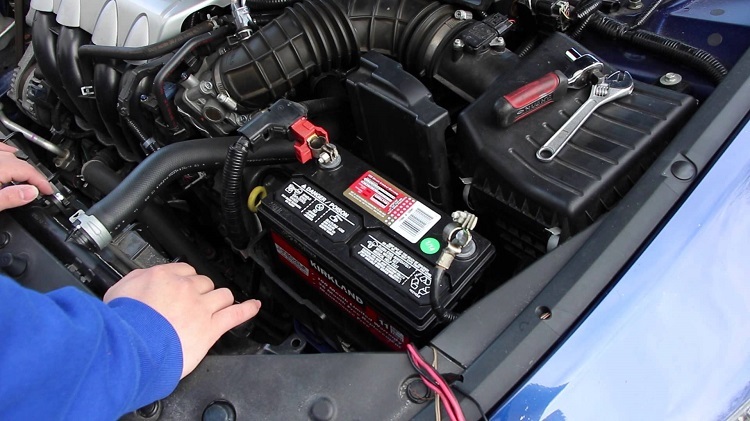
Sometimes your car won’t start, but the battery is fine. Other common causes include:
- Faulty starter motor
- Bad alternator
- Blown fuse
- Loose or damaged battery cables
If you replace the battery and the car still won’t start, have a mechanic check the charging system and related parts.
How To Extend Your Car Battery’s Life
You can’t make a battery last forever, but you can add months or even years to its life with good habits.
- Drive regularly: Short trips don’t fully recharge the battery. Try to drive at least 20 minutes each time.
- Turn off electronics: Don’t leave lights, radio, or chargers on when the engine is off.
- Clean terminals: Remove corrosion with a wire brush and baking soda.
- Check mounting: Make sure the battery is secure and doesn’t vibrate.
- Test before trips: If you’re going on a long drive, test the battery first.
These simple steps can make a real difference.
How To Dispose Of An Old Car Battery
Car batteries contain lead and acid, which are hazardous. Never throw a battery in the trash. Take your old battery to:
- Auto parts stores (most accept them for free)
- Recycling centers
- Special battery collection events
Many places will even give you a small cash refund for recycling.
Real-world Example: A Day In The Life Of A Dying Battery
Imagine you’re in a hurry for work on a cold morning. You turn the key—nothing happens but a weak click. You remember the headlights were dim the night before, but thought nothing of it. After a jump start, you get to the store, and the technician tests your battery.
The voltage reads 11. 8V, and the load test fails. Your battery is four years old, and you realize the signs were there all along.
A new battery, properly installed, solves the problem. You avoid being stranded again and save money by catching the issue early.

Frequently Asked Questions
How Can I Check My Car Battery’s Age?
Most batteries have a date code stamped on the top or side. It’s usually a letter (for the month) and a number (for the year). For example, “C21” means March 2021. If you can’t find it, ask at an auto parts store.
Can I Replace My Car Battery Myself?
Yes, most people can change a battery with basic tools. Just remember to disconnect the negative terminal first, and wear gloves and safety glasses.
Why Does My New Battery Keep Dying?
This often means there’s another problem, like a bad alternator, electrical drain (parasitic draw), or loose cables. Have your charging system checked by a professional.
Is It Safe To Drive With A Weak Battery?
It’s risky. A weak battery can leave you stranded at any time. Also, it may cause electrical problems or put extra strain on the alternator.
Where Can I Learn More About Car Batteries And Maintenance?
You can find detailed guides and safety tips at the AAA Auto Repair website.
A reliable car battery is key to a stress-free driving experience. By spotting the warning signs early, testing your battery, and replacing it at the right time, you’ll avoid breakdowns and keep your car running smoothly for years to come.