Waterproofing a winch is not just a smart upgrade—it’s often essential if you drive off-road, work in wet environments, or simply want your equipment to last longer. Water is the enemy of all electronics and moving parts. When water gets inside your winch, it can cause rust, electrical shorts, and even total failure.
Many winches claim to be “water-resistant,” but few are truly waterproof out of the box. If you want peace of mind, you’ll need to take extra steps. This guide explains everything you need to know about waterproofing a winch, from preparation to practical tips, with clear instructions and examples.

49% off Today's Exclusive Deals
Limited-time Exclusive Deals. Check current discount on Amazon.
Check Price on Amazon As an Amazon Associate I earn from qualifying purchases.Whether you use your winch for recovery, utility, or sport, you’ll walk away with confidence.
Why Waterproofing A Winch Matters
Winches often face tough conditions. Rain, mud, river crossings, snow, and saltwater can all damage winch motors, solenoids, and gears. Even occasional moisture can corrode internal parts and ruin electrical connections.
Consider these facts:
49% off Today's Exclusive Deals
Limited-time Exclusive Deals. Check current discount on Amazon.
Check Price on Amazon As an Amazon Associate I earn from qualifying purchases.- A survey by Off-Road.com found that nearly 30% of winch failures are due to water damage.
- Most standard winches are rated IP65 or lower. This means they can handle splashes, but not full submersion.
- Replacing a damaged winch motor can cost $150–$400. Full winch replacements often run $500–$1,500.
If you waterproof your winch, you protect your investment, avoid unexpected failures, and keep recovery tools ready when you need them most.
Types Of Winches And Their Water Resistance
Not all winches are the same. Understanding the basic types helps you choose the right waterproofing method.
| Winch Type | Main Uses | Typical Water Resistance | Common Weak Points |
|---|---|---|---|
| Electric Winch | Off-road, vehicle recovery | IP65–IP68 | Solenoid, motor casing, wiring |
| Hydraulic Winch | Heavy duty, industrial | IP66–IP68 | Hydraulic lines, seals |
| Manual Winch | Boating, trailers | N/A | Mechanical gears, cable |
Most waterproofing is focused on electric winches. These have motors and electronics that are sensitive to water. Hydraulic and manual winches need protection for their mechanical parts, but they don’t have electrical risks.

What You Need: Tools And Materials
Before you start, gather these items. Using the right materials makes a big difference.
49% off Today's Exclusive Deals
Limited-time Exclusive Deals. Check current discount on Amazon.
Check Price on Amazon As an Amazon Associate I earn from qualifying purchases.- Silicone sealant — For sealing gaps and joints.
- Dielectric grease — Protects electrical connectors from moisture.
- Heat shrink tubing — Shields wires and connections.
- Weatherproof solenoid box — Offers extra protection for relays.
- Rubber gaskets/O-rings — Replaces worn seals.
- Electrical tape — For extra wrapping.
- Wire brush and cleaner — To remove corrosion.
- Torx/Phillips screwdriver set — For opening casings.
- Clean rags — For drying surfaces.
- Plastic wrap or waterproof bags — For temporary protection.
Most of these items are available at hardware stores or online. Don’t try to waterproof your winch with cheap materials—quality matters.
Preparing Your Winch For Waterproofing
Preparation is key. Rushing this step leads to missed spots and wasted effort.
- Disconnect power: Remove the winch from battery or power source. Safety first.
- Clean the winch: Use a wire brush and cleaner to remove mud, oil, and rust from all surfaces. Dry thoroughly.
- Check for damage: Inspect seals, wires, and casing for cracks or worn areas. Replace damaged parts before waterproofing.
- Open the casing: Carefully remove covers. Take photos if needed so you can reassemble correctly.
If your winch is still under warranty, check the manual. Some waterproofing steps may void the warranty. It’s a good idea to review the manufacturer’s recommendations.
Step-by-step Guide: How To Waterproof A Winch
Let’s walk through the process. These steps apply mostly to electric winches, but you can adapt them for hydraulic and manual models.
Step 1: Seal The Motor Housing
The motor housing is the most vulnerable part. Water often enters through small gaps.
- Apply silicone sealant around all seams, bolts, and cable entry points.
- Use a thin, even layer. Too much sealant can interfere with moving parts.
- Let it cure for at least 12 hours before reassembly.
Step 2: Protect The Solenoid And Relay Box
The solenoid box controls the winch’s power. Water can short-circuit it.
- Remove the box cover.
- Coat all terminals with dielectric grease.
- Wrap wires with heat shrink tubing and seal with a heat gun.
- Consider upgrading to a weatherproof solenoid box if you often drive in wet conditions.
Step 3: Waterproof Electrical Connections
Most winch failures start with wet connectors. Take your time here.
- Disconnect all electrical connectors.
- Clean terminals with a wire brush.
- Apply dielectric grease liberally.
- Slide heat shrink tubing over each connector and seal.
- Wrap exposed areas with electrical tape.
Step 4: Upgrade Seals And Gaskets
Old rubber gaskets lose flexibility and let water in.
- Remove old gaskets and O-rings.
- Install high-quality replacements. Silicone or nitrile rubber works best.
- Use a small amount of grease to help seals slide into place.
Step 5: Protect The Drum And Cable
The drum and cable face mud, water, and grit.
- Clean the drum and cable with a rag.
- Spray with water-repellent lubricant.
- If you use synthetic rope, check for fraying. Replace if needed.
- Consider using a winch cover when not in use.
Step 6: Check Drainage And Vent Holes
Many winches have drain holes to let water escape.
- Make sure holes are clear and not blocked by sealant.
- If your winch doesn’t have drain holes, drill a small (3mm) hole at the lowest point. This prevents trapped water.
Step 7: Reassemble And Test
Carefully reassemble the winch.
- Double-check all seals and connections.
- Connect power and test operation.
- Spray with water or submerge briefly to check for leaks. Watch for bubbles or moisture.
If you spot leaks, dry the area, reseal, and retest. Don’t ignore small leaks—they can become big problems over time.
Practical Tips And Mistakes To Avoid
Waterproofing is easy to get wrong. Here are some insights that many beginners miss:
- Don’t over-seal moving parts: Too much sealant can jam mechanisms or make repairs difficult.
- Avoid cheap sealant: Low-quality silicone cracks and peels under temperature changes.
- Check after every trip: If you drive through water or mud, inspect your winch soon after. Moisture may sneak in.
- Label wires: Before disconnecting lots of wires, label them. It prevents mix-ups during reassembly.
- Never ignore the control switch: The remote or switch is often forgotten. Seal connectors and use weatherproof covers.
One non-obvious tip: Some high-end winches use breather tubes to equalize pressure and prevent water ingress. If your winch has one, check that it’s clear and not blocked.
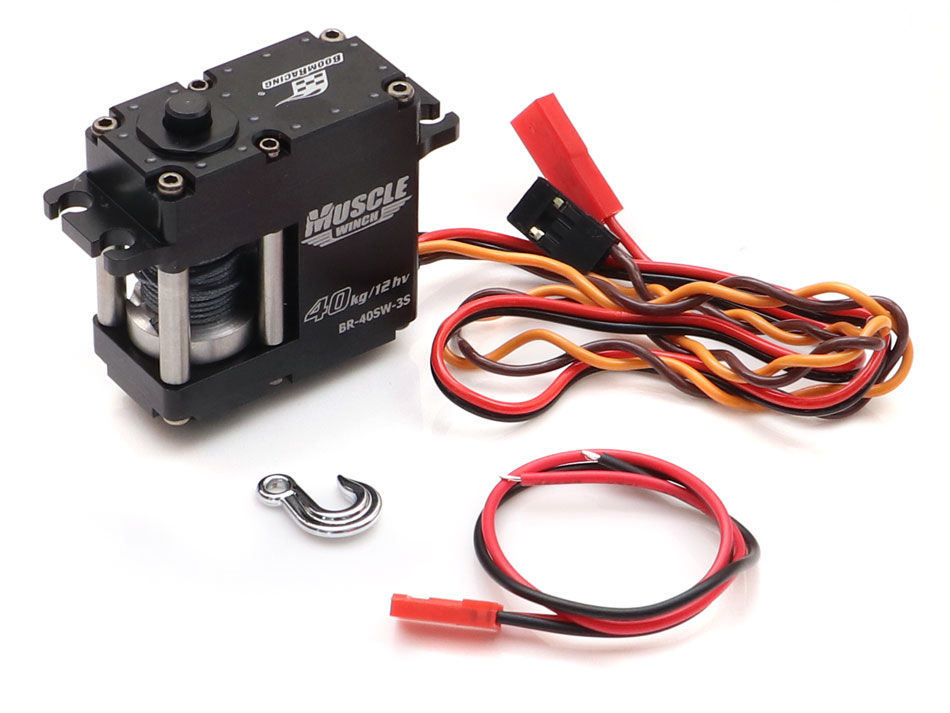
Winch Waterproofing Methods Compared
Let’s compare different waterproofing approaches. This helps you decide which fits your needs.
| Method | Protection Level | Cost | Durability | Best For |
|---|---|---|---|---|
| DIY sealant and grease | Moderate | $20–$50 | 1–2 years | Occasional off-roading |
| Weatherproof solenoid box | High | $40–$100 | 2–3 years | Frequent wet conditions |
| Full winch cover | Low/Moderate | $15–$40 | 6–12 months | Storage protection |
| Professional waterproofing | Very high | $150–$300 | 3–5 years | Heavy-duty, saltwater use |
DIY approaches work well for most users. If you use your winch daily, consider professional waterproofing or heavy-duty upgrades.
How Often Should You Re-waterproof?
Waterproofing isn’t permanent. Exposure to water, mud, temperature changes, and vibration wears down seals and grease.
- For occasional use: Check seals and grease every 6–12 months.
- For frequent use: Inspect after every wet trip or recovery.
- If you notice rust, moisture, or slow performance, re-waterproof immediately.
Synthetic rope needs special care. It absorbs water and can freeze or rot. Dry it after use and replace if you see wear.
What To Do If Water Gets Inside
Sometimes, even the best waterproofing isn’t enough. If water gets inside, act fast.
- Disconnect power: Prevent shorts and shocks.
- Open casing: Remove covers and dry inside with rags or compressed air.
- Clean contacts: Use wire brush and dielectric grease.
- Check for rust: Remove any corrosion. If parts are badly rusted, replace.
- Re-seal: Repeat waterproofing steps before reassembly.
- Test: Run winch under load to check for proper operation.
Ignoring water inside your winch can lead to bigger problems. Quick action saves money and keeps you safe.
When To Upgrade Your Winch
Sometimes, waterproofing an old winch isn’t enough. Consider upgrading if:
- Your winch fails often, even after waterproofing.
- You work in extreme conditions (deep water crossings, saltwater).
- You need higher IP ratings (IP68 or higher).
Modern winches offer IP68 or even IP69K ratings, meaning they can handle total submersion and high-pressure water jets. Look for brands with proven water resistance and good warranties.
For example, the Warn Zeon 10-S offers IP68 protection, synthetic rope, and a sealed solenoid box. It’s designed for tough conditions and lasts longer than most standard models.
Real-world Example: Off-road Recovery
Let’s see how waterproofing works in practice.
Imagine you’re crossing a muddy river. Your winch is exposed to water, grit, and mud. If your winch isn’t waterproofed, water can seep into the motor, causing rust. The solenoid may short out, leaving you stranded.
But if you’ve sealed the motor, protected the solenoid, and used a winch cover, your winch stays dry. You recover your vehicle smoothly and avoid expensive repairs.
Many off-road clubs recommend waterproofing as a standard step before any event. It’s not just about performance—it’s about safety and reliability.
Common Myths About Waterproofing Winches
Let’s clear up some misunderstandings:
- “Waterproof means submersible.” Most winches are water-resistant, not waterproof. Only IP68/IP69K models survive full submersion.
- “Silicone is enough.” Silicone sealant helps, but you need grease, gaskets, and heat shrink tubing for full protection.
- “Winch covers protect everything.” Covers help, but water can still seep in during use or heavy rain.
- “Synthetic rope doesn’t need care.” Synthetic rope absorbs water and mud. It needs drying and cleaning.
Don’t let these myths lead to mistakes. Proper waterproofing uses multiple layers of protection.

Cost Breakdown: Waterproofing Your Winch
Budget matters. Here’s what you can expect to spend:
- Silicone sealant: $5–$10
- Dielectric grease: $6–$12
- Heat shrink tubing: $10–$20
- Weatherproof solenoid box: $40–$100
- Rubber gaskets/O-rings: $5–$15
- Winch cover: $15–$40
Total DIY cost: $40–$100 for most users. Professional waterproofing can cost $150–$300.
Compared to the cost of replacing a winch, waterproofing is affordable insurance.
Professional Waterproofing Vs Diy
Should you do it yourself or hire a pro? Here’s a comparison:
| Aspect | DIY | Professional |
|---|---|---|
| Cost | $40–$100 | $150–$300 |
| Time | 2–4 hours | 1–2 days (including waiting) |
| Skill Needed | Basic mechanical/electrical | None (done for you) |
| Warranty | May void manufacturer warranty | Often includes service guarantee |
| Durability | Good if done right | Excellent, longer-lasting |
If you’re comfortable with tools, DIY is cost-effective. If you want the best protection, professional service is worth it.
Extra Resources For Waterproofing
You can find detailed guides, reviews, and product recommendations online. For official winch ratings and waterproofing standards, check out the IP Code Wikipedia page. It explains what IP ratings mean and helps you choose the right level of protection.
Frequently Asked Questions
How Do I Know If My Winch Is Waterproof?
Check your winch’s IP rating. IP68 means full submersion is possible. Most standard winches are only splash-resistant (IP65–IP67). Look for sealed motor housing, weatherproof solenoid, and protected connectors.
Can I Waterproof An Old Winch?
Yes, but check for existing damage first. If parts are rusted or worn, replace them. Use new seals, grease, and weatherproof boxes. Older winches may not reach IP68, but you can improve resistance.
Is Synthetic Rope Better Than Steel Cable For Waterproofing?
Synthetic rope is lighter and safer, but it absorbs water and can freeze or rot. Steel cable resists water but can rust. Either type needs cleaning and drying after use.
How Often Should I Inspect My Waterproofed Winch?
Inspect every 6–12 months or after each wet trip. Look for moisture, rust, worn seals, and slow operation. Fix issues immediately to prevent bigger problems.
Will Waterproofing Void My Winch Warranty?
Sometimes. Check your manufacturer’s warranty. Some brands allow waterproofing, others don’t. Professional waterproofing may include its own service guarantee.
Waterproofing your winch is a smart, practical step for anyone who uses their equipment in wet or harsh conditions. The process isn’t difficult, but it does require attention to detail and the right materials. By following these steps and tips, you can extend the life of your winch, avoid costly repairs, and keep your recovery gear ready for any situation.
With proper care and regular checks, a waterproofed winch delivers reliability when you need it most.


