Cleaning a winch after use is one of those jobs that many boaters, off-road enthusiasts, and outdoor workers forget. But a well-maintained winch can save you from expensive repairs and dangerous failures. If you use your winch for boating, 4×4 adventures, or industrial tasks, knowing how to clean it the right way will keep it reliable and strong.
This guide will help you understand the steps, tools, and best practices for winch cleaning—even if you’re not an expert. You’ll learn why cleaning matters, what to use, and what mistakes to avoid. With practical advice and real examples, you’ll be ready to tackle your winch after any adventure.

49% off Today's Exclusive Deals
Limited-time Exclusive Deals. Check current discount on Amazon.
Check Price on Amazon As an Amazon Associate I earn from qualifying purchases.Why Cleaning A Winch Matters
A winch is exposed to mud, sand, saltwater, dust, and other debris during use. These materials can cause corrosion, wear, and malfunction if left unchecked. Regular cleaning does more than just keep your winch looking good—it extends its life, improves safety, and keeps it working smoothly.
Key reasons to clean your winch:
- Prevents rust and corrosion (especially in marine environments)
- Reduces wear on gears, bearings, and electrical parts
- Helps spot small problems before they become big repairs
- Keeps the winch cable or rope in good condition
- Maintains pulling power and reliability
For example, a study by the International Marine Organization showed that equipment exposed to saltwater without cleaning had up to 40% shorter lifespan compared to cleaned gear. Even in off-road use, mud and grit can quickly damage the internal parts if not removed.
49% off Today's Exclusive Deals
Limited-time Exclusive Deals. Check current discount on Amazon.
Check Price on Amazon As an Amazon Associate I earn from qualifying purchases.Tools And Supplies You Need
Before you start cleaning, gather the right tools and products. Using the correct supplies makes the job easier and safer. Here’s a list of what you’ll need:
- Soft brushes (nylon or natural bristle)
- Clean rags or microfiber towels
- Mild detergent (non-corrosive, no bleach)
- Fresh water (preferably distilled if in hard-water areas)
- Silicone spray or light lubricant
- Protective gloves
- Bucket
- Old toothbrush
- Compressed air (optional, for drying)
- WD-40 or similar water-displacing spray
- Winch grease (for internal parts)
- Plastic scraper (for stubborn mud or debris)
- Small screwdriver (for removing covers)
Most of these items are easy to find and inexpensive. Avoid using harsh chemicals, steel brushes, or high-pressure washers directly on electrical parts.

Step-by-step Guide: How To Clean A Winch After Use
Cleaning a winch is not difficult, but it requires attention to detail. Follow these steps for best results.
49% off Today's Exclusive Deals
Limited-time Exclusive Deals. Check current discount on Amazon.
Check Price on Amazon As an Amazon Associate I earn from qualifying purchases.Step 1: Preparation And Safety
- Turn off the winch power and disconnect from any electrical source.
- Wear protective gloves to avoid injuries and chemical exposure.
- Place a towel or mat under the winch to catch dirt and prevent slipping.
Safety tip: Never clean a winch while it’s powered or under tension. Always release any load and ensure the cable or rope is slack.
Step 2: Remove Surface Debris
- Use a soft brush to gently remove loose dirt, sand, or mud from the winch body, drum, and cable/rope.
- For stubborn debris, use a plastic scraper. Never use metal tools that can scratch or damage surfaces.
- Wipe with a dry rag to pick up remaining particles.
Example: After a muddy off-road trip, mud often sticks to the drum and around the cable guides. A soft brush will remove most dirt, but a plastic scraper helps with thick mud.
Step 3: Wash The Exterior
- Mix mild detergent with water in a bucket.
- Dip a rag or sponge in the solution and gently scrub the winch body, drum, and cable.
- Rinse with fresh water. Use distilled water for a spotless finish, especially after saltwater exposure.
- Avoid spraying water directly into electrical connectors or motor housing.
Step 4: Clean The Cable Or Rope
- Extend the cable or rope fully, laying it out straight.
- For steel cable: Wipe with a damp rag, checking for kinks or broken wires.
- For synthetic rope: Wash gently with water and detergent, avoiding harsh scrubbing.
- Inspect for damage, fraying, or corrosion.
Non-obvious insight: Many beginners forget to check the full length of the cable/rope. Dirt often hides inside the drum or under the wraps. Fully extend it for a thorough clean.
Step 5: Dry And Inspect
- Pat dry with clean towels. Use compressed air for tight spots.
- Let the winch air dry for 10–15 minutes before reassembling.
- Inspect all parts for wear, rust, or damage.
- Check electrical connections for water or corrosion.
Practical tip: Moisture trapped inside can cause electrical failures. Always dry connectors and inside the drum thoroughly.
Step 6: Lubricate Moving Parts
- Apply a small amount of winch grease to gears, bearings, and moving joints.
- Use silicone spray or WD-40 on exposed metal surfaces and cable to prevent rust.
- Avoid over-lubricating; excess grease attracts dirt.
Another insight: Lubrication is not just for smooth operation. It also forms a protective barrier against moisture and salt.
Step 7: Reassemble And Test
- Rewind the cable or rope neatly onto the drum.
- Secure covers and check for proper fit.
- Reconnect power and test the winch with a light load to ensure smooth operation.
If you notice unusual noises, jerky movement, or resistance, stop and check for missed spots or hidden debris.
Comparing Winch Types And Cleaning Needs
Winches come in different styles and materials. The cleaning process varies slightly based on these factors. Here’s a simple comparison to help you adjust your cleaning routine:
| Winch Type | Cleaning Frequency | Special Care Points |
|---|---|---|
| Electric Winch | After every use | Protect motor from water, check connectors |
| Manual Winch | After heavy use or monthly | Grease gears, check handle for rust |
| Hydraulic Winch | After each mission | Inspect hoses, avoid water on hydraulic parts |
| Marine Winch | After each saltwater exposure | Rinse with fresh water, extra anti-corrosion spray |
| Off-road Winch | After muddy/sandy trips | Clean drum and cable, check for grit in bearings |
Non-obvious insight: Saltwater is much more damaging than freshwater. Marine winches need extra rinsing and anti-corrosion treatment after every use.
Common Mistakes When Cleaning A Winch
A lot of people make errors when cleaning their winch. Avoid these mistakes to keep your winch in top shape:
- Using high-pressure washers: These can force water into electrical parts, causing damage.
- Skipping cable inspection: Dirt or rust on the cable can lead to sudden breakage.
- Neglecting lubrication: Dry gears wear out quickly and can seize.
- Cleaning with harsh chemicals: Bleach, acid, or strong solvents damage seals and paint.
- Reassembling while still wet: Moisture trapped inside can cause rust and electrical problems.
- Forgetting to check connectors: Corroded connectors can fail when you need your winch most.
- Over-greasing: Too much grease attracts dirt and makes cleaning harder next time.
Cleaning Winch Accessories
Winches often come with extra parts and accessories, such as remote controls, fairleads, and mounting brackets. These need special care:
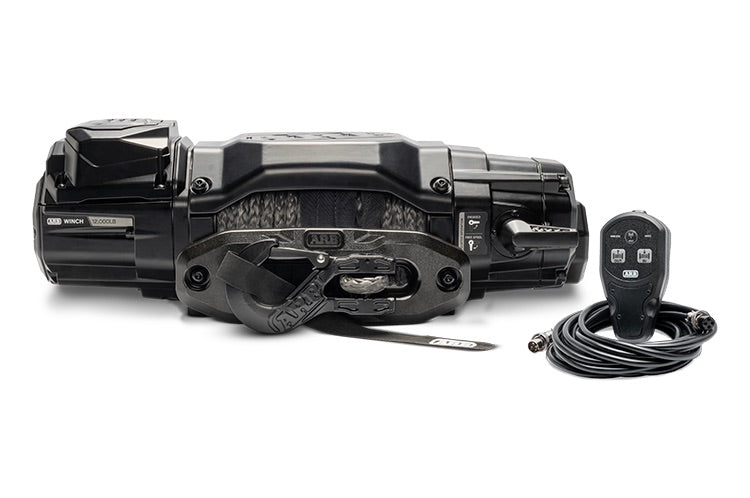
- Remote controls: Wipe with a damp cloth, avoid submerging in water. Check battery compartment for moisture.
- Fairleads: Clean rollers or guides with detergent. Lubricate moving parts lightly.
- Mounting brackets: Inspect for rust or cracks, clean with water, and apply anti-corrosion spray.
Example: A wireless remote left wet can stop working. Always dry it thoroughly and store in a dry place.
Special Tips For Saltwater And Muddy Conditions
If you use your winch in saltwater or heavy mud, you need extra steps:
- Rinse every part with fresh water immediately after use.
- Use anti-corrosion spray on all metal parts.
- Check seals and waterproofing. Saltwater can seep into small gaps and cause hidden corrosion.
- Clean mud from under the drum and inside the cable wraps. Mud hardens and can block smooth cable movement.
Data point: According to marine repair experts, saltwater exposure increases corrosion risk by 2–3 times compared to freshwater. Regular rinsing and anti-corrosion treatment can reduce this risk by 70%.
How Often Should You Clean Your Winch?
The right cleaning frequency depends on how and where you use your winch. Here’s a simple guide:
| Usage Type | Recommended Cleaning | Notes |
|---|---|---|
| Boating (saltwater) | After each outing | Saltwater is highly corrosive |
| Off-road (mud/sand) | After every trip | Mud and sand cause wear |
| Industrial (heavy use) | Weekly | High loads demand frequent care |
| Light use (home/trailer) | Monthly | Low risk, but check for dust |
Non-obvious insight: Even if your winch looks clean, dust and moisture can hide inside. A quick monthly inspection helps spot early signs of trouble.
Best Practices To Extend Winch Life
Cleaning is just one part of winch care. Follow these best practices for a winch that lasts:
- Store your winch in a dry place, covered if possible.
- Always rinse after saltwater exposure.
- Use only recommended lubricants and greases.
- Check for loose bolts or parts during cleaning.
- Keep remote controls and connectors dry.
- Avoid wrapping the cable/rope too tightly—it can trap moisture and cause internal rust.
- Test the winch after cleaning to ensure smooth operation.
- Replace damaged parts immediately.
- Log each cleaning in a maintenance journal for tracking.
Winch Cleaning: Real-life Example
Let’s look at a practical example. Imagine you just finished a muddy off-road trip. Your winch is covered in dirt, and the cable is caked with mud. Here’s how you clean it:
- Turn off and disconnect the winch.
- Brush off loose mud and dirt.
- Use a damp rag with mild detergent to wash the body and drum.
- Extend the cable fully, wipe clean, and check for damage.
- Dry everything with towels and let air dry.
- Lubricate gears and cable lightly.
- Rewind the cable and test the winch.
A mistake many beginners make is skipping the cable inspection. Mud can hide inside, causing corrosion. By fully extending and inspecting, you avoid sudden failure.

Environmental Considerations
It’s important to clean your winch responsibly. Avoid dumping dirty water or chemicals into the ground or waterways. Use eco-friendly detergents and dispose of waste properly. If you clean your winch near a lake or river, use a mat to catch runoff.
Data: The EPA recommends using biodegradable cleaning agents to protect aquatic life. Choosing mild, non-toxic products reduces environmental impact.
Choosing The Right Cleaning Products
Not all cleaning products are safe for winches. Here’s a quick comparison:
| Product Type | Safe for Winch? | Notes |
|---|---|---|
| Mild detergent | Yes | Non-corrosive, gentle on seals |
| Bleach | No | Damages metal and paint |
| WD-40 | Yes | Water-displacing, prevents rust |
| Silicone spray | Yes | Good for moving parts |
| Acid cleaner | No | Corrosive, avoid use |
| Eco-friendly soap | Yes | Safe for environment |
Tip: Always check the label. If it says “safe for metal and plastics,” it’s usually good for winch cleaning.
When To Seek Professional Help
Sometimes, cleaning is not enough. If you notice:
- Persistent rust
- Electrical problems
- Strange noises
- Jerky movement
- Damaged cable or rope
It’s best to get professional service. A trained technician can inspect inside the winch, replace worn parts, and ensure safe operation.
Frequently Asked Questions
How Long Does It Take To Clean A Winch?
Cleaning a winch usually takes 30–60 minutes. This depends on how dirty it is and if you need to extend the cable fully. If you clean after every use, the process is faster.
Can I Use A Pressure Washer On My Winch?
It’s not recommended. Pressure washers can force water into electrical parts, causing damage. Use a gentle stream or wipe with a damp rag instead.
What’s The Best Lubricant For Winch Gears?
Use winch-specific grease or a light silicone spray. Avoid motor oil or heavy greases, which can attract dirt and cause problems.
Should I Clean My Winch After Every Use?
For saltwater, mud, or heavy use, yes. For light use, clean monthly. Regular cleaning prevents corrosion and failure.
Where Can I Find More Information About Winch Maintenance?
The official Warn Winch website offers expert guides and tips for winch care. You can visit Warn Winch Blog for detailed advice.
Caring for your winch is simple with the right steps. By cleaning regularly and using proper products, you keep your winch strong, reliable, and ready for any job. Don’t let dirt or salt ruin your investment. With these tips, your winch will be ready to help—whenever you need it.