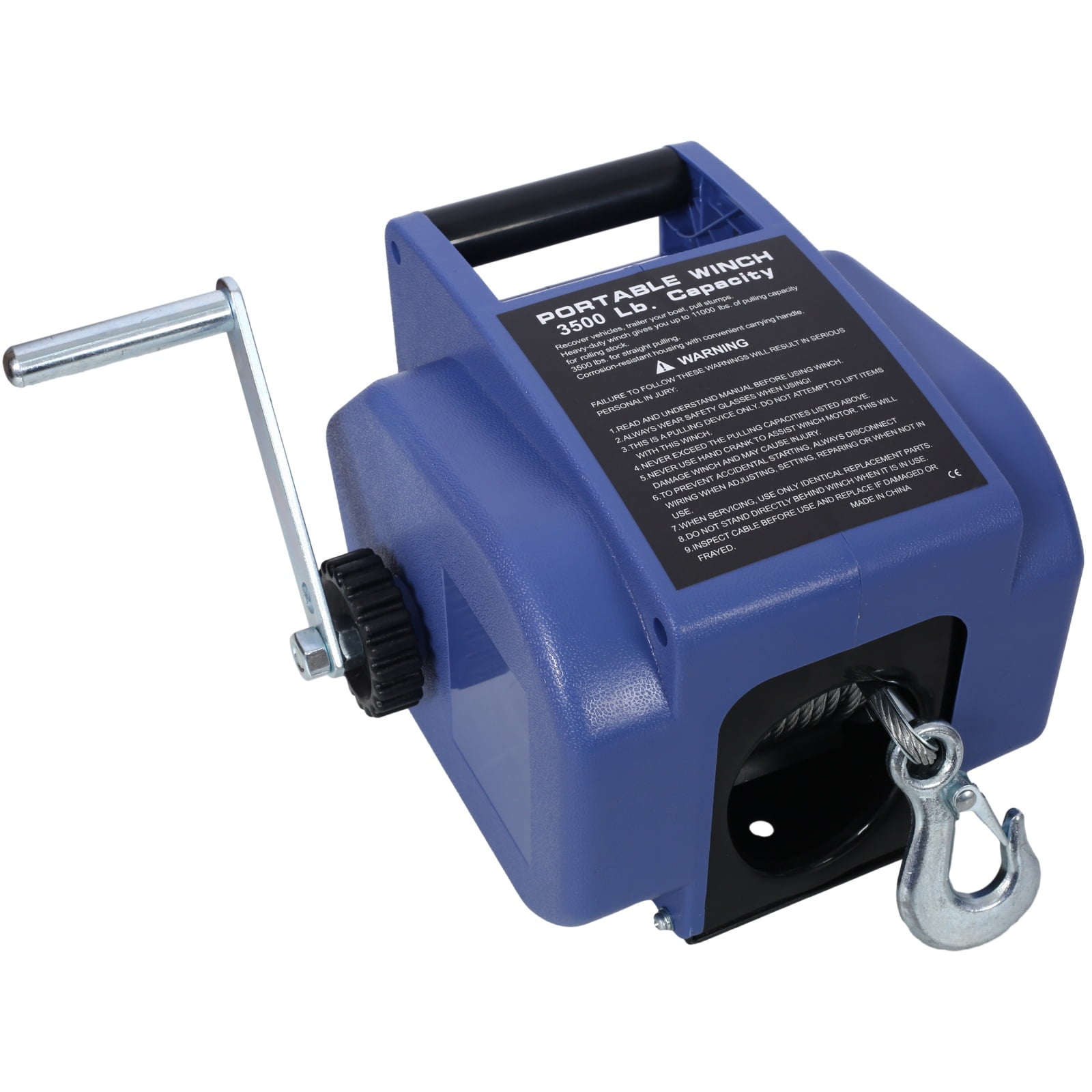
Using a winch can be a lifesaver in tough situations—whether you’re off-roading, working on a construction site, or hauling heavy loads. But even the strongest winch can turn dangerous if used the wrong way. Many people think winches are simple tools, but a single mistake can lead to injuries, damaged equipment, or even fatal accidents. If you want to stay safe and keep your gear in good shape, you need to know what not to do with a winch. This guide will help you avoid the most common and serious mistakes, so you can use your winch with confidence.
Why Winch Safety Matters
A winch is not just a rope and a motor—it’s a powerful machine designed to pull thousands of pounds. When used incorrectly, a winch can snap cables, tip vehicles, and injure people nearby. According to the National Institute for Occupational Safety and Health (NIOSH), over 100 people are injured every year in the US due to improper winch operation. Most accidents happen because users ignore basic safety rules or try to cut corners.

49% off Today's Exclusive Deals
Limited-time Exclusive Deals. Check current discount on Amazon.
Check Price on Amazon As an Amazon Associate I earn from qualifying purchases.If you’ve never seen a winch cable break, imagine a steel whip flying at over 100 mph. That’s why understanding what you should not do with a winch is just as important as knowing how to use it.
Never Overload Your Winch
Every winch has a rated capacity—usually measured in pounds or kilograms. This number tells you the maximum weight the winch can safely pull. If you exceed this limit, you risk breaking the cable, burning out the motor, or damaging the mounting points.
For example, a 9,500 lb winch should never be used to pull a load heavier than 9,500 pounds. Manufacturers often recommend staying below 80% of the rated capacity for regular use. Here’s how different winch sizes compare:
49% off Today's Exclusive Deals
Limited-time Exclusive Deals. Check current discount on Amazon.
Check Price on Amazon As an Amazon Associate I earn from qualifying purchases.| Winch Capacity | Recommended Max Load | Typical Use |
|---|---|---|
| 4,000 lbs | 3,200 lbs | ATVs, small cars |
| 9,500 lbs | 7,600 lbs | Trucks, SUVs |
| 12,000 lbs | 9,600 lbs | Heavy-duty vehicles |
Common mistake: Some people try to winch their vehicle out of deep mud without checking the weight. Mud, sand, or snow can add hundreds or even thousands of pounds to the effective load. Always estimate the total weight before winching.
Do Not Use Damaged Or Worn Equipment
A winch is only as strong as its weakest part. Using a cable, hook, or strap that shows signs of wear can turn a routine recovery into a disaster.
Inspect Before Each Use
Look for these signs:
- Frayed or broken strands in a steel cable
- Cuts, burns, or melted spots in a synthetic rope
- Bent, cracked, or rusty hooks
- Damaged or loose mounting bolts
If you see any of these, replace the part before using the winch. A surprising fact: even a small fray in a steel cable can reduce its strength by up to 50%.
49% off Today's Exclusive Deals
Limited-time Exclusive Deals. Check current discount on Amazon.
Check Price on Amazon As an Amazon Associate I earn from qualifying purchases.Real Example
In 2022, a group in Colorado used a winch with a worn cable to pull a Jeep out of a ditch. The cable snapped, injuring two people and damaging the vehicle. Regular checks would have prevented this accident.
Never Stand Near A Tensioned Cable
When a winch is pulling, the cable or rope is under extreme tension. If it snaps, it can whip through the air with deadly force. You should never stand in the path of the cable, even for a second.
Safe Zones
Always keep clear of:
- The area directly in front of the vehicle being winched
- The area behind the anchor point
- The sides of the cable under tension
Teach everyone nearby to stay back. Use a brightly colored winch blanket or damper to reduce the risk if the cable breaks.
Data On Cable Snap Injuries
According to the US Bureau of Labor Statistics, most winch-related injuries happen because people stand too close to the cable. About 70% of injuries involve flying debris or cables.
Do Not Use The Winch For Lifting
Winches are designed for pulling, not lifting. Using a winch to lift a load vertically is dangerous because:
- The winch brake may not hold the load
- The cable could slip or snap
- The load can swing and cause injury
If you need to lift something, use a proper hoist or crane designed for vertical loads. Winches do not meet safety standards for lifting people or heavy objects overhead.
Avoid Using A Winch Without Gloves
Winch cables, especially steel ones, often have sharp strands or burrs. Handling them without gloves can cut your hands, embed metal splinters, or cause serious injury.
Why Gloves Matter
- Protect against cuts from frayed wires
- Prevent burns from synthetic rope friction
- Improve grip when winding or unwinding the cable
Tip: Use heavy-duty leather gloves. Thin fabric gloves may not protect against sharp steel strands.
Do Not Use Improper Anchor Points
The anchor point is what holds your winch in place while you pull. If you attach your winch to a weak or unstable anchor, you risk pulling the anchor loose, damaging property, or injuring bystanders.
Choosing The Right Anchor
- Use a solid tree, large rock, or properly rated recovery point
- Avoid attaching to small trees, fences, or bumpers not designed for winching
- Use a tree saver strap to protect trees and distribute force
Here’s a comparison of anchor points:
| Anchor Type | Strength | Safety |
|---|---|---|
| Large tree | High | Very safe (with tree strap) |
| Small tree | Low | Risk of uprooting |
| Rock | Medium-High | Safe if stable |
| Fence | Very low | Unsafe |
| Vehicle recovery point | High | Safe if rated |
Non-obvious insight: Some new winch users try anchoring to a tow ball. This is extremely dangerous—tow balls can snap off and become deadly projectiles. Always use recovery points designed for winching.
Never Use A Winch Without Reading The Manual
Every winch has unique controls, safety features, and maintenance needs. Skipping the manual means missing out on critical information, like:
- Correct cable winding direction
- Maximum duty cycle (how long you can run the winch before cooling down)
- Emergency release procedures
Example: Some winches have a thermal cut-off to prevent overheating, while others do not. If you run a winch too long, the motor can burn out. Always check the manual for details.
Do Not “shock Load” The Winch
Shock loading happens when you suddenly jerk the winch cable, either by accelerating too fast or by letting the cable go slack and then pulling tight. This can:
- Snap the cable or rope
- Damage the winch gears
- Break mounting points
Always apply force gradually. Winch slowly and steadily. If you get stuck, stop and reassess instead of jerking the cable.
Never Use A Winch Alone In Remote Areas
Winching can be dangerous, especially if something goes wrong. It’s safer to have at least one other person with you when winching in the wilderness or remote areas. If you get injured or stuck, a helper can call for help or assist with recovery.
Tip: Always carry a phone, radio, or emergency beacon. Let someone know your plans before heading out.
Do Not Let The Cable Overlap Or Tangle
If the winch cable is wound unevenly, overlaps, or gets tangled, it can damage the cable, cause uneven loading, and reduce pulling power. Always spool the cable neatly, layer by layer, and avoid sharp bends.
How To Spool Correctly
- Keep tension on the cable while winding in
- Guide the cable evenly across the drum
- Stop and fix tangles immediately
A tangled cable can cut its strength by up to 30%, and may jam the winch.
Avoid Using The Winch Motor Continuously Without Breaks
Winch motors generate heat quickly. Running the winch for too long without breaks can cause overheating, motor failure, or even fire.
Duty Cycle Explained
Most winches have a duty cycle—a recommended maximum time you can run the winch before letting it cool. For example, a typical winch may allow 2 minutes of operation, followed by a 10-minute cooling period.
| Winch Model | Max Run Time | Cooling Time |
|---|---|---|
| Warn VR EVO 10 | 2 min | 10 min |
| Smittybilt X2O | 3 min | 8 min |
| Superwinch Tiger Shark | 1.5 min | 10 min |
Non-obvious insight: Even short bursts of heavy pulling can heat the motor quickly. Always monitor the temperature and follow the manufacturer’s advice.
Do Not Use A Winch To Tow Vehicles At High Speed
A winch is not designed for towing vehicles at speed. The cable, hook, and gears are built for slow, controlled pulling. Trying to tow a vehicle quickly can cause:
- Cable failure
- Hook detachment
- Damage to both vehicles
If you need to tow, use a proper tow strap or chain, and drive slowly.
Never Use The Winch Without Proper Recovery Gear
Winching often requires extra gear, such as:
- Snatch blocks (to change direction or double pulling power)
- Shackles (for secure connections)
- Recovery straps
- Dampers
Using only the winch without these tools can limit your options, reduce safety, and risk equipment failure.
Tip: Invest in a complete recovery kit. It can make winching safer and more effective.
Do Not Ignore Environmental Hazards
Winching in rain, snow, or mud can make the process more risky. Wet cables can slip, mud can hide hazards, and cold weather can make cables brittle.
What To Watch For
- Slippery surfaces: Vehicles or anchor points can shift unexpectedly.
- Hidden obstacles: Rocks or roots may snag cables.
- Weather: Cold can reduce cable flexibility.
Always assess the environment before winching. If conditions are dangerous, wait or find another solution.
Avoid Using The Winch With An Inadequate Battery
Winches draw a lot of power, often more than 400 amps under heavy load. If your battery is weak or undersized, the winch may not operate properly. This can cause:
- Slow or uneven pulling
- Electrical system failure
- Battery drain
Tip: Use a battery rated for high output. Consider a dual battery setup for off-roading.

Never Leave Winch Cable Unattended Under Tension
Leaving a winch cable under tension without supervision is dangerous. The cable may snap, slip, or release unexpectedly. Always monitor the winch while in use, and release tension as soon as the job is finished.
Do Not Use A Winch On Slopes Without Extra Precautions
Winching on a slope increases risk. The vehicle may roll, slide, or tip. Use wheel chocks, engage the parking brake, and never rely only on the winch to hold the vehicle.
Example: In 2021, an off-roader in Utah used a winch to pull a Jeep uphill. The Jeep slipped and rolled backwards, causing injury. Wheel chocks would have prevented this.
Never Use A Winch For Purposes Other Than Recovery Or Pulling
Some people try to use winches for tasks like dragging logs, pulling fences, or lifting heavy objects. Only use your winch for vehicle recovery or pulling loads within its rating.
Using a winch for unintended tasks can void your warranty, damage equipment, and create unsafe situations.
Do Not Modify The Winch Or Cable
Modifying a winch or cable—such as splicing synthetic rope, welding hooks, or changing mounting brackets—can weaken the system and cause failure. Always use factory parts and follow manufacturer instructions.
Common mistake: Some users cut cables to fit, then attach a new hook using a bolt. This can reduce strength by 40% or more.
Do Not Ignore Routine Maintenance
Winches need regular care:
- Clean and lubricate cables
- Check electrical connections
- Inspect mounting bolts
Neglecting maintenance can lead to sudden failures when you need the winch most.
Tip: After every heavy use, spend 10 minutes checking the winch. It can save hours of trouble later.
Never Let Children Operate The Winch
Winches are not toys. Only adults with proper training should use them. Keep children away from the winch and cable during operation.

Do Not Use A Winch If You Are Unfamiliar With Its Controls
If you don’t understand how your winch works, don’t experiment. Ask for help, read the manual, and practice in a safe environment.
Frequently Asked Questions
What Happens If I Overload My Winch?
Overloading a winch can cause the cable to snap, the motor to burn out, or the mounting points to fail. The results can be dangerous—flying cables or heavy loads can cause injury or damage. Always check your winch’s rated capacity and stay within safe limits.
Can I Use A Winch To Lift Objects Vertically?
No. Winches are designed for pulling, not lifting. The brake may not hold the load, and the cable is not rated for vertical lifting. For safe lifting, use a hoist or crane designed for that purpose.
How Often Should I Inspect My Winch?
Inspect your winch before every use, and perform a full check after heavy recovery jobs. Look for cable wear, damaged hooks, loose bolts, and signs of overheating. Regular maintenance keeps your winch safe and reliable.
Is It Safe To Anchor A Winch To A Tow Ball?
Never anchor a winch to a tow ball. Tow balls are not designed for winching forces and can break off, turning into dangerous projectiles. Use a proper recovery point or rated shackle.
Do Synthetic Winch Ropes Need Special Care?
Yes. Synthetic ropes are lighter and safer than steel cables but are more sensitive to abrasion, UV light, and chemicals. Always use a winch blanket, inspect for cuts, and keep them clean and dry.
Using a winch safely means knowing what not to do. Most accidents happen not because the winch fails, but because someone ignores basic rules or tries to save time. By avoiding these common mistakes, you protect yourself, your gear, and everyone around you. If you want more detailed winch safety advice, check out NIOSH for trusted information. Remember, a winch is a tool—not a shortcut. Respect it, and it will serve you well for years to come.