Most BMW 5 Series models use staggered 245/45R18 front and 275/40R18 rear sizes, with variations.
As a longtime auto writer and weekend BMW owner, I’ll guide you through what tire size does the BMW 5 Series use? I know the lineup well. I’ve measured tire placards, swapped sets, and tested ride and handling on multiple 5 Series generations. This article breaks down factory sizes by model and year, explains tire codes, covers upgrade options, and offers real-life tips so you pick the right tire for your BMW 5 Series.

49% off Today's Exclusive Deals
Limited-time Exclusive Deals. Check current discount on Amazon.
Check Price on Amazon As an Amazon Associate I earn from qualifying purchases.
Overview: what tire size does the BMW 5 Series use?
BMW fits the 5 Series with several factory sizes. The exact choice depends on model year, trim, engine, and wheel option. Common stock sizes include:
- 245/45R18 front and 275/40R18 rear on many rear-wheel-drive and AWD models with staggered wheels.
- 245/50R17 on base-wheel packages for older or comfort-focused trims.
- 245/40R19 and 275/35R19 on sport packages and M Sport options.
- 245/35R20 and 285/30R20 on high-performance or optional 20-inch wheels.
These reflect typical factory fitments across the F10, G30, and newer generations. Always check your vehicle placard or owner’s manual for the exact size for your car.
49% off Today's Exclusive Deals
Limited-time Exclusive Deals. Check current discount on Amazon.
Check Price on Amazon As an Amazon Associate I earn from qualifying purchases.
Factory tire sizes by generation and trim
Below are common factory sizes by model generation. These are general patterns. Exact size can vary with options.
F10 (2010–2017)
- Base and luxury trims: 245/45R18 all around or 245/50R17 on some markets.
- Sport and M Sport: 245/40R19 front, 275/35R19 rear.
- M5: staggered high-performance sizes such as 265/35R19 and 275/35R19.
G30 (2017–present)
49% off Today's Exclusive Deals
Limited-time Exclusive Deals. Check current discount on Amazon.
Check Price on Amazon As an Amazon Associate I earn from qualifying purchases.- Base 5 Series: 245/50R17 or 245/45R18 depending on package.
- Premium and M Sport: 245/45R18 front, 275/40R18 rear.
- Optional 19-inch: 245/40R19 and 275/35R19.
- M550i or M Performance: 245/35R20 and 285/30R20 on some trims.
Newer EV or hybrid variants may use low-rolling-resistance sizes tuned for efficiency.
How to confirm
- Check the sticker on the driver’s door jamb for exact tire size and pressure.
- Look in the owner’s manual.
- Inspect the sidewall of the current tire for the size code.
How to read tire size codes (so you can decode any BMW fitment)
Tire codes look like 245/45R18 98W. Here’s what each part means.
- 245 — Tire width in millimeters from sidewall to sidewall.
- 45 — Aspect ratio. Height is 45% of the width.
- R — Radial construction.
- 18 — Wheel diameter in inches.
- 98 — Load index. Higher number means greater load capacity.
- W — Speed rating. Letter maps to top speed capability.
Example: 275/40R18 101Y means 275 mm wide, 40% tall, fits 18-inch wheel, load index 101, speed rating Y.
Reading this helps when you need to match replacements or upgrades. Always match load index and speed rating to or above the factory spec.
Upgrading tires: options, benefits, and drawbacks
Many owners ask: can I go wider or larger on my 5 Series? Short answer: yes, but with rules.
Benefits of upsizing
- Better grip and sportier look on wider tires.
- Sharper cornering with lower-profile tires.
- Larger wheels allow bigger brakes clearance.
Drawbacks and risks
- Harsher ride with lower-profile tires.
- Speedometer and odometer drift if overall diameter changes.
- Possible rubbing if you exceed wheel well clearance.
- Higher cost for tires and wheels.
Practical upgrade tips
- Keep overall diameter within 3% of stock to avoid speed reading errors.
- If using staggered fitment, match widths to maintain handling balance.
- Use spacers or roll fenders only with expert fitment checks.
- Choose tires with comparable load index and speed rating.
I once swapped a 5 Series from 18-inch to 19-inch sport wheels. The car looked sharper. Handling improved. Ride got firmer. I learned to pick tires that matched my driving style, not just the wheel size.
Matching tires: load index, speed rating, and fitment rules
When replacing tires for a BMW 5 Series, follow these rules.
- Match the load index to at least the factory rating.
- Use the same or higher speed rating as original tires.
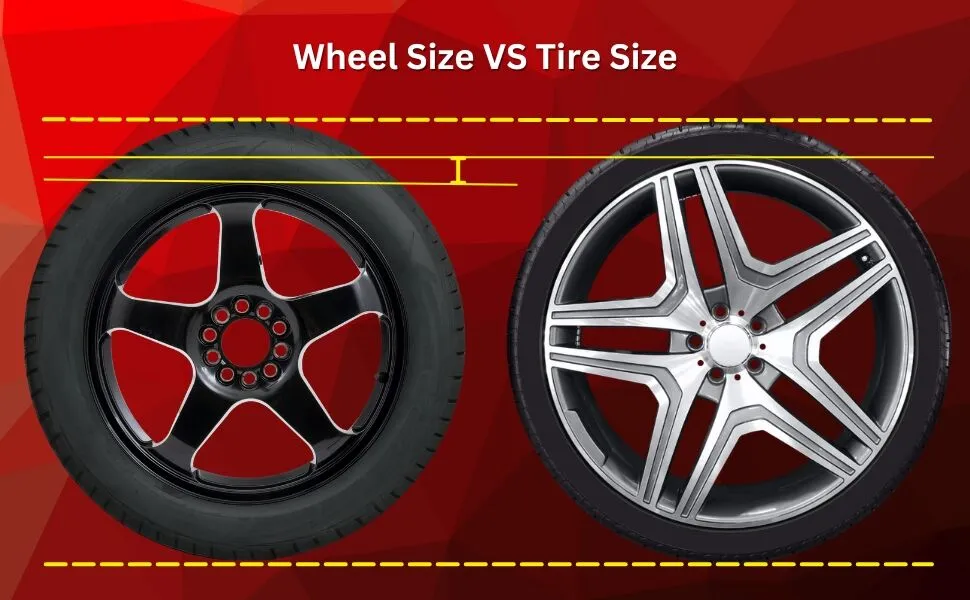
- Keep sidewall height close to stock for correct handling and clearance.
- For AWD models, keep the same overall rolling radius on all four tires to avoid drivetrain stress.
Staggered fitment notes
- Many BMW 5 Series cars use wider rear tires for traction.
- If rotating tires, follow BMW’s recommended rotation pattern or use directional tires only on same-side positions.
Common tire brands and recommended types
BMW 5 Series drivers often choose tires based on season and performance needs.
Summer performance
- Ultra-high-performance (UHP) tires provide grip in warm weather.
- Good for spirited driving on sports trims.
All-season
- Balanced for wet, dry, and mild winter use.
- Great for daily drivers in mild climates.
Winter tires
- Use dedicated winter tires in cold or snowy areas.
- They improve safety and braking in winter.
Premium brands often matched to BMW specs include touring and UHP lines sized for common BMW 5 Series fitments.
PAA-style questions (brief answers)
Q: Can I fit larger wheels on my BMW 5 Series?
A: Yes. Keep the overall tire diameter within 3% of stock. Check clearance and maintain load and speed ratings.
Q: Are staggered tires required on the BMW 5 Series?
A: Not required. Many models come staggered from the factory for traction. Front and rear sizes can match for easier rotation.
Q: Will changing tire size affect fuel economy?
A: Yes. Larger or wider tires can reduce efficiency slightly. Low-rolling-resistance tires help minimize this impact.

Practical tips and personal experience
Tip checklist before buying
- Verify the driver’s door placard for factory size.
- Note the load index and speed rating.
- Decide on season: summer, all-season, or winter.
- Stick to a reputable tire shop for mounting and balancing.
My own experience
- I once chose wider tires on a 5 Series for better corner grip. The result was improved handling but a firmer ride and slightly lower mpg. I kept the wheel diameter constant to avoid speedometer errors. That balance worked best for my roads and driving style.
Lessons learned
- Ask for a test drive on different tire types.
- Don’t upsize for looks alone. Consider comfort and cost.
- Always keep a matched set for AWD models.
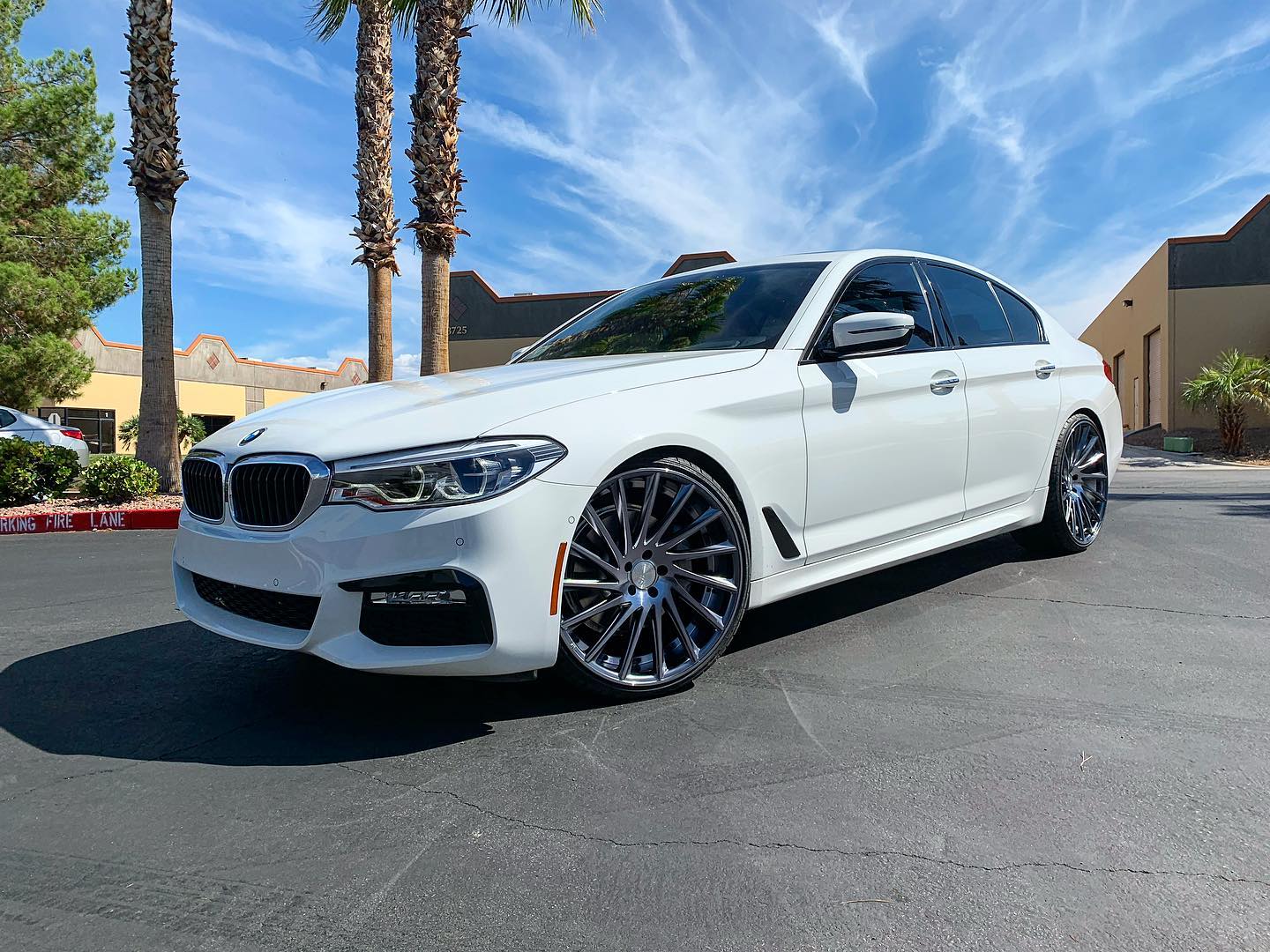
Frequently Asked Questions of What tire size does the BMW 5 Series use?
What tire size does the BMW 5 Series use for the base model?
The base model often uses 245/50R17 or 245/45R18 depending on the year and market. Check the driver’s door placard to confirm.
What tire size does the BMW 5 Series M Sport use?
M Sport trims commonly use staggered sizes like 245/45R18 front and 275/40R18 rear, or 19-inch equivalents. Exact sizes vary by model year.
What tire size does the BMW 5 Series M5 use?
The M5 typically uses wider, high-performance staggered sizes, such as 265/35R19 front and 275/35R19 rear, with variations on newer models.
Can I replace BMW 5 Series tires with different sizes?
Yes, you can, but you should keep overall diameter within 3% and match load and speed ratings. Verify clearance and drivetrain compatibility first.
How do I find the exact tire size for my BMW 5 Series?
Check the driver’s door jamb sticker, the owner’s manual, or the current tire sidewall. Those sources list the factory size and recommended pressures.
Conclusion
Choosing the right tire comes down to matching the factory specs and your driving needs. Knowing what tire size does the BMW 5 Series use? helps you pick safe, effective replacements. Use the driver’s door placard as your primary guide, match load and speed ratings, and think about seasons and driving style before upgrading. Try different tires if you can, and ask a tire pro for fitment checks.
Act now: check your door placard, compare options, and pick tires that match both your BMW 5 Series and your driving life. Leave a comment if you want help choosing a tire size for your specific model.