Leaking air springs, failed compressors, valve block faults, sensor errors, and ride-height sag are the most common issues.
I’ve spent years working with high-end cars and diagnosing air systems. This article breaks down the common air suspension problems in the Mercedes-Benz S-Class with clear causes, symptoms, diagnostics, repair options, costs, and prevention tips. Read on to learn how to spot issues early, make smart repair choices, and keep your S-Class riding smoothly.

49% off Today's Exclusive Deals
Limited-time Exclusive Deals. Check current discount on Amazon.
Check Price on Amazon As an Amazon Associate I earn from qualifying purchases.
Overview of common air suspension problems in the Mercedes-Benz S-Class
The Mercedes-Benz S-Class uses an air suspension system to give a smooth ride and adjustable height. The common air suspension problems in the Mercedes-Benz S-Class include air spring leaks, compressor failures, control valve block faults, level sensor issues, and electrical or software glitches. These parts work together, so one failing part often leads to multiple symptoms. Early detection saves money and prevents secondary damage.

49% off Today's Exclusive Deals
Limited-time Exclusive Deals. Check current discount on Amazon.
Check Price on Amazon As an Amazon Associate I earn from qualifying purchases.Symptoms and warning signs to watch for
When you know the signs, you can catch the common air suspension problems in the Mercedes-Benz S-Class early.
- Noticeable sag at one corner or the whole car sitting low.
- Frequent compressor runs or loud compressor noise when the car is parked.
- Dashboard warnings such as suspension fault messages or amber lights.
- Harsh or bouncy ride despite the car being on the correct setting.
- Uneven tire wear and poor handling during turns.
Look and listen. A slow leak often causes the compressor to run more often. I once fixed an S-Class that had a leaky rear bag. The owner ignored soft ride for months and the compressor burned out.

Main causes behind these problems
Several root causes drive the common air suspension problems in the Mercedes-Benz S-Class.
49% off Today's Exclusive Deals
Limited-time Exclusive Deals. Check current discount on Amazon.
Check Price on Amazon As an Amazon Associate I earn from qualifying purchases.- Age and rubber deterioration cause air spring cracks and leaks.
- Moisture and dirt shorten compressor life and clog valves.
- Corrosion or road damage harms air lines and fittings.
- Electrical faults or failed height sensors confuse the control module.
- Software calibration issues after repairs can lead to wrong ride height.
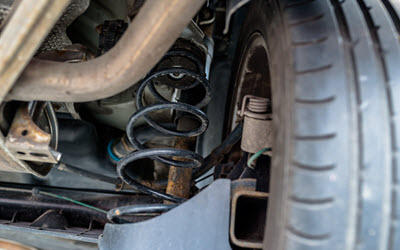
In my shop, air springs on older S-Class models often split at the bead where the rubber meets the rim. That small crack lets air escape and triggers a cascade of faults.
How technicians diagnose air suspension issues
A clear diagnostic routine helps pinpoint the cause and avoid needless parts replacements.
- Visual inspection of bags, lines, and fittings for visible leaks or damage.
- Listen for hissing and use soapy water to find small leaks.
- Monitor compressor current draw and runtime with a scan tool.
- Read fault codes from the suspension control module and check sensor voltages.
- Perform a ride-height and leak-down test to confirm system integrity.
I recommend asking the shop to show you live data from the car’s control module. Seeing ride-height numbers change tells you whether sensors or the compressor are responding.
Repair options and estimated costs
Repair choices vary by symptom and model year. Costs depend on parts quality and labor rates.
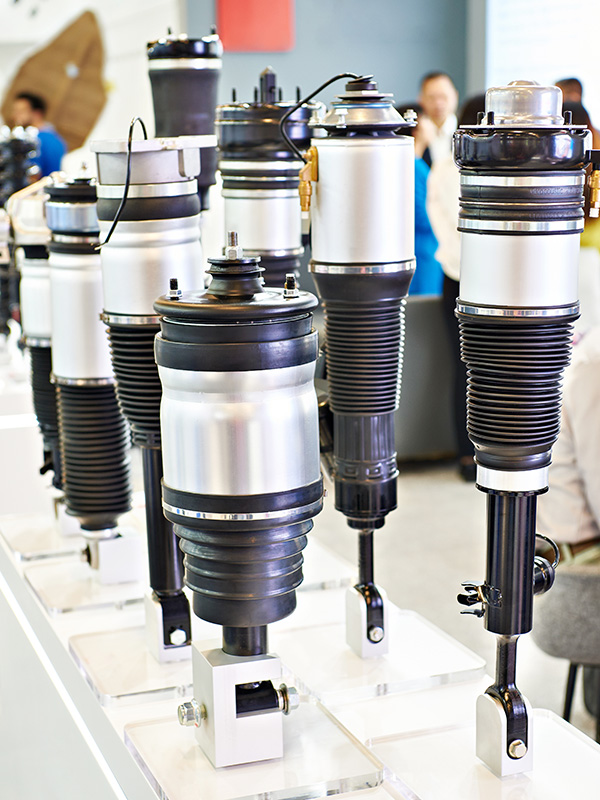
- Replace a single air spring: moderate cost; often straightforward.
- Replace both rear or both front bags: higher parts cost for balance and reliability.
- Compressor replacement: moderate to high cost if the compressor is seized or burnt.
- Valve block replacement or repair: can be expensive due to labor and part cost.
- Full system overhaul (compressor, valve block, sensors, bags): the highest cost but best long-term solution.
Typical cost ranges (ballpark):
- Single air spring: $300–$900 installed.
- Compressor: $800–$1,800 installed.
- Valve block: $600–$1,500 installed.
- Full system repair: $2,000–$6,000+.
Parts from dealers cost more but match factory specs. Aftermarket parts can save money but vary in quality. I once fitted OEM-style bags and cut long-term costs by avoiding repeat failures.

Preventive maintenance and best practices
Preventing the common air suspension problems in the Mercedes-Benz S-Class is often cheaper than fixing them.
- Inspect the system visually at every service interval or when you notice ride changes.
- Keep the undercarriage clean to reduce moisture and salt corrosion.
- Replace worn bags in pairs to avoid imbalance and extra stress on the compressor.
- Use the correct tire pressures and avoid heavy loads that strain the system.
- After repairs, ask for a full system bleed and software check to ensure proper calibration.
A simple preventive tip: if you live in a salty climate, rinse the underside in winter to limit corrosion. That step saved one owner hundreds in valve block repairs.

Common quick questions (PAA-style)
Why does my S‑Class sag on one side?
A sag on one side is usually a leaking air spring or a failed air line on that corner. Check for visible damage and listen for hissing.
Why does the compressor run all the time?
Constant compressor activity often means the system has a leak or a faulty valve is letting air escape. Measure runtime and do a leak-down test.
Can I drive with a failed air spring?
You can drive short distances at low speeds, but do not carry heavy loads. Driving long with a failed spring can damage the compressor and other parts.
Practical tips from experience and mistakes to avoid
A few practical lessons I learned working on S-Class air systems.
- Replace both springs on an axle rather than just the failed side to ensure even wear.
- Don’t ignore early noises; compressors that run more often fail faster.
- Use quality replacement parts and have a shop program the suspension control module if needed.
- Ask for a written inspection showing which components failed and why.
One mistake I see often is replacing just the compressor when leaky bags caused the failure. That leads to a second shop visit and higher total cost.
Related concepts and components to understand
Knowing nearby systems helps you diagnose and prevent problems.
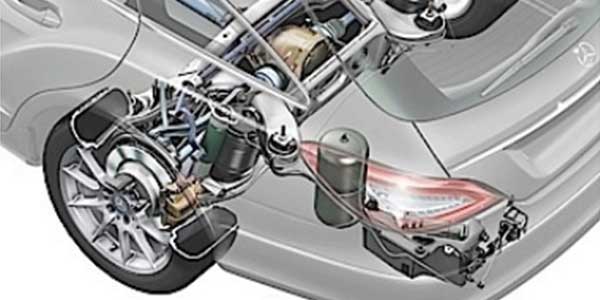
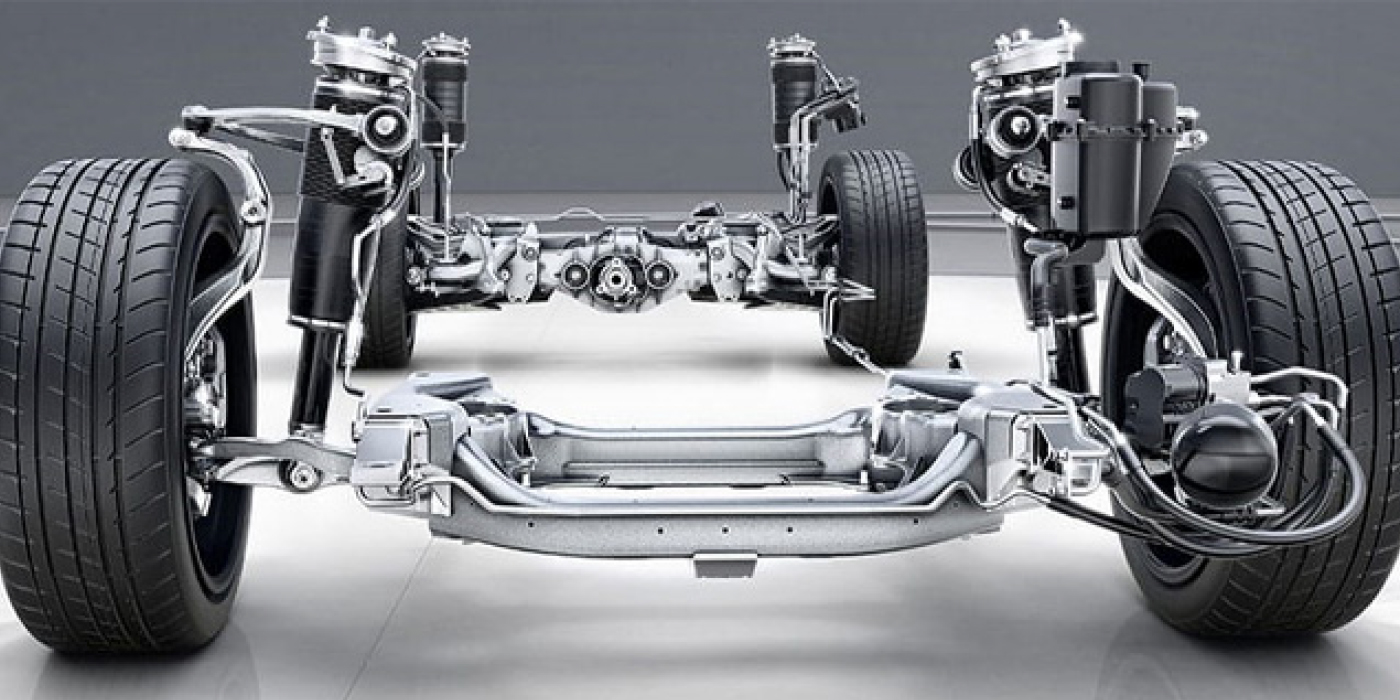
- Height sensors measure ride level and tell the control module when to adjust.
- Valve block directs air to each air spring to raise or lower the car.
- Air dryer or accumulator (when present) removes moisture from the system.
- Control module stores fault codes and controls compressor cycles.
Understanding these parts reduces guesswork during repairs and gives you confidence when discussing fixes with a technician.
When to consider professional service vs DIY
Deciding between DIY and a pro depends on skill, tools, and warranty concerns.
- DIY may work for visual inspections, replacing a bag, or swapping simple parts if you have tools and a lift.
- Professional service is best for electrical faults, valve block replacement, compressor swaps, and module coding.
- Always weigh the risk: a mistake can leave you with a sagging car or higher long-term cost.
If you lack diagnostic tools or electrical experience, it’s safer to go pro. I’ve fixed many cars where an initial DIY repair missed an electrical fault that only showed with live data.
Frequently Asked Questions of What are the common air suspension problems in the Mercedes-Benz S-Class?
What causes air suspension to fail on an S-Class?
Air suspension fails from worn rubber air springs, moisture damage to the compressor, corroded valves or control lines, and sensor or module faults. Age and exposure to salt or dirt speed up wear.
How long do air springs last on a Mercedes S-Class?
Air springs typically last 5–12 years depending on use, climate, and maintenance. High-mileage or harsh environments shorten lifespan.
Is air suspension expensive to fix on an S-Class?
Repairs can be costly compared to coil springs, especially if multiple components fail. Replacing a single bag is affordable, but full system repairs are expensive.
Can a bad sensor mimic a leak?
Yes. A faulty height sensor or wiring issue can make the control module think there is a leak and overwork the compressor. Proper diagnostics confirm the cause.
Are aftermarket parts reliable for S-Class air suspension?
Aftermarket parts vary. Some offer good value, but OEM parts provide the best fit and reliability. Choose parts with warranty and good reviews.
How do I check for air leaks at home?
Park the car at ride height, listen for hissing, then spray soapy water on bags, lines, and fittings to find bubbles. Note where bubbles form and have those parts inspected.
Should I replace the compressor after an air spring leak?
Not always. If the compressor is in good condition, replace the leaking springs and test. If the compressor has run excessively or shows electrical issues, replace it too.
Conclusion
Air suspension brings luxury and control to the Mercedes-Benz S-Class, but it also brings a set of common issues like leaking air springs, failing compressors, valve block faults, and sensor errors. Spot symptoms early, run basic diagnostics, and choose repairs wisely to avoid repeat failures. Take proactive steps: inspect regularly, replace parts in pairs, and use quality components. If you’re unsure, consult a skilled technician and ask for live-data proof of repair.
Ready to protect your S-Class ride? Schedule an inspection, keep a maintenance log, or ask a trusted shop for a system check. Share your experiences or questions below — I’ll help you troubleshoot.