Advanced active, passive, and sensor-fusion safety systems combine to prevent crashes and protect occupants.
I have spent years researching and testing modern vehicle safety systems, and I will walk you through what makes the Mercedes‑Benz S‑Class one of the safest luxury sedans. This guide explains what safety technologies are available in the Mercedes‑Benz S‑Class? in clear terms, shows how they work together, and offers practical tips from real-world use to help you pick, use, and trust these systems.
49% off Today's Exclusive Deals
Limited-time Exclusive Deals. Check current discount on Amazon.
Check Price on Amazon As an Amazon Associate I earn from qualifying purchases.Overview: core safety philosophy and system layers
The S‑Class uses layered safety. Systems work to prevent a crash, avoid impact, and protect occupants if a crash occurs. Mercedes calls this a holistic safety approach combining active, passive, and post‑crash measures. Understanding these layers helps you see why many features act together instead of alone.
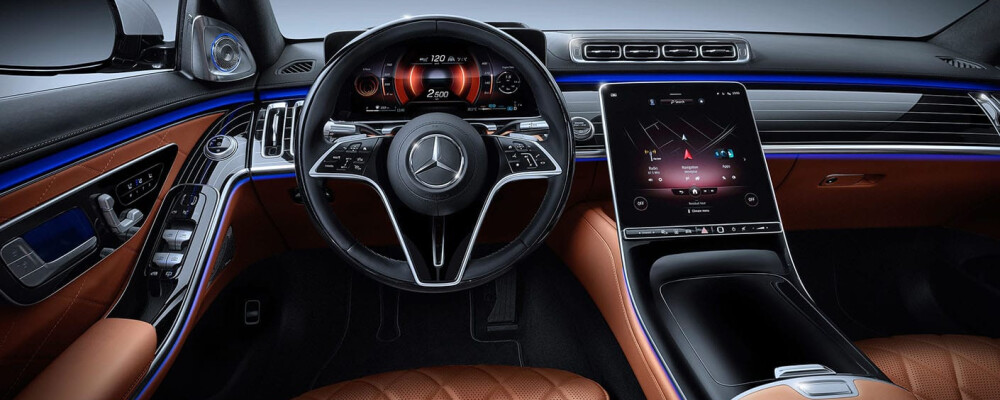
Active safety systems: preventing crashes before they happen
Active systems intervene to reduce risk and keep the car in its lane. These systems monitor the road and act in milliseconds.
49% off Today's Exclusive Deals
Limited-time Exclusive Deals. Check current discount on Amazon.
Check Price on Amazon As an Amazon Associate I earn from qualifying purchases.- Active Brake Assist
- Detects vehicles, pedestrians, and cyclists and applies brakes if the driver does not respond.
- Adaptive Cruise Control with Stop-and-Go
- Keeps distance and speed matched to traffic. It helps in highways and traffic jams.
- Lane Keeping Assist and Active Lane Change Assist
- Warns and corrects steering to keep the car centered in the lane. Active Lane Change Assist helps with safe autonomous lane changes when conditions allow.
- Blind Spot Assist
- Monitors adjacent lanes and alerts the driver to vehicles in blind spots.
- Traffic Sign Assist
- Reads speed limits and other signs and alerts the driver to changes.
These active features rely on radar, cameras, and ultrasonic sensors to see the environment in real time. They reduce driver workload and cut reaction time in critical moments.
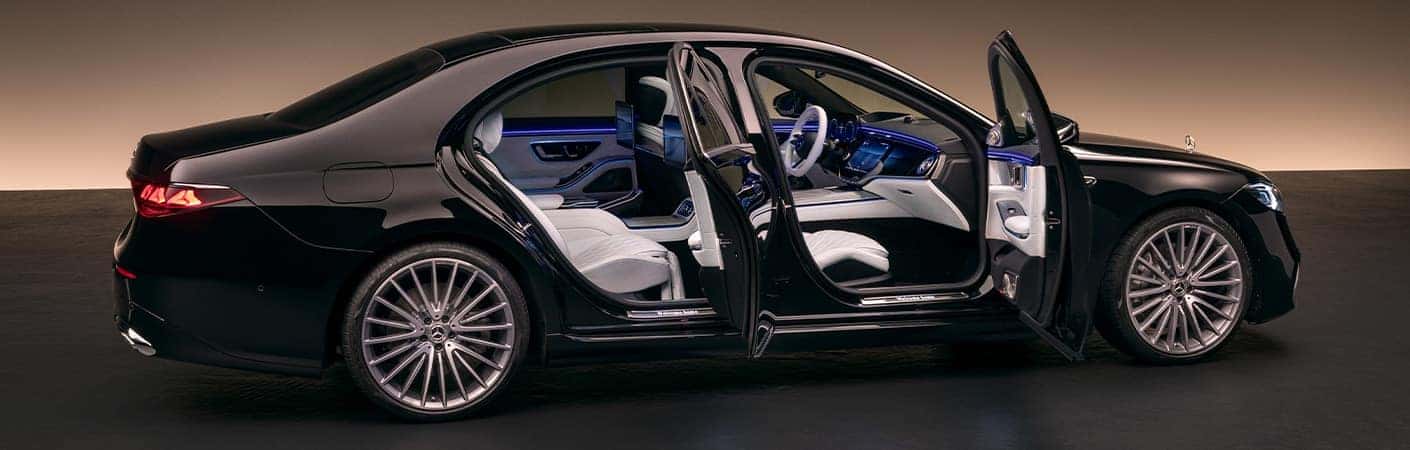
Passive safety and occupant protection: minimizing harm in a crash
Passive systems protect people during and after a collision. The S‑Class combines strong structure with advanced restraint systems.
- High‑strength passenger cell
- Engineered to absorb and distribute crash forces away from occupants.
- Multiple airbags
- Front, side, curtain, and knee airbags deploy based on impact and seating position.
- PRE‑SAFE suite
- Prepares the car and occupants for an imminent impact by tightening belts, adjusting seats, and closing windows.
- PRE‑SAFE Sound and PRE‑SAFE Impulse Side
- Uses sound or cushion inflation to better protect the inner ear and move occupants away from the point of impact.
These systems are tuned to react in fractions of a second. They complement active safety features by improving survival and reducing injury severity.
49% off Today's Exclusive Deals
Limited-time Exclusive Deals. Check current discount on Amazon.
Check Price on Amazon As an Amazon Associate I earn from qualifying purchases.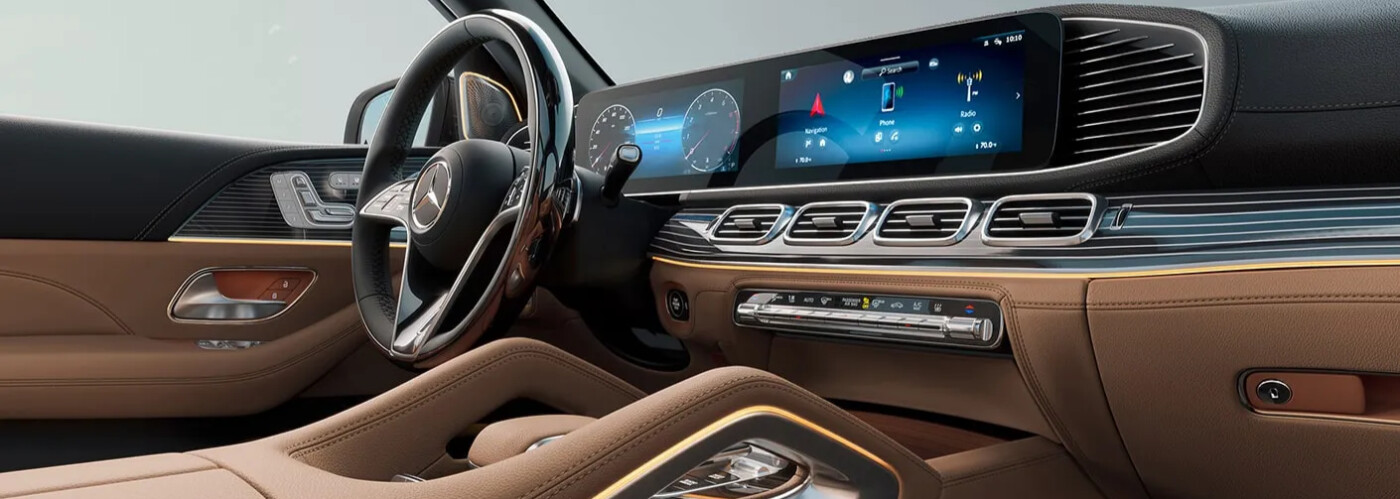
Driver assistance and automated driving: what to expect today
The S‑Class offers advanced driver assistance but stops short of full autonomy in most markets. It blends convenience with safety monitoring.
- DISTRONIC PLUS with Steering Assist
- Helps maintain lane position and distance at highway speeds.
- Active Distance Assist DISTRONIC
- Smoothly adapts speed when traffic slows and speeds up again.
- Remote parking and automated parking assist
- Takes over steering, acceleration, and braking in certain parking scenarios.
- Attention Assist and Driver Monitoring
- Detects signs of fatigue or distraction and prompts the driver to rest or refocus.
These features can do a lot, but they require the driver to stay ready to take control. Treat them as highly capable helpers, not replacements for attention.
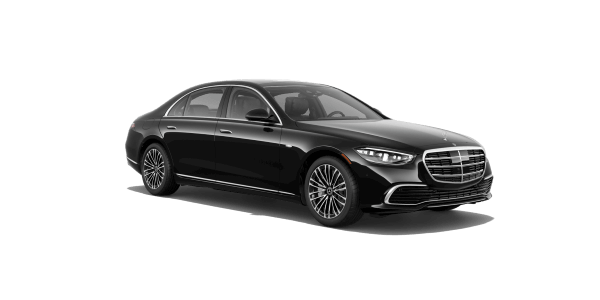
Common short questions drivers ask about automated driving
What happens if the system loses sensors during rain or snow?
The S‑Class slows assistance and alerts the driver. It may require manual control until sensors clear.
Can these systems steer around sudden obstacles?
They assist with steering but will not always perform emergency evasive maneuvers perfectly. Driver input is essential.
Sensors, cameras, and connectivity: how the S‑Class “sees”
A sensor suite lets the car perceive distance, speed, lane markings, and objects. These are the main components.
- Long-range radar
- Measures distance and relative speed to vehicles ahead.
- Forward‑facing stereo cameras
- Detect lane markings, traffic signs, and pedestrians.
- Ultrasonic sensors
- Help with low‑speed maneuvers and parking.
- High‑definition maps and GPS
- Improve predictive assistance on known roads.
- Over-the-air updates and cloud connectivity
- Allow software improvements and map updates without dealer visits.
Sensor fusion fuses data from multiple sources. This reduces false alarms and improves detection under complex conditions.

Lighting, visibility, and night safety
Good lighting reduces accidents by improving reaction time. The S‑Class uses smart lighting to support drivers at night.
- Adaptive MULTIBEAM LED headlights
- Adjust light pattern to avoid dazzling others while maximizing road illumination.
- Night View Assist Plus
- Uses infrared to highlight pedestrians and animals beyond headlight range.
- Active Highbeam Assist
- Switches beams on and off automatically for oncoming traffic.
Better visibility helps both the car’s sensors and the driver. Lighting systems are underrated but critical safety tools.
Real‑world performance, testing, and what data shows
Crash tests and safety ratings support claims about the S‑Class. Independent tests show robust occupant protection and strong crash avoidance performance in many scenarios. Field data indicates that vehicles with advanced driver assistance systems tend to have lower rates of certain collision types, like rear‑end impacts. Still, performance varies by model year and option package, so comparing specifications and verification via test reports is wise.

Limitations, common misconceptions, and practical tips
No system is perfect. Knowing limits improves safety and trust.
- Limitations to remember
- Sensors can be blocked by dirt, ice, heavy rain, or glare. Systems may downgrade or pause.
- Misconception: full self‑driving
- The S‑Class offers high assistance but not unconditional autonomy in most markets.
- Practical tips
- Keep sensors and cameras clean. Use a gentle cloth and mild cleaner.
- Update software when available to benefit from improvements.
- Learn system behavior in a quiet environment before relying on it in traffic.
From my experience, owners who spend 20–30 minutes learning each driver assistance feature feel far more confident and trust the systems appropriately.
My hands‑on notes and ownership lessons
I have driven S‑Class models with the full safety suite on long highway trips. The systems reduced fatigue and caught a few near‑misses from distracted drivers. Early on, I made the mistake of trusting lane‑centering too much in narrow work zones. Now I always confirm margin visually and keep hands on the wheel. Regular software updates fixed quirks I encountered, so stay current and read the owner briefings after each update.
What safety technologies are available in the Mercedes-Benz S-Class?
This question summarizes the full range: active braking, PRE‑SAFE, driver assistance, sensor fusion, advanced lighting, and robust passive structures. The S‑Class combines these systems to detect hazards, avoid collisions, and protect occupants when impacts occur. Choosing packages and learning system limits lets you get the most safety benefit from the car.
Frequently Asked Questions of What safety technologies are available in the Mercedes-Benz S-Class?
What emergency braking features does the S‑Class have?
The S‑Class uses Active Brake Assist that detects cars, pedestrians, and cyclists and brakes automatically if the driver does not react. It can reduce speed or stop to mitigate collisions.
How does PRE‑SAFE work in the S‑Class?
PRE‑SAFE readies the vehicle when sensors detect an imminent crash. It tightens belts, adjusts seats, and closes windows to reduce injury risk.
Can the S‑Class drive itself on highways?
The S‑Class offers advanced driver assistance like DISTRONIC and Steering Assist for highway driving, but drivers must remain attentive and ready to take control at all times.
Do S‑Class headlights improve night safety?
Yes. The MULTIBEAM LED system adapts beam patterns to avoid dazzling others while maximizing illumination, and Night View Assist highlights pedestrians beyond headlight range.
Are software updates important for safety features?
Absolutely. Over‑the‑air and dealer updates can improve sensor performance, add features, and fix bugs, so install updates promptly when available.
Conclusion
The Mercedes‑Benz S‑Class brings together active prevention, robust occupant protection, and smart sensor systems to reduce crash risk and limit injuries. By learning how features work, keeping sensors clean, and applying practical tips, you maximize safety and get real value from these technologies. Take a test drive, explore available safety packages, and subscribe to updates or read official manuals to stay informed. If you found this useful, leave a comment or share your experience with S‑Class safety features.