Most Range Rovers should be serviced every 10,000–12,000 miles or at least once a year.
I’ve worked with premium SUVs and maintained Range Rovers for years, so I know the service needs, common pitfalls, and how small habits extend vehicle life. This article answers How often should a Range Rover be serviced? in practical detail, explains service types, shows what to watch for, and gives cost and maintenance tips you can use today. Read on to get confident, actionable guidance for keeping your Range Rover reliable and protected.

49% off Today's Exclusive Deals
Limited-time Exclusive Deals. Check current discount on Amazon.
Check Price on Amazon As an Amazon Associate I earn from qualifying purchases.
How often should a Range Rover be serviced?
How often should a Range Rover be serviced? The short, reliable rule is service every 10,000–12,000 miles or annually, whichever comes first. Manufacturer schedules vary by model year and engine, but annual service keeps warranty rules satisfied and helps catch issues early. If you drive hard, tow, or go off-road, plan for more frequent checks—sometimes every 6,000–8,000 miles. My experience shows owners who follow the service plan avoid expensive repairs and maintain resale value.

49% off Today's Exclusive Deals
Limited-time Exclusive Deals. Check current discount on Amazon.
Check Price on Amazon As an Amazon Associate I earn from qualifying purchases.Typical Range Rover service intervals and timeline
How often should a Range Rover be serviced? Here’s a clear timeline most owners can follow.
- Every 6,000–8,000 miles or 6 months
- Visual inspections, tire rotation, fluid top-offs if needed.
- Recommended for heavy use or rough terrain.
- Every 10,000–12,000 miles or 12 months
- Full service including oil and filter change, safety checks, software updates.
- This is the standard interval for many newer Range Rover models.
- Every 24 months
- Brake fluid change, deeper inspection of suspension and electronics.
- Every 30,000–60,000 miles
- Replace air filters, cabin filters, and inspect transmission fluid.
- Every 60,000–100,000 miles
- Major service: spark plugs (if petrol), coolant flush, timing component inspection where applicable.
When I managed fleet maintenance, following a calendar-based plan (annual plus mileage milestones) cut unexpected downtime dramatically. Always check your vehicle’s service book or in-car manual for model-specific intervals.
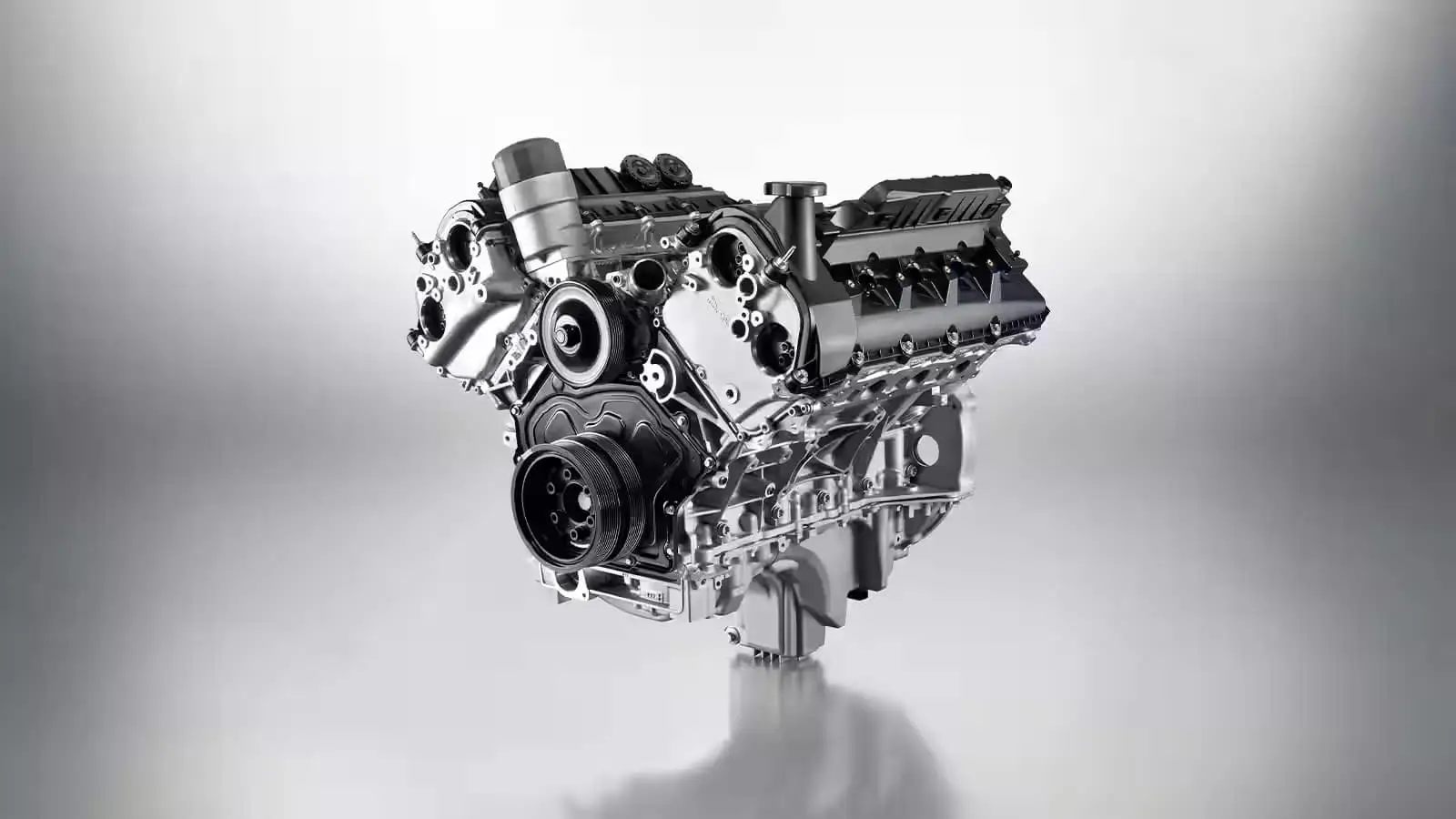
What a typical Range Rover service includes
How often should a Range Rover be serviced? Knowing what’s done at each visit helps you judge value and avoid upsells.
49% off Today's Exclusive Deals
Limited-time Exclusive Deals. Check current discount on Amazon.
Check Price on Amazon As an Amazon Associate I earn from qualifying purchases.- Oil and oil filter change
- Protects the engine and is the most frequent task.
- Multi-point inspection
- Checks brakes, lights, tires, suspension, and steering.
- Software and module checks
- Updates to infotainment and vehicle systems are common on Range Rovers.
- Air filter and cabin filter inspection or replacement
- Improves engine efficiency and cabin air quality.
- Brake system check and brake fluid replacement
- Brake fluid is usually replaced every 2 years.
- Transmission and differential checks
- Fluid inspection or change at longer intervals.
- Battery and charging system test
- Especially important for stop-start engines and hybrids.
From hands-on experience, always ask for a printed checklist or digital report after service. It shows what was inspected and what needs attention later.
Factors that make you service your Range Rover more often
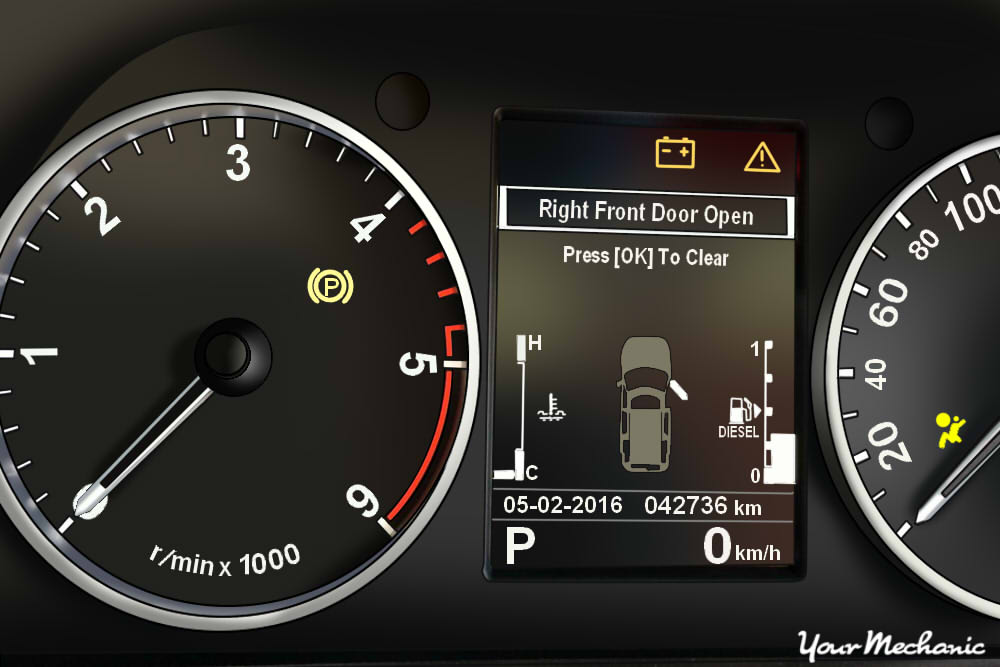
How often should a Range Rover be serviced? It depends on several real-world factors.
- Driving style
- Frequent short trips, aggressive acceleration, and heavy braking increase wear.
- Terrain and weather
- Off-roading, salty roads, and extreme temperatures require closer checks.
- Towing and loads
- Towing increases stress on engine, cooling system, and transmission.
- Model and engine type
- Diesels, hybrids, and supercharged engines have different service needs.
- Age and mileage
- Older vehicles need more frequent inspections and fluid checks.
In my shop, a Range Rover used for daily city commuting got annual service. A vehicle used for off-road trips was checked every 6 months. Adjust the schedule to match your use.

PAA-style quick questions (common short answers)
How often should a Range Rover be serviced? Most owners follow 10,000–12,000 miles or once a year.
Do I need dealer service for a Range Rover? Dealer service is best for warranty and software updates, but reputable independent specialists can be cheaper and competent.
Will skipping service void the warranty? Skipping scheduled maintenance can risk warranty coverage; always keep records.

Cost expectations and ways to save
How often should a Range Rover be serviced? Cost matters when planning service frequency. Typical costs vary by service level.
- Minor service (oil, filter, inspection): $150–$400
- Major annual service (comprehensive checks, parts): $400–$1,000+
- Major repairs or timing/drive unit work: $1,000–$5,000+ depending on parts and labor
Ways to save while maintaining quality
- Use manufacturer service plans if you plan to keep the vehicle long term.
- Compare dealer estimates with certified independent shops experienced with Land Rover systems.
- Keep records and ask for OEM parts only when necessary.
- Preventive maintenance reduces large repair bills later.
I once compared dealer invoices with a specialist shop and saved 30% on routine services without compromising quality. Ask for itemized invoices and prioritize critical repairs.
Maintenance tips to stretch service intervals safely
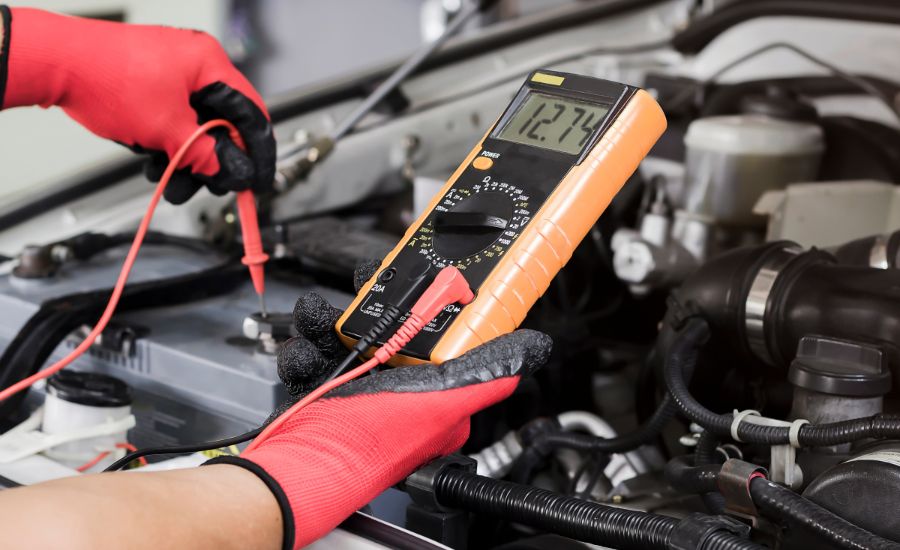
How often should a Range Rover be serviced? You can’t skip necessary services, but you can reduce risk with simple habits.
- Check oil and coolant monthly
- Low levels often point to leaks or consumption.
- Monitor tire pressure and tread wear
- Proper tires improve fuel economy and reduce wear.
- Watch warning lights and behavior
- Strange noises or displays deserve immediate checks.
- Keep software updated
- Many drivability fixes come as software patches.
- Use quality fluids and filters
- Cheap parts can cost more in the long run.
From my experience, owners who do basic monthly checks avoid many trips to the shop. Small, quick checks can prevent big fixes.
How to follow the manufacturer schedule and document service
How often should a Range Rover be serviced? Following the manufacturer schedule protects warranty and resale value.
- Keep the service book updated
- Record mileage and date for every service.
- Request digital service records when available
- Dealers often upload records to manufacturer databases.
- Ask for parts and fluids list
- This helps when comparing quotes or seeking warranty claims.
- Stay on schedule for timed items
- Items like brake fluid and coolant depend on time, not mileage.
I always told clients to get a stamped entry after each service. It builds trust and preserves vehicle value.
Frequently Asked Questions of How often should a Range Rover be serviced?
How often should a Range Rover be serviced for oil changes?
Most owners follow oil changes every 10,000–12,000 miles or once a year, but check the owner’s manual and adjust for heavy use. Frequent short trips or towing may require changes every 6,000–8,000 miles.
Does a Range Rover need dealer service to maintain warranty?
Dealer service is the safest way to preserve warranty coverage, especially for software updates, but certified independent shops that use OEM parts and keep full records can also meet warranty requirements.
How often should brakes and brake fluid be serviced on a Range Rover?
Brake pads are inspected at each service and replaced as needed; brake fluid is typically replaced every 24 months to maintain braking performance and safety. Severe driving conditions may require more frequent checks.
Will servicing more often improve reliability?
Yes. Servicing more often for severe use prevents wear from becoming damage and catches issues before they escalate, improving reliability and lowering long-term costs.
How often should a Range Rover hybrid be serviced?
Hybrids follow similar schedules: annual or 10,000–12,000 mile inspections, but battery and electrical system checks may be needed more often depending on usage and manufacturer guidance.
Conclusion
Regular, timely maintenance is the best way to keep your Range Rover safe, efficient, and valuable. Follow the general guideline of servicing every 10,000–12,000 miles or at least once a year, adjust for driving style and conditions, and keep clear service records. Start today by checking your owner’s manual, scheduling the next service if it’s due, and adopting simple monthly checks to catch problems early. If this helped, leave a comment with your model and driving habits, or subscribe for more practical vehicle-care advice.