Most Range Rover models tow between 3,500 and 7,716 pounds when properly equipped.
I have worked with SUVs and towing setups for years and tested trailers behind luxury 4x4s. This guide explains the towing capacity of a Range Rover in clear terms. You will learn exact numbers by model, what changes capacity, safe towing steps, and practical tips I use myself. Read on to make smart towing choices for your Range Rover.

49% off Today's Exclusive Deals
Limited-time Exclusive Deals. Check current discount on Amazon.
Check Price on Amazon As an Amazon Associate I earn from qualifying purchases.
Towing capacities by Range Rover model
Range Rover towing capacity varies by model, engine, and equipment. Below are typical maximum towing numbers. Always check your owner’s manual and the vehicle placard for your exact figure.
-
Range Rover (full-size)
Typical maximum towing capacity: 7,716 pounds (3,500 kg). This applies to many recent model years when properly equipped.Deal49% off Today's Exclusive Deals
Limited-time Exclusive Deals. Check current discount on Amazon.
Check Price on Amazon As an Amazon Associate I earn from qualifying purchases. -
Range Rover Sport
Typical maximum towing capacity: 7,716 pounds (3,500 kg). The Sport often matches the full-size model when fitted with the tow package. -
Range Rover Velar
Typical maximum towing capacity: 5,512 pounds (2,500 kg). Mid-size luxury SUV with solid towing for trailers and boats. -
Range Rover Evoque
Typical maximum towing capacity: 3,968 pounds (1,800 kg). The compact Evoque has a lower limit compared to larger Range Rovers. -
Range Rover Long Wheelbase variants
Towing capacity often aligns with the standard full-size model but check the manual since length and payload affect limits.Deal49% off Today's Exclusive Deals
Limited-time Exclusive Deals. Check current discount on Amazon.
Check Price on Amazon As an Amazon Associate I earn from qualifying purchases.
These numbers show the common towing capacity of a Range Rover across trims. Your exact towing capacity may differ by model year, engine, and factory options.

What affects the towing capacity of a Range Rover
Several factors change the towing capacity of a Range Rover. Knowing them helps you avoid overload and stay safe.
-
Engine and torque
Larger engines with more torque increase towing ability. Diesel and supercharged gasoline engines usually tow best. -
Transmission and gearing
Transmissions rated for heavy loads and appropriate final drive ratios improve towing performance. -
Factory tow package
A tow package adds a hitch, wiring, cooler upgrades, and sometimes trailer stability systems that raise safe towing limits. -
Braked vs unbraked trailers
Most Range Rovers list higher towing capacity for trailers with their own brakes. Unbraked trailer limits are much lower. -
Gross Vehicle Weight Rating (GVWR) and payload
The vehicle’s own weight capacity limits how much you can hitch. Payload used for passengers and cargo reduces trailer allowance. -
Tongue weight and trailer geometry
Improper tongue weight harms handling. Aim for 10–15% of trailer weight on the hitch for most rigs. -
Tires, suspension, and towing accessories
High-load tires and upgraded suspension help carry trailer loads safely.
These elements combine to define the towing capacity of a Range Rover for your setup. Always use the lowest limiting factor when planning.

Quick PAA-style questions
Can a Range Rover tow a boat?
Yes. Many Range Rover models can tow boats within their rated capacity. Match the boat plus trailer weight to the stated towing capacity of a Range Rover.
Do I need trailer brakes with a heavy trailer?
Typically yes. Trailers approaching the vehicle’s maximum towing capacity usually require their own brakes for legal and safe stopping. Follow local laws and the vehicle manual.
Will adding cargo inside the vehicle reduce towing capacity?
Yes. Added cargo or passengers reduce your available payload and therefore lower how much trailer weight you can safely tow. Check Gross Combined Weight Ratings.

How to tow safely with a Range Rover
Towing safely protects you, your passengers, and other road users. Follow these steps every trip.
-
Confirm towing capacity
Check the owner’s manual and the vehicle placard. Use the lower value between braked and unbraked ratings as applicable. -
Weigh everything
Weigh the loaded trailer, tongue weight, and vehicle payload. Don’t guess. -
Distribute load correctly
Place most cargo in the trailer forward of the axle but keep correct tongue weight. Secure cargo tight. -
Use proper hitch and electrical connections
Use a hitch rated above your trailer weight. Connect trailer lights and test them. -
Fit trailer brakes and controllers when required
Install and set up a brake controller matched to the trailer braking system. -
Monitor cooling and drivetrain stress
Use engine and transmission coolers if recommended. Watch temps on long climbs. -
Drive like you are towing
Brake earlier, accelerate gently, and take wider turns. Avoid sudden maneuvers.
These safe practices help you maximize the towing capacity of a Range Rover without risking damage or crashes.
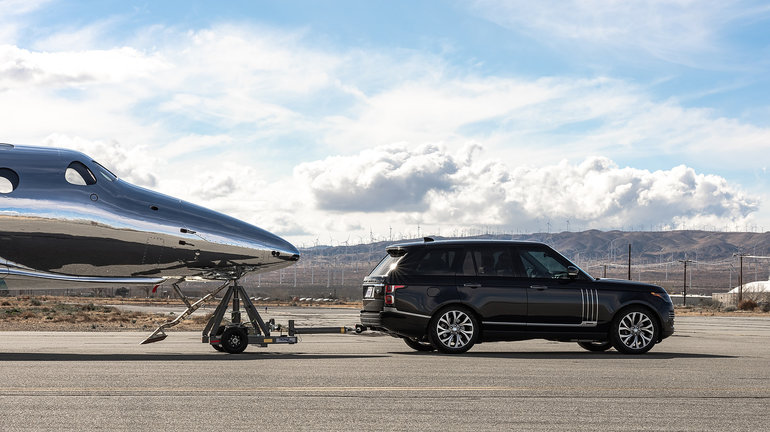
Equipment, legal and maintenance checklist
Before you tow, prepare the vehicle and paperwork. This checklist keeps you legal and reduces risk.
-
Vehicle items to inspect
Tire pressure and condition, brakes, fluid levels, hitch tightness, lighting, mirrors. -
Required equipment
Tow hitch with correct class rating, wiring harness, safety chains, trailer brakes if needed. -
Legal items to verify
Trailer registration and insurance, driver license endorsements, local towing limits and speed laws. -
Maintenance tips
Keep engine and transmission service current. Change fluids if you tow frequently. Replace worn suspension parts.
Following this checklist ensures the towing capacity of a Range Rover is used safely and legally.
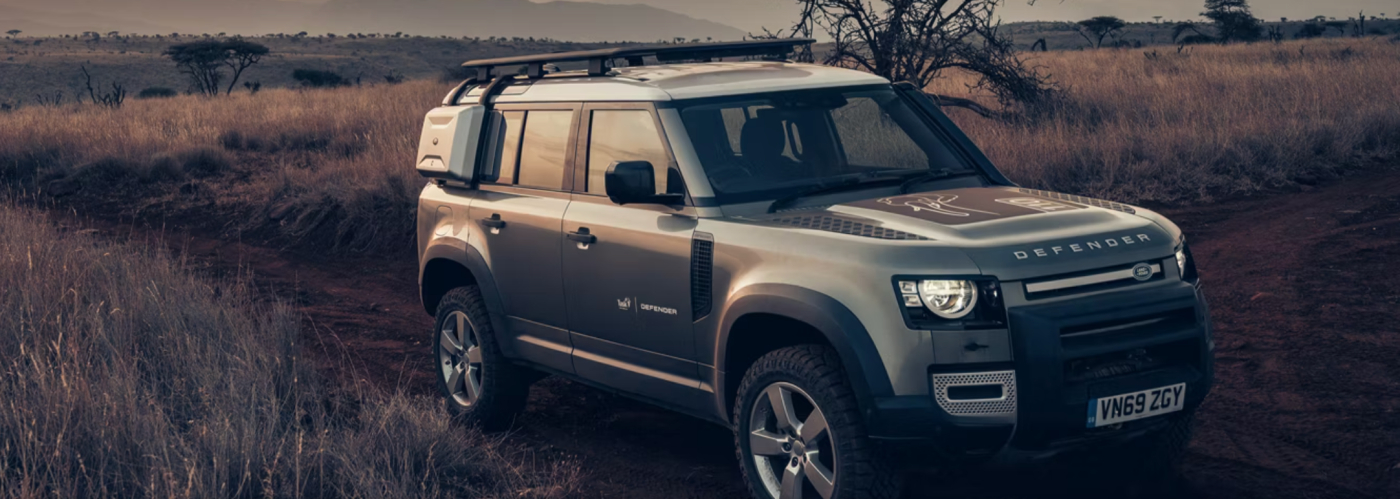
Personal experience and practical tips
I once towed a 5,500-pound boat behind a Range Rover Sport on a long mountain trip. I checked the towing capacity of a Range Rover first. I fitted a factory tow pack and used a brake controller. I monitored temps and drove conservatively. Lesson learned: tire heat builds fast on hot hills, so check pressures mid-trip.
Practical tips I use:
- Fit a high-quality sway control device on trailers near the upper limit.
- Keep an eye on rearview mirrors for trailer sway. Slow down calmly if sway starts.
- Practice backing up in an empty lot to get used to hitch feel.
These small steps make towing with a Range Rover easier and safer.

Frequently Asked Questions of What is the towing capacity of a Range Rover?
How much can a Range Rover tow?
Typical maximums vary by model. Many full-size Range Rover and Range Rover Sport models tow up to 7,716 pounds when properly equipped.
Does the Range Rover need a special tow package?
Often yes. A factory tow package adds hardware and sometimes increases rated towing capacity. Check your vehicle options and owner’s manual.
Can I tow a camper with a Range Rover Evoque?
You can tow small campers within the Evoque’s lower towing limit. Ensure the camper plus gear stays under the towing capacity of a Range Rover Evoque.
Will towing damage my Range Rover?
Towing within rated limits and following maintenance rules keeps risk low. Overloading, poor maintenance, or misuse can cause damage to drivetrain and brakes.
How does tongue weight affect towing stability?
Proper tongue weight improves stability. Too little causes sway; too much overloads the rear axle. Aim for about 10–15% of trailer weight on the hitch.
Is trailer braking required for Range Rover towing?
Many heavier trailers require trailer brakes by law and by the vehicle manufacturer. Use a brake controller and a braked trailer for safer stops.
Conclusion
Knowing the towing capacity of a Range Rover keeps you safe and confident. Check your specific model’s rating, prepare the vehicle, and weigh your load every time. Use the practical tips above to avoid common mistakes and to tow with better control.
Take action now: verify your owner’s manual, weigh your trailer, and fit the right tow gear. If you found this useful, leave a comment with your towing setup or subscribe for more towing guides and tips.