Turbo boosts engine power and efficiency by forcing extra air into the combustion chamber.
I have worked with engines and performance systems for years, and I understand how a turbo changes the game. This article explains what a turbo is, how turbochargers work, real-world benefits, common issues, and practical tips from hands-on experience. Read on to learn how turbo technology can improve performance and efficiency, and how to choose, care for, and troubleshoot a turbo for lasting results.

49% off Today's Exclusive Deals
Limited-time Exclusive Deals. Check current discount on Amazon.
Check Price on Amazon As an Amazon Associate I earn from qualifying purchases.
Overview of Turbo
A turbo, short for turbocharger, is a device that increases engine power by compressing incoming air. More air means more fuel can burn. That creates more power without increasing engine size.
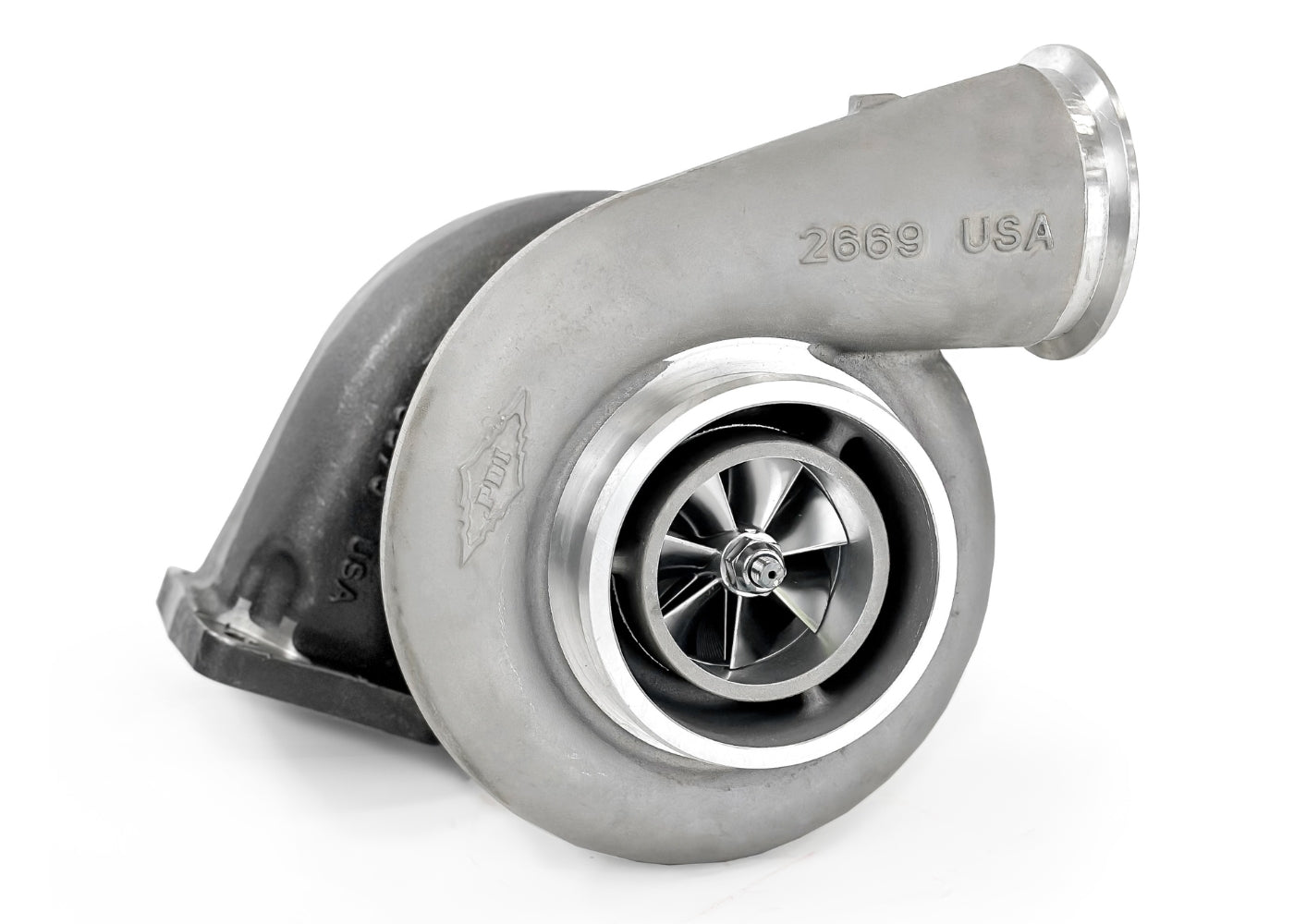
A turbo has two main parts: a turbine and a compressor. Exhaust gases spin the turbine. The turbine spins the compressor, which pushes more air into the engine. Turbos are common in cars, trucks, marine engines, and even some small generators.
49% off Today's Exclusive Deals
Limited-time Exclusive Deals. Check current discount on Amazon.
Check Price on Amazon As an Amazon Associate I earn from qualifying purchases.Turbos first became mainstream in diesel and performance cars. Today, many modern gasoline engines use turbos to balance power and fuel economy. The word turbo often appears in model names and marketing because it signals performance.
How Turbo Works
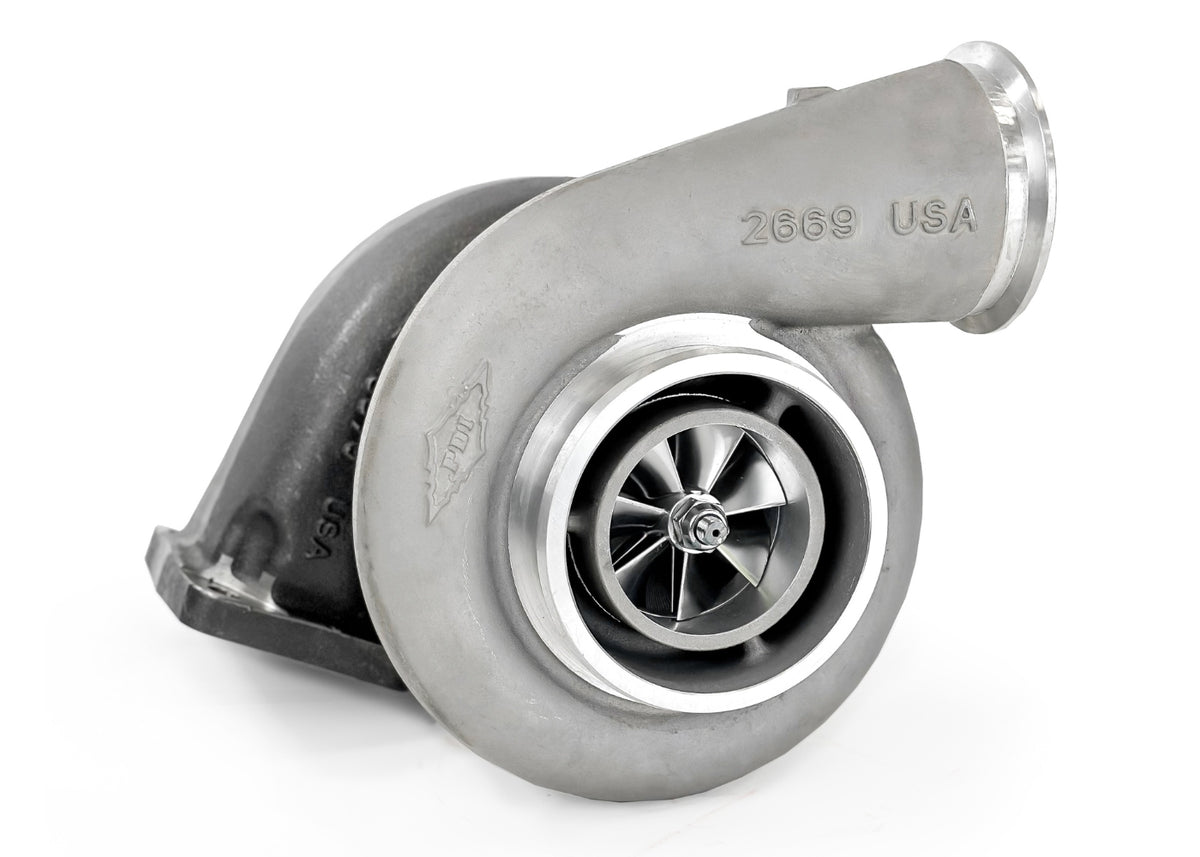
A turbo captures energy from exhaust gas. That energy spins the turbine wheel. The turbine shaft links to the compressor wheel. The compressor pulls in and compresses air. Compressed air enters the engine at higher pressure. This raises the oxygen available for combustion. More oxygen lets the engine burn more fuel and make more power.
Key steps in turbo operation:
49% off Today's Exclusive Deals
Limited-time Exclusive Deals. Check current discount on Amazon.
Check Price on Amazon As an Amazon Associate I earn from qualifying purchases.- Exhaust energy drives the turbine wheel.
- The turbine turns the compressor wheel via a shaft.
- The compressor compresses intake air and sends it to the engine.
- An intercooler often cools compressed air to improve density and prevent knock.
- Boost control systems, like wastegates or variable geometry, manage pressure.
Common components you will see on a turbo system:
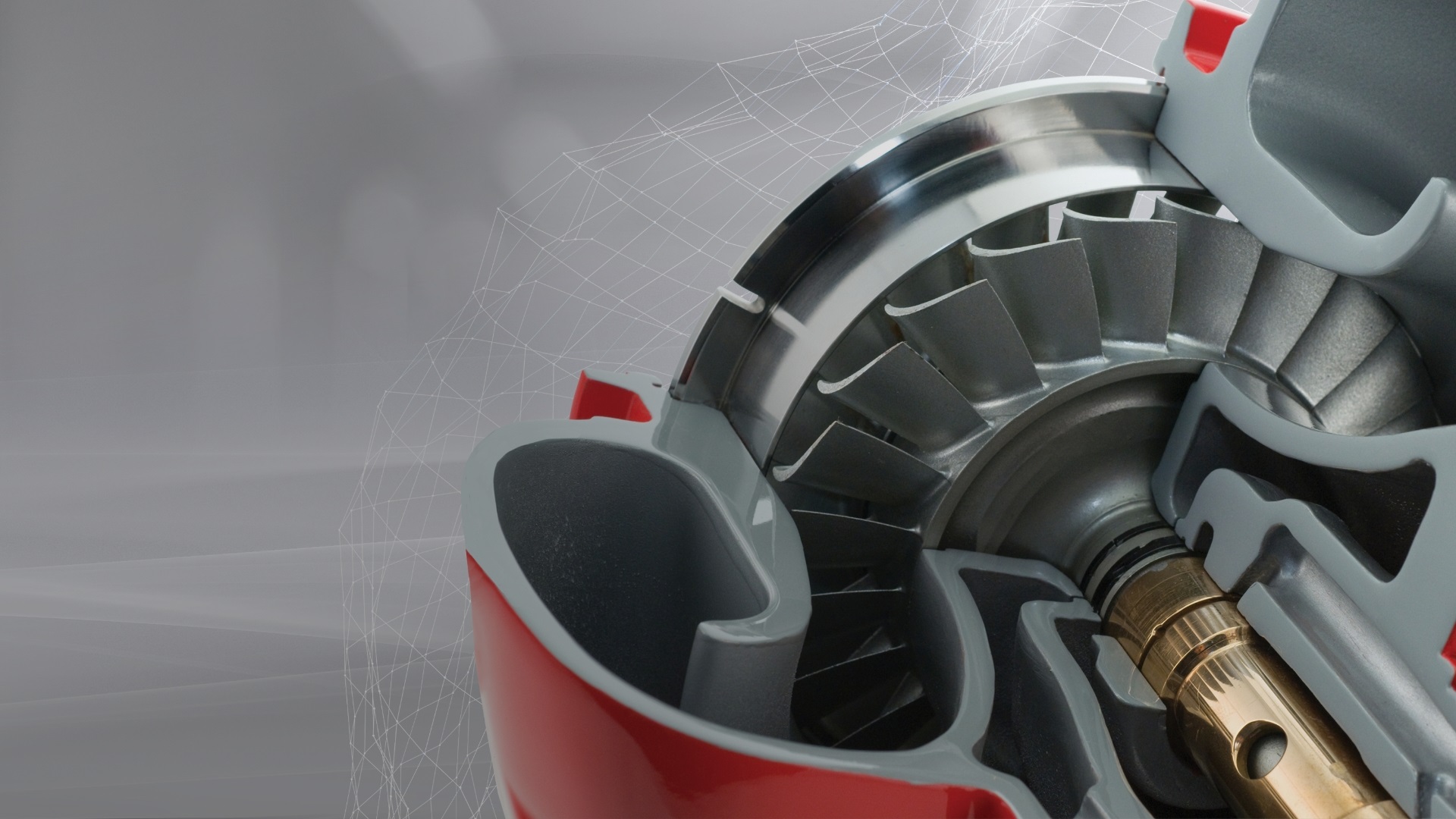
- Turbine housing and wheel
- Compressor housing and wheel
- Center housing rotating assembly (bearing housing)
- Wastegate or boost control valve
- Intercooler and piping
How a turbo affects engine breathability:
- Turbo increases volumetric efficiency at higher RPMs.
- Turbo can make a small engine feel larger without raising displacement.
- Proper tuning is essential to prevent engine knock and protect longevity.
PAA-style question: How does a turbo change fuel economy?
- A turbo can improve fuel economy when paired with engine downsizing. It lets a smaller engine produce the power of a larger one under load. However, heavy throttle use reduces economy.
PAA-style question: What is turbo lag and why does it happen?
- Turbo lag is the delay between pressing the throttle and feeling boost. It occurs because exhaust flow must build to spin the turbine. Design choices like smaller turbines or electric assist can reduce lag.
Types of Turbochargers
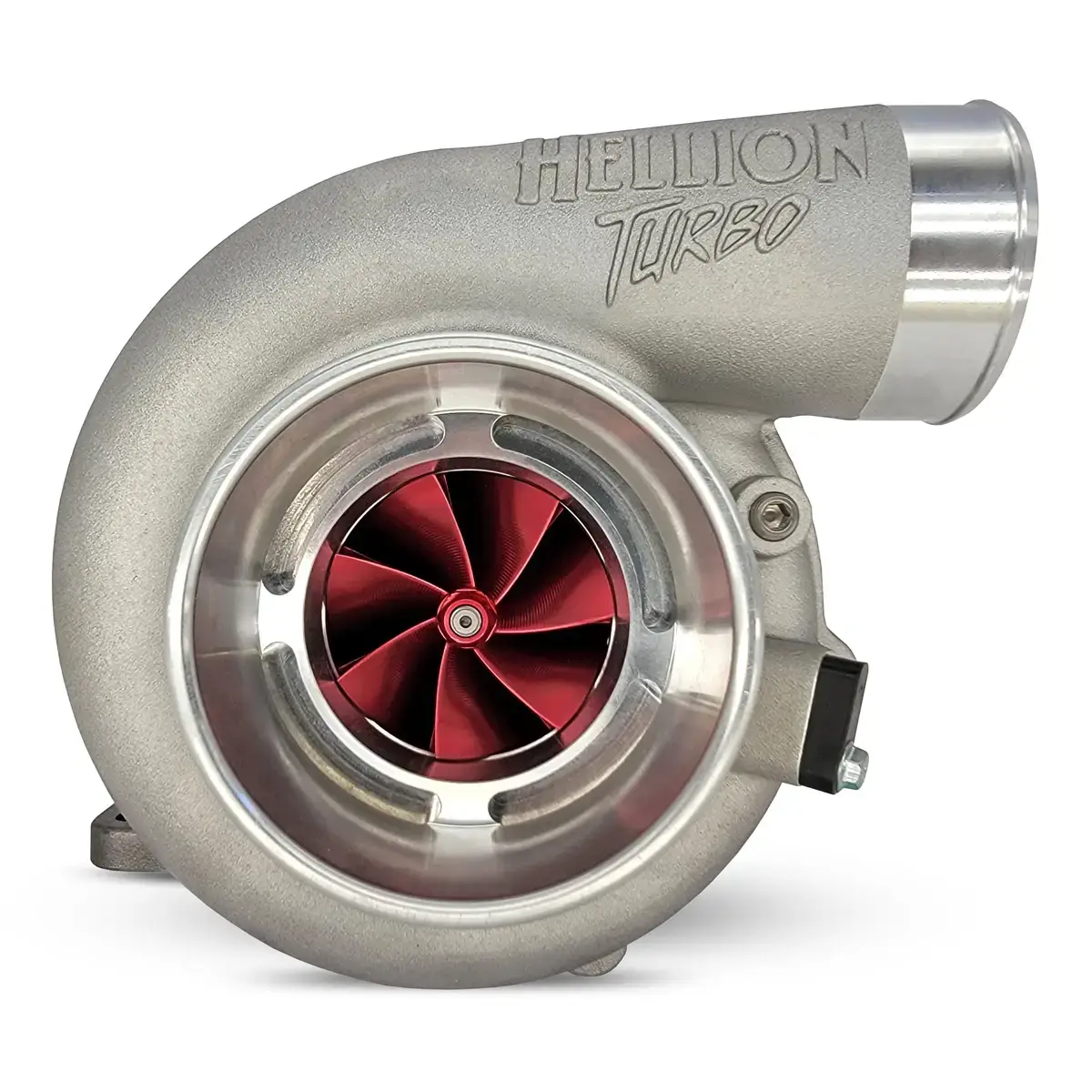
There are several turbo designs. Each suits different needs.
Single turbo
- A single turbo serves all cylinders. It is simple and cost-effective.
Twin turbo (parallel) - Two turbos of equal size each handle half the engine’s exhaust. It improves responsiveness on larger engines.
Sequential twin turbo - A small turbo works at low RPM, then a larger turbo joins at higher RPM. This smooths power delivery.
Twin-scroll turbo - Uses separated exhaust paths to reduce interference and improve spool. It cuts lag and increases efficiency.
Variable geometry turbo (VGT) - Adjusts turbine vane angles to optimize flow across RPM. It delivers wide-ranging performance.
Electric turbo / e-boost - Uses an electric motor to spin the compressor or assist spool. This virtually eliminates lag and can improve efficiency.
Each turbo type affects performance, cost, and complexity. Choose based on driving style and goals.
Benefits of Turbo
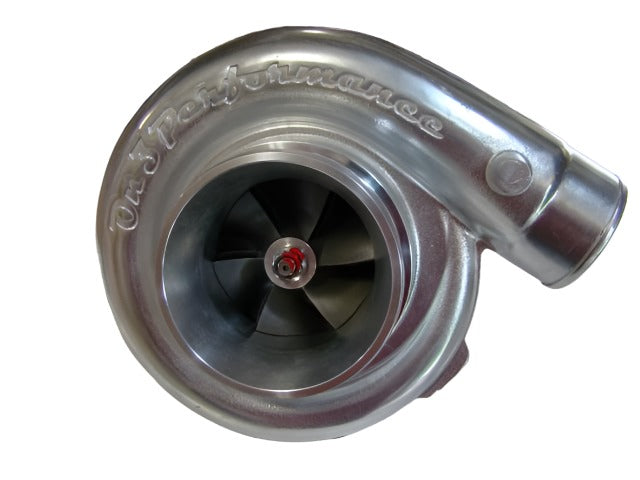
Turbos offer clear advantages for many drivers and applications.
Power and performance
- Turbo boosts horsepower and torque significantly without larger engines.
Fuel efficiency and downsizing - Turbo enables engine downsizing. A smaller, turbocharged engine can match the power of a larger naturally aspirated engine while using less fuel in light-load driving.
Better torque at lower RPM - Many turbo setups increase low-end torque, improving drivability and towing.
Reduced emissions potential - Properly tuned turbo engines can lower CO2 per horsepower by improving thermal efficiency.
Real gains depend on tuning, intercooling, and drivetrain matching. Turbo benefits are best realized with balanced design and regular maintenance.

Limitations and Trade-offs
Turbos are powerful, but they come with trade-offs you should know.
Turbo lag
- Some turbos take time to spool up. That delay affects throttle response.
Heat and stress - Turbochargers run hot. They increase exhaust gas temperature and engine stress.
Complexity and cost - Turbo systems add parts like intercoolers and wastegates. Repairs can cost more.
Maintenance needs - Turbos need clean oil and proper warm-up/cool-down to last.
Potential for increased wear - Higher cylinder pressures can accelerate wear if the engine is not designed for boost.
Be honest about limitations when planning installations or upgrades. Proper installation and conservative tuning fix many problems.

Maintenance and Common Issues
Caring for a turbo extends its life and protects the engine. Here are practical steps and common problems.
Maintenance tips
- Use high-quality oil and change it on a reliable schedule.
- Allow the engine to idle briefly after hard driving to cool the turbo.
- Replace the air filter regularly to prevent debris ingestion.
- Inspect intercooler piping and clamps for boost leaks.
Common issues and signs - Oil leaks or blue smoke can mean bearing seal wear.
- Loss of boost often points to leaks, wastegate failure, or a clogged intercooler.
- Whining or grinding noises suggest bearing failure or damaged compressor/turbine.
Troubleshooting checklist - Check for boost pressure with a gauge.
- Inspect hoses and clamps for leaks.
- Scan for engine codes and test wastegate operation.
My experience: I once drove a turbo vehicle with a neglected oil schedule. The turbo failed at 80k miles. Rebuilding the turbo and addressing oil feed lines fixed the issue. The key lesson: oil care matters most.
Turbo in Real Life: Examples and Personal Experience
I have installed and tuned turbo systems on daily drivers and race cars. Here are concrete lessons from the garage.
Example 1: Street turbo swap
- Planned for a modest boost to improve passing power.
- Used a twin-scroll turbo for better spool and lower lag.
- Tuned the engine to factory knock tolerance and improved drivability.
Lesson: Conservative boost and proper fueling yield reliable gains.
Example 2: Track-focused turbo build
- Chose a larger turbo for high-RPM power.
- Added an external wastegate and upgraded intercooler.
- Learned that too-large a turbo hurt low-end response.
Lesson: Match the turbo size to the use case.
Tips I use every time
- Always check oil feed and return lines for clearance and flow.
- Start with conservative boost targets and tune progressively.
- Use a wideband O2 sensor during tuning to protect engines.
These experiences taught me to balance ambition with reliability. Turbo work rewards patience and planning.
Frequently Asked Questions of Turbo
What maintenance does a turbo need?
Regular oil changes with the correct grade and clean air filters are essential. Also inspect hoses, intercooler, and wastegate periodically.
How long does a turbo last?
A well-maintained turbo can last 100,000 miles or more. Life shortens with poor oil care, hard driving, or contamination.
Can I add a turbo to any engine?
Most engines can accept a turbo, but success depends on compression ratio, fueling, and strength of internal parts. Proper tuning and hardware upgrades are often required.
What is turbo lag and how can I reduce it?
Turbo lag is the spool delay before boost builds. Reduce it with smaller turbines, twin-scroll designs, variable geometry turbos, or electric assist.
Will a turbo hurt fuel economy?
A turbo can improve fuel economy with a downsized engine under light driving, but aggressive throttle use will lower economy due to higher fuel demand.
Is an intercooler necessary for a turbo?
An intercooler is highly recommended. It cools compressed air, increases density, and reduces knock risk, improving safety and performance.
How do I know if my turbo is failing?
Look for blue smoke, loss of boost, whining noises, or oil leaks. A boost pressure test and inspection usually confirm failure.
Conclusion
Turbo technology provides a clear way to boost engine power and efficiency without increasing displacement. Turbos work by using exhaust energy to compress intake air. They offer strong benefits like increased torque, better fuel economy for downsized engines, and improved performance. They also require attention to oil, cooling, and proper tuning. My experience shows that careful planning, conservative tuning, and routine maintenance yield the best results with turbo systems.
Take action: if you are considering a turbo upgrade or servicing an existing turbo, start with a clear goal, prioritize oil and cooling, and seek professional tuning. Share your experience or questions in the comments, subscribe for more guides, or consult a qualified technician to get the most from your turbo.