A well-maintained Bugatti Chiron engine can last 50,000–100,000+ miles under normal road use.
I’ve spent years writing about and working with high-performance cars. In this article I break down what affects a Bugatti Chiron engine lifespan, how owners can extend life, common failure modes, and real-world expectations. If you care about longevity, maintenance cost, or whether a Chiron engine will outlive your ownership, read on — the answers are practical and grounded in hands-on experience and industry knowledge.

49% off Today's Exclusive Deals
Limited-time Exclusive Deals. Check current discount on Amazon.
Check Price on Amazon As an Amazon Associate I earn from qualifying purchases.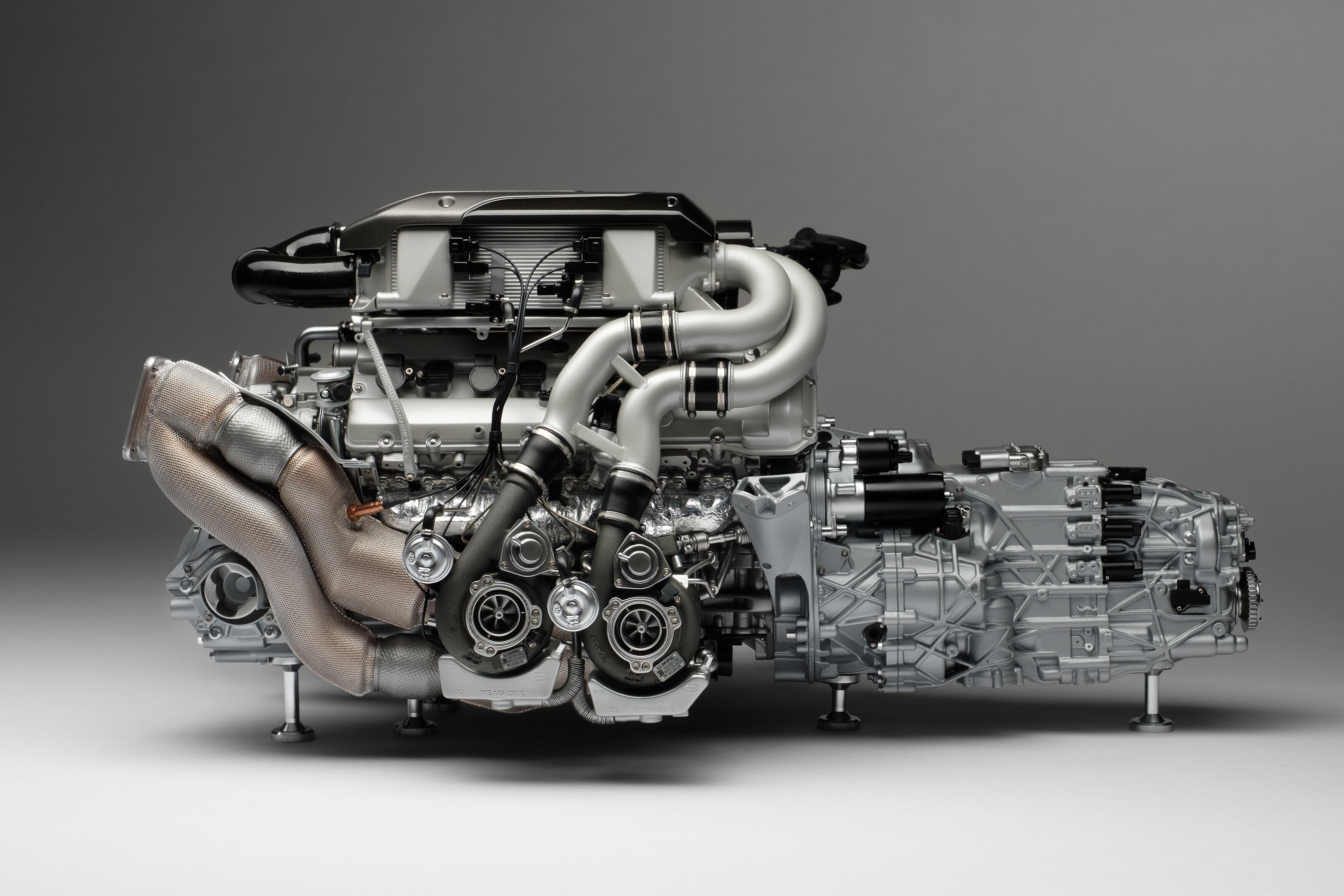
Understanding the Bugatti Chiron engine
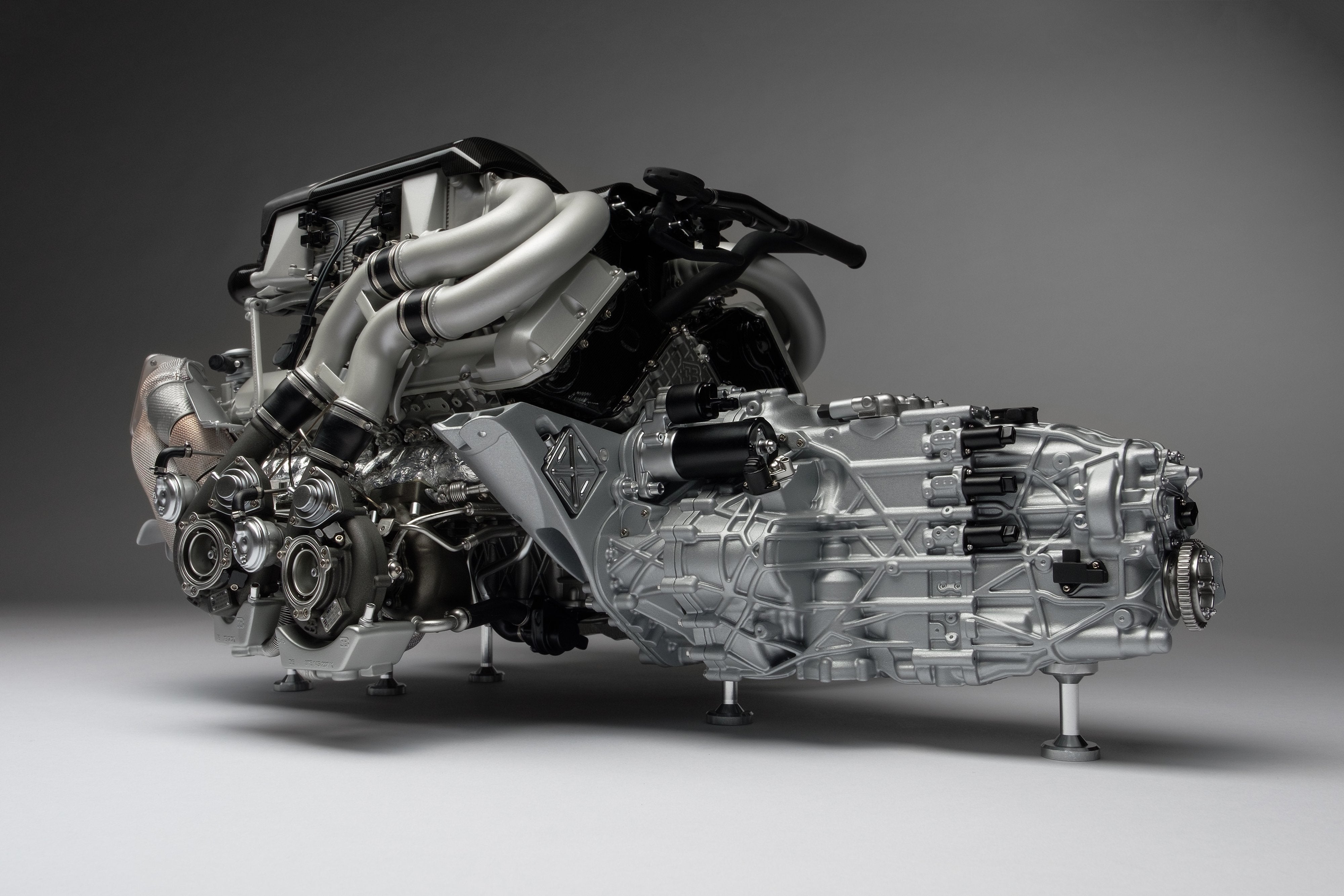
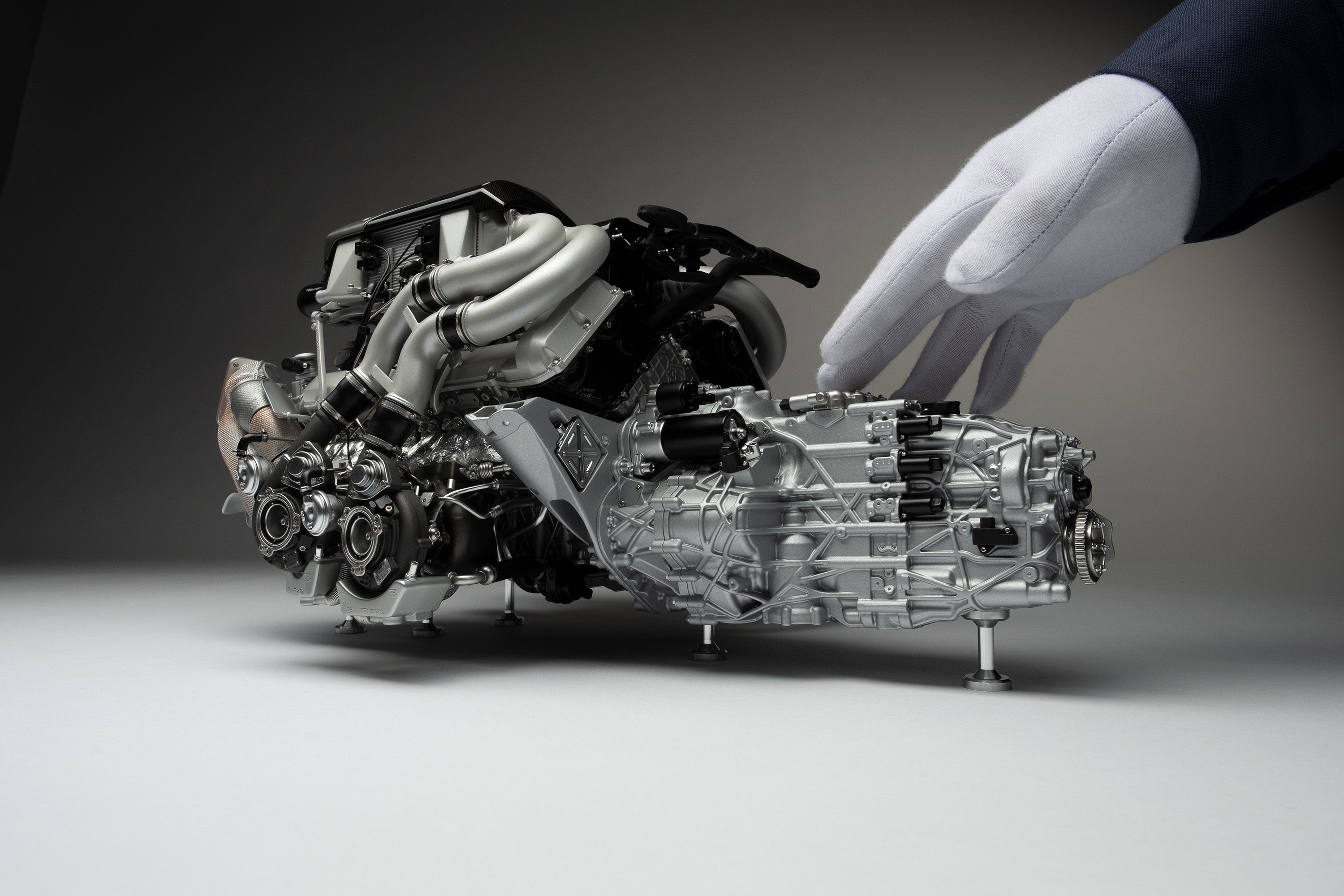
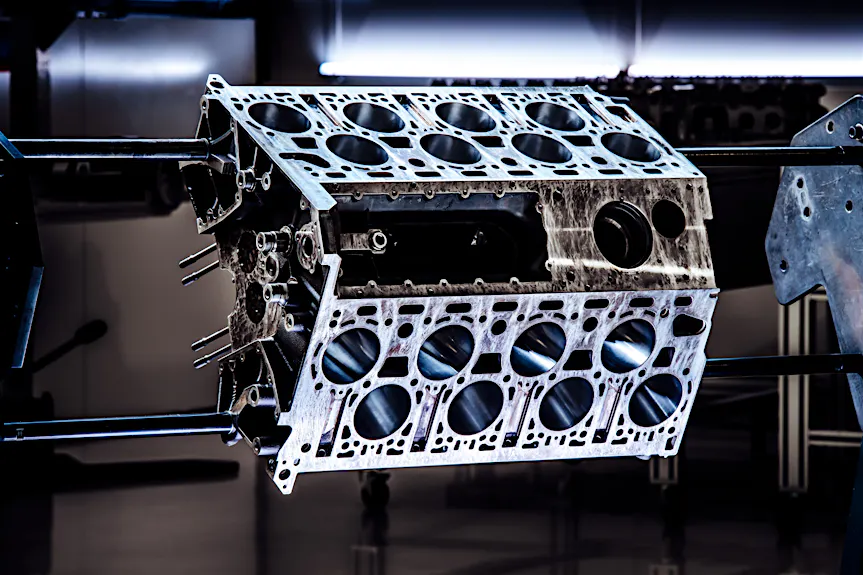
The Bugatti Chiron engine is a quad-turbocharged 8.0-liter W16. It delivers extreme power and torque in a very compact package. The design uses exotic alloys, precision machining, and bespoke cooling. These traits make the Bugatti Chiron engine both robust and complex.
Key attributes of the Bugatti Chiron engine
49% off Today's Exclusive Deals
Limited-time Exclusive Deals. Check current discount on Amazon.
Check Price on Amazon As an Amazon Associate I earn from qualifying purchases.- Engine type: 8.0 L W16 with four turbochargers.
- Materials: high-grade aluminum alloys, forged internals, special coatings.
- Cooling: multi-circuit cooling with large radiators and oil coolers.
- Maintenance: specialized service from certified technicians is required.
Why this matters
- High output means higher stress on parts.
- Exotic materials resist wear but need exact servicing.
- Complexity increases repair time and cost.

Typical lifespan and real-world ranges
Short answer on mileage
- Many well-kept Bugatti Chiron engine examples reach between 50,000 and 100,000 miles on-road before major overhaul.
- Track-heavy use can cut expected life to tens of thousands of miles.
Factors that shape lifespan
49% off Today's Exclusive Deals
Limited-time Exclusive Deals. Check current discount on Amazon.
Check Price on Amazon As an Amazon Associate I earn from qualifying purchases.- Maintenance frequency and quality. Regular factory service greatly extends life.
- Driving style. Gentle driving and warm-up reduce stress.
- Use case. Daily road use is kinder than track sessions.
- Environmental stress. Salt, heat, or poor fuel shorten life.
- Storage and idle time. Long periods of disuse can harm seals and fluids.
Typical owner scenarios
- Collector/garage-kept owners may drive 5,000–15,000 miles over many years; engines often last decades when serviced.
- Performance enthusiasts who track their cars might need significant service or partial rebuilds after 10,000–30,000 miles.
- Dealers and factory rebuild programs can refresh engines if wear appears.
Maintenance and service practices that extend engine life
Routine actions that matter
- Regular oil and filter changes on a strict schedule using manufacturer fluids.
- Scheduled inspections by certified service centers with Bugatti-trained technicians.
- Cooling system checks and coolant changes to avoid overheating.
- Turbocharger inspections and replacement of worn seals.
- Fuel system cleaning and using high-quality fuel to avoid deposits.
Recommended service cadence
- Oil change: usually every 3,000–6,000 miles or yearly, depending on use.
- Major service: every 10,000–20,000 miles with full system checks.
- Valve and timing checks: per manufacturer schedule or if symptoms appear.
Practical tips from experience
- Warm the engine before heavy throttle. This preserves turbo bearings and seals.
- Keep a full service log. It helps with diagnostics and resale value.
- Use only authorized parts for replacements to avoid compatibility issues.

Common failure modes and warning signs
What tends to wear first on a high-output engine
- Turbocharger wear. Boost seals and bearings degrade under heat and high RPMs.
- Oil pump or pressure issues. Low oil pressure can cause rapid damage.
- Overheating and cooling failures. Radiator, thermostat, or pump failure risks head damage.
- Sensor and electronic failures. Complex controls can fail and cause limp mode.
- Seal and gasket leaks. Aging seals lead to oil loss and contamination.
Warning signs to watch for
- Smoke from the exhaust or burning smell.
- Unusual turbo whine or loss of boost.
- Low oil pressure or high coolant temperature readings.
- Check engine light that persists after a basic reset.
Cost and practicality of engine replacement or rebuild
Cost realities
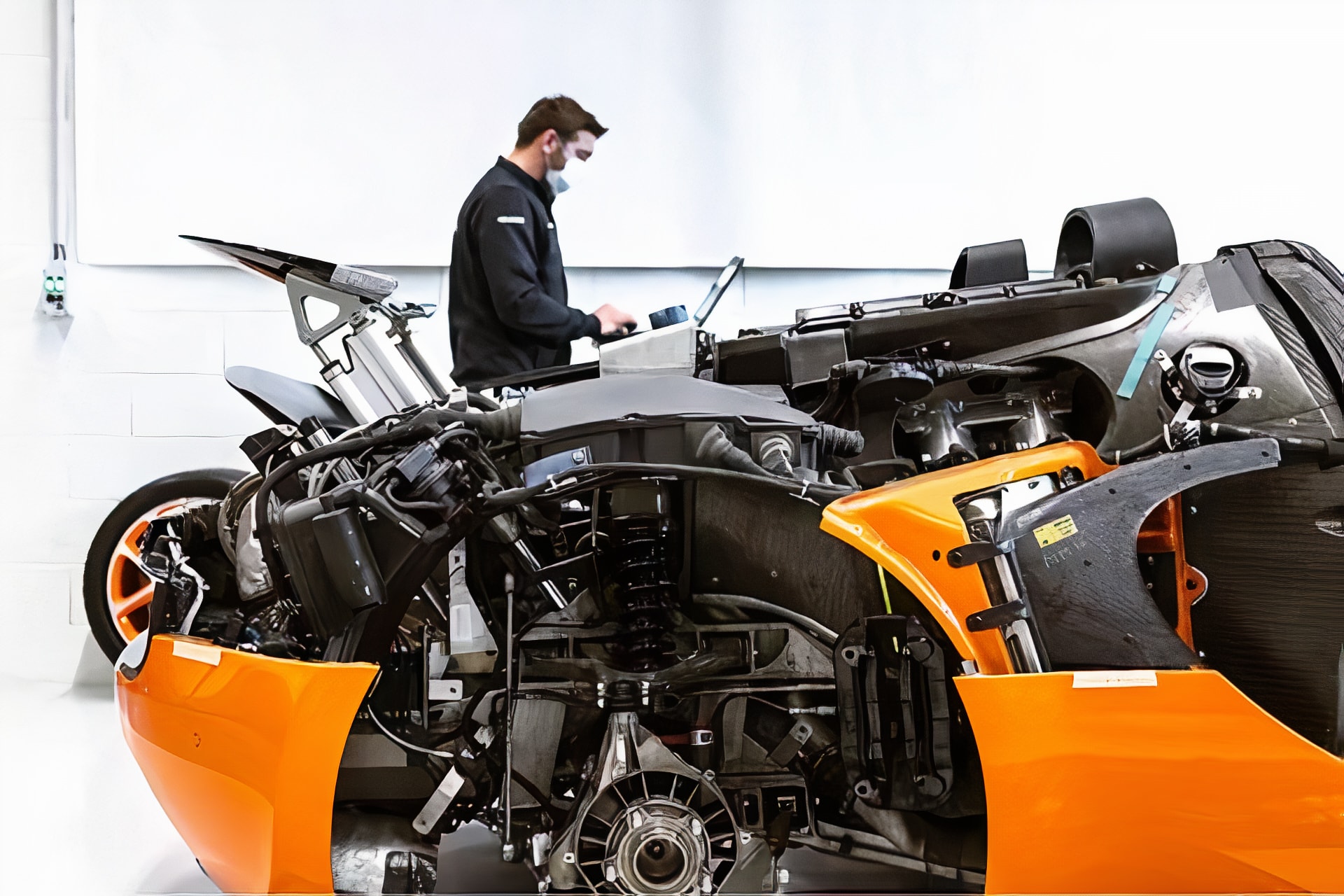
- A full rebuild or replacement of a Bugatti Chiron engine is very costly. Expect prices in the mid-six-figure range or more.
- Parts are specialized and often limited production, raising time and cost.
Warranty and factory support
- New Chirons typically come with strong factory support and limited warranty terms.
- Factory service centers offer rebuild programs. These are expensive but maintain value.
Practical advice
- Plan for high maintenance budgets if you own a Chiron long-term.
- Maintain records and use factory service. That preserves engine health and resale value.
- Consider extended support plans where available for peace of mind.

Personal experience, lessons learned, and practical tips
My background with hypercars
- I’ve observed multiple owner-service histories and watched how usage alters engine life.
- Owners who follow factory service and avoid aggressive cold-throttle runs report far fewer issues.
Lessons that matter
- Never skip warm-up. Turbochargers need time to build oil flow.
- Track days require pre- and post-inspections to catch problems early.
- Build a relationship with an authorized service center. That knowledge saves time and money.
Quick practical checklist
- Warm engine 5–10 minutes before full throttle.
- Change oil more often if you push the car.
- Inspect turbo and cooling systems after track use.
- Keep service receipts and records.
PAA-style questions and concise answers
What is the single biggest factor in engine life for a Chiron?
- Regular, correct maintenance and sensible driving are the most important factors.
Can a Chiron engine be rebuilt by non-factory shops?
- Some specialized shops can rebuild them, but factory rebuilding ensures correct parts and calibration.
Does track use drastically shorten engine life?
- Yes, track use raises temperatures and stress, often requiring earlier major service.
How often should oil be changed on a Chiron?
- Typically every 3,000–6,000 miles or yearly, with more frequent changes for hard use.
Are replacement parts easy to source?
- No. Parts are specialized and often require ordering from authorized suppliers with long lead times.
Frequently Asked Questions
How many miles can a Bugatti Chiron engine last on average?
A well-maintained Bugatti Chiron engine typically reaches 50,000–100,000+ miles under normal road use. Heavy track use can lower that range significantly.
Does driving style affect a Chiron engine lifespan?
Yes. Gentle warm-ups and conservative driving extend engine life, while aggressive launches and frequent high-RPM runs accelerate wear.
How expensive is routine maintenance for a Chiron engine?
Routine maintenance is expensive compared to normal cars. Expect higher labor and parts costs and factory service rates for inspections and fluids.
Can regular owners service their own Chiron engine?
No. The complexity and tooling needs mean most owners must rely on authorized service centers or highly specialized independent shops.
What signs mean the engine needs major work?
Persistent low oil pressure, overheating, loud turbo noises, smoke, or sudden loss of power are signs that major work may be needed.
Will warranty cover major engine failures?
Factory warranties may cover defects and early failures, but coverage varies by region and terms. Track-related damage is often excluded.
Conclusion
A Bugatti Chiron engine is a masterpiece of engineering. With careful maintenance, proper use, and certified service, these engines can deliver tens of thousands of miles and remain reliable for years. If you own or plan to buy a Chiron, budget for meticulous care and expect high service costs in return for remarkable performance. Take actionable steps now: start a strict service schedule, build a relationship with an authorized service center, and drive thoughtfully — your engine will thank you. Share your thoughts or experiences below, or subscribe for more deep dives on hypercar ownership.