Yes — the Tesla Model 3 supports fast charging with Tesla Superchargers and many CCS/NACS setups.
I’ve spent years testing and riding in electric cars, and I know the charging world well. This article answers Does the Tesla Model 3 support fast charging? in depth. You will learn how it charges, real-world speeds, costs, battery effects, and practical tips to charge faster and smarter. Read on for clear, usable advice based on experience and industry facts.

49% off Today's Exclusive Deals
Limited-time Exclusive Deals. Check current discount on Amazon.
Check Price on Amazon As an Amazon Associate I earn from qualifying purchases.
How fast charging works for the Tesla Model 3
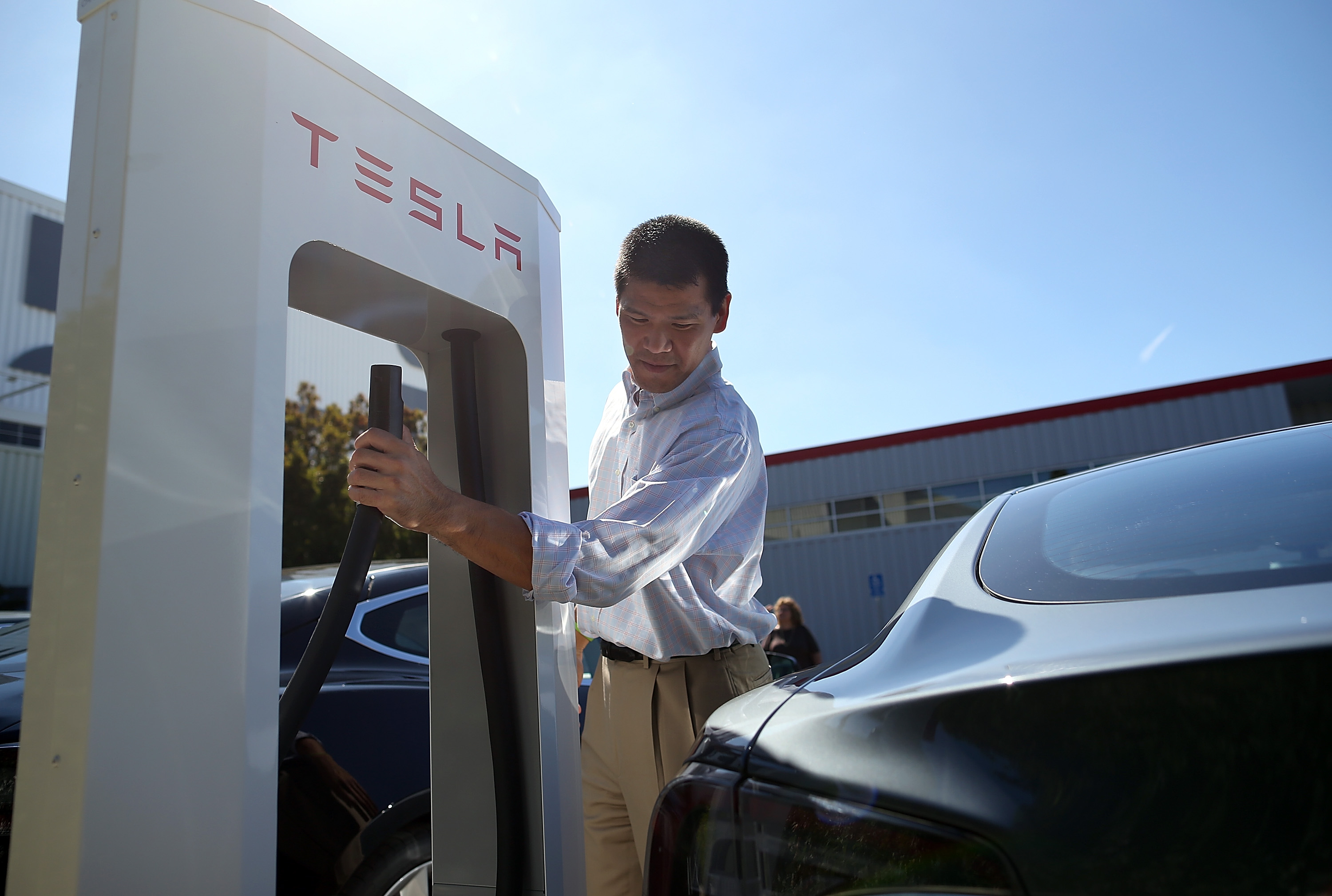
Fast charging uses direct current (DC) to push a large amount of energy into the car quickly. When asking Does the Tesla Model 3 support fast charging? the short answer is yes — Model 3 accepts DC fast charging from Tesla Superchargers and compatible public chargers via adapters. The car’s charger, battery management system, and connector type determine the top charging speed the car can accept. Charging speed is not constant; it peaks then tapers as the battery fills and warms.
49% off Today's Exclusive Deals
Limited-time Exclusive Deals. Check current discount on Amazon.
Check Price on Amazon As an Amazon Associate I earn from qualifying purchases.Charging rates and typical times
Different Model 3 variants accept different peak rates. Does the Tesla Model 3 support fast charging? Yes, and here are realistic expectations:
- Long Range and Performance models
- Peak charge rate often reaches up to about 250 kW on a V3 Supercharger under ideal conditions.
- Typical 10% to 80% time ranges from about 20 to 30 minutes on a high-power charger.
- Rear-Wheel Drive / Standard Range models
- Peak rates are lower, often around 150–170 kW depending on model year and battery.
- 10% to 80% times commonly run 25 to 40 minutes on fast chargers.
- Charging curve notes
- The fastest rates happen at low state of charge and when the battery is warm.
- Charging slows above about 50–60% and more so above 80%.
Actual times vary by temperature, charger type, battery state, and software. If you want the fastest stops, charge from about 10–20% up to 60–80% rather than to 100%.
Supercharger compatibility and connector types
Tesla historically used its own connector in the U.S. and a different plug in Europe. Does the Tesla Model 3 support fast charging? Yes, and compatibility depends on region and adapter options.
49% off Today's Exclusive Deals
Limited-time Exclusive Deals. Check current discount on Amazon.
Check Price on Amazon As an Amazon Associate I earn from qualifying purchases.- North America
- Newer Model 3s use Tesla’s North American Charging Standard (NACS).
- Tesla Superchargers and many third-party stations now support NACS, and Tesla offers adapters for some networks.
- Europe and other markets
- Model 3 uses CCS2 adapter compatibility for many public fast chargers.
- Tesla provides or sells adapters for non-Tesla DC fast chargers in some regions.
- Public DC fast chargers
- Some public stations require an adapter or only support CCS; others support NACS directly.
- Always check the connector type and adapter availability before starting a trip.
Knowing connector types and adapter rules for your country avoids surprises during a fast-charge stop.
Home charging vs public fast charging
Home charging is slower but cheaper and convenient. Does the Tesla Model 3 support fast charging? Yes, but you do most charging at home.
- Home (AC) charging
- Level 1 (120V) adds a few miles per hour and is for emergency use.
- Level 2 (240V) with a Wall Connector typically provides 30–44 miles per hour depending on amperage.
- Overnight full charges are easy and healthy for the battery when limited to a daily target (for example, 80–90%).
- Public fast charging (DC)
- Best for long trips or quick top-ups.
- Use fast chargers sparingly for daily needs to preserve battery longevity.
For most drivers, a daily top-up on a Level 2 charger and occasional DC fast charging is the most practical balance.

Battery health and effects of fast charging
Fast charging stresses battery cells more than slow charging. When you ask Does the Tesla Model 3 support fast charging? you should also ask how often you should use it. Key points:
- Impact on battery life
- Frequent high-power DC charging can accelerate long-term capacity loss if done constantly.
- Modern battery management systems limit abuse and help preserve health.
- Best practices
- Precondition the battery before arrival for full speed and less stress.
- Avoid frequent 100% charges and long stays at full charge.
- Use fast charging mainly for trips and times when speed matters.
From my experience, using fast chargers for road trips and relying on home charging for daily use keeps range and performance high over years.
Cost and planning a fast charging trip
Fast charging costs vary by operator, region, and time of day. Does the Tesla Model 3 support fast charging? Yes, and planning matters.
- Costs and billing
- Tesla often bills per kWh or per minute, depending on local rules.
- Public DC fast chargers may charge by session, minute, or energy delivered.
- Trip planning tips
- Use Tesla’s route planner to find Superchargers and see expected stops.
- Stop for a short charge to 60–80% for quickest travel time and lower cost.
- Check station power level and occupancy before arriving to avoid delays.
Plan stops that match your charging speed and your intended driving window for the smoothest trips.
Real-world experience and practical tips
I’ve driven hundreds of miles in Model 3s across varied weather and chargers. Does the Tesla Model 3 support fast charging? Absolutely. Here are lessons I learned that help on real trips.
- Tips that work
- Precondition the battery using navigation to the charger or the warm-up feature.
- Aim for short top-up stops to 60–80% to save time and battery wear.
- Park in a way that allows swapping if chargers are side-by-side.
- Common mistakes to avoid
- Arriving cold without preconditioning cuts peak power and wastes time.
- Charging to 100% frequently when not needed shortens battery life.
- Relying only on one charger network limits flexibility.
Practical gear
- Carry the right adapter for your region.
- Keep a charging card or app set up for non-Tesla networks.
- Monitor charging rate on the car screen to confirm expected power.
Quick PAA-style questions
How fast will a Model 3 charge from empty to full?
A Model 3 rarely charges at peak power all the way. Expect fastest rates at low state of charge and a gradual taper; 10–80% often takes 20–40 minutes on a high-power charger depending on model.
Will cold weather slow Model 3 fast charging?
Yes. Cold batteries accept lower power until warmed. Preconditioning or driving beforehand helps recover peak rates.
Do I need an adapter for public fast chargers?
Maybe. Adapter needs depend on your region and the charger connector. Carry the proper adapter for CCS or NACS when driving on mixed networks.

Frequently Asked Questions of Does the Tesla Model 3 support fast charging?
Does the Tesla Model 3 support fast charging at Tesla Superchargers?
Yes. Model 3 supports fast charging at Tesla Superchargers and can reach high peak rates on V3 Superchargers depending on model and conditions.
Can non-Tesla fast chargers charge a Model 3?
Yes, with the right adapter in many regions. Compatibility varies by country and station type.
How long does it take to charge a Model 3 on a Supercharger?
Typical 10% to 80% sessions take about 20 to 40 minutes depending on model, charger power, and battery temperature.
Does fast charging damage the Model 3 battery?
Frequent high-power charging can increase long-term degradation, but occasional fast charging is safe thanks to battery management systems.
Should I charge to 100% on long trips?
Only when you need the full range for a long leg. For most trip stops, charging to 60–80% is faster and kinder to the battery.
Is there a difference between V2 and V3 Superchargers for Model 3?
Yes. V3 chargers offer higher peak power and faster sessions when available, while V2 provides lower peak rates that may extend charging times.
Do software updates change charging speeds?
Yes. Tesla can improve charging behavior through software updates, which sometimes change peak rates or charging curves.
Conclusion
The Tesla Model 3 supports fast charging and does it well for road trips and quick stops. Knowing connector types, charging curves, and best practices helps you get faster stops and longer battery life. Use fast charging smartly: precondition the battery, favor short top-ups to 60–80%, and rely on home charging for daily needs. Try these tips on your next trip and share your experience or questions below — subscribe or comment to keep learning about smart EV charging.