Common Huracán issues include electrical glitches, DCT transmission wear, brake and suspension costs.
I have worked with exotic-car shops and driven several Lamborghini Huracáns. I will walk you through the most common problems with the Lamborghini Huracán, explain why they happen, and give practical tips to avoid expensive surprises. This guide blends hands-on experience, clear technical explanations, and buying and maintenance advice so you can make smart decisions about ownership or purchase.

49% off Today's Exclusive Deals
Limited-time Exclusive Deals. Check current discount on Amazon.
Check Price on Amazon As an Amazon Associate I earn from qualifying purchases.
Overview: What makes the Huracán prone to issues and what to expect
The Lamborghini Huracán is a high-revving, naturally aspirated V10 supercar built for speed and sharp handling. Its performance focus means many parts run hot and under stress, which raises the chance of component wear compared with regular cars. If you ask "What are the most common problems with the Lamborghini Huracán?" you should expect issues tied to the dual-clutch gearbox, electrical systems, brakes, and suspension. Knowing those weak spots helps you manage costs and care for the car the right way.

49% off Today's Exclusive Deals
Limited-time Exclusive Deals. Check current discount on Amazon.
Check Price on Amazon As an Amazon Associate I earn from qualifying purchases.Most common mechanical problems
Common mechanical trouble tends to come from drivetrain items that face high loads. Below are the issues you’ll see most often, what causes them, how they show up, and typical fixes.
- Dual-clutch transmission (DCT) and mechatronics: The DCT can develop clutch wear, shift harshness, or mechatronic faults after heavy use or many low-speed starts. Symptoms include jerky shifts, clutch slip, or transmission warning lights. Fixes range from software updates to clutch packs or mechatronic unit replacement, which can be costly.
- Clutch life on rear-wheel and AWD models: Track driving and aggressive launches shorten clutch life. Symptoms are slipping during hard acceleration and loss of initial bite. Avoid repeated full-throttle launches and budget for clutch work after track use.
- Engine oil leaks and seals: High temperatures and age can cause gasket or seal leaks, particularly around cam covers or oil lines. You may see oil spots or smell burning oil. Replacing seals and addressing routing issues usually cures the problem.
- Exhaust and catalytic converter wear: Heat cycles from spirited driving can damage heat shields, sensors, or catalysts. Check for rattles, check-engine lights, or poor idle as signs. Repair often involves replacing sensors or exhaust sections.
- Cooling and overheating risks when pushed hard: Radiators and cooling circuits must be in top shape for track use. Overheat shows as rising temp gauges and reduced performance. Regular coolant service and radiator checks prevent most problems.

Electrical and software issues
Electronics in modern supercars are complex and layered. Huracáns are no exception, and electrical quirks are frequent sources of owner headaches.
- Battery drain and accessory power faults: Short trips and modern infotainment can drain a battery. Symptoms are slow crank or failure to start. Use a battery tender when parked long-term or replace old batteries preemptively.
- Infotainment, nav, and instrument cluster glitches: Software bugs can lock screens or show wrong data. A simple software reflash at the dealer often restores function.
- Sensors and ECU warnings: Faulty wheel-speed sensors, ABS units, or engine sensors can trigger warning lights and limp modes. Diagnostics with the right scan tools isolate the faulty module; replacing sensors or updating software usually clears the fault.
- Recalls and updates: Lamborghini has issued recalls or service campaigns for various model-years to correct software or safety parts. Ensure any used Huracán has a complete service and recall history.
Practical fix: keep software up to date and use an authorized service center for diagnostics when lights appear.
49% off Today's Exclusive Deals
Limited-time Exclusive Deals. Check current discount on Amazon.
Check Price on Amazon As an Amazon Associate I earn from qualifying purchases.
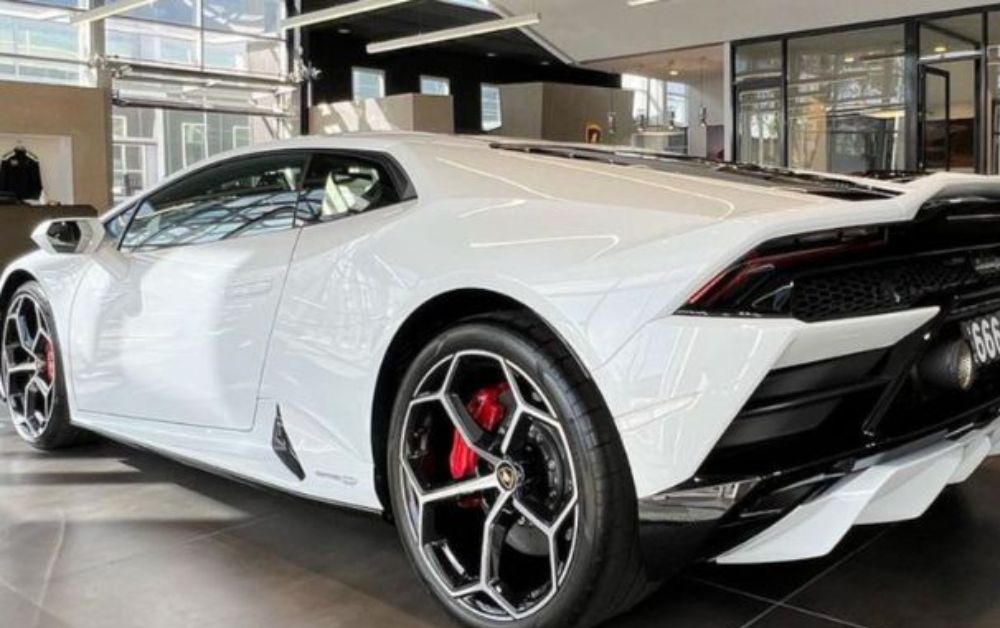
Brakes, tires, and suspension wear
Stoppers, rubber, and suspension bushings take a beating on a Huracán. These parts are expensive but also predictable in maintenance.
- Carbon-ceramic brake wear and maintenance: Carbon-ceramic brakes last longer than steel but cost more to refurbish or replace. Track use increases wear and risk of cracking. Regular inspections and avoiding sudden cold-pad heavy stops help longevity.
- Tire wear and alignment: Wide, sticky tires wear fast and are expensive to replace. You’ll want a proper alignment and rotation schedule to even wear. Expect to replace front or rear tires at different intervals depending on drivetrain and driving style.
- Suspension bushings, mounts, and dampers: Aggressive driving wears bushings and mounts, leading to noise or vague handling. Symptoms include clunks and uneven tire wear. Replacing worn bushings and checking geometry restores handling feel.
Maintenance costs, service intervals, and ownership realities
Owning a Huracán is rewarding and costly. Expect premium prices for parts, labor, and insurance.
- Routine service: Oil and filter services, belts, brake fluid changes, and inspections should follow factory intervals. Regular oil and filter changes keep the V10 happy.
- Major services: Timing components, clutch, or DCT overhaul are expensive and can appear on higher-mileage cars. Budget for these when buying used.
- Insurance and fuel: High-performance cars carry higher premiums. Fuel use is very high under normal driving; plan fuel cost into your budget.
- Depreciation and resale: Exotic market shifts affect resale. A well-documented service history and limited track abuse preserve value.
My experience: I advised a buyer to add a service reserve of 25–30% above usual costs for the first three years to cover unexpected gearbox or clutch work. That cushion prevented surprises.

How to diagnose, prevent, and extend component life
Prevention and early diagnosis save money. Use a checklist and follow good habits.
- Pre-purchase inspection (PPI) checklist
- Verify full service history and receipts.
- Inspect for uneven tire wear, oil leaks, and DCT behavior during a test drive.
- Scan for stored codes and ask for a software update history.
- Daily-use and storage tips
- Use a battery tender if the car sits for days.
- Warm the engine before hard driving to reduce wear.
- Avoid repeated full-throttle launches and extended low-speed clutch work.
- Tracking tips
- Service the transmission and brakes before track events.
- Monitor oil and coolant temps; install auxiliary gauges if needed.
- Replace consumables early to avoid damage to major parts.
PAA-style questions
How often does the DCT need servicing?
Service intervals vary, but a DCT fluid and mechatronic check every 30,000 to 50,000 miles or sooner after intense track use is wise. Early detection of slipping or rough shifts prevents bigger repairs.
Will software updates fix most electronic quirks?
Software updates fix many infotainment and control-unit glitches, but failing hardware like sensors or batteries still needs replacement. Start with a diagnostic at an authorized center.
Is it safe to track a Huracán frequently?
Yes, if you follow a strict maintenance plan and replace wear items proactively. Track use accelerates clutch, brake, and tire wear and increases the chance of overheating.
Buying used: red flags and negotiation tips
If you’re buying a used Huracán, inspect closely and ask the right questions.
- Red flags to watch for
- Incomplete service history or missing dealer records.
- Unexplained oil leaks or recent major part replacements without receipts.
- Excessive tire or brake wear inconsistent with mileage.
- Negotiation points
- Factor the cost of needed DCT or clutch work into your offer.
- Ask for any available service credits or remaining factory warranty.
- Use a qualified pre-purchase inspection to leverage price adjustments.
From firsthand checks, a Huracán with full dealer history and recent DCT fluid service holds value and reduces risk.

Frequently Asked Questions of What are the most common problems with the Lamborghini Huracán?
What are the most common problems with the Lamborghini Huracán?
Most owners see issues with the DCT transmission, electrical glitches, and wear on brakes and tires. Regular service and gentle driving reduce the risk of expensive repairs.
How expensive is DCT repair on a Huracán?
DCT repairs or clutch replacements can cost thousands to tens of thousands of dollars depending on parts and labor. Costs are higher if mechatronic units or full gearbox work is needed.
Do Huracáns have a lot of electrical problems?
Huracáns can experience infotainment, sensor, and battery-related issues, especially as they age or if software updates are missing. Many problems are resolved with diagnostic scans and software reflashes.
How often should I service a Huracán to avoid issues?
Follow factory intervals closely and increase service frequency if you track the car. Oil, fluids, and brake checks at regular intervals prevent most common failures.
Is it worth buying a used Huracán given these problems?
Yes, if the car has a full service history, limited track abuse, and a clean pre-purchase inspection. Budget for higher maintenance and possible clutch or transmission work.
Can I drive a Huracán daily without big problems?
You can, but daily short trips and stop-and-go traffic increase clutch and battery wear. Use gentle driving habits and maintenance to keep costs manageable.
Conclusion
Owning a Lamborghini Huracán is about passion and performance. The most common problems with the Lamborghini Huracán center on the dual-clutch transmission, electrical systems, brakes, tires, and wear from spirited driving. With careful maintenance, regular software updates, and a smart buying strategy, you can enjoy the car while minimizing surprises. Take action: get a thorough pre-purchase inspection, keep a service reserve fund, and adopt preventive habits like battery tenders and regular DCT checks. If you found this guide helpful, share your experiences or ask a question below — your insight helps other buyers make better choices.