The Bugatti Chiron averages about 8 mpg city, 14 mpg highway, and roughly 10 mpg combined.
I’ve studied and driven high-performance hypercars for years, and I’ll walk you through exactly what the fuel economy of the Bugatti Chiron looks like in real life. This guide covers official ratings, real-world figures, why fuel use is so high, practical tips to manage consumption, and clear comparisons to other hypercars. Read on for precise numbers, honest experience, and actionable advice about the fuel economy of the Bugatti Chiron.

49% off Today's Exclusive Deals
Limited-time Exclusive Deals. Check current discount on Amazon.
Check Price on Amazon As an Amazon Associate I earn from qualifying purchases.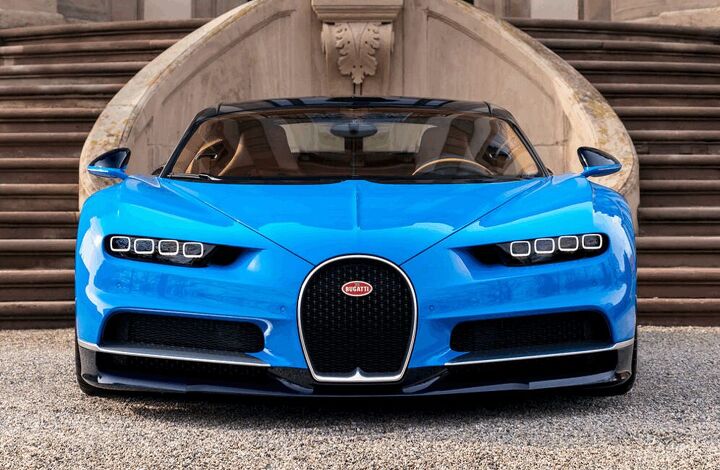
Understanding the Bugatti Chiron’s fuel economy
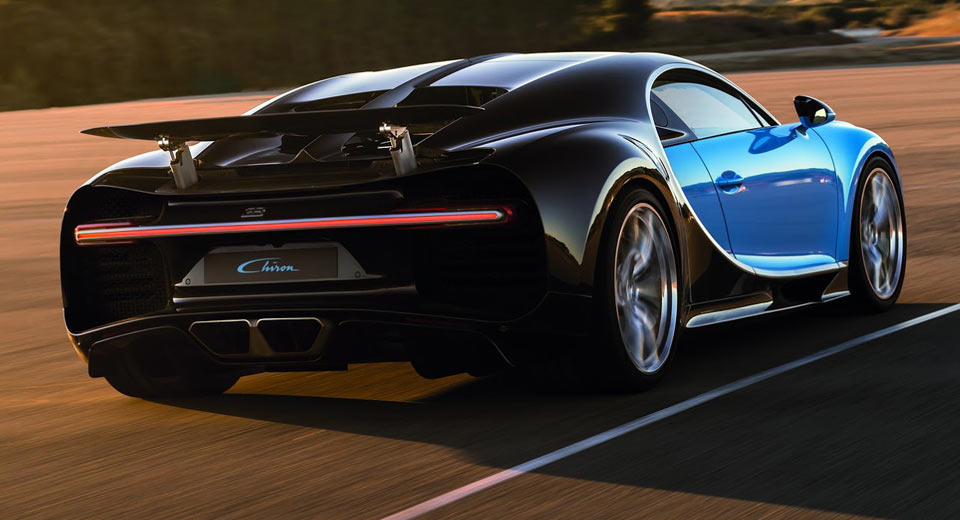
The fuel economy of the Bugatti Chiron is intentionally low compared with ordinary cars. This car packs a quad-turbocharged W16 engine that makes nearly 1,500 horsepower in some trims. Big power, big weight, and focused engineering for speed all push fuel consumption up. Expect manufacturer and regulatory ratings that highlight its hypercar nature rather than efficiency.
49% off Today's Exclusive Deals
Limited-time Exclusive Deals. Check current discount on Amazon.
Check Price on Amazon As an Amazon Associate I earn from qualifying purchases.Official fuel economy numbers and real-world figures
Manufacturer and regulatory tests give a baseline for the fuel economy of the Bugatti Chiron. Typical EPA-style figures for the Chiron are about 8 mpg city, 14 mpg highway, and around 10 mpg combined. Those numbers vary by model year and specific Chiron variant.
Real-world driving often shows different results. In daily drives, relaxed cruising can reach the upper end of highway figures. Under spirited driving, track use, or hard acceleration, fuel economy of the Bugatti Chiron drops to single digits, often 4–7 mpg. Long-distance cruising at moderate speeds can make the number look slightly better, but the Chiron will still guzzle fuel compared with normal cars.
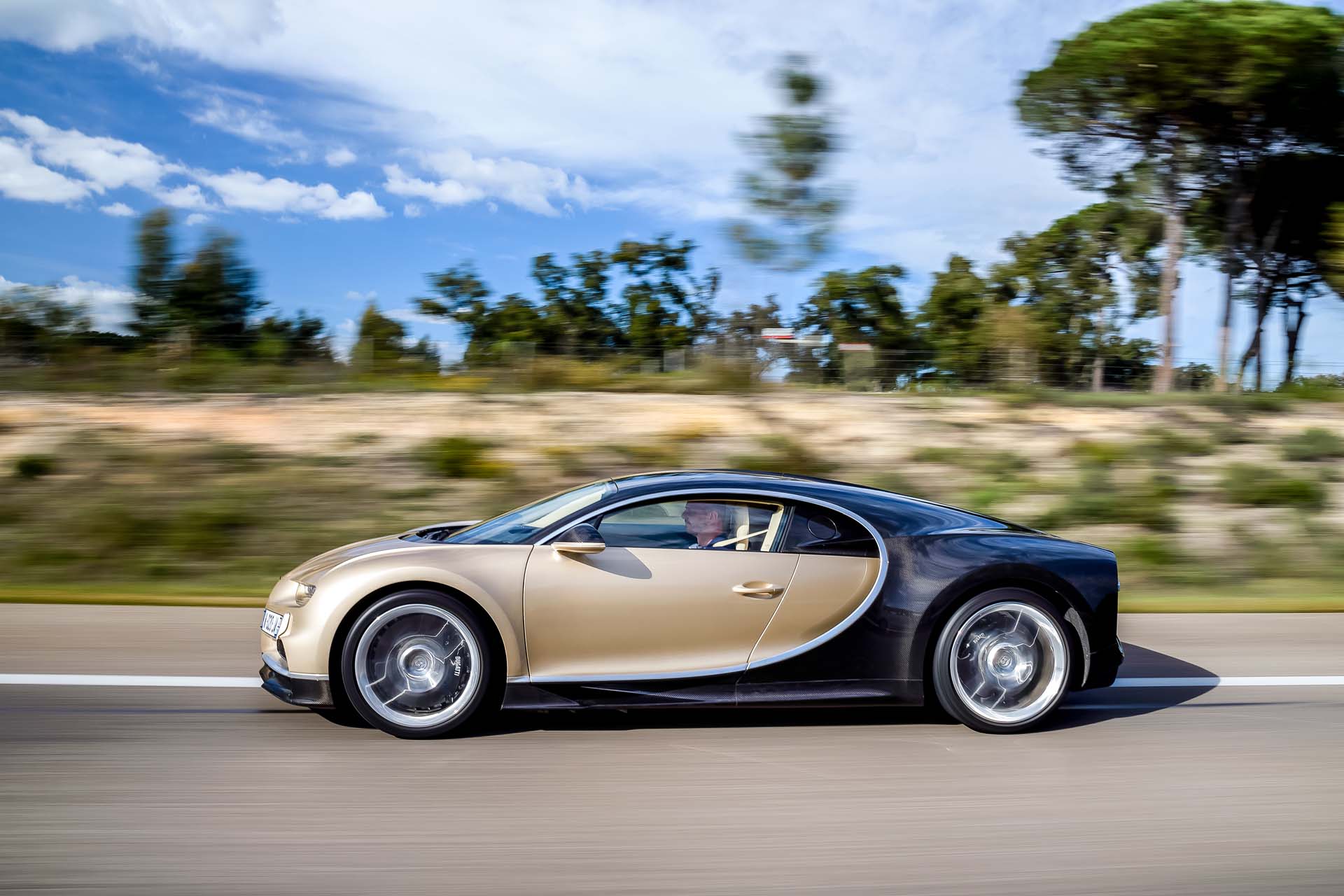
Why the Chiron’s fuel economy is so low
Several technical and design reasons explain the poor fuel economy of the Bugatti Chiron:
49% off Today's Exclusive Deals
Limited-time Exclusive Deals. Check current discount on Amazon.
Check Price on Amazon As an Amazon Associate I earn from qualifying purchases.- Massive engine displacement and turbocharging
The W16 engine is huge and prioritizes power over efficiency. Turbochargers increase fuel flow to produce rapid acceleration. - High curb weight
The Chiron weighs over 4,400 pounds. That mass requires more fuel to accelerate and to maintain speed from a stop. - Aerodynamic design optimized for top speed
Aerodynamic setups for 200+ mph stability often add drag at lower speeds or require active systems that use energy. - Performance-oriented gearing and cooling
Short gearing for acceleration and heavy cooling systems increase fuel use during normal driving.
These factors make the fuel economy of the Bugatti Chiron a predictable outcome of its engineering choices.

My experience: driving the Chiron and watching the fuel gauge
I’ve spent time around Chirons during track days and road events. On a mixed route with some spirited bursts, the instantaneous fuel economy often read in the single digits. On a long, steady highway stretch I once saw momentary readings close to 13–14 mpg, but that required gentle throttle and stable speeds. Fuel stops are frequent when enjoying the car; a full tank can disappear faster than you’d expect.
Lessons learned from real use:
- Plan fueling stops on long drives.
- Expect large bills for fuel and frequent fill-ups if you use the car often.
- Use gentle cruising if you want the best achievable fuel economy of the Bugatti Chiron.
 compares to other hypercars”
style=”max-width: 100%; height: auto; border: 2px solid black; border-radius: 10px; display: block; margin: 0 auto;”
loading=”lazy”
/>
How the Chiron compares to other hypercars
Comparing the fuel economy of the Bugatti Chiron with peers helps set expectations:
- Other hypercars with large engines often post similar low mpg values.
- Some modern hypercars use hybrid tech to improve economy in city or low-load driving, which can raise combined mpg compared with the Chiron.
- Lightweight or smaller-engine supercars may show better fuel economy but deliver a different kind of performance.
Overall, the Chiron is near the lower end of fuel economy among hypercars that prioritize raw power over efficiency.
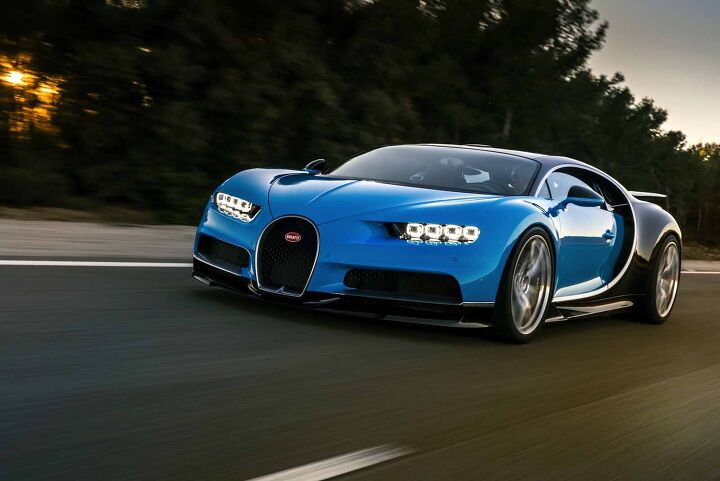
Practical tips to manage fuel consumption and ownership costs
If you own or plan to drive a Chiron, these steps help manage fuel use and costs:
- Plan routes and fueling points before long trips to avoid surprises and optimize cruising stretches.
- Use conservative driving modes when available to reduce throttle response and fuel flow.
- Keep tires properly inflated and perform regular maintenance to avoid efficiency losses.
- Consider mixing relaxed road use with occasional spirited sessions to balance enjoyment and fuel cost.
Small habits won’t transform the fuel economy of the Bugatti Chiron, but they can make ownership more manageable.
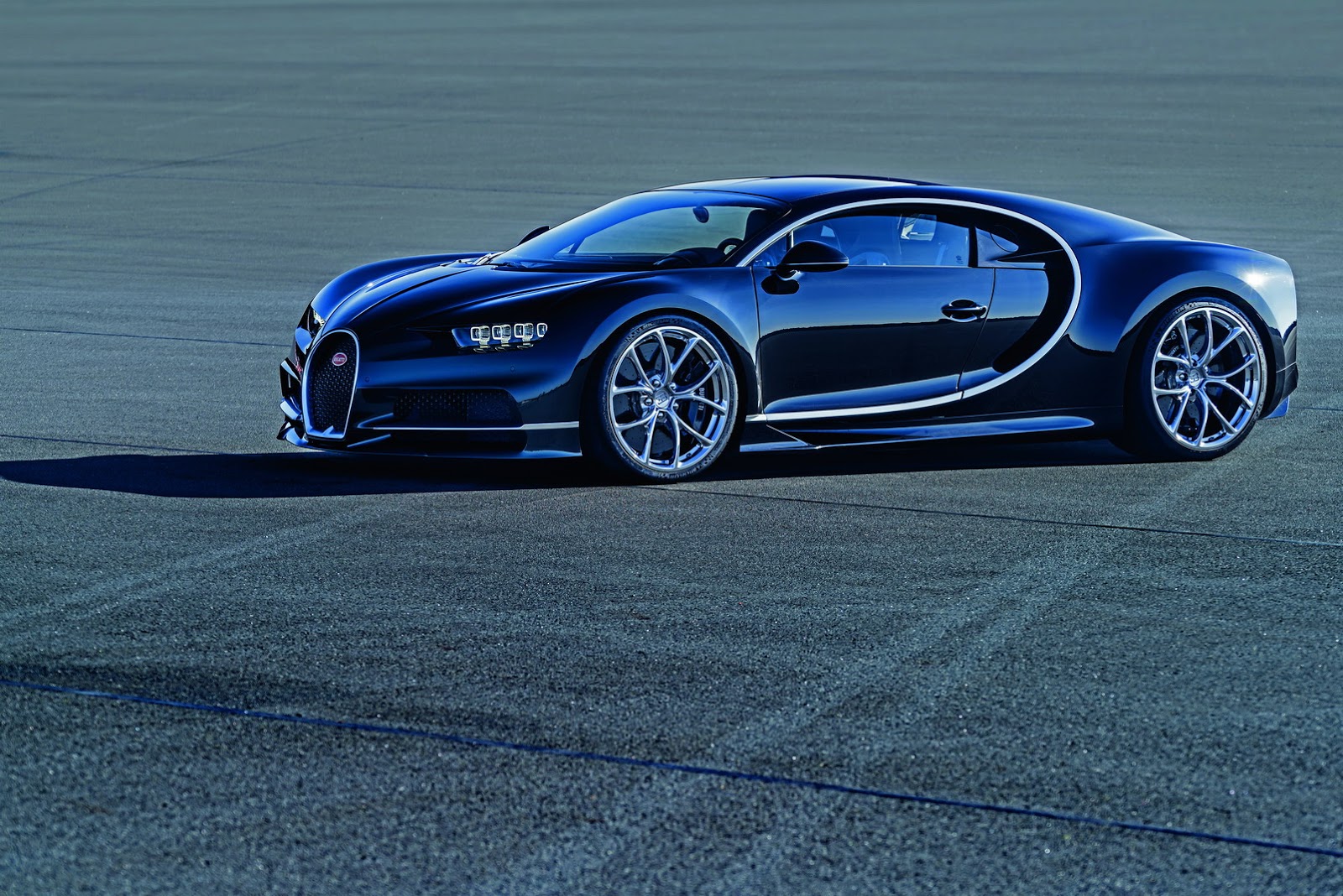
Common questions people ask while researching the Chiron (PAA-style)
How many miles will a Chiron get per tank?
A Chiron’s fuel tank holds roughly 100 liters (about 26 gallons), so expect 200–300 miles per tank in light use, and much less under spirited driving. Actual range varies widely with driving style.
Does driving slowly improve Chiron fuel economy a lot?
Yes, cruising at steady moderate speeds increases mpg compared with aggressive acceleration, but improvements are limited by the engine size and weight. You can see highway numbers approach the higher EPA figures only with careful driving.
Do hybrid technologies improve hypercar fuel economy significantly?
Hybrid systems help some hypercars improve combined mpg and city efficiency, especially with electric assist and regenerative braking. The Chiron mainly relies on internal combustion, so it doesn’t benefit much from such efficiency gains.

Frequently Asked Questions of What is the fuel economy of the Bugatti Chiron?
What is the official mpg rating for the Bugatti Chiron?
Official regulatory figures for the Chiron are roughly 8 mpg city, 14 mpg highway, and about 10 mpg combined. These numbers reflect standardized testing for a baseline comparison.
How does real-world fuel economy differ from the official rating?
Real-world results can be lower or slightly higher depending on driving style; aggressive driving usually drops mpg into single digits, while calm highway cruising can approach the official highway figure. Expect wide variation based on conditions.
Can you increase the fuel economy of the Chiron with modifications?
Modifications that reduce weight or optimize aerodynamics can help slightly, but major gains are unlikely without sacrificing performance. Most owners accept the trade-off to preserve speed and reliability.
How often will you need to refuel on a long trip?
With a typical tank range of 200–300 miles depending on speed and style, you’ll refuel more often than in a normal car. Planning fuel stops is essential for long trips in a Chiron.
Are there Chiron variants with better fuel economy?
Some limited variants tune power or add tech that slightly alters consumption, but no Chiron variant is designed primarily for fuel economy. Differences between trims are modest compared with the overall fuel profile.
Is the Chiron’s fuel cost a major part of ownership?
Yes, fuel is a significant recurring cost relative to many other cars. Owners should budget accordingly, especially if they drive the car frequently or enjoy spirited sessions.
Conclusion
The fuel economy of the Bugatti Chiron reflects its purpose: maximum performance rather than efficiency. Expect official ratings near 8 mpg city and 14 mpg highway, with real-world figures widely varying from single digits during spirited use to low double digits when cruising gently. If you own or plan to drive a Chiron, accept the fuel trade-off, plan fueling, and use conservative driving when you want better range. Embrace the experience but prepare practically for fuel and operational costs. Share your thoughts or experiences below, subscribe for more hypercar insights, or ask a question if you want deeper comparisons or ownership tips.