Comprehensive active and passive protections: Autopilot, robust structure, airbags, battery safeguards, and ongoing software updates.
I’ve spent years reviewing EV safety and driving Tesla vehicles in varied conditions. Here I explain what safety features are included in the Tesla Model Y, how they work, and what they mean for real-world use. Read on for a clear, experience-backed guide to the Model Y’s protections, limits, and practical tips you can apply today.
49% off Today's Exclusive Deals
Limited-time Exclusive Deals. Check current discount on Amazon.
Check Price on Amazon As an Amazon Associate I earn from qualifying purchases.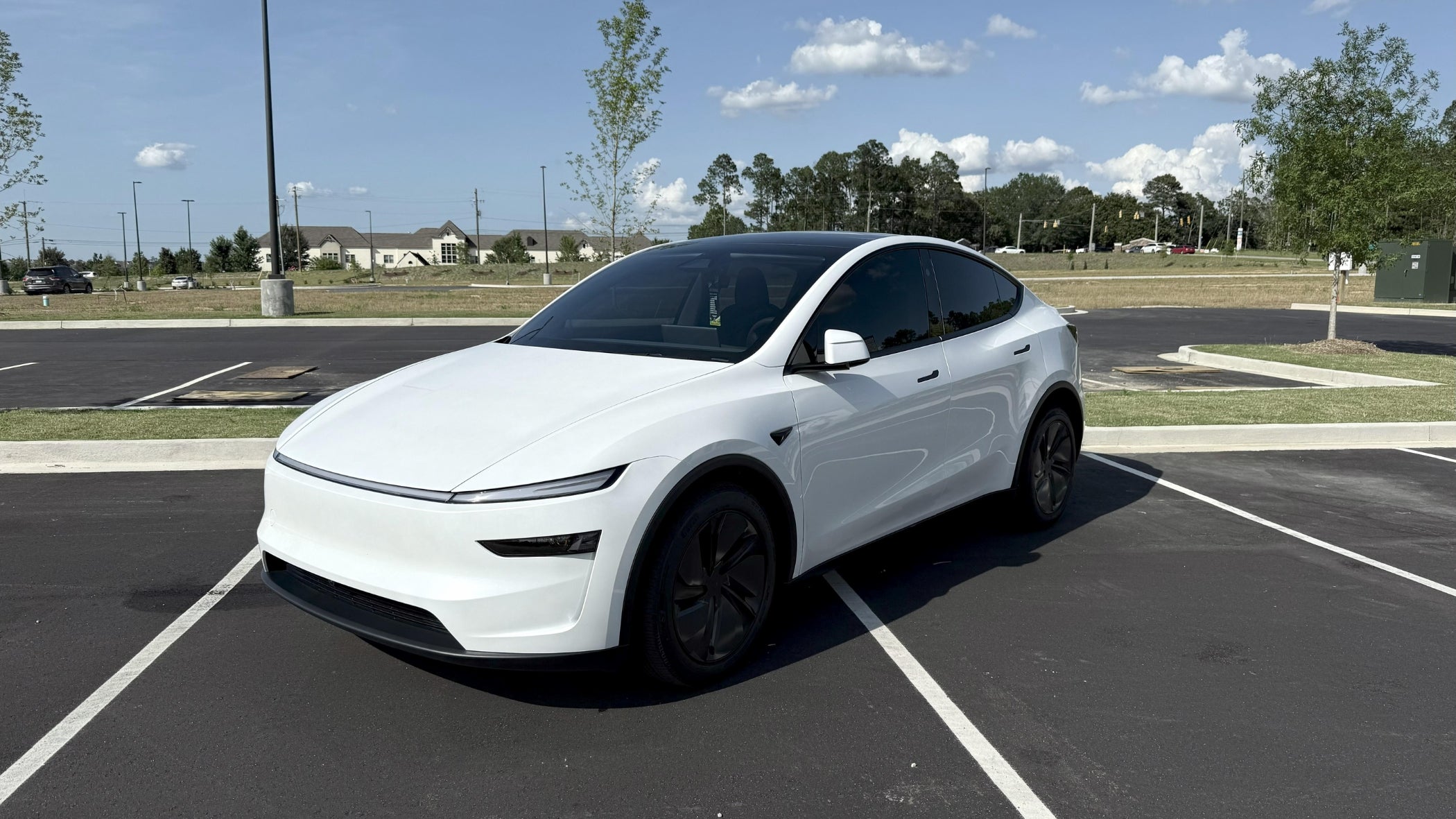
How Tesla approaches vehicle safety
Tesla treats safety as a core design goal across hardware, software, and data. The Model Y blends strong structure with many active systems. It relies on cameras, sensors, and machine learning to prevent crashes and protect occupants. I’ll break down how each layer works and why that matters for daily driving.
49% off Today's Exclusive Deals
Limited-time Exclusive Deals. Check current discount on Amazon.
Check Price on Amazon As an Amazon Associate I earn from qualifying purchases.Structural design and crash protection
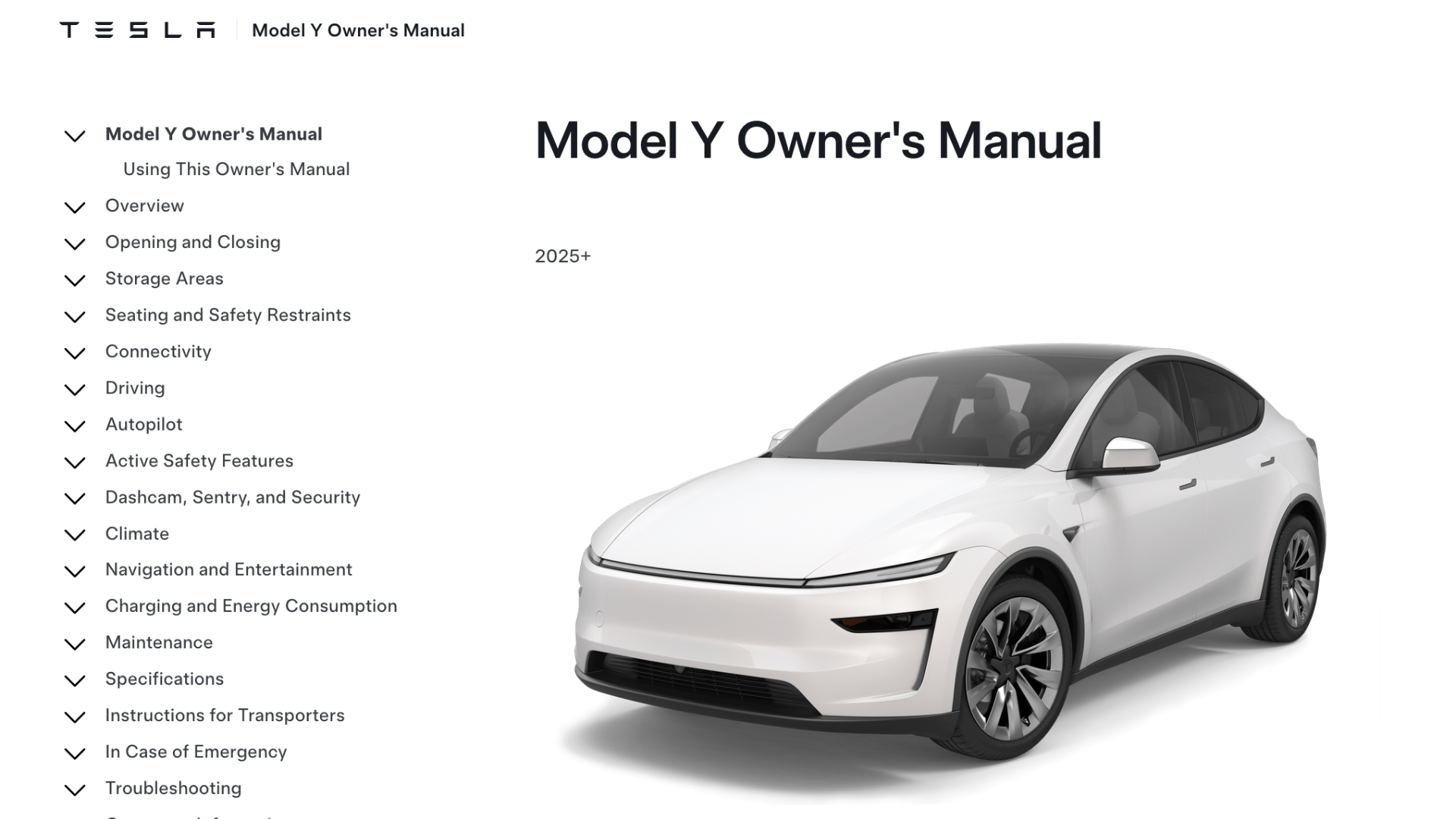
The Model Y’s frame uses a low center of gravity thanks to the battery pack. This reduces rollover risk and improves stability. Crumple zones and reinforced cabin sections help absorb impact energy. These design choices are the backbone of the car’s high crash-survivability profile.
Passive safety features
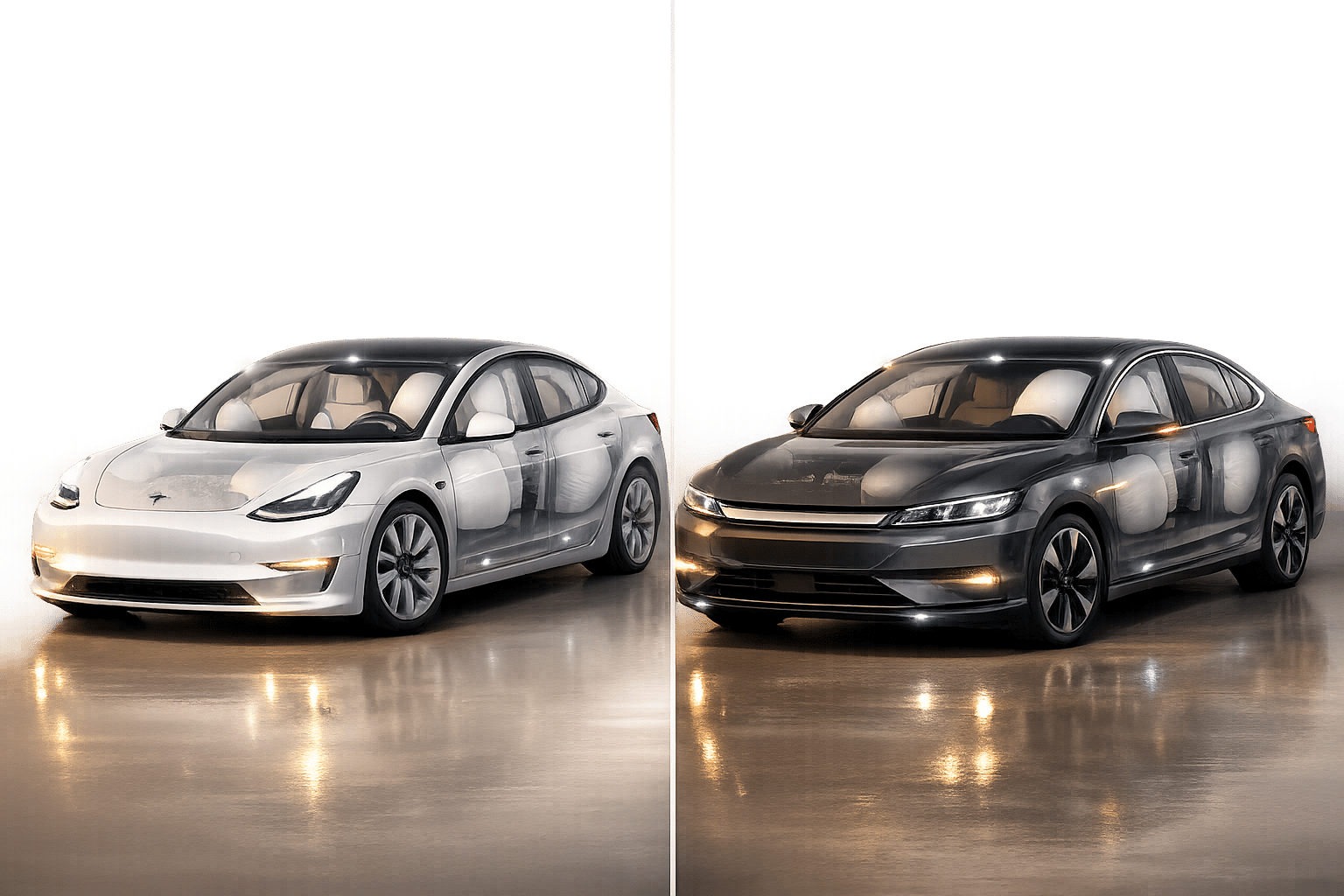
Passive systems protect occupants during a crash. Key elements include:
- Airbags: Front, side, curtain, and knee airbags for comprehensive coverage.
- Seat belts: Pretensioners and load limiters to control occupant motion.
- Rigid safety cage: Reinforced pillars and floor structure around the passenger cell.
- Child restraints: ISOFIX/LATCH anchors for secure child seat installation.
These features combine to reduce injury risk when collisions occur.

Source: insideevs.com
Active safety systems and driver aids
Active systems work to prevent crashes before they happen. The Model Y includes:
49% off Today's Exclusive Deals
Limited-time Exclusive Deals. Check current discount on Amazon.
Check Price on Amazon As an Amazon Associate I earn from qualifying purchases.- Automatic Emergency Braking: Detects imminent collisions and brakes if needed.
- Forward Collision Warning: Alerts drivers to front-end hazards early.
- Lane Departure Avoidance and Lane Keep Assist: Helps the car stay centered in lanes.
- Blind-spot awareness: Alerts or intervenes to avoid side collisions.
- Obstacle-aware acceleration: Reduces acceleration if an obstacle is detected ahead.
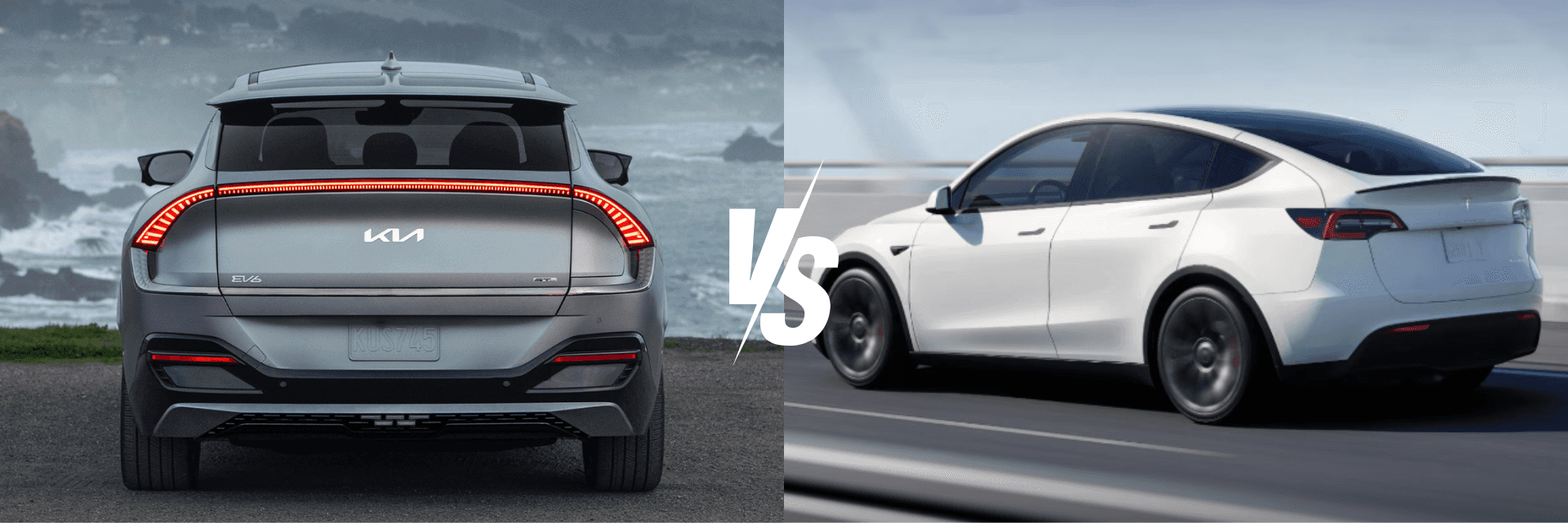
Together, these systems form a proactive safety net that cuts common crash causes.
Source: rontonkinkia.com
Autopilot, Full Self-Driving (FSD), and driver responsibility
Autopilot and optional FSD add advanced driver assistance. They provide adaptive cruise, lane centering, and assisted lane changes. Important points:
- These systems assist but do not replace the driver. Hands must stay on the wheel and attention must remain on the road.
- Sensors include multiple cameras and ultrasonic sensors. Software uses neural networks to interpret data.
- Features evolve via over-the-air updates, improving safety over time.
Remember: overreliance is risky. Treat Autopilot as a powerful assistant, not as a full substitute for active driving.

Source: pimpmyev.com
Battery and thermal safety
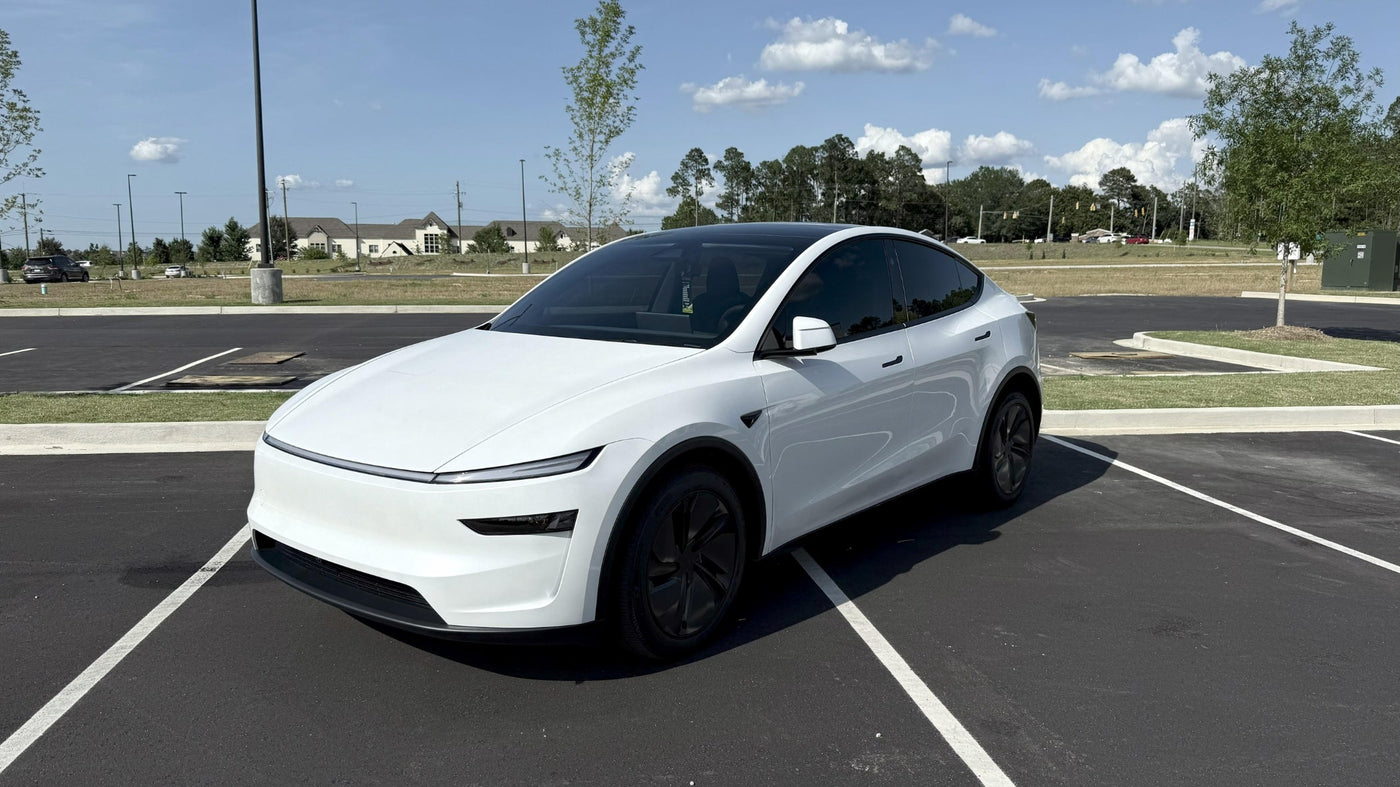
Battery safety is central to EV design. Model Y uses:
- A robust battery pack mounted low and protected by structural elements.
- Active thermal management to keep cells at safe temperatures.
- Redundant systems and software monitoring to detect anomalies early.
These elements lower the chance of thermal runaway and isolate issues when they happen.
Source: pimpmyev.com
Software, updates, and data-driven safety improvements
Tesla ships safety fixes and enhancements via over-the-air updates. This allows:
- Rapid bug fixes and feature upgrades without a service visit.
- Improvements to braking, steering assistance, and collision detection based on fleet data.
- Continuous refinement of camera-based algorithms.
This data-driven approach speeds up safety improvements across the fleet.
Source: ev24.africa
Child and occupant protection in daily use
Practical occupant protections include:
- ISOFIX anchors and clear instructions for child seat fitment.
- Rear seat reminders and accessible anchor points to secure cargo and children.
- Configurable safety settings to limit maximum speed for inexperienced drivers.
Small checks—proper seat position and correct child seat installation—make these systems work as intended.

Source: reddit.com
Crash ratings and real-world performance
Independent testing agencies and real-world crash data show the Model Y performs very well. High scores reflect strong structure plus active systems that reduce crash severity. Still, no vehicle is invincible; safe driving habits and proper maintenance remain essential.
Limitations, edge cases, and responsible use
No system is perfect. Known limitations include:
- Reduced sensor performance in heavy snow, dense fog, or obstructed cameras.
- Occasional software misinterpretation of complex scenes.
- Overreliance on Autopilot leading to inattention.
Be ready to take control. Keep camera and sensor areas clean and update software regularly for best results.
Practical tips from real driving experience
I’ve driven the Model Y in city and highway conditions. Useful tips:
- Keep the windshield, cameras, and sensors clean for reliable detection.
- Use driver assist features but practice manual intervention so you stay ready.
- Review safety settings after software updates—new options may appear.
- Check child seat fit often and follow the car’s guidance for anchors and belts.
Small habits improve safety more than any single feature.
Common questions people ask inside the article
What about Autopilot in heavy rain? Autopilot and active systems may reduce function in heavy rain. Slow down and be prepared to drive manually.
Can software updates change crash behavior? Yes. Updates can refine braking and steering logic and improve detection. Keep your car updated.
Is battery fire risk high? Battery fires are rare thanks to design and thermal systems, but prompt action and professional service are essential if a problem occurs.
Frequently Asked Questions of What safety features are included in the Tesla Model Y?
What safety features are included in the Tesla Model Y?
The Model Y includes airbags, seat belt pretensioners, a reinforced safety cage, and ISOFIX anchors. It also has active systems like Automatic Emergency Braking, lane keeping, and blind-spot alerts.
How does Tesla Autopilot improve safety in the Model Y?
Autopilot helps maintain speed, distance, and lane position and can avoid some collisions using cameras and sensors. It requires driver supervision and does not replace hands-on driving.
Is the Tesla Model Y crash-tested and rated highly?
Yes, the Model Y has earned strong crash-test results from independent agencies, reflecting good structural design and effective restraint systems. Ratings reflect both passive and active safety performance.
How does the Model Y protect the battery in a crash?
The battery sits low and inside a reinforced structure with thermal management and sensors that detect faults. This reduces the risk of damage and thermal events after a collision.
Can software updates change safety features on the Model Y?
Yes, over-the-air updates can add safety features, refine driver assistance, and improve detection algorithms without a dealer visit. Regular updates keep systems current and safer.
Conclusion
Tesla combines strong structure, comprehensive passive protections, and advanced active systems to form the Model Y’s safety package. I encourage drivers to learn how each feature works, keep systems updated, and stay engaged behind the wheel. Take practical steps now: check child seat fit, keep sensors clean, and review driver-assist settings after updates. If you found this useful, try these tips on your next drive and share your experience or questions below.