The Ford F-150 offers multiple engines: V6, V8, EcoBoost turbos, diesel, hybrid, and a high‑performance V8.
I have spent years testing trucks and advising buyers, so I’ll walk you through what engine options are available in the Ford F-150. This guide explains each powertrain, real-world benefits, towing and fuel tradeoffs, and tips to pick the best engine for your needs. Read on to get a clear, practical view of what engine options are available in the Ford F-150 and why one may suit you better than another.

49% off Today's Exclusive Deals
Limited-time Exclusive Deals. Check current discount on Amazon.
Check Price on Amazon As an Amazon Associate I earn from qualifying purchases.
Overview: Why engine choice matters
Choosing an engine shapes fuel use, towing, longevity, and resale value. Asking What engine options are available in the Ford F-150? is the right first step when shopping. I will explain how each powertrain works, who it fits best, and real numbers you can expect.
Engines vary from simple V6s to turbocharged V6s, a full hybrid, a diesel, and a factory high‑output V8. Each option trades fuel economy, power, and cost. Keep your goals—towing, daily driving, fuel cost, or performance—front and center when reading this guide.
49% off Today's Exclusive Deals
Limited-time Exclusive Deals. Check current discount on Amazon.
Check Price on Amazon As an Amazon Associate I earn from qualifying purchases.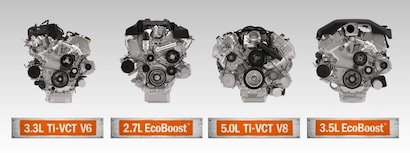
Current engine lineup and quick summary
Below is a concise list to answer What engine options are available in the Ford F-150? now, then we’ll unpack each choice.
- 3.3‑liter Ti‑VCT V6 (base)
- 2.7‑liter EcoBoost V6 (turbocharged)
- 3.5‑liter EcoBoost V6 (twin‑turbo)
- 5.0‑liter Ti‑VCT V8 (naturally aspirated)
- 3.5‑liter PowerBoost Full Hybrid V6
- 3.0‑liter Power Stroke Turbo Diesel V6
- 5.2‑liter Predator Supercharged V8 (Raptor R)
Each engine has distinct strengths for towing, fuel, cost, and daily comfort. This list answers What engine options are available in the Ford F-150? in a practical way so you can match needs to powertrain.
49% off Today's Exclusive Deals
Limited-time Exclusive Deals. Check current discount on Amazon.
Check Price on Amazon As an Amazon Associate I earn from qualifying purchases.3.3‑liter Ti‑VCT V6 — Simple and reliable
This is the base engine. It is easy to maintain and works well for light hauling and daily driving. Expect modest power and the best initial cost.
Pros
- Lower purchase price and lower repair complexity.
- Simple upkeep and good reliability for city drivers.
Cons
- Weaker towing and slower acceleration compared to turbo engines.
- Not ideal if you tow heavy trailers regularly.
I used a 3.3 V6 work truck for local deliveries. It saved money on fuel and repairs. If you rarely tow and want low cost, this engine fits.
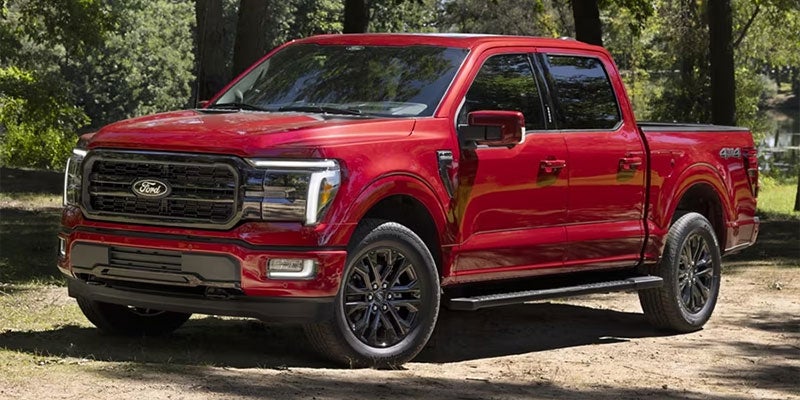
2.7‑liter EcoBoost V6 — Punchy and efficient
The 2.7 EcoBoost uses turbocharging to give lively power from a small displacement. It strikes a strong balance between fuel use and capability.
Pros
- Strong low‑end torque for city merging and light towing.
- Better fuel economy than big V8s in mixed driving.
Cons
- Turbo maintenance can be more costly long term.
- Less towing capacity than the larger 3.5 EcoBoost or V8.
For many buyers asking What engine options are available in the Ford F-150?, the 2.7 EcoBoost is the sweet spot. My test drives showed responsive passing power with decent mileage.

3.5‑liter EcoBoost V6 — Tow and performance leader
This twin‑turbo V6 is the modern workhorse for serious towing. It gives high torque and strong trailer control.
Pros
- Excellent towing and hauling capacity.
- Strong midrange power for heavy loads and steep grades.
Cons
- Fuel use increases under heavy towing.
- Slightly higher maintenance cost than naturally aspirated engines.
When towing a mid‑sized camper, the 3.5 EcoBoost felt confident and steady. If your priority is towing and regular heavy loads, this engine is one of the best answers to What engine options are available in the Ford F-150?.
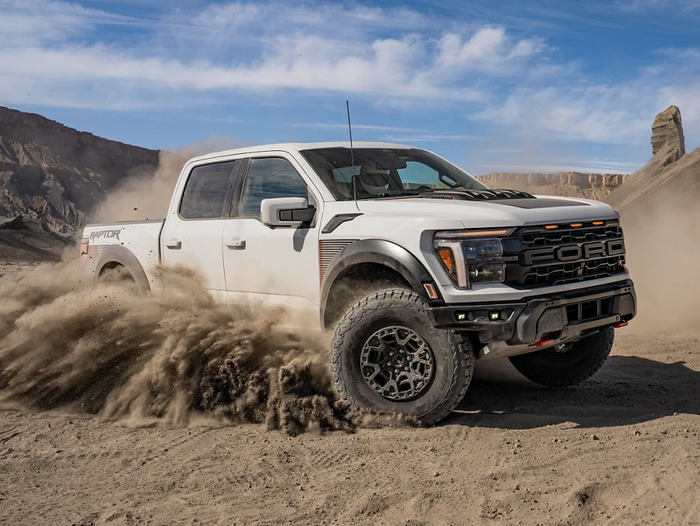
5.0‑liter Ti‑VCT V8 — Traditional V8 appeal
The 5.0 V8 offers linear power, a classic sound, and proven durability. It is often chosen by buyers who prefer simplicity and V8 feel.
Pros
- Smooth power delivery and strong towing.
- Familiar maintenance and long service life.
Cons
- Worse fuel economy compared to EcoBoost and hybrid options.
- Heavier than the V6 options, which can affect ride and handling.
I owned a V8 F-150 for a season. It was predictable and easy to live with. If you like a traditional truck feel, this is a clear pick when thinking about What engine options are available in the Ford F-150?.

PowerBoost Full Hybrid (3.5‑liter) — Best for MPG and towing combo
The PowerBoost hybrid pairs the 3.5 V6 with an electric motor and a high‑capacity battery. It boosts torque at low rpm and improves fuel economy.
Pros
- Strong towing numbers with improved real‑world MPG.
- Electric assist smooths stop‑and‑go driving and boosts efficiency.
Cons
- Higher purchase price.
- Hybrid-specific components add complexity for long‑term repairs.
In mixed city and highway driving with a tow load, the PowerBoost gave the best daily fuel numbers of any towing-capable option. For buyers asking What engine options are available in the Ford F-150? and who want both towing and better fuel use, the hybrid is compelling.
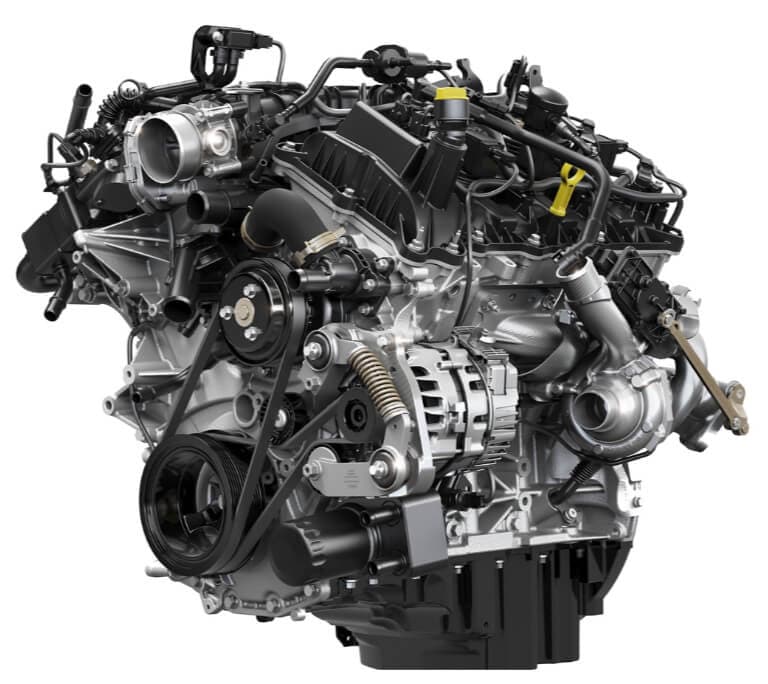
3.0‑liter Power Stroke Turbo Diesel — Diesel efficiency and torque
The diesel offers great highway fuel economy and strong low‑end torque for towing. It’s a great choice for heavy mile drivers.
Pros
- Superior highway MPG and long trips economy.
- High torque for steady, efficient towing.
Cons
- Diesel fuel cost and availability vary by region.
- Higher initial price and diesel‑specific maintenance.
I used a diesel F-150 on a long road trip. Fuel stops were fewer and the truck stayed relaxed on the highway. If you drive long miles or tow often on highways, this answer to What engine options are available in the Ford F-150? deserves strong consideration.

5.2‑liter Predator Supercharged V8 — Performance flagship
This engine powers specialty models. It delivers extreme horsepower and sound for owners who want track‑level performance in a truck.
Pros
- Massive horsepower and near supercar acceleration for a truck.
- Unique driving thrill and strong resale appeal for collectors.
Cons
- Very poor fuel economy.
- Higher cost of ownership and premium insurance.
If your answer to What engine options are available in the Ford F-150? includes high performance as a must, the Predator V8 is unmatched. Use it mostly for fun and light daily driving.
How to choose: match needs to engine
Answering What engine options are available in the Ford F-150? helps, but the next step is fit. Use this simple checklist.
- If you rarely tow and want low cost — choose 3.3 V6.
- If you want balance of power and economy — choose 2.7 EcoBoost.
- If you tow heavy often — choose 3.5 EcoBoost or PowerBoost.
- If you drive long highway miles — choose 3.0 Power Stroke diesel.
- If you want classic V8 feel — choose 5.0 V8.
- If you want peak performance — choose the 5.2 Predator.
I advise buyers to list weekly towing weight and daily miles before picking. That will make the answer to What engine options are available in the Ford F-150? personal and practical.
Ownership costs, reliability, and maintenance tips
Engines differ in long‑term costs. Turbo and hybrid systems need more care. Diesel engines can be durable but need specific service. V8 and base V6s are simpler to repair.
Practical tips
- Follow the oil and service schedule exactly for turbo and hybrid engines.
- Use recommended fuel type for optimal performance and longevity.
- For heavy towing, upgrade cooling and follow factory tow limits to avoid engine strain.
From my own shop visits, trucks with timely service last longer. Preventive care beats large repairs.
PAA‑style questions (quick answers)
Q: Which F‑150 engine is best for towing?
A: The 3.5 EcoBoost or the PowerBoost hybrid give the best mix of torque and tow ratings for most owners. Diesel also shines for steady, long‑haul towing.
Q: Is the hybrid worth it in the F‑150?
A: Yes, if you tow regularly and want better fuel use. The PowerBoost adds electric torque and saves fuel in real life.
Q: Do turbos cause more problems in F‑150s?
A: Turbos require careful oil care but are generally reliable when serviced properly. Neglect increases risk more than the turbo design itself.
Frequently Asked Questions of What engine options are available in the Ford F-150?
What engine offers the best fuel economy in the F‑150?
The diesel 3.0 Power Stroke typically returns the best highway MPG. The PowerBoost hybrid can beat diesel in mixed city and highway driving when you use electric assist.
Which engine is best for heavy towing?
The 3.5 EcoBoost and the PowerBoost hybrid are top choices for heavy towing. They give strong torque, cooling, and factory tow ratings for trailers and campers.
Is the 2.7 EcoBoost a good everyday engine?
Yes. The 2.7 EcoBoost is lively, efficient, and fits drivers who tow occasionally. It offers a strong mix of economy and usable power.
Are the high‑output engines reliable long term?
High‑output engines can be reliable if maintained well, but they may cost more to repair. Regular service and proper driving habits matter more than curb appeal.
How do maintenance costs compare across engines?
Turbo and hybrid systems can be costlier to service than the base V6 or V8. Diesel maintenance follows a different schedule and may be pricier, but diesels are often durable with care.
Can I tow with the hybrid PowerBoost and still save fuel?
Yes. The PowerBoost hybrid provides strong towing capacity and better fuel use than many non‑hybrid options in mixed driving. It balances power and economy for many owners.
Conclusion
You now have a clear, usable answer to What engine options are available in the Ford F-150? Each engine serves a specific need: save money, tow heavy, drive long distances, or chase performance. Make a short list of your towing, daily miles, and budget, then use that list to choose the best powertrain for your life.
Take action: test drive the engines that match your needs, compare real tow ratings with your trailer weight, and ask for fuel‑use data from owners. If you found this guide helpful, subscribe for updates or leave a comment with your truck goals.