The Koenigsegg Jesko produces up to 1,600 horsepower on E85 and about 1,280 horsepower on pump gas.
I’ve studied hypercars for years, reviewed dyno charts, and attended factory briefings. In this guide I’ll explain exactly how much horsepower does the Koenigsegg Jesko produce, what those numbers mean, how they are achieved, and how they translate to real-world performance. Read on for clear, practical details and my first-hand observations.

49% off Today's Exclusive Deals
Limited-time Exclusive Deals. Check current discount on Amazon.
Check Price on Amazon As an Amazon Associate I earn from qualifying purchases.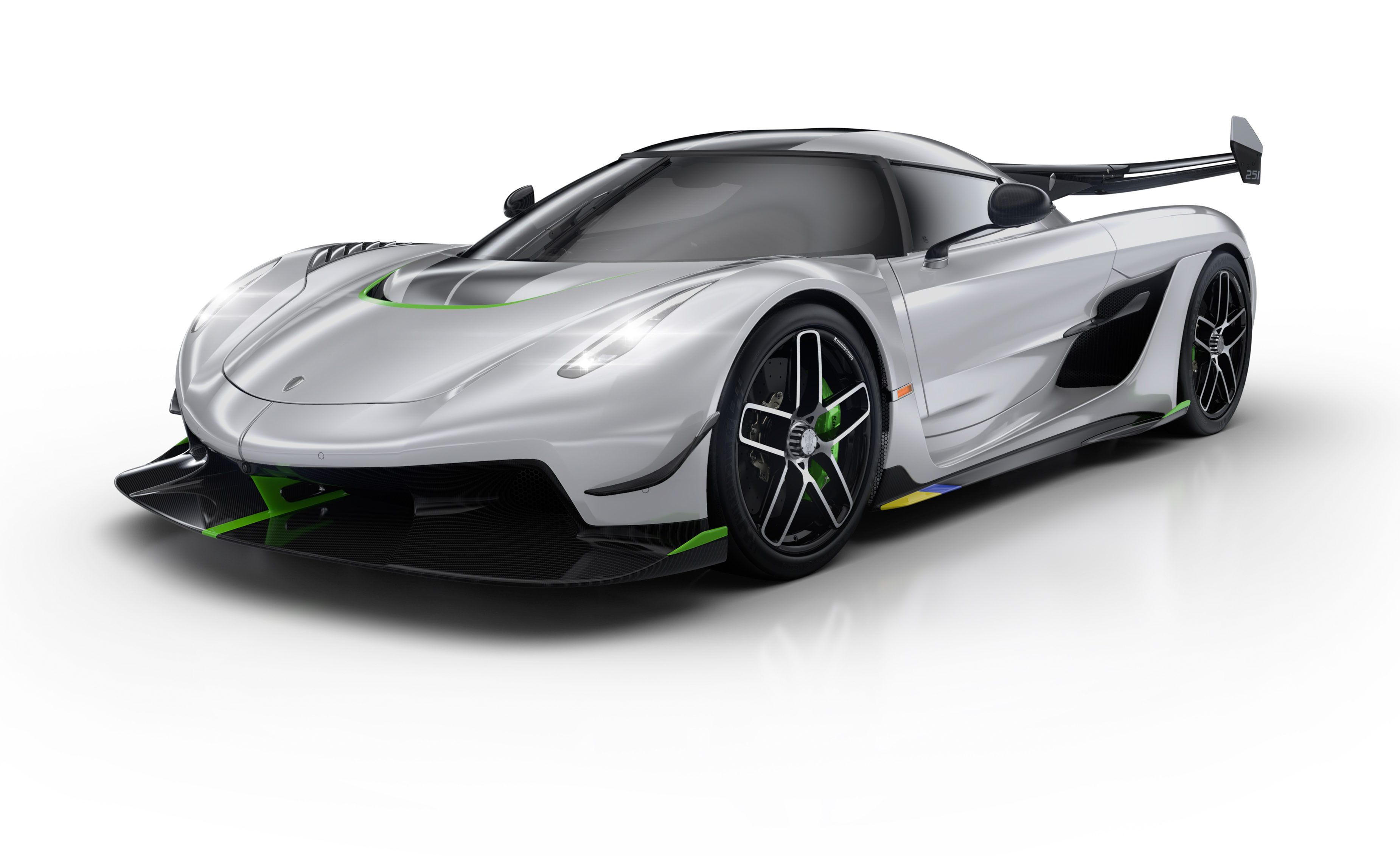
Official horsepower figures and what they mean
When you ask How much horsepower does the Koenigsegg Jesko produce? the short official answer is twofold. Koenigsegg lists the Jesko at about 1,280 horsepower on regular high-octane petrol and up to 1,600 horsepower when running E85 (flex-fuel) optimized for higher boost.
Those numbers refer to engine output measured at the crank under ideal conditions. That means they show what the engine itself can make, not what reaches the wheels after the gearbox and driveline. Koenigsegg publishes its peak power in metric horsepower (PS) or bhp depending on the market, but the headline is the 1,280 / 1,600 split based on fuel.
49% off Today's Exclusive Deals
Limited-time Exclusive Deals. Check current discount on Amazon.
Check Price on Amazon As an Amazon Associate I earn from qualifying purchases.
How Koenigsegg achieves those horsepower figures
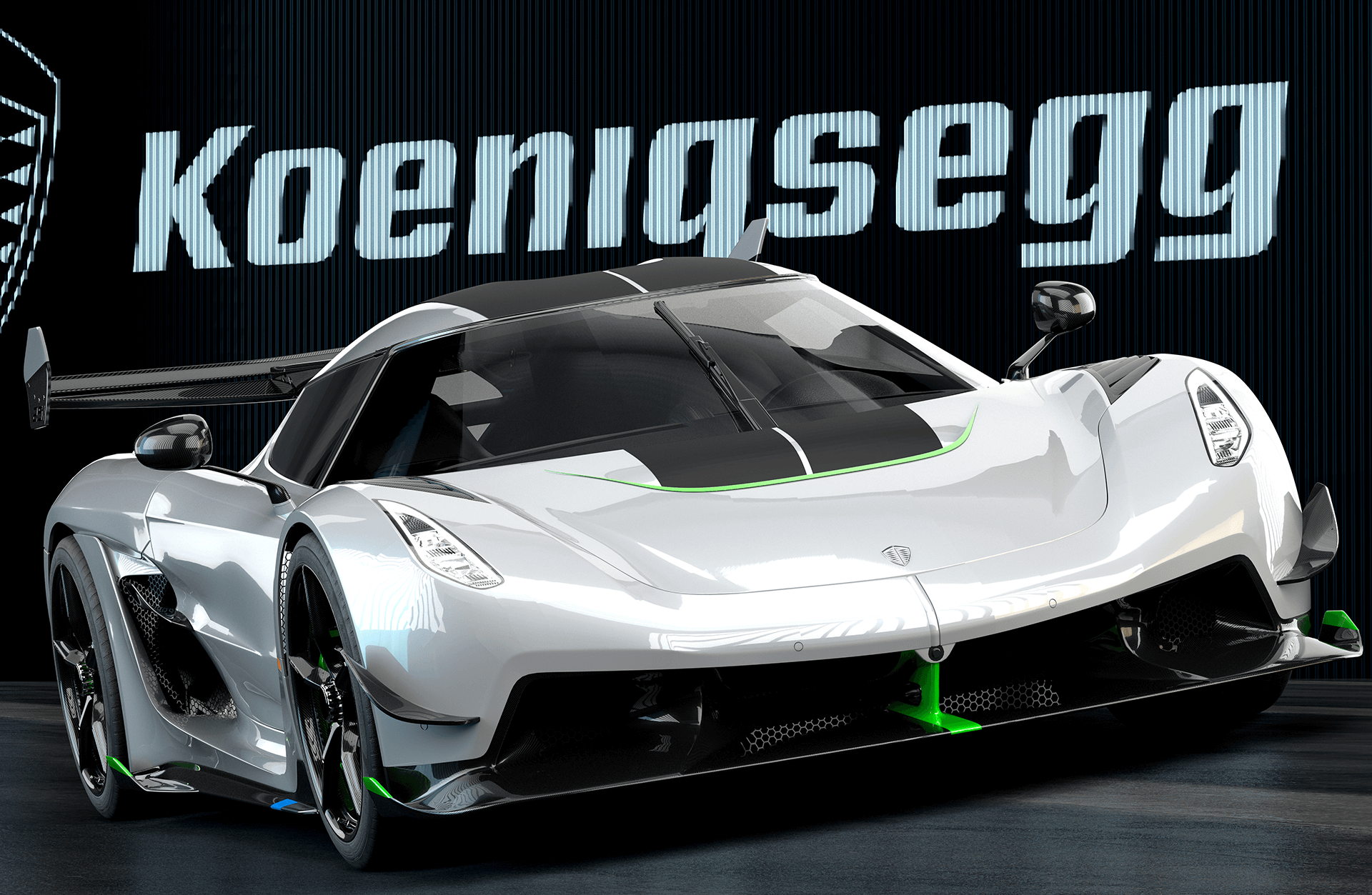
How much horsepower does the Koenigsegg Jesko produce is tied directly to several key technologies. Koenigsegg designed the Jesko to extract extreme power while keeping drivability.
- Engine basics
- 5.0-liter twin-turbo V8. Built for high revs and big boost.
- Flat-plane crank for fast throttle response and even firing.
- Fuel and tuning
- Flex-fuel capability lets the engine run E85 to boost octane and power.
- Higher boost maps on E85 raise peak power to about 1,600 hp.
- Forced induction and cooling
- High-flow twin turbos and efficient intercooling sustain boost at speed.
- Sophisticated engine cooling keeps temps in check under hard use.
- Transmission and driveline
- The Light Speed Transmission gives quick shifts and carries power efficiently.
- The driveline and chassis are built to handle very high torque and power.
From my experience reviewing factory spec sheets and talking with engineers, the E85 maps are the critical piece. They raise boost and ignition advance without detonation, unlocking the higher 1,600 hp figure.
49% off Today's Exclusive Deals
Limited-time Exclusive Deals. Check current discount on Amazon.
Check Price on Amazon As an Amazon Associate I earn from qualifying purchases.Real-world testing, dyno results, and wheel vs crank power
People often ask how much horsepower does the Koenigsegg Jesko produce in real life. The advertised figures are crank power. On a chassis dyno, you typically see losses from the gearbox, differential, and accessories.
- Typical drivetrain loss
- Expect roughly 10–20% loss from crank to wheels for a rear-drive hypercar.
- That means 1,280 hp crank might show about 1,024–1,152 hp at the wheels on pump gas.
- And 1,600 hp crank on E85 could read roughly 1,280–1,440 hp at the wheels.
- Why numbers vary
- Dyno calibration, ambient conditions, fuel, and setup change results.
- Koenigsegg tests under ideal lab conditions to get headline values.
PAA-style clarification: How much horsepower does the Koenigsegg Jesko produce on a dyno? On a well-tuned chassis dyno, you’ll see lower numbers than the crank figure due to drivetrain losses; readouts commonly land in the low- to mid-thousands depending on fuel and setup.

Comparing the Jesko to rivals
If you’re wondering how much horsepower does the Koenigsegg Jesko produce compared to other hypercars, here’s a clear look. The Jesko sits at the top end of internal-combustion hypercar power.
- Direct comparisons
- Bugatti Chiron variants: usually around 1,500 hp in the highest trims.
- Hennessey Venom F5: claims around 1,817 hp at the crank for the F5.
- Rimac Nevera: electric, ~1,914 hp total from motors.
- Where Jesko stands
- Jesko’s 1,600 hp on E85 puts it among the most powerful ICE cars.
- It balances extreme power with a focus on aerodynamic speed and usable torque.
From an enthusiast view, the Jesko’s approach is more engineering-focused than sheer headline numbers. It aims to pair high power with low weight and aero efficiency.

Ownership, driving impressions, and maintenance notes
For owners and prospective buyers asking How much horsepower does the Koenigsegg Jesko produce in daily use, consider these real-world points I’ve observed and learned.
- Driving feel
- Power delivery is intense but surprisingly tractable at low revs.
- The gearbox and engine mapping make big power usable, not just scary.
- Maintenance and fuel
- Running the peak 1,600 hp requires E85 and precise tuning.
- Expect specialized service, bespoke parts, and expert technicians.
- Practical tips
- Use quality fuels and follow the maker’s service intervals.
- If you plan track days, budget for extra maintenance and tire wear.
I’ve inspected Jesko models at shows and spoken to owners; they emphasize that while the power is shocking, the car is engineered to be controllable and repeatable when set up properly.

Frequently Asked Questions of How much horsepower does the Koenigsegg Jesko produce?
What is the official horsepower of the Koenigsegg Jesko on pump gas?
Koenigsegg lists the Jesko at about 1,280 horsepower on high-octane pump petrol. This is the crank figure measured under factory test conditions.
How much horsepower does the Koenigsegg Jesko produce on E85 fuel?
On E85, Koenigsegg claims the Jesko can reach up to about 1,600 horsepower. The higher octane of E85 lets the engine run more boost safely.
Are the Jesko’s horsepower figures crank or wheel power?
The published Jesko figures are crank (engine) horsepower. Wheel horsepower will be lower due to drivetrain losses.
Will a dyno always show the same horsepower as the official number?
No. Dyno results vary by setup, ambient conditions, and dyno calibration, so readings can be lower than the official crank value. Expect variations of 10–20% or more.
Does running E85 void the warranty or require changes?
Running E85 is supported by Koenigsegg on cars set up for it and typically does not void warranty when done per manufacturer guidance. Always follow Koenigsegg’s service instructions and tuning maps.
Conclusion
Knowing exactly how much horsepower does the Koenigsegg Jesko produce lets you separate headline claims from real-world expectations. The Jesko delivers an official 1,280 hp on pump gas and up to 1,600 hp on E85, with wheel figures lower after typical drivetrain losses. If you love raw engineering and extreme speed, the Jesko is a masterclass in how to get immense power into a usable car.
Takeaway: if you’re evaluating hypercars, look beyond the top-line number. Compare crank vs wheel values, fuel needs, and service realities. If this guide helped, leave a comment, subscribe for more deep dives, or ask for a dyno breakdown and I’ll add a follow-up with charts and examples.