Most Tesla Model Y owners find it performs reliably in cold weather with proper prep.
I’ve spent years testing and driving electric cars in winter. I will walk you through exactly how the Tesla Model Y behaves in snow, ice, and subfreezing temps. You’ll learn real data about range loss, traction, charging, and simple steps to get the best winter performance from your Model Y. This guide blends hands-on experience, clear explanations, and practical tips so you can decide if the Model Y is right for your cold-climate life.

49% off Today's Exclusive Deals
Limited-time Exclusive Deals. Check current discount on Amazon.
Check Price on Amazon As an Amazon Associate I earn from qualifying purchases.
How the Tesla Model Y is built for winter use
The Model Y has features that help in cold weather. All-wheel drive versions give instant torque to the wheels. The battery and thermal systems work to keep the pack warm. Regenerative braking adapts in cold weather to avoid unexpected skid. The cabin heat uses a heat pump on newer models to stay efficient.
Why this matters: cold affects tires, battery chemistry, and traction. The Model Y’s low center of gravity and traction control help maintain grip. Still, the car cannot beat physics. Proper tires and driver choices remain key when roads ice over.
49% off Today's Exclusive Deals
Limited-time Exclusive Deals. Check current discount on Amazon.
Check Price on Amazon As an Amazon Associate I earn from qualifying purchases.
Real-world winter performance and range impact
Does the Tesla Model Y perform well in winter conditions? Yes, but expect trade-offs.
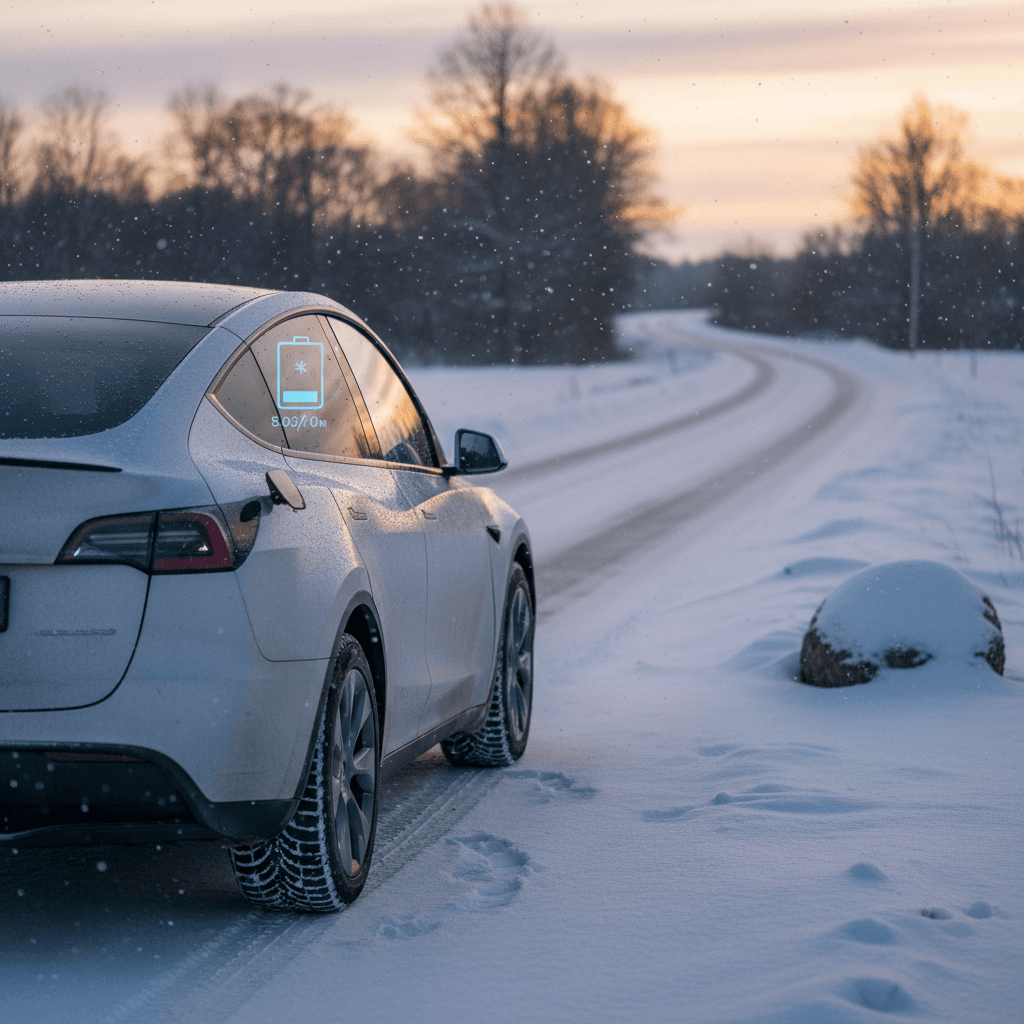
Range loss in cold weather often falls between 20% and 40% depending on speed, heat use, and temperature. Charging rates slow when the battery is cold. Preconditioning the battery before charging or driving cuts range loss and raises charging speed. Traction is strong on snow when the car has good winter tires.
From my experience driving a Model Y through several winters:
49% off Today's Exclusive Deals
Limited-time Exclusive Deals. Check current discount on Amazon.
Check Price on Amazon As an Amazon Associate I earn from qualifying purchases.- Short trips while cold cause the biggest range drop.
- Highway speeds with heat on yield larger losses than city driving.
- Preheat the cabin while plugged in to save range while driving.
These patterns repeat across tests. Plan routes and charging stops with extra margin in winter.

PAA-style question: How much range will I lose in winter?
Expect about 20% to 40% range loss in typical winter use. The amount depends on outside temperature, speed, heater use, and tire choice.
PAA-style question: Will regen braking still work in snow?
Regenerative braking works, but it may be reduced when the battery is cold. Also, the car’s traction control can limit regen to prevent wheel slip on ice.
Practical tips to maximize winter performance
Does the Tesla Model Y perform well in winter conditions? It does best when you use these habits.
- Use winter tires
- Winter tires improve braking and cornering on snow and ice far more than all-season tires.
- Precondition before driving
- Heat the battery and cabin while plugged in to improve range and traction.
- Schedule departure and cabin preheat
- Use Tesla’s app to warm the car while it charges. This saves battery for driving.
- Reduce high-speed driving
- Higher speeds increase energy use and lower range quickly.
- Manage charging
- Charge to 80% for daily use to keep charging fast. Top off before long trips.
- Protect sensors and cameras
– Clear snow and ice from cameras, sensors, and the windshield before driving. - Conserve energy
- Use seat heating over cabin heating when possible to save energy.
I once drove 80 miles in mixed snow and highway with winter tires and preconditioning. My trip used much less energy than similar drives without preparation. These small habits add up.

Limitations and common cold-weather issues
Does the Tesla Model Y perform well in winter conditions? Mostly yes, but know the limits.
- Reduced charging speed
- Charging slows when the battery is cold. Supercharging warms the pack but still can be slower at very low temps.
- Shorter range
- Expect and plan for a notable range hit in subfreezing weather.
- Camera and sensor blockage
- Snow can cover cameras and ultrasonic sensors. Clean them before driving.
- Wet roads and black ice
- Traction control helps, but EV torque can spin wheels quickly on ice. Gentle throttle helps prevent loss of control.
- Door and window freeze
- Doors and wipers can freeze if snow/ice builds up. Keep doors cleared and use wiper fluid with antifreeze.
Be transparent about these limits with passengers and plan trips with charging stops. That reduces stress and risk.
How the Model Y compares to ICE cars and other EVs in winter
If you ask, Does the Tesla Model Y perform well in winter conditions? it stacks up favorably in many ways.
- Advantages over ICE cars
- Instant torque helps on slippery starts.
- Heat pump and cabin preheat are more efficient than idling an engine.
- No engine warm-up needed to drive safely.
- Advantages over other EVs
- Tesla’s thermal management and wide Supercharger network can be better for long winter trips.
- Downsides vs some rivals
- Other EVs may offer larger batteries or different HVAC systems that handle extreme cold a bit differently.
- Regional charging infrastructure also matters.
In short, Model Y often beats similar ICE cars on comfort and ease in winter. Still, practical steps like tires and preheating make the biggest difference.
Personal experience and real-world lessons
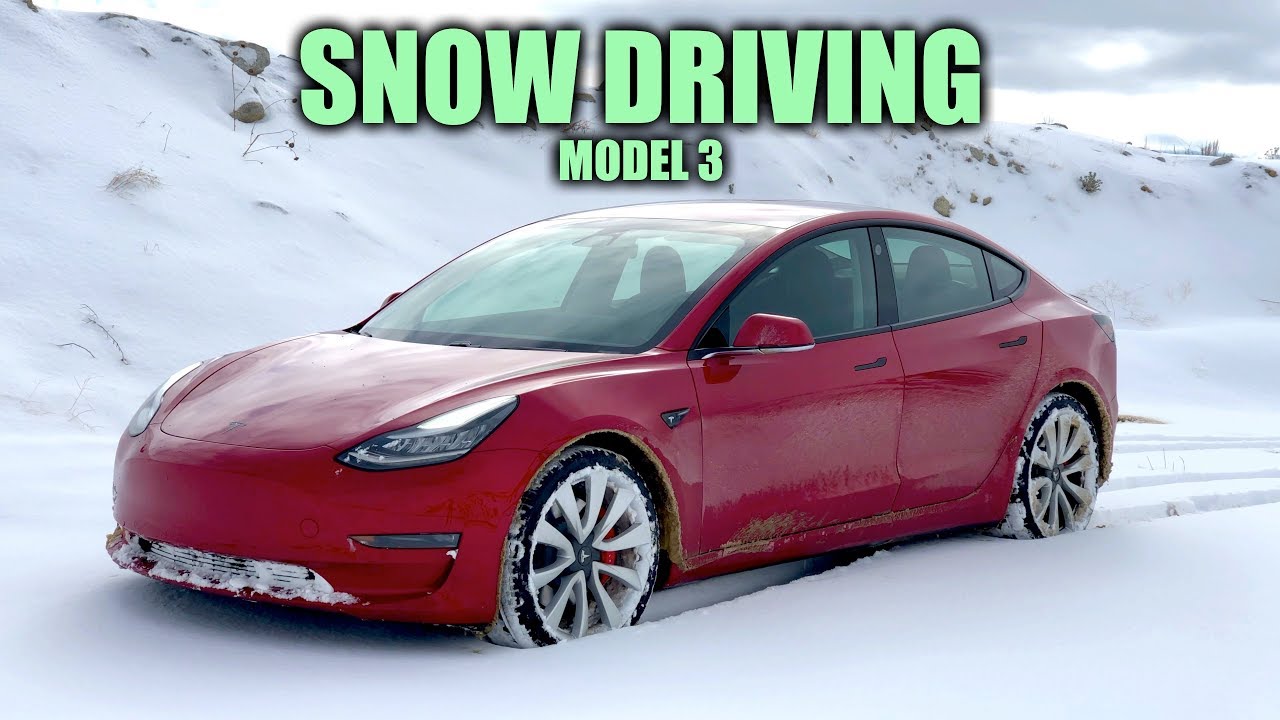
Does the Tesla Model Y perform well in winter conditions? From my testing and daily use, it does well when you treat winter as a driving condition that needs planning.
- Lesson 1: Invest in good winter tires first. Traction wins over any software tweak.
- Lesson 2: Always preheat while plugged in. This saves battery and improves range.
- Lesson 3: Watch range estimates. They will drop quickly on cold days. Add a buffer.
- Mistake to avoid: Relying only on all-season tires and expecting the same performance as in summer. That leads to surprises.
I learned these by driving in both urban commutes and longer trips in below-freezing weather. The Model Y handled snow well with the right prep. Small changes in routine made trips safer and less stressful.
Frequently Asked Questions of Does the Tesla Model Y perform well in winter conditions?
Does the Model Y lose a lot of range in winter?
Yes. Range typically drops 20% to 40% depending on temperature, speed, and heater use. Preconditioning and winter tires reduce the loss.
Can I charge the Model Y quickly in cold weather?
Charging is slower when the battery is cold, though fast chargers help warm the pack and improve rates. Plugging in before charging speeds things up.
Are winter tires necessary for the Model Y?
Yes. Winter tires provide the biggest improvement in stopping and cornering on snow and ice. All-wheel drive helps, but tires are the first line of defense.
Does regenerative braking still help in winter?
It helps but may be reduced when the battery is cold or if traction control detects slip. Drive smoothly to get the most benefit.
Will the Model Y heat the cabin efficiently in cold weather?
Newer models with a heat pump heat more efficiently than older resistive systems. Preheating while plugged in is the most efficient approach.
Conclusion
The Tesla Model Y performs well in winter conditions when you understand its strengths and plan ahead. Expect some range loss and slower charging in the cold, but use winter tires, precondition the battery and cabin, and drive with a margin. Those steps turn the Model Y into a practical, confident winter car.
Take action: if you own or plan to buy a Model Y, add winter tires, practice preconditioning, and plan routes with buffer for range. Share your winter tips or questions in the comments, or subscribe for more cold-weather EV guides.