A modern Formula One car uses a 1.6-liter turbocharged V6 hybrid power unit with ERS and electric motors.
I’ve studied and written about Formula One power units for years, talked with engineers, and analyzed technical data to explain exactly what makes these engines unique. This article breaks down what engine is used in a Formula One car, how it works, why teams use it, the real-world trade-offs, and practical tips for fans and budding engineers.

49% off Today's Exclusive Deals
Limited-time Exclusive Deals. Check current discount on Amazon.
Check Price on Amazon As an Amazon Associate I earn from qualifying purchases.
How Formula One engines work
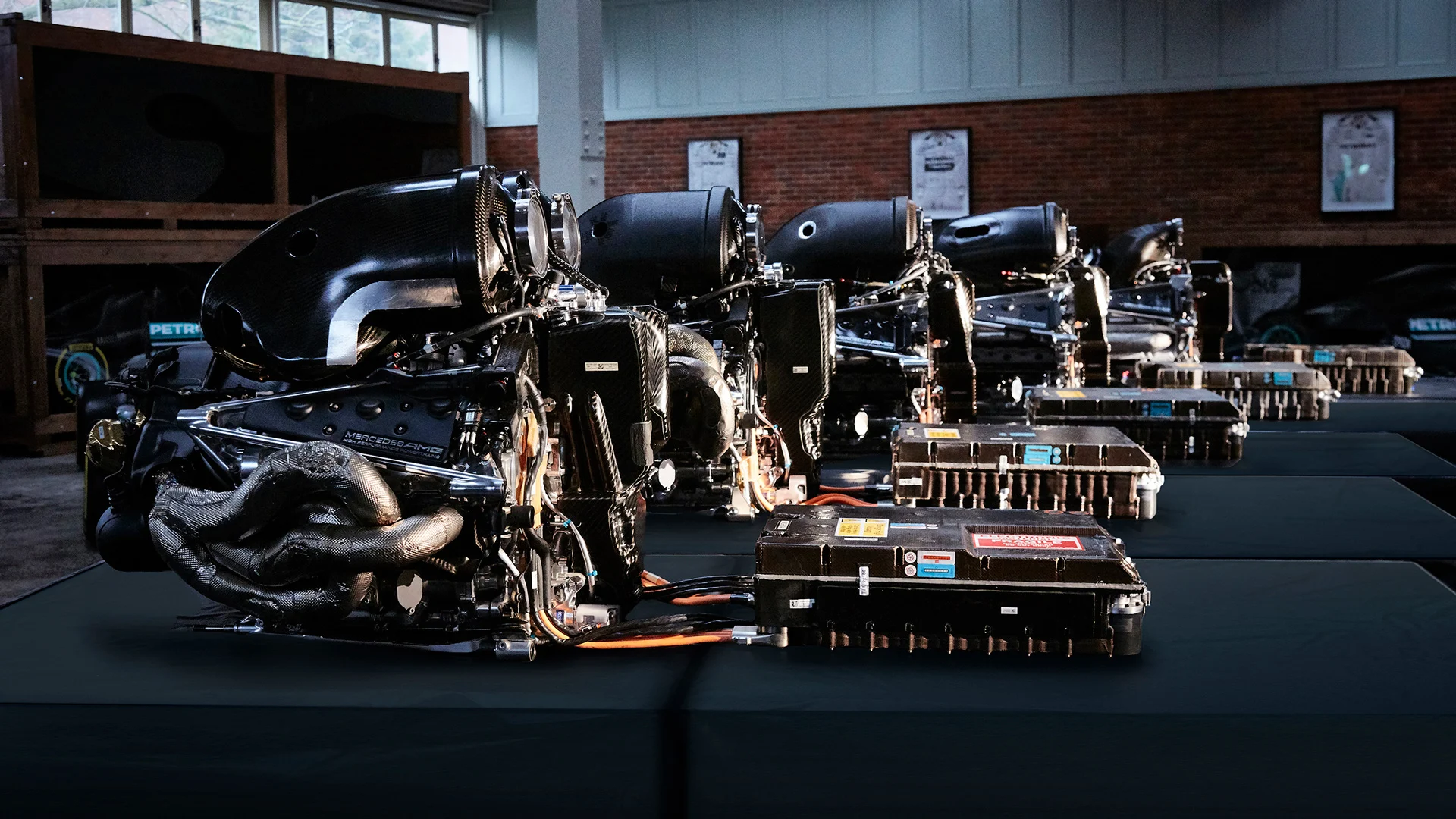
Formula One now uses a compact, high-tech power unit. The core is a 1.6-liter turbocharged V6 internal combustion engine. That ICE pairs with a hybrid system made of two energy recovery systems and an electric motor-generator. The combined package delivers propulsion, energy harvesting, and temporary boosts.
Key parts and their roles:
49% off Today's Exclusive Deals
Limited-time Exclusive Deals. Check current discount on Amazon.
Check Price on Amazon As an Amazon Associate I earn from qualifying purchases.- 1.6-liter turbo V6 engine: provides the main drive and torque.
- Turbocharger: forces more air into the engine for higher power in a small package.
- MGU-K: converts kinetic energy at braking into electrical energy and can return it to the drivetrain.
- MGU-H: harvests heat energy from the turbo and helps control turbo lag by converting heat to electricity.
- Energy store (battery): holds recovered energy for later use.
- Control electronics: manage energy flow, boost timing, and combustion mapping.
Understanding what engine is used in a Formula One car means seeing it as a hybrid power unit, not just a standalone engine. The hybrid parts can add roughly 150 to 200 horsepower at times. In practice, teams tune the balance between the internal combustion engine and electric boost to match track demands.
Evolution of Formula One engines
Formula One engines changed a lot over decades. Early F1 used large-displacement V8s, V10s, and V12s. In 2014, the series switched to the current 1.6-liter turbo V6 hybrid rules. This shift aimed to boost efficiency and make F1 more relevant to road-car technology.
Timeline highlights:
49% off Today's Exclusive Deals
Limited-time Exclusive Deals. Check current discount on Amazon.
Check Price on Amazon As an Amazon Associate I earn from qualifying purchases.- 1950s–1980s: Variety of engine layouts, often naturally aspirated.
- 1980s (turbo era): Extremely powerful turbo engines, then banned for cost and safety.
- 1990s–2005: Dominance of V10s and V12s with very high rev limits.
- 2006–2013: V8 era with reduced capacity and rev limits for safety and cost.
- 2014–present: 1.6L turbo V6 hybrid power units became mandatory.
If you ask what engine is used in a Formula One car today, remember it reflects rules, efficiency goals, and tech transfer to road cars. The evolution shows how F1 balances spectacle with real-world relevance.

Technical specifications and performance
The rulebook sets limits and leaves space for innovation. Here are practical, real-world numbers that show what engine is used in a Formula One car and how it performs.
Typical specs:
- Displacement: 1.6 liters, V6 configuration.
- Aspiration: Single turbocharger, with MGU-H managing heat energy.
- Hybrid output: MGU-K usually adds about 120 kW (around 160 hp) peak.
- Combined power: Roughly 900 to 1000 horsepower on peak deployment, depending on setup and fuel.
- RPM: The technical limit is high, but teams usually run somewhere below the theoretical max to protect reliability.
- Fuel flow limit: A mandated fuel flow rate limits how much fuel the ICE can use per second, so efficiency matters.
- Fuel per race: Teams are limited in fuel mass for a race, making efficiency vital.
Performance is a mix of raw power and energy management. The electric systems let drivers get instant torque out of corners and reduce turbo lag. When asking what engine is used in a Formula One car, also ask how teams split power duties between chemical and electrical energy.

Why F1 uses this engine design
The current power unit addresses several goals at once. It offers high power from a small displacement. It improves fuel efficiency. It encourages technical innovation that can filter into road cars. It also challenges teams to optimize complex systems.
Benefits:
- Greater fuel efficiency with similar or greater lap speeds.
- Real-world tech transfer to electrified road vehicles.
- Strategic layers in racing: energy deployment, harvesting, and recovery affect strategy.
- Emissions and sustainability goals are better met than with older engines.
Limits and trade-offs:
- High cost and complexity for teams and suppliers.
- More complex regulations and sensitive to rule changes.
- Sound and spectacle differ from the old high-rev V8/V10 roar, though teams tune exhaust and gearbox for drama.
If you want to know what engine is used in a Formula One car and why, the answer ties deeply to efficiency, rules, and relevance to modern automotive engineering.

Maintenance, costs, and engineering challenges
These engines are miracles of precision but demand careful care. The regulations restrict the number of power unit components a driver can use per season. Exceeding those limits brings penalties, so reliability matters as much as power.
Practical points:
- Teams manage engine life cycles to avoid grid penalties.
- Maintenance includes precision rebuilds, calibrations, and software tuning.
- Costs: developing and running these power units is expensive, though cost caps target curbing runaway spending.
- Fuel and lubrication are bespoke formulas tuned for performance and efficiency.
From talking with engineers, the biggest challenge is squeezing incremental gains while keeping reliability. Small changes in mapping, cooling, or torque delivery can change lap times significantly.
My experience and practical tips for fans and hobbyists
I’ve spent years reading technical papers, interviewing engineers, and watching pit garages at races. That hands-on exposure gives insight into small details that matter.
What I learned:
- Listen to the sound: modern F1 cars sound different, but you can still hear turbo spool and MGU-K engagement if you know what to listen for.
- Watch telemetry shows: they reveal when drivers use battery boost and manage fuel flow.
- Attend a track day: seeing the power unit under load helps you grasp heat, noise, and packaging constraints.
- For model builders or sim racers: tune setups to balance boost deployment and ICE torque for better lap consistency.
If you wonder what engine is used in a Formula One car, getting close to the technical side makes the sport richer and more rewarding.

Frequently Asked Questions of What engine is used in a Formula One car?
What is the basic layout of the engine used in current Formula One cars?
Current Formula One cars use a 1.6-liter turbocharged V6 internal combustion engine paired with hybrid systems. Together they form a power unit that combines chemical and electrical power.
How much power does the engine in a Formula One car produce?
A modern F1 power unit can produce around 900 to 1000 horsepower combined, depending on tuning and conditions. The internal combustion engine and the hybrid system share that output.
Why did Formula One switch to the current hybrid engine format?
The switch emphasized fuel efficiency, tech transfer to road cars, and relevance to modern automotive trends. Rules also aimed to keep racing competitive while promoting sustainability.
Are the hybrid systems important for racing performance?
Yes, the hybrid systems are key for race pace and overtaking, since they supply instant torque and let drivers manage boosts strategically. Energy recovery and deployment shape race strategy.
Can teams change the engine components during a season?
Teams can change components but face limits on allowed units and penalties for excess replacements. Managing component life is a major strategic and financial challenge.
Does the engine design affect the sound of F1 cars?
Yes, the smaller turbo V6 and hybrid electronics change the sound compared to old V10s and V12s. Teams and fans adapt, but many still appreciate the unique modern soundtrack.
Conclusion
Understanding what engine is used in a Formula One car means recognizing the full hybrid power unit: a 1.6-liter turbo V6 plus sophisticated energy recovery and storage systems. The design balances power, efficiency, and innovation. If you follow the sport, dig into telemetry, listen at the track, and study how teams deploy energy—you’ll see how small choices add up to big advantages on race day. If this article helped you, read more technical posts, subscribe for updates, or leave a comment with your questions about F1 power units.