A modern Formula One car weighs roughly 750 to 800 kg including the driver and excluding fuel.
I have worked around race garages and studied technical rules for years, so I know the details behind that number. This article explains exactly how heavy a Formula One car is, what counts toward that weight, why it matters on track, and how teams chase every kilogram for speed. Read on for clear, practical insights and real-world examples that make sense whether you are a fan, student, or engineer.

49% off Today's Exclusive Deals
Limited-time Exclusive Deals. Check current discount on Amazon.
Check Price on Amazon As an Amazon Associate I earn from qualifying purchases.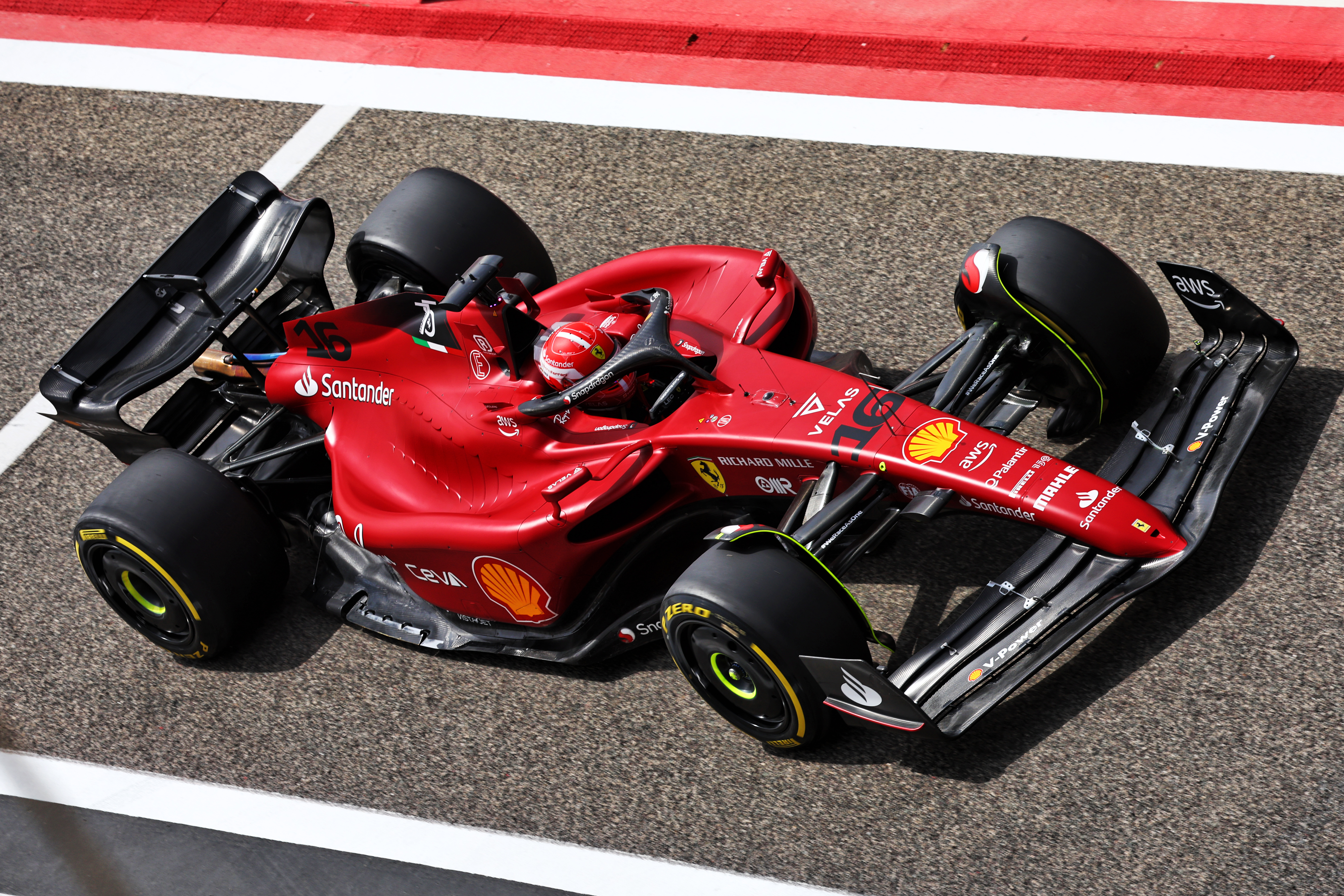
Why weight matters in Formula One
Weight shapes lap time and car behavior. Lighter cars accelerate faster. They stop quicker and change direction more easily.
Teams fight to lower weight within rules. The FIA sets a minimum to keep racing fair and safe. How heavy is a Formula One car? That question ties directly to speed, tire wear, and strategy.
49% off Today's Exclusive Deals
Limited-time Exclusive Deals. Check current discount on Amazon.
Check Price on Amazon As an Amazon Associate I earn from qualifying purchases.
FIA minimum weights and how they are measured
The governing body sets a minimum car weight. The rule usually counts the car with the driver and onboard cameras, but excludes fuel. The exact number changes with technical rules and seasons.
Recent seasons have seen minimums in the high 700s to around 800 kg. Scrutineering checks are done before and after sessions. If a car is underweight, teams can be penalized or disqualified.

49% off Today's Exclusive Deals
Limited-time Exclusive Deals. Check current discount on Amazon.
Check Price on Amazon As an Amazon Associate I earn from qualifying purchases.What makes up the weight of an F1 car?
Many parts add up to the total. Key contributors include:
- Chassis and survival cell. This is the safety shell and main structure.
- Power unit and hybrid system. Engines, turbo, batteries, and control systems weigh a lot.
- Gearbox and driveshafts. These must be light but strong.
- Suspension, brakes, and radiators. These parts add mass for control and cooling.
- Aero components. Wings and bodywork are carbon fiber but still add weight.
- Wheels and tires. Tire choice affects on-track mass during a stint.
- Driver and seat. The driver’s weight and ballast count toward the minimum.
When you ask How heavy is a Formula One car?, remember it is a sum of many technical choices. Teams track each gram carefully.

How teams control and optimize weight
Teams use three main strategies to manage mass.
- Use advanced materials. Carbon fiber, titanium, and composites save kilos.
- Move weight with ballast. Small lead weights tune balance and setup while meeting minimums.
- Trade strength vs. lightness. Some parts are kept heavier for durability or reliability.
From personal garage work, I recall packaging a telemetry unit to save 400 grams. Small changes add up. Teams measure and log every part in a weight book. How heavy is a Formula One car? It often depends on those micro-choices.

Performance trade-offs: weight vs durability and safety
A very light part can fail. A heavier part can last longer and absorb impacts. Regulators also demand safety structures that add mass.
Teams choose where to spend weight. They may accept extra kilos for a safer battery pack or to meet crash test rules. This trade-off shapes race pace and the season’s reliability record.
Real-world examples and data
Here are simple reference points to understand typical weights.
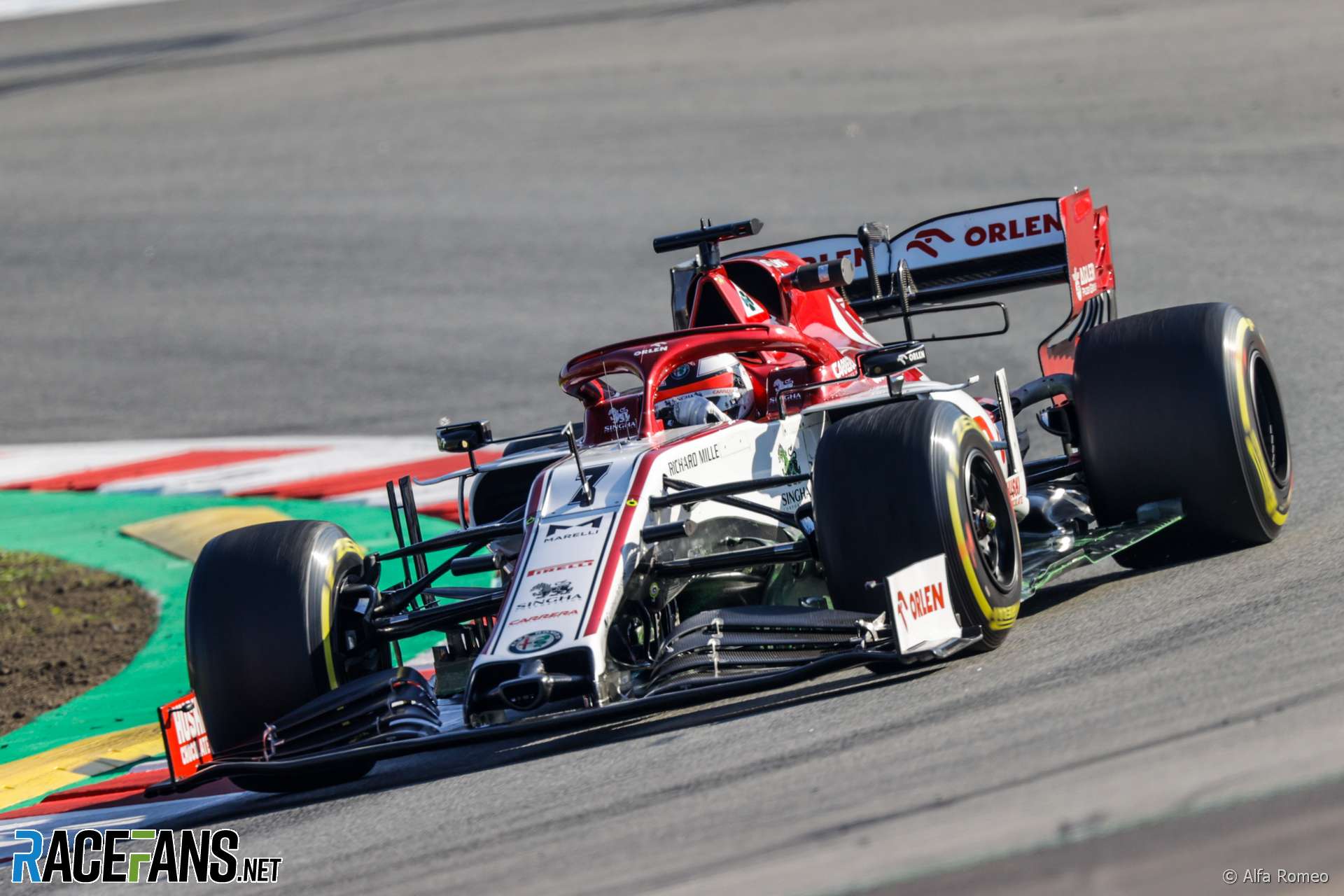
- Modern race-ready cars commonly sit between 750 and 820 kg, driver included and fuel excluded.
- Minimum limits in recent FIA regulations have been around the high 700s to roughly 800 kg.
- Additional equipment like ballast, wet-weather gear, or heavy sensors can push a car above the minimum.
When fans ask How heavy is a Formula One car?, they usually mean the race-ready, scrutineered weight. That value is driven by rules and on-track choices.
How weight affects lap times
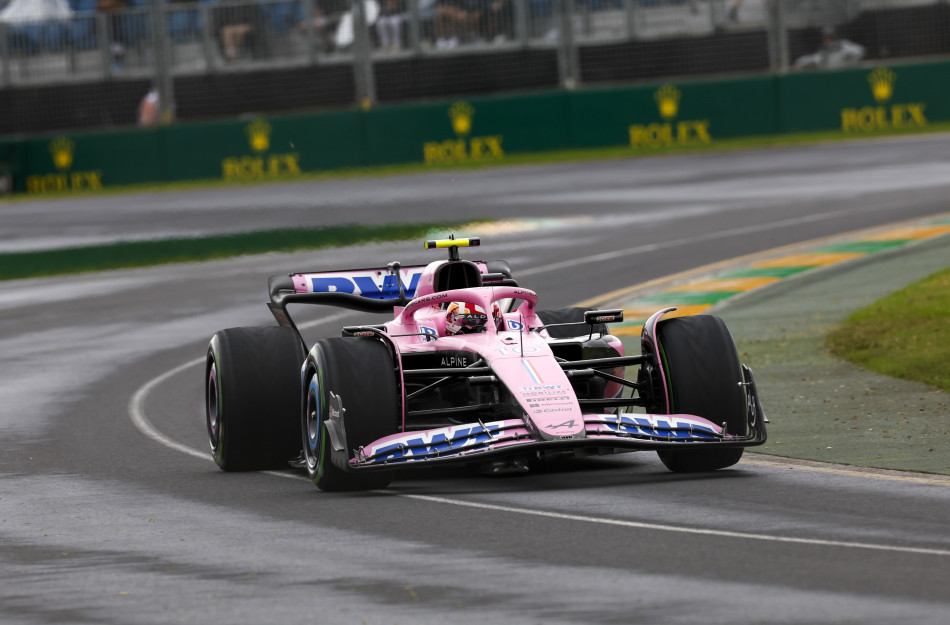
Weight slows acceleration and cornering. A common rule of thumb is that each extra kilogram costs a few hundredths of a second per lap. Estimates often range near 0.03 to 0.04 seconds per kilogram per lap, but it varies with the track.
On a long lap, 10 kg might cost roughly 0.3 to 0.4 seconds. Over a race, that adds up. Teams use this math when adding ballast or selecting durable parts.
Practical tips for fans and students studying car weight
If you want to learn more, try these steps.
- Watch post-session scrutineering notes to see min weight checks.
- Read technical summaries of rule changes to track how the minimum moves.
- Compare cars on different tracks to see how fuel load and tires change mass.
- Use simple lap-time models to test how weight affects speed.
I once tracked how a 5 kg change affected a junior formula lap. The pattern matched these rules of thumb. It’s a small experiment that teaches a lot.
Frequently Asked Questions of How heavy is a Formula One car?
How heavy is a Formula One car with fuel onboard?
Fuel is excluded from the official minimum weight. With a full race tank, a car can be significantly heavier, often adding tens of kilograms depending on the race distance. Teams plan fuel to meet strategy and the minimum at scrutineering.
Does the driver’s weight count toward the car’s weight?
Yes, the driver and their seat count toward the official mass. If a driver is light, teams add ballast to reach the minimum and get better balance. Ballast placement is a key setup decision.
How often do teams weigh the car during a race weekend?
Teams weigh cars regularly in the garage for setup checks and to manage ballast. Official FIA checks happen before and after sessions and can occur at random times. Consistent weighing helps avoid penalties.
Can teams be penalized for an underweight car?
Yes, underweight cars face penalties that range from fines to exclusion from results. The rules are strict to keep competition fair and to ensure safety margins are met. Teams guard against underweight failures closely.
How much does the hybrid system add to car weight?
The hybrid system, including batteries and electronics, adds dozens of kilograms compared to older purely combustion cars. Engineers must package and protect these parts while minimizing mass. This change has shifted how teams manage overall weight.
Conclusion
Modern Formula One cars typically weigh in the high 700s to around 800 kg when measured without fuel. How heavy a Formula One car is depends on rules, components, and team choices. Weight affects lap times, strategy, safety, and design trade-offs.
Takeaway: pay attention to the minimum weight and how teams use ballast and materials to squeeze performance. If you want to dive deeper, follow technical briefings, watch scrutineering reports, or try simple lap-time modeling to see how kilos turn into seconds. Leave a comment with your favorite weight fact or subscribe to follow more breakdowns on F1 tech.