The Rolls‑Royce Phantom combines advanced driver assistance, passive protection, and a rigid aluminum body for top-tier safety.
I have spent years reviewing luxury cars and have driven or ridden in several flagship Rolls‑Royce models. I will walk you through exactly what safety features are included in the Rolls‑Royce Phantom, how they work, and what they mean for real-world use. You’ll get clear, practical insight into active systems, passive protection, driver aids, testing, limitations, and ownership tips so you can judge safety with confidence.

49% off Today's Exclusive Deals
Limited-time Exclusive Deals. Check current discount on Amazon.
Check Price on Amazon As an Amazon Associate I earn from qualifying purchases.
Overview: What safety features are included in the Rolls‑Royce Phantom?
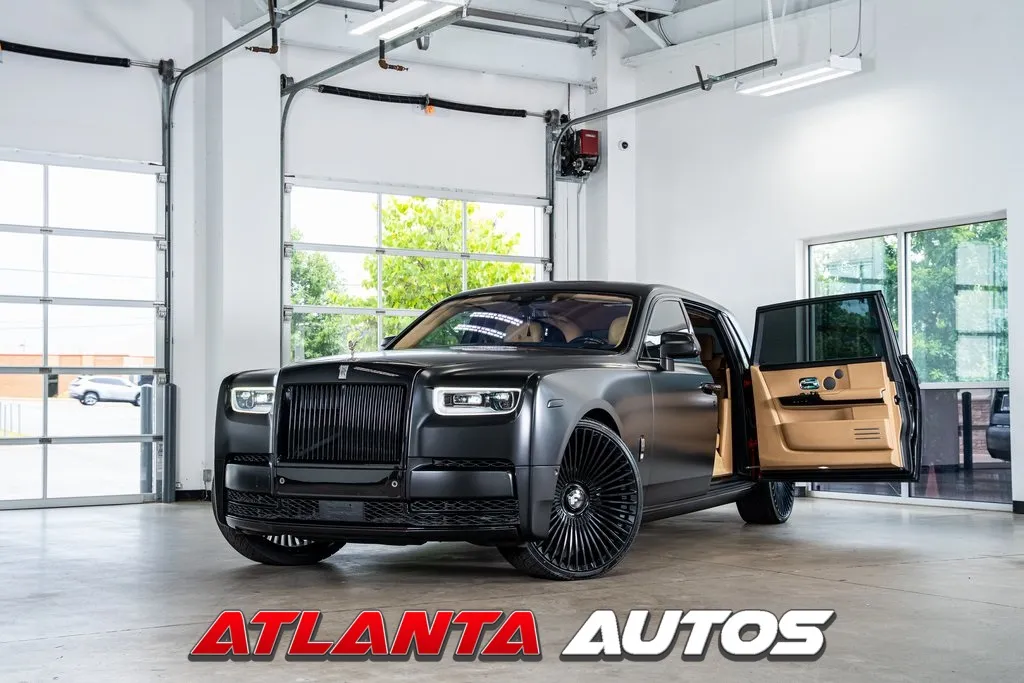
Many buyers ask, "What safety features are included in the Rolls‑Royce Phantom?" The Phantom blends traditional crash protection with modern sensor-driven systems. It uses a strong aluminum spaceframe, multiple airbags, advanced cameras and radar, and suite-level driver assistance. The aim is simple: protect occupants while offering a smooth, confident drive. I’ll unpack each element and explain how they work together to make the Phantom safe on the road.
49% off Today's Exclusive Deals
Limited-time Exclusive Deals. Check current discount on Amazon.
Check Price on Amazon As an Amazon Associate I earn from qualifying purchases.Active safety features and driver assistance
What safety features are included in the Rolls‑Royce Phantom? Many are active systems that help prevent a crash before it happens. These systems use radar, cameras, and ultrasonic sensors.
- Adaptive cruise control with stop-and-go functionality
- Keeps a safe distance from traffic and slows or stops as needed.
- Forward collision warning and automatic emergency braking
- Warns the driver of imminent impact and can apply brakes if required.
- Lane departure warning and lane keep assist
- Alerts the driver if the car drifts and nudges steering to stay centered.
- Blind spot monitoring and lane change assist
- Detects vehicles in blind zones and warns the driver during lane changes.
- 360-degree camera and parking assist
- Provides a full view around the car and helps with precise parking maneuvers.
- Night vision with pedestrian detection
- Uses infrared imaging to highlight people or animals beyond headlight range.
- Traffic sign recognition and driver attention monitoring
- Reads road signs and alerts if driver behavior suggests fatigue.
These features work together. Adaptive cruise uses radar while lane systems use cameras. If one sensor is blocked, another often covers the gap. From my experience, the Phantom’s systems feel smooth and non-intrusive. They intervene gently but decisively when needed.
PAA-style questions (brief answers)
How does the Phantom’s night vision help drivers?
Night vision highlights pedestrians and warm objects on a dash screen and provides alerts before headlights can. It extends detection range and reduces surprise at night.
49% off Today's Exclusive Deals
Limited-time Exclusive Deals. Check current discount on Amazon.
Check Price on Amazon As an Amazon Associate I earn from qualifying purchases.Can the Phantom drive itself on highways?
The Phantom offers Level 2 driver assistance features like adaptive cruise and lane keep assist, which reduce workload but do not replace an attentive driver.
Passive safety: structure, airbags, and occupant protection
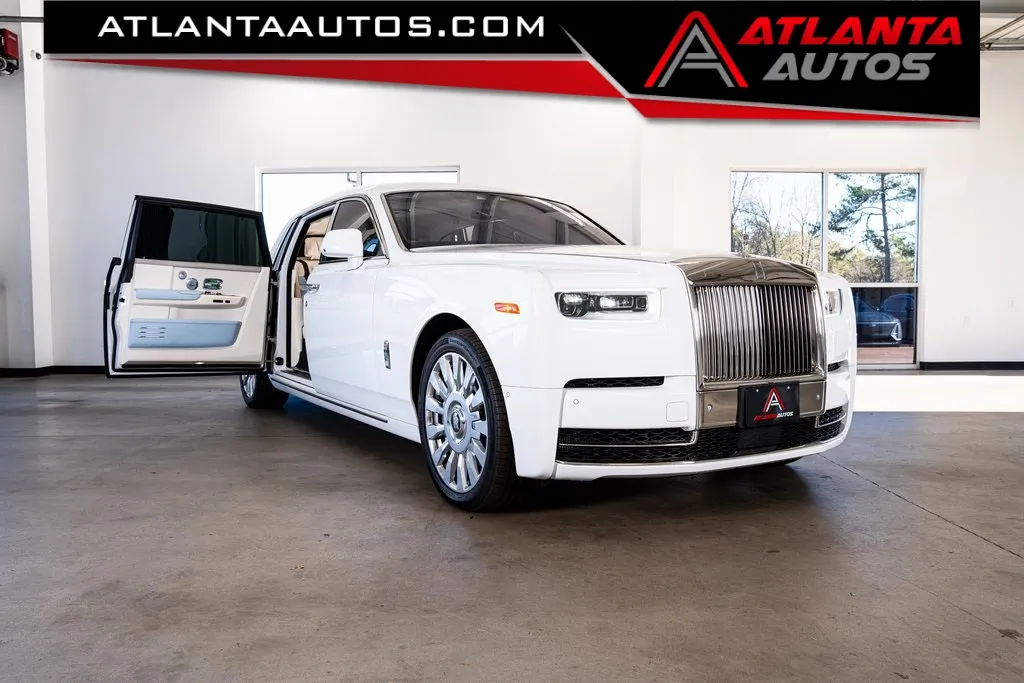
What safety features are included in the Rolls‑Royce Phantom? Passive systems form the backbone. Rolls‑Royce builds the Phantom on a rigid aluminum spaceframe. This frame is designed to stay intact in a crash and manage crash energy away from the cabin.
- Multi-stage front and side airbags
– Protect the head, chest, and pelvis in impacts. - Curtain airbags
- Shield heads across front and rear seating rows.
- Seatbelt pretensioners and load limiters
- Tighten the belt during a crash, then allow controlled give to reduce torso load.
- High-strength body structure
- The aluminum spaceframe resists intrusion and controls deformation.
- Crumple zones
- Front and rear structures absorb energy before it reaches occupants.
The Phantom’s construction is engineered for comfort and safety. The spaceframe also helps keep doors and cabin geometry intact. In real life, this delivers a feeling of solidity and security when driving at speed or in mixed traffic.

Sensors, software, and testing approach
Buyers often ask, "What safety features are included in the Rolls‑Royce Phantom?" Beyond hardware, the Phantom relies on software calibration and rigorous testing.
- Sensor fusion
- Radar, camera, ultrasonic sensors, and processors work together for accurate decisions.
- Manufacturer testing
- Rolls‑Royce conducts extensive internal crash and durability tests to luxury standards.
- Calibration and software updates
- Systems may receive updates to refine performance and add features.
- Real-world validation
- Testing includes varied road conditions and night scenarios to ensure reliability.
Note that public crash ratings from regional authorities may be limited. Luxury manufacturers often perform bespoke testing that meets or exceeds regulatory needs, though public scores may not always be available.

Limitations, user responsibilities, and maintenance
What safety features are included in the Rolls‑Royce Phantom? The tech is advanced but not foolproof. Systems have limits and need care.
- Weather and visibility
- Heavy rain, snow, or dirt can impair cameras and radar. Keep sensors clean.
- Sensor blind spots
- Low objects or narrow obstacles may not be detected. Scan surroundings.
- Software and calibration
- After bodywork or windshield replacement, sensor recalibration is often required.
- Driver engagement required
- Active systems assist but do not fully automate driving. Stay attentive.
From my experience, owners who maintain sensors and respect system limits get the best results. Avoid over-reliance on automation. Use features as an extra layer of safety, not as a replacement for good judgment.
Real-world use: tips, personal insights, and common mistakes
What safety features are included in the Rolls‑Royce Phantom? I’ve ridden in a Phantom on dark roads and in tight city lanes. Here are practical tips that I learned.
- Keep cameras and sensors clean
- A quick wipe removes rain and salt that disable driver aids.
- Use night vision selectively
- It is great on unlit roads but can be distracting in urban areas.
- Learn the alerts
- Familiarize yourself with audible, visual, and haptic warnings to avoid startle.
- Don’t disable features for comfort
- Some drivers turn systems off to avoid intervention. That removes important protection.
- Schedule calibrations after service
- Accurate sensors need proper alignment after windshield or suspension work.
A mistake I see is assuming the car will manage risky situations alone. The Phantom helps greatly, but a skilled driver still matters.
Testing, reliability, and long-term ownership
What safety features are included in the Rolls‑Royce Phantom? Long-term safety comes from proper maintenance and software care.
- Reliability of electronics
- High-end builds use robust components, but electronics can age or require updates.
- Regular service checks
- Dealer service keeps calibration and software current.
- Warranty and support
- Manufacturer support often covers systems and software for initial years.
- Resale and safety updates
- Check for available updates when buying a used Phantom to ensure systems remain current.
If you buy used, request service history for sensor calibrations and software updates. That preserves the car’s safety integrity.
Frequently Asked Questions of What safety features are included in the Rolls‑Royce Phantom?
Does the Phantom have emergency braking?
Yes. The Phantom is equipped with forward collision warning and automatic emergency braking that can apply brakes to reduce impact or avoid a collision.
How many airbags does the Phantom have?
The Phantom features a full complement of airbags, including front, side, and curtain airbags to protect occupants in multiple crash scenarios.
Is there a night vision system in the Phantom?
The Phantom offers night vision with pedestrian detection. It helps spot people or warm objects beyond headlight range for safer night driving.
Can the Phantom park itself?
The Phantom includes surround cameras and park assist features that help with parking. It provides guidance and can assist with steering in tight spots, but driver oversight remains required.
Are the Phantom’s safety systems reliable in bad weather?
They work well, but heavy rain, snow, or ice can reduce sensor effectiveness. Regular cleaning and cautious driving are important in poor conditions.
Will safety systems need recalibration after windshield replacement?
Often yes. Camera and radar systems usually require recalibration after windshield or major body repairs to ensure accurate function.
Is the Phantom crash-tested by public agencies?
Rolls‑Royce conducts extensive internal testing, though public crash ratings may be limited. Manufacturer testing is designed to meet strict luxury and safety standards.
Conclusion
The Rolls‑Royce Phantom pairs a rigid aluminum spaceframe and comprehensive airbags with advanced sensors, adaptive driver aids, and thoughtful engineering. These elements answer the question, What safety features are included in the Rolls‑Royce Phantom? by offering layered protection: prevent, protect, and assist. For owners, the best practice is to keep sensors clean, stay informed on software updates, and treat driver aids as support rather than a substitute for attention. If safety matters to you, the Phantom delivers both luxury and serious protection—test its systems in real conditions and consult service records before purchase. Explore more, take a test drive, or leave a comment about your experience to continue the conversation.






One Comment on “Safety Features In The Rolls-Royce Phantom: What To Know”