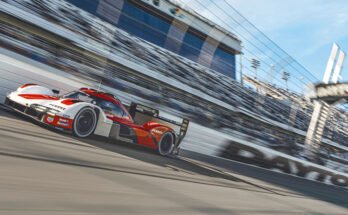
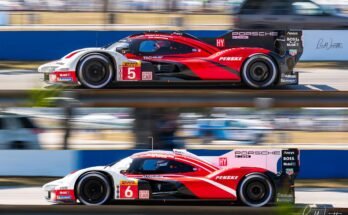
They break safety, noise, emissions, and lighting laws, so they cannot meet road-legal rules.
I have worked with race teams and driven track cars for years, so I know why Formula One cars are not allowed on public roads. This article explains the legal, technical, and practical reasons behind that rule. You will learn how rules, safety, and simple physics combine to keep F1 machines off streets, and what it takes to make a race car road legal.

49% off Today's Exclusive Deals
Limited-time Exclusive Deals. Check current discount on Amazon.
Check Price on Amazon As an Amazon Associate I earn from qualifying purchases.
Why Formula One cars differ from road cars
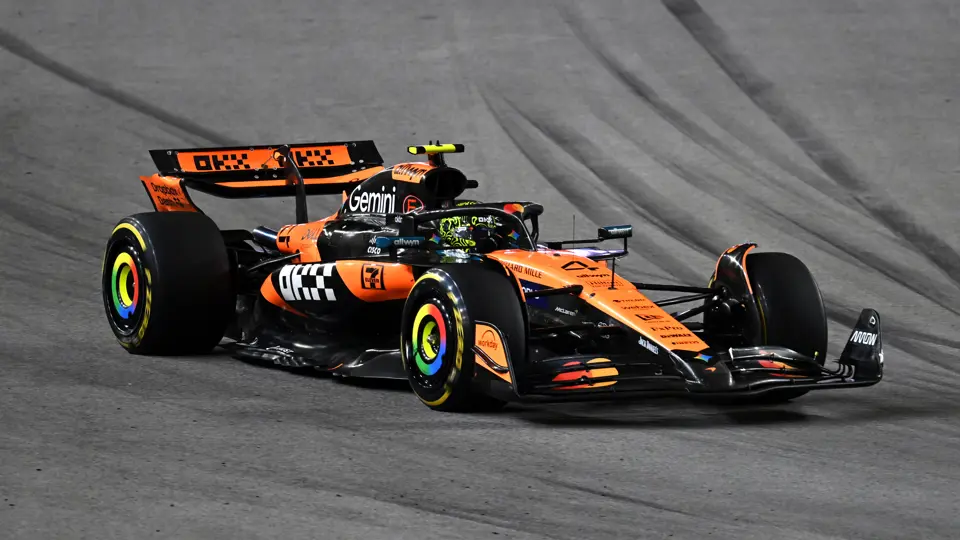
Why are Formula One cars not allowed on public roads? The short answer starts with purpose. F1 cars are built for raw speed, downforce, and lap time. They use extreme materials, minimal comfort, and systems that work only at race pace.
Key differences include:
49% off Today's Exclusive Deals
Limited-time Exclusive Deals. Check current discount on Amazon.
Check Price on Amazon As an Amazon Associate I earn from qualifying purchases.- Purpose-built chassis focused on light weight and stiffness, not crash compatibility.
- Aerodynamic devices that need high speed to work and make low-speed driving unstable.
- Tires and brakes tuned for track heat cycles, not stop-and-go traffic.
These differences mean F1 cars are unsafe, noisy, and impractical for public roads. Their parts and systems do not meet road safety or emissions tests. As a result, regulators do not allow them to be registered for street use.

Key legal and technical barriers
Why are Formula One cars not allowed on public roads? Laws focus on safety, emissions, and predictability. F1 cars fail many legal tests by design.
Major legal and technical barriers:
49% off Today's Exclusive Deals
Limited-time Exclusive Deals. Check current discount on Amazon.
Check Price on Amazon As an Amazon Associate I earn from qualifying purchases.- Lighting and signaling: No full lighting or turn signals that meet road standards.
- Emissions and fuel systems: Engines run on special fuels and lack emissions controls.
- Noise limits: Exhaust and intake noise exceed legal decibel limits for public areas.
- Crash standards: No side-impact structures, airbags, or pedestrian protection.
- Visibility and mirrors: Limited rear visibility; mirrors do not meet road rules.
- Ground clearance and towing points: Too low and fragile for normal road hazards.
- Registration and type approval: No homologation or paperwork for road use.
Practical example: an F1 car passing an emissions test would require catalytic converters and a different exhaust. That change alone cuts performance and negates the car’s core purpose.

Safety risks and public road hazards
Why are Formula One cars not allowed on public roads? Safety is the strongest reason. F1 cars are very safe on track with specialized gear. On normal roads, they become hazards.
Safety risks include:
- Low-speed crashes: F1 crash structures are optimized for high-speed energy absorption on tracks, not for city collisions.
- Poor crash avoidance: Long braking distances at low temperatures increase crash risk when tires are cold.
- Limited occupant protection at low speeds: Drivers sit in fixed, reclined seats with limited restraint systems for normal collisions.
- Lack of everyday safety systems: No ABS for everyday stops, no stability control tuned for low-speed turns.
I have seen track cars behave poorly when pushed onto public roads. Cold tires, immediate oversteer, and sudden stall risk create danger for the driver and other road users.
 insurance issues”
style=”max-width: 100%; height: auto; border: 2px solid black; border-radius: 10px; display: block; margin: 0 auto;”
loading=”lazy”
/>
Practical and insurance issues
Why are Formula One cars not allowed on public roads? Beyond rules and safety, real-world logistics block it.
Practical hurdles:
- Insurance is nearly impossible or extremely expensive for an unregistered race car.
- Maintenance and reliability: Race engines need rebuilds after short hours and are not suited to long drives.
- Fuel and refueling: Special fuels are not available at pumps, and range is minimal.
- Daily driving comfort: No heating, no infotainment, and extreme vibrations make everyday use impossible.
Insurers and registration authorities require predictable use and common safety features. F1 cars fail these expectations.

How some race cars become road legal
Why are Formula One cars not allowed on public roads? Because converting an F1 car is typically impractical. Yet some racing cars do become street legal through big changes.
Road-legal routes:
- Homologation: Manufacturers build road versions of race cars that meet laws. These are heavily modified.
- Kit conversions: Some series cars are adapted for the road with added lights, emissions controls, and safety gear.
- Replica builds: Builders create cars that look like race cars but use road-legal chassis and engines.
What it takes to convert:
- Add lighting and indicators that meet standards.
- Install emissions control systems and tune the engine.
- Fit safety gear required for the road and achieve crash test approval where needed.
- Secure registration and insurance.
Even with all this, an original F1 car rarely makes sense to convert. The cost, time, and loss of performance are huge.

Personal experience and lessons
Why are Formula One cars not allowed on public roads? From my time working with teams and participating in track events, I can add a practical view.
Personal insights:
- I once helped tow a track car onto a flatbed because its low ride height jammed on a speed bump. The car could not clear a simple curb.
- Teams design parts to be light, not durable. Driving an F1 car on rough roads would break fragile components.
- Safety gear for the road is different. I learned the hard way that a race harness is not a substitute for airbags in a city crash.
Practical tips:
- If you love the F1 look, choose a homologated road car or replica for street use.
- Attend track days to enjoy raw performance safely and legally.
- Respect the rules: they protect you and others.
PAA-style quick questions (integrated answers)
Question: Can an F1 car pass emissions tests?
Answer: Not without major engine and exhaust changes. Those changes remove the car’s performance edge.
Question: Could an F1 team make a road version?
Answer: Teams can build road cars, but they are different by design. They need crash structures, noise limits, and emissions controls.
Question: Are any single-seater cars street legal?
Answer: Yes, some suppliers build street-legal single-seaters that follow road rules. They are engineered from the ground up for public use.
Frequently Asked Questions of Why are Formula One cars not allowed on public roads?
What is the main reason Formula One cars are not allowed on public roads?
The main reason is that they do not meet legal safety, noise, and emissions standards required for road use. Their design is tuned solely for track performance, not public safety.
Could an owner modify an F1 car to be road legal?
Technically possible, but it is costly and reduces performance dramatically. Major changes to exhaust, lighting, safety, and structure are needed to meet laws.
Do any racing series cars become street legal?
Yes, some racing cars and special editions are homologated for the road after major modifications. These cars are built to comply with local laws and tests.
Are there legal consequences for driving an F1 car on public roads?
Yes, you could face fines, impoundment, and insurance voids for driving an unregistered, noncompliant vehicle. Authorities enforce registration and safety rules strictly.
Why not just add mufflers and lights to an F1 car?
Adding mufflers and lights helps, but it is not enough. Emissions controls, crashworthiness, and structural changes are also required. Those changes often make the car impractical.
How do homologation rules stop F1 cars from being street legal?
Homologation requires cars to meet a set of standards for mass-produced road use. F1 cars are one-off or limited-run machines that do not follow those standards without heavy redesign.
Are there safety benefits to keeping F1 cars off roads?
Yes. Keeping them off public roads protects drivers, pedestrians, and other road users from the unique risks F1 cars present. The controlled track environment is safer for high-speed machines.
Conclusion
Formula One cars are not allowed on public roads because they are built for speed, not for laws or everyday safety. They lack basic road gear, fail noise and emissions limits, and pose real hazards in city traffic. Converting one is possible in theory, but few do it because of cost, complexity, and the loss of the car’s essence.
If you love F1, enjoy it on track days or through homologated road models. Explore legal alternatives, learn from the differences, and respect rules that make roads safer. Share your thoughts or questions below, and subscribe for more practical guides on motorsport and road-law topics.