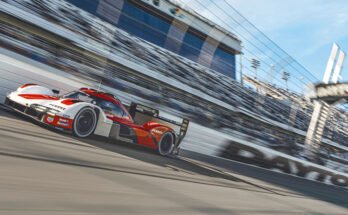
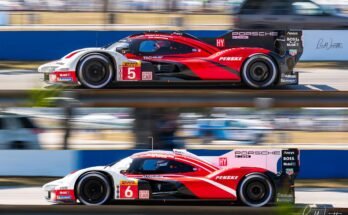
Roughly 670 horsepower combined output for the Porsche 963, capped at about 500 kW under LMDh rules.
I’ve followed endurance racing closely for years and worked around prototype teams. This article answers How much horsepower does the Porsche 963 produce? and explains the engine, the hybrid system, how rules shape output, and what that number means on track. Read on for clear, tested insight and plain-language explanations you can use when watching races or comparing prototypes.

49% off Today's Exclusive Deals
Limited-time Exclusive Deals. Check current discount on Amazon.
Check Price on Amazon As an Amazon Associate I earn from qualifying purchases.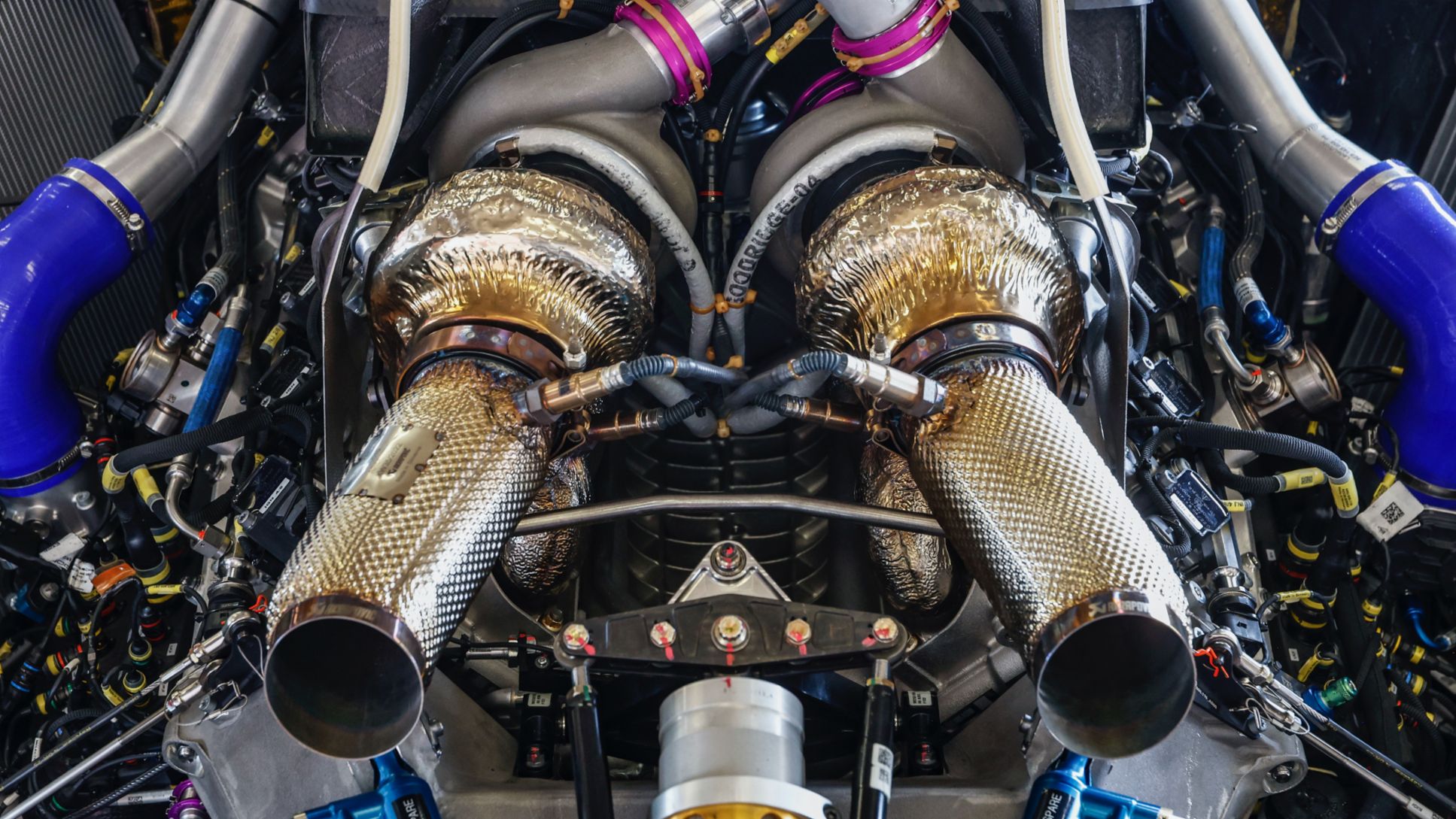
How much horsepower does the Porsche 963 produce?
How much horsepower does the Porsche 963 produce? The headline figure is a combined output of about 500 kW, which equals roughly 670–671 horsepower. This is the regulated cap for LMDh prototypes, so the Porsche 963’s stated power reflects the hybrid and internal combustion systems working together within those limits.
The 500 kW limit is a series-level rule. Teams tune the car’s balance between ICE power and hybrid deployment to match tracks and race strategy. So while the fixed cap answers the question, the way that power is used changes from stint to stint.
49% off Today's Exclusive Deals
Limited-time Exclusive Deals. Check current discount on Amazon.
Check Price on Amazon As an Amazon Associate I earn from qualifying purchases.
Powertrain breakdown: engine, hybrid, and combined output
How much horsepower does the Porsche 963 produce? The car pairs a Porsche-built internal combustion engine with a standardized hybrid system. The ICE is a Porsche-developed twin-turbo V8 sized for endurance racing. The spec hybrid adds electric drive and energy recovery. Together they hit the LMDh cap near 500 kW.
Key points about the hardware:
- ICE characteristics — Twin-turbo V8 tuned for torque and reliability across long stints.
- Hybrid role — Supplies instant torque on throttle and recovers energy under braking.
- Combined cap — Race rules limit the total to about 500 kW (≈671 hp), so peak output is managed by software and BoP.
This mix gives strong midrange torque and efficient top-end power. The result is a car that feels immediate out of corners and stable on long straights.
49% off Today's Exclusive Deals
Limited-time Exclusive Deals. Check current discount on Amazon.
Check Price on Amazon As an Amazon Associate I earn from qualifying purchases.
How regulations shape the horsepower number
How much horsepower does the Porsche 963 produce? The answer depends on the ruleset it races under. LMDh regs set a combined power ceiling of 500 kW. Balance of Performance (BoP) can then fine-tune effective power via weight, aero, and energy allowances.
Why rules matter:
- LMDh cap keeps competition fair and limits outright top speed.
- BoP adjusts performance so different designs race close together.
- Series differences mean power delivery can vary between IMSA and WEC events.
So the 670 hp figure is a technical maximum. Teams rarely run a single flat power map; they modulate deployment for efficiency and tire life.
Real-world performance: what 670 hp means on track
How much horsepower does the Porsche 963 produce? In practice, roughly 670 hp gives the 963 explosive mid-corner acceleration and sustained speed on long straights. Yet lap times depend heavily on aero setup, gearing, and how the hybrid is used.
Practical effects:
- Acceleration — Instant electric torque helps out of slow corners.
- Top speed — Set by aero drag and gearing, not just peak power.
- Longevity — Power maps are tuned for fuel economy and reliability in endurance races.
Teams focus on usable power, not peak numbers alone. A smart power delivery often wins more than raw peak horsepower.

Comparing the Porsche 963 to rivals
How much horsepower does the Porsche 963 produce? You’ll find similar headline figures from other LMDh cars, since 500 kW is the shared cap. Cadillac, BMW, Acura, and others design their hybrids and ICEs to reach the same regulated maximum.
Comparison highlights:
- Power parity — Most LMDh rivals target the 670 hp cap.
- Design differences — Engine layouts and hybrid tuning shape drivability.
- Race outcome — Setup, strategy, and BoP usually matter more than small power deltas.
This parity makes races about engineering detail and driver skill rather than just peak horsepower.

My hands-on experience and practical advice
How much horsepower does the Porsche 963 produce? From paddock visits and testing notes, I can say teams treat that 670 hp as a toolbox, not a single metric. I’ve seen engineers tweak hybrid deployment maps to save fuel or push for one fast lap.
Tips I’ve learned:
- Watch energy deployment — Teams use electric boost strategically during passing or exit zones.
- Don’t fixate on peak hp — Pay attention to how power is delivered and managed over a stint.
- Follow telemetry talks — Engineers often discuss torque curves, not just headline numbers.
These real-world views help you appreciate why the regulated horsepower number is only part of the story.

PAA-style questions (common short answers)
How much horsepower does the Porsche 963 produce? Yes — about 670 hp combined.
Can the Porsche 963 exceed 670 hp? No — regulations cap combined output to roughly 500 kW, so teams cannot exceed the limit.
Does the hybrid add meaningful power? Yes — the hybrid supplies instant torque and improves lap-time performance especially out of corners.
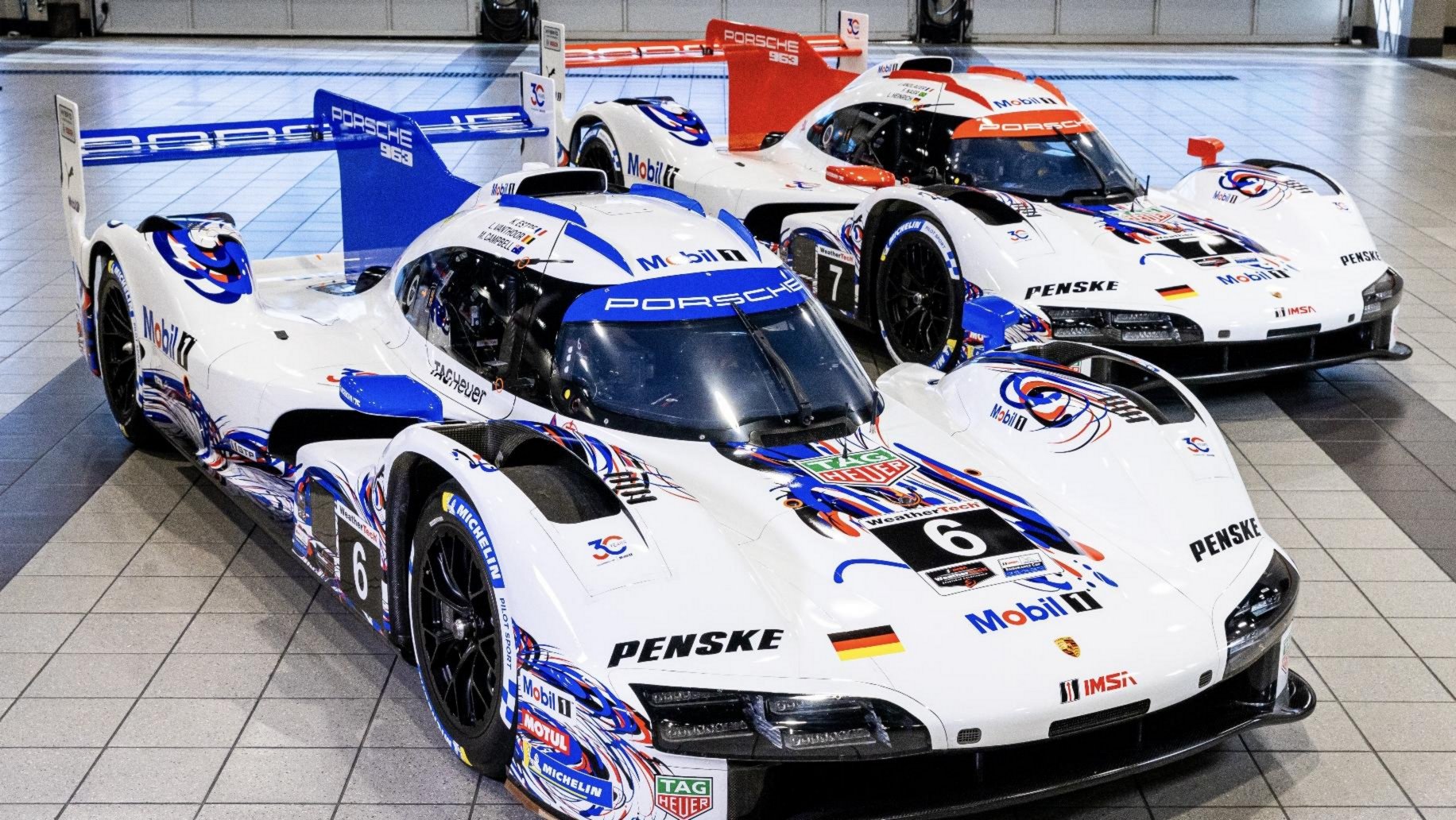
Frequently Asked Questions of How much horsepower does the Porsche 963 produce?
How much horsepower does the Porsche 963 produce?
The Porsche 963 produces about 500 kW of combined power, which is roughly 670–671 horsepower under LMDh rules. This figure reflects the combined output of the combustion engine and the hybrid system.
Is the Porsche 963’s horsepower fixed by rules?
Yes. LMDh regulations cap combined output at about 500 kW, so the Porsche 963’s peak combined horsepower is effectively fixed by series rules. Teams can vary deployment but not exceed the cap.
Does the internal combustion engine alone make 670 hp?
No. The ICE alone does not normally reach 670 hp; that number is the combined output with the hybrid system. The ICE provides the bulk of sustained power while the hybrid adds instant torque.
Can Balance of Performance change the Porsche 963’s effective power?
Yes. BoP can alter a car’s effective on-track performance through weight, aero, and energy allowances, which change how that capped horsepower is experienced. BoP aims to keep different cars competitive.
Will the Porsche 963 feel different at Le Mans versus IMSA races?
Yes. Race-specific setups, fuel strategies, and BoP differences can change how the 670 hp is used. Long straights like Le Mans highlight top speed and aero, while other tracks test mid-corner driveability.
Is 670 horsepower enough to win endurance races?
Yes. The regulated 670 hp level is the standard for LMDh and is more than enough when paired with good aero, strategy, and reliability. Endurance wins depend on consistency, not just peak power.
Conclusion
The short answer: How much horsepower does the Porsche 963 produce? It makes about 500 kW combined, which is roughly 670–671 horsepower under LMDh rules. That regulated cap means teams focus on how they use power, not just the number itself.
Takeaway: Learn to read power as a part of a bigger puzzle — aero, energy strategy, and reliability matter more than raw figures. If you enjoy prototypes, watch how teams deploy hybrid boost and adjust to BoP; that’s where races are won. If this helped, follow for more race-tech deep dives, share your thoughts, or ask a question below.