Car engine misfiring usually means one or more cylinders are not burning fuel correctly.
A car engine misfiring can feel like a small shake at first, then turn into rough idling, weak acceleration, poor fuel economy, and even serious engine damage if you ignore it. I’ve seen this problem show up in everything from older commuter cars to newer turbocharged engines, and the cause is not always what people expect. Sometimes it is a simple spark plug issue. Other times it is a deeper problem with fuel, air, compression, or sensors. If you want to understand what a car engine misfiring really means, how to spot it early, and what to do before it gets expensive, this guide walks through it in a clear, practical way.

49% off Today's Exclusive Deals
Limited-time Exclusive Deals. Check current discount on Amazon.
Check Price on Amazon As an Amazon Associate I earn from qualifying purchases.What car engine misfiring means
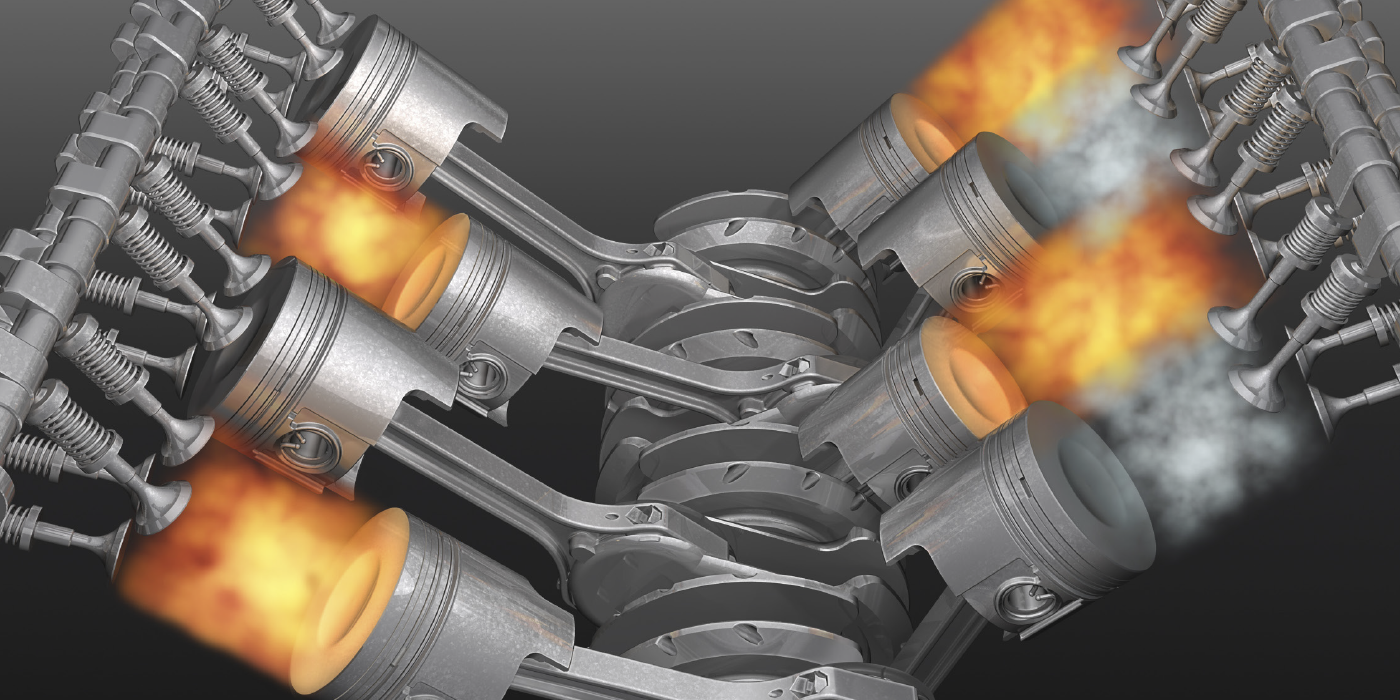
A car engine misfiring happens when one cylinder fails to fire properly during the combustion cycle. In plain terms, the air and fuel inside that cylinder do not burn the way they should. When that happens, the engine loses smooth power and starts to run unevenly.
Every cylinder in your engine should work in rhythm. Think of it like a band. If one player misses a beat, the whole song sounds off. That is what a car engine misfiring feels like under the hood. The engine may stumble, shake, or hesitate because it is not getting the balanced combustion it needs.
A misfire can be occasional or constant. It can happen at idle, during acceleration, or under load. Some drivers notice it right away. Others only feel it when the check engine light comes on.
49% off Today's Exclusive Deals
Limited-time Exclusive Deals. Check current discount on Amazon.
Check Price on Amazon As an Amazon Associate I earn from qualifying purchases.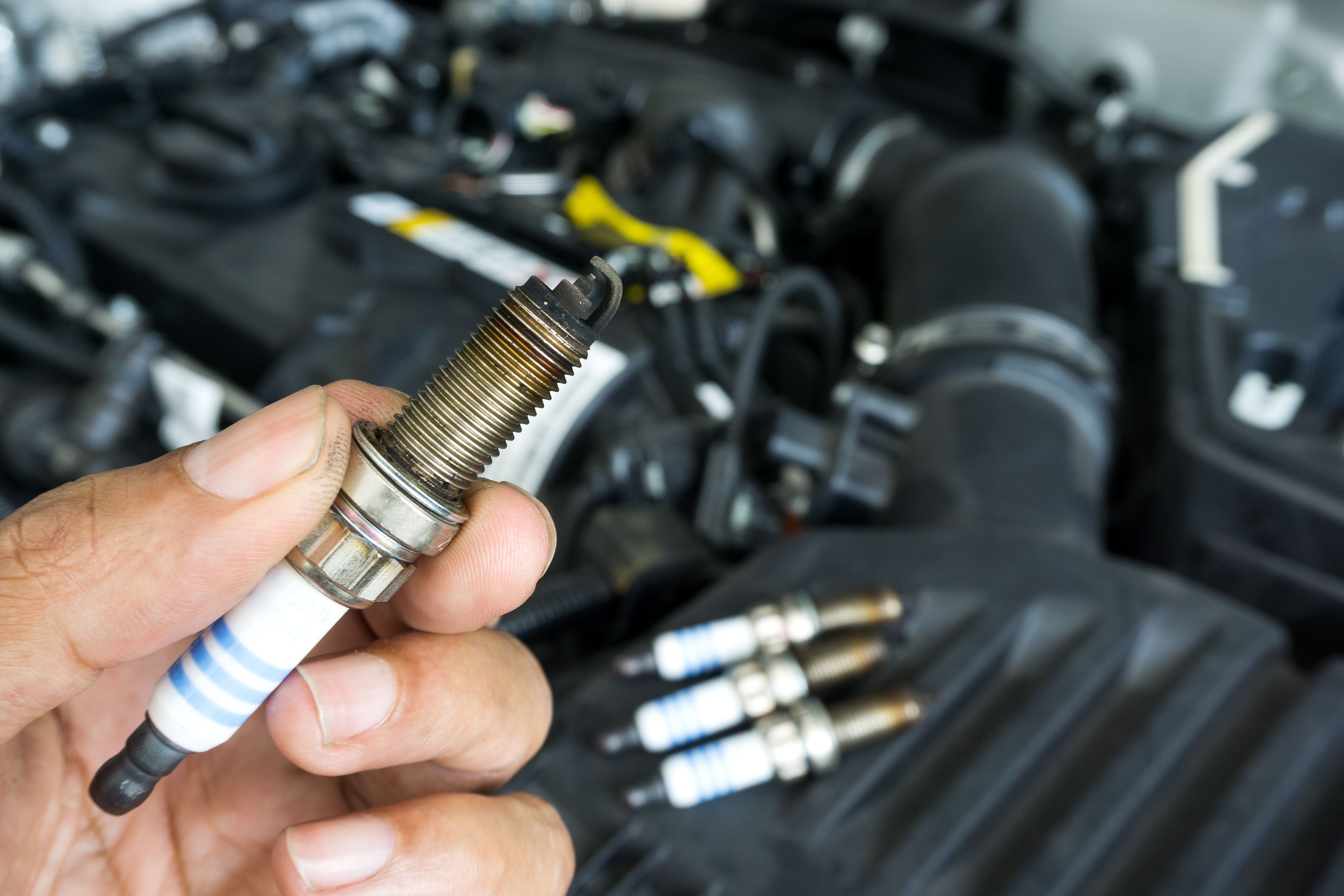
Common symptoms of car engine misfiring
The signs of car engine misfiring can vary, but most drivers notice a few classic symptoms. Knowing them early can help you fix the problem before it spreads to other parts.
Common symptoms include:
- Rough idle: The engine may shake or feel unstable when stopped.
- Loss of power: The car may feel slow or weak when you press the gas.
- Poor fuel economy: A misfire wastes fuel because combustion is incomplete.
- Check engine light: Many vehicles trigger a fault code when a misfire is detected.
- Engine hesitation: The car may stumble when you accelerate.
- Jerking or bucking: You may feel the vehicle lurch while driving.
- Hard starting: The engine may crank longer than normal before starting.
- Strong fuel smell: Unburned fuel can leave a noticeable odor from the exhaust.
In my experience, drivers often ignore the first two signs because they seem minor. That is a mistake. A small misfire can turn into a catalytic converter repair fast, and that is a bill nobody wants.
49% off Today's Exclusive Deals
Limited-time Exclusive Deals. Check current discount on Amazon.
Check Price on Amazon As an Amazon Associate I earn from qualifying purchases.What causes a car engine misfiring
A car engine misfiring usually comes from one of four areas: spark, fuel, air, or compression. That simple breakdown helps narrow the diagnosis fast. The tricky part is that more than one issue can happen at the same time.
Ignition system problems
The ignition system creates the spark that lights the air-fuel mix. If that spark is weak or missing, the cylinder misfires.
Common ignition causes include:
- Worn spark plugs
- Bad ignition coils
- Damaged spark plug wires
- Cracked coil boots
- Corroded electrical connections
Spark plugs are often the first place I check. They wear out with age, and if one plug is fouled or damaged, the engine may misfire under load or at idle.
Fuel system problems
If the cylinder does not get the right amount of fuel, combustion becomes unstable. Too much fuel or too little fuel can both create a misfire.
Common fuel issues include:
- Clogged fuel injectors
- Weak fuel pump
- Dirty fuel filter
- Low fuel pressure
- Faulty injector wiring
- Contaminated fuel
Fuel injectors can get sticky over time, especially if the car runs on poor-quality fuel or sits for long periods. I have seen engines smooth out immediately after injector cleaning, though that is not always the final fix.
Air intake and vacuum leaks
The engine needs the right air-fuel ratio. Extra air from a vacuum leak can make the mix too lean and trigger a car engine misfiring.
Typical air-related causes include:
- Vacuum leaks
- Cracked intake hoses
- Bad intake manifold gaskets
- Dirty mass airflow sensor
- Throttle body buildup
A lean misfire often shows up during idle or light throttle driving. The engine may sound fine one moment and then shake the next, almost like it is trying to catch its breath.
Compression problems
If the cylinder cannot compress properly, it cannot burn fuel the way it should. This is usually a more serious issue.
Compression-related causes include:
- Worn piston rings
- Burned valves
- Blown head gasket
- Timing chain or belt issues
- Damaged cylinder walls
Compression problems are often less common than spark or fuel issues, but they matter a lot. If the cylinder cannot seal, no amount of fresh spark plugs will fully fix the misfire.
Sensor and computer issues
Modern engines rely on sensors and the engine control unit to manage fuel and timing. When those signals are wrong, a car engine misfiring can happen even if the mechanical parts look fine.
Possible sensor-related causes include:
- Faulty crankshaft position sensor
- Bad camshaft position sensor
- Mass airflow sensor problems
- Oxygen sensor issues
- Engine coolant temperature sensor faults
These parts do not always fail in an obvious way. Sometimes the engine still runs, but the data going to the computer is wrong, and that leads to poor combustion.
How to diagnose a car engine misfiring
Finding the cause of car engine misfiring starts with a methodical check. Guessing can waste time and money, especially if the problem is hiding in a different system than you expect.
A practical diagnosis process usually looks like this:
-
Scan for trouble codes
A code reader can show misfire codes such as P0300 or cylinder-specific codes like P0301, P0302, and so on. -
Check the ignition parts
Inspect spark plugs, coils, and wires for wear, cracks, fouling, or damage. -
Look at fuel delivery
Test fuel pressure and injector performance if the ignition system looks fine. -
Inspect for air leaks
Check hoses, gaskets, and intake plumbing for cracks or loose connections. -
Test compression
If spark and fuel are normal, compression testing can reveal deeper engine problems. -
Review live data
Scan tool data can show fuel trims, misfire counts, sensor readings, and engine behavior.
In a real-world shop setting, I always start with the simple stuff first. More than once, a customer expected a major engine repair, but the issue turned out to be one bad spark plug or a loose coil connector.
Can you keep driving with a car engine misfiring?
Sometimes the car will still move, but that does not mean it is safe to keep driving. A car engine misfiring can damage the catalytic converter, increase fuel use, and make the car unreliable on the road.
If the misfire is mild and only happens occasionally, you may be able to drive a short distance to a repair shop. But if the check engine light is flashing, stop driving as soon as it is safe. A flashing light usually means the misfire is severe enough to risk expensive damage.
Here is the simple rule I follow:
- Solid check engine light: Drive carefully and schedule service soon.
- Flashing check engine light: Pull over and get the car checked immediately.
- Strong shaking or loud popping: Do not keep driving if you can avoid it.
How to fix a car engine misfiring
The fix depends on the cause, so there is no one-size-fits-all answer. Still, many car engine misfiring issues are repairable without opening the engine.
Common fixes include:
- Replacing worn spark plugs
- Installing new ignition coils
- Cleaning or replacing fuel injectors
- Fixing vacuum leaks
- Replacing bad sensors
- Repairing wiring problems
- Addressing low compression issues
- Updating software or relearning idle settings when needed
If you are doing your own repairs, do not replace parts blindly. I have seen people spend money on coils, plugs, and sensors one by one, only to find a cracked hose was the real issue. A proper diagnosis saves time and stress.
How to prevent a car engine misfiring
Good maintenance goes a long way. Most cases of car engine misfiring become less likely when you keep up with basic service.
Helpful prevention tips:
- Replace spark plugs at the recommended interval
- Use quality fuel from a trusted station
- Keep the air filter clean
- Inspect vacuum hoses and intake parts for cracks
- Fix oil leaks before they contaminate ignition components
- Service fuel injectors when needed
- Do not ignore small rough-running symptoms
- Follow your owner’s manual for maintenance timing
One lesson I have learned is that small maintenance tasks are cheaper than recovery repairs. A neglected tune-up can snowball into a rough engine, poor mileage, and costly damage later.
Why car engine misfiring affects performance and fuel economy
A misfire wastes energy. Instead of turning fuel into smooth power, the engine burns it poorly or not at all. That lowers performance and raises fuel use at the same time.
You may notice:
- Slower acceleration
- Reduced towing ability
- Unstable idle speed
- More frequent fuel stops
- Higher emissions output
The engine computer may also try to compensate by adding or removing fuel. That can make the problem worse if the root cause stays unfixed. In other words, the car keeps trying to play in tune, but one instrument is still off.
Car engine misfiring and the check engine light
The check engine light is often the first warning of a car engine misfiring. The engine control unit watches crankshaft speed, sensor data, and combustion patterns. When it detects abnormal behavior, it stores a diagnostic trouble code.
Useful misfire codes include:
- P0300: Random or multiple misfires
- P0301: Cylinder 1 misfire
- P0302: Cylinder 2 misfire
- P0303: Cylinder 3 misfire
- P0304: Cylinder 4 misfire
These codes do not always tell you the exact broken part. They point you to the problem area. That is why a full diagnosis still matters.
Real-world examples of car engine misfiring
A few examples make the pattern easier to understand.
- A compact sedan with a rough idle at stoplights often has worn spark plugs or a weak coil.
- A truck that stumbles only under acceleration may have a fuel delivery problem.
- A car that misfires mostly on cold mornings may have a vacuum leak or moisture in the ignition system.
- An older engine with one cylinder dead at all times may have compression loss from a valve or head gasket issue.
I once worked around a vehicle that had been “fixed” twice already. The owner had replaced coils and plugs, but the real problem was a tiny intake leak that only opened when the engine warmed up. That kind of issue is common, and it shows why careful testing matters more than guesswork.
Frequently Asked Questions
What is the most common cause of car engine misfiring?
Worn spark plugs and bad ignition coils are among the most common causes. Fuel delivery problems and vacuum leaks are also very common, especially on older vehicles.
Is a car engine misfiring expensive to fix?
It depends on the cause. A spark plug or coil repair may be modest, while compression problems or catalytic converter damage can be much more expensive.
Can bad gas cause a car engine misfiring?
Yes, contaminated fuel or very low-quality fuel can lead to poor combustion and misfires. If the issue started right after filling up, fuel quality should be checked early.
Will a misfire go away on its own?
Sometimes an occasional misfire may seem to disappear, but the root problem usually remains. If you ignore it, the condition can return and become worse.
How long can I drive with a misfire?
There is no safe “long” answer for a severe misfire. If the check engine light is flashing or the engine is shaking hard, stop driving and get it inspected right away.
Conclusion
Car engine misfiring is more than an annoying shake. It is a warning sign that the engine is not burning fuel the way it should, and that can lead to poor performance, wasted gas, and bigger repairs if you wait too long. The good news is that many misfires come from fixable issues like spark plugs, ignition coils, fuel delivery, or air leaks.
If your car feels rough, hesitates, or shows a check engine light, do not brush it off. Start with a proper diagnosis, fix the root cause, and keep up with regular maintenance to avoid repeat problems. If this guide helped, explore more repair tips, share your experience, or leave a comment with the symptoms your car is showing.


