Car turn signals not working usually points to a bad bulb, fuse, relay, switch, or wiring issue.
When your car turn signals stop working, it is more than a small annoyance. It can make lane changes risky, confuse other drivers, and leave you guessing about what failed. I’ve seen this problem start with something simple, like a burned-out bulb, and other times it came down to a hidden wiring fault that took a bit of patience to find. In this guide, I’ll walk you through the most likely causes of car turn signals not working, how to diagnose them, and what to fix first so you can get back on the road with confidence.

49% off Today's Exclusive Deals
Limited-time Exclusive Deals. Check current discount on Amazon.
Check Price on Amazon As an Amazon Associate I earn from qualifying purchases.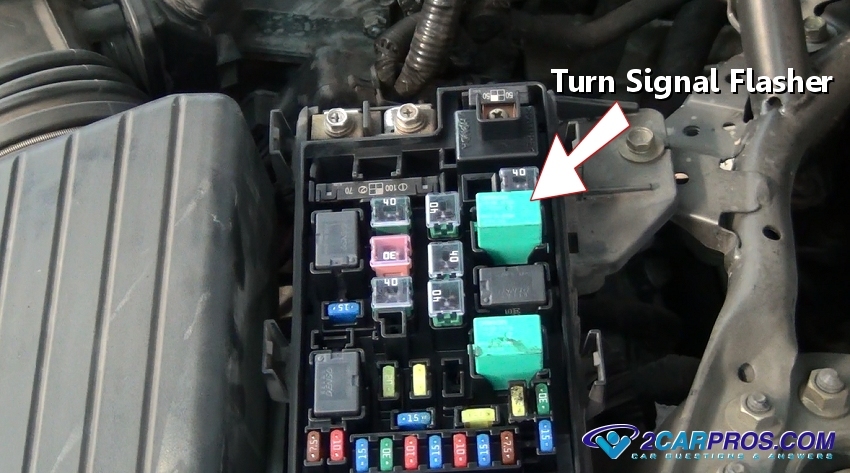
Common reasons car turn signals not working
Car turn signals not working can happen for several reasons, and the good news is that many of them are easy to check. The most common cause is a burned-out turn signal bulb, but the problem can also come from a blown fuse, a bad flasher relay, a faulty turn signal switch, or damaged wiring.
Here are the most likely causes:
49% off Today's Exclusive Deals
Limited-time Exclusive Deals. Check current discount on Amazon.
Check Price on Amazon As an Amazon Associate I earn from qualifying purchases.- Burned-out bulb: One bad bulb can make one side stop flashing or make the signal blink fast.
- Blown fuse: A fuse protects the circuit, and if it fails, the signals may stop working completely.
- Bad flasher relay: This part controls the blinking action. If it fails, the signals may stay solid or not work at all.
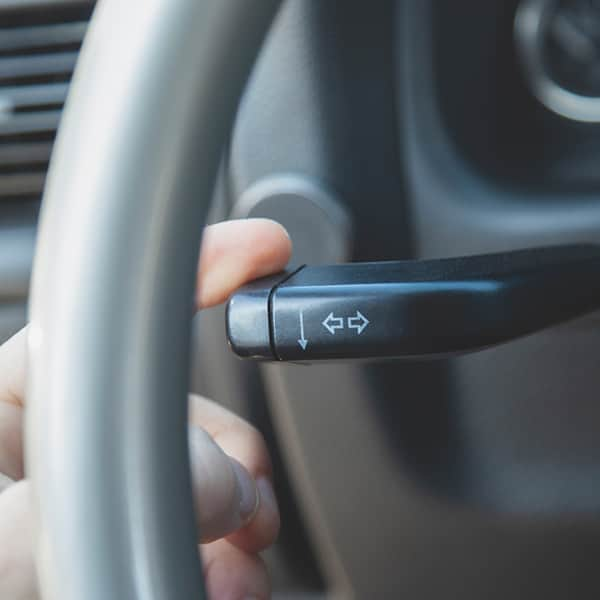
- Faulty turn signal switch: The stalk or lever on the steering column can wear out over time.
- Wiring problems: Loose connectors, corrosion, or broken wires can interrupt power.
- Bad ground connection: A weak ground can cause dim lights or no lights.
- Hazard switch issue: On some vehicles, the hazard switch is tied into the turn signal circuit.
- BCM problem: In newer cars, the body control module may control signal operation.
From experience, I’ve found that many drivers assume the worst right away. But in real repairs, the simplest fix is often the right one. A quick bulb and fuse check can save a lot of time and money.

How turn signals work
A turn signal system is simple on the surface, but it depends on several parts working together. When you move the signal stalk, the switch sends a message to the relay or module, which then powers the front and rear bulbs on that side.
Most systems include:
49% off Today's Exclusive Deals
Limited-time Exclusive Deals. Check current discount on Amazon.
Check Price on Amazon As an Amazon Associate I earn from qualifying purchases.- Turn signal switch
- Fuse
- Flasher relay or electronic control module
- Bulbs or LED signal units
- Wiring and connectors
- Ground points
The blinking effect comes from the flasher relay or module opening and closing the circuit very fast. If one part in that chain breaks, car turn signals not working becomes a real possibility.
This is why diagnosis matters. A dead bulb, for example, looks very different from a relay failure. One may affect only one side, while the other can shut down both signals.
Signs your turn signals are failing
Car turn signals not working does not always mean complete failure. Sometimes the system gives warning signs first. If you catch them early, you may avoid getting stranded or cited for unsafe driving.
Watch for these symptoms:
- Fast blinking: Often means a bulb is burned out or not drawing enough power
- No blinking at all: May point to a relay, fuse, or switch issue
- One side works, the other does not: Often a bulb, socket, or wiring problem
- Dim lights: Usually suggests a ground or voltage issue
- Clicking sound without lights: Can mean the relay is working, but power is not reaching the bulbs
- Hazard lights work, but turn signals do not: This may narrow the fault to the switch or control module
I once checked a vehicle where the owner swore both turn signals were dead. The real issue was a corroded bulb socket on one side and a loose connector on the other. It was a good reminder that car turn signals not working is not always one big failure. Sometimes it is two smaller ones happening at once.
Step-by-step diagnosis for car turn signals not working
Before replacing parts, it helps to follow a simple process. This keeps you from guessing and buying components you do not need.
1. Check the bulbs first
Start with the turn signal bulbs on both sides. Look for a broken filament, dark glass, or moisture inside the lens.
If you have an LED setup, inspect for dead LED sections or module issues. Some LED assemblies fail as a unit, so the whole light may need replacement.
2. Inspect the fuse
Find the fuse box in your owner’s manual and locate the turn signal or hazard fuse. Pull it out and check whether the metal strip is broken.
If the fuse is blown, replace it with the same amperage rating. If it blows again, there is likely a deeper electrical problem.
3. Listen for the flasher relay
Turn the signal on and listen for clicking. A normal click often means the relay is still doing its job.
If there is no click, the relay may be bad, or the switch may not be sending a proper signal.
4. Test the hazard lights
Hazard lights often share parts of the same circuit. If hazards work but turn signals do not, the issue may be the switch or control module.
If both fail, the problem is usually farther upstream, such as a fuse, relay, or power issue.
5. Check the signal stalk
Move the turn signal lever slowly and firmly. If it works only in one position or feels loose, the switch may be worn out.
Intermittent operation often points to a failing switch inside the steering column.
6. Inspect sockets and wiring
Look for green corrosion, melted plastic, or loose plugs near the lamp housings. Water intrusion is a common cause of electrical failure in older cars.
If you are comfortable using a multimeter, check for voltage and ground at the socket. That can help separate a bulb issue from a wiring issue.
7. Consider control modules in newer cars
Modern vehicles may use a body control module instead of a simple relay. If the rest of the circuit checks out, a scan tool may be needed to read fault codes.
This is one of those times when the repair is less about swapping parts and more about reading what the car is trying to tell you.
How to fix the most common causes
Once you know the cause, the repair is usually straightforward. Some fixes are simple enough for a DIY job, while others may need a shop.
Replace a burned-out bulb
This is the easiest fix for car turn signals not working. Buy the correct bulb type from your owner’s manual or parts store.
A few tips:
- Replace bulbs in pairs if they are the same age
- Avoid touching halogen glass with bare hands
- Make sure the bulb locks in place fully
Replace a blown fuse
If the fuse is clearly damaged, swap it for one with the same rating. Never use a higher-amperage fuse to “get by.”
That can overheat wiring and create a bigger problem.
Replace the flasher relay
If the relay is faulty, the signals may not blink correctly. Many relays are easy to access and plug into the fuse box or dash area.
Match the replacement part carefully, since different vehicles use different relay styles.
Repair wiring or connectors
If corrosion, broken wires, or loose pins are the issue, clean and repair the connection. In some cases, a section of wire may need to be replaced.
Use proper connectors and heat shrink where possible. Temporary twists and tape usually do not last.
Replace the turn signal switch
If the stalk feels worn or the signals work only when you wiggle it, the switch may be the problem. Replacing the switch can require removing steering column trim, so take your time.
On some cars, this can be a moderate repair rather than a simple one.
Address module or programming issues
If the body control module is involved, the fix may require scan data, software updates, or professional diagnosis. This is more common in newer vehicles with integrated lighting systems.
Why fast blinking matters
Fast blinking is one of the most useful clues when car turn signals not working. It usually means the system is not seeing the normal bulb load.
This often happens because:
- A bulb is burned out
- An LED conversion is not matched correctly
- A socket has corrosion
- A ground connection is weak
Think of it like a runner missing one shoe. The system is still trying to move, but it knows something is off. Fast blinking is the car’s way of saying, “check this side now.”
Special note on LED turn signals
LED lights last longer than traditional bulbs, but they can create new problems. Some cars need resistors or compatible modules to keep the blinking rate normal.
If you upgrade to LED and car turn signals not working starts right after, the issue may be compatibility rather than a failed part. In many cases, the fix is a load resistor, an LED flasher relay, or a proper CAN bus compatible bulb.
I’ve seen a lot of people swap to LED because they want a cleaner look, then wonder why the signal blinks too fast or throws a warning light. That is a common and fixable mistake.
Safety and legal risks of driving with bad turn signals
Driving with car turn signals not working is not just inconvenient. It can be unsafe and may also lead to a traffic stop depending on your state laws.
Risks include:
- Reduced communication with other drivers
- Higher chance of a side-impact crash
- Confusion when changing lanes or turning
- Possible inspection or ticket issues
If your signals fail at night, in rain, or in heavy traffic, the risk rises even more. Until the repair is done, use hand signals only if it is legal and safe in your area, and drive with extra caution.
Prevention tips to avoid future turn signal problems
A little maintenance can help keep car turn signals not working from becoming a repeat issue. Electrical systems last longer when they stay clean and dry.
Useful habits include:
- Inspect bulbs during regular oil changes
- Replace cracked lens covers quickly
- Keep water out of lamp housings
- Clean corrosion from sockets and connectors
- Fix weak batteries and charging issues early
- Avoid cheap low-quality replacement bulbs
One small lesson I learned over the years: if a car already has one electrical issue, check the whole area, not just the obvious part. A loose ground or moisture leak can return the problem fast if you only replace the bulb and move on.
When to call a mechanic
Some turn signal fixes are simple, but not every problem should be DIY. If car turn signals not working continues after you check the bulb, fuse, and relay, it may be time for professional help.
Call a mechanic if:
- The fuse keeps blowing
- Multiple lights fail at once
- The problem is intermittent and hard to trace
- The steering column switch seems damaged
- A module or coding issue is suspected
- You see melted wiring or burnt connectors
A technician with a scan tool and wiring diagram can often find the fault faster. That is especially true on newer cars where the lighting system is tied into the vehicle network.
Frequently Asked Questions of car turn signals not working
Why are my car turn signals not working but hazards do?
If hazards work but turn signals do not, the problem is often the turn signal switch or part of the control circuit. Since hazard lights usually share bulbs and much of the wiring, this clue helps narrow the issue.
Can a bad battery cause car turn signals not working?
Yes, a weak battery or low system voltage can cause electrical problems, including turn signal issues. If the battery is dying or the charging system is weak, the signals may act erratic or stop working.
Why is only one turn signal not working?
One-sided failure usually points to a burned-out bulb, bad socket, corroded connector, or broken wire. If the other side works fine, the main fuse and relay are less likely to be the cause.
How much does it cost to fix car turn signals not working?
The cost can range from a few dollars for a bulb or fuse to a few hundred dollars for wiring, switch, or module repairs. The final price depends on the vehicle and how deep the electrical fault runs.
Can I drive if my turn signals are not working?
You should avoid driving unless absolutely necessary because it is unsafe and may be illegal. If you must move the car, use extra caution and follow local rules for hand signals.
Conclusion
Car turn signals not working can come from a simple bulb issue or a more involved electrical fault, but the fix often starts with the basics. Check the bulbs, fuse, relay, switch, and wiring in order, and pay attention to clues like fast blinking or hazard light behavior.
The key is to diagnose before replacing parts. That saves money, reduces frustration, and helps you fix the real problem the first time. If your turn signals are still giving you trouble, take the next step today by inspecting the circuit carefully or booking a trusted mechanic for a proper electrical check.


