Nissan Rogue engine overheating is a warning you can't brush off. If your temperature gauge is climbing or the dashboard light is on, you need to act fast. Manufacturer specifications indicate the QR25DE engine operates safely between 195°F and 220°F, but anything above 240°F puts you in the danger zone.
Most overheating issues trace back to the cooling system. A failed thermostat or a coolant leak are the most common culprits. Let's walk through exactly what to check and what to do.

49% off Today's Exclusive Deals
Limited-time Exclusive Deals. Check current discount on Amazon.
Check Price on Amazon As an Amazon Associate I earn from qualifying purchases.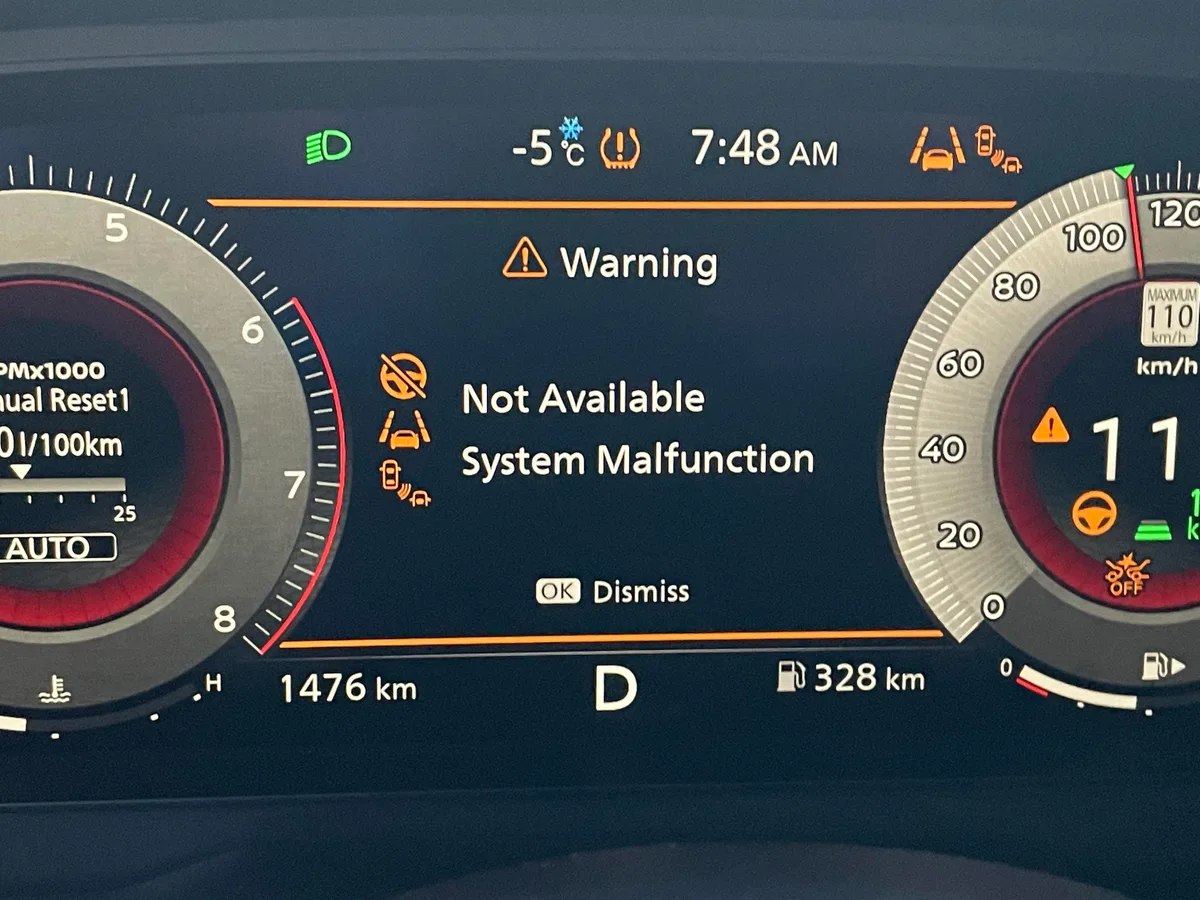
Image source: Bing (Web (fair-use with source credit))
Stop! If Your Nissan Rogue Is Overheating, Read This First
Your first job is to get the vehicle to a safe stop immediately. Pull over to the right shoulder or a parking lot as soon as it's safe. Do not keep driving.
49% off Today's Exclusive Deals
Limited-time Exclusive Deals. Check current discount on Amazon.
Check Price on Amazon As an Amazon Associate I earn from qualifying purchases.Turn off the engine. Open the hood only after the temperature gauge has dropped for at least 30 minutes.
While you wait, check these critical things:
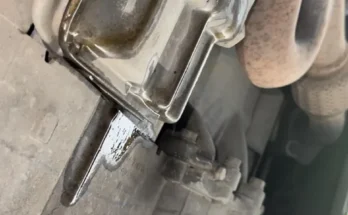
- Look under the car. Is there a puddle of brightly colored green, blue, or orange fluid? That's coolant.
- Check the coolant reservoir. It's a translucent plastic tank near the radiator. Is the fluid level between the MIN and MAX lines when cold?
- Listen. A boiling or gurgling sound from the engine bay means trapped air or boiling coolant. That's bad.
Do not remove the radiator cap when the engine is hot. The system is under pressure and can spray scalding liquid over 265°F. This is the most important safety rule.
If the engine stalls or starts misfiring as it overheats, that's an even stronger signal to stop immediately. Prolonged overheating followed by a stall often means the engine is already suffering damage.
49% off Today's Exclusive Deals
Limited-time Exclusive Deals. Check current discount on Amazon.
Check Price on Amazon As an Amazon Associate I earn from qualifying purchases.How to Tell If It's Actually Overheating (Dashboard Warning Signs)
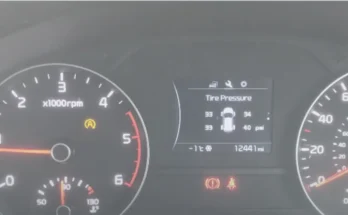
The Rogue uses a gauge and warning lights. The gauge is your real-time monitor. The light is the emergency alarm.
- Temperature Gauge: The needle should sit just below the halfway mark during normal driving. If it creeps into the upper half or toward the red zone, you're overheating.
- Red Overheat Warning Light: A thermometer icon in red. When it illuminates, you have minutes, not miles.
- "Vehicle Overheating" Message: Some model years display a text warning on the instrument panel. Take it seriously.
- Check Engine Light: A Check Engine Light combined with overheating symptoms usually points to the cooling system. Code P0128 (thermostat below regulating temperature) or P0117 (coolant temperature sensor circuit low) are strong indicators. Most auto parts stores scan codes for free.
Start Here: What You're Seeing, Smelling, and Hearing
Your senses give the best first clues. Here's what each sign typically means.
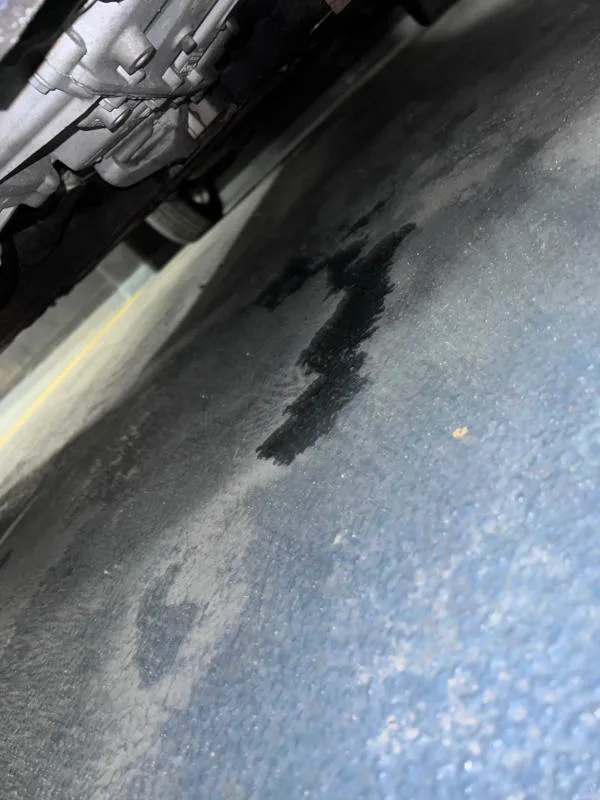
Image source: Bing (Web (fair-use with source credit))
- Sweet Smell: That's ethylene glycol from leaking coolant. The smell often comes from the engine bay or near the exhaust.
- Visible Steam: White steam billowing from under the hood means boiling coolant is escaping. Pull over now.
- Pooling Fluid: Green, blue, or orange fluid under your parked car confirms a leak. Its location tells you more about which component failed.
- Heater Blows Cold Air: If the heater suddenly stops working, the coolant level may be too low to reach the heater core. This is a classic overheating symptom.
Common leak spots on the Rogue include the radiator, coolant hoses, water pump weep hole, and the thermostat housing. A Hyundai Tucson Coolant Leak follows a similar diagnostic path.
Decision Tree: Diagnose Your Issue Step by Step
Follow this flow after the engine is cool and you've confirmed a potential issue.
Branch 1: Coolant Leak or Low Coolant
If the reservoir is low or you see a puddle, start here.
- Pressure Test the System. Borrow a tester from an auto parts store. It forces air into the cooling system, making hidden leaks obvious.
- Check Common Culprits. Look at the radiator for cracks, hoses for soft spots or drips, and the water pump for seepage from its weep hole.
- Temporary Fix. You can add distilled water to get home, but you must flush and refill with the correct Nissan coolant (Super Long Life Coolant, blue) as soon as possible.
Branch 2: Thermostat or Water Pump Failure
If there's no visible leak but you still overheat, suspect these parts.
The thermostat is a small valve that opens at a set temperature to let coolant flow to the radiator. A stuck-closed thermostat is the most common cause of rapid overheating. The water pump circulates coolant through the engine.
Its internal impeller can break, stopping flow even if the pulley spins normally.
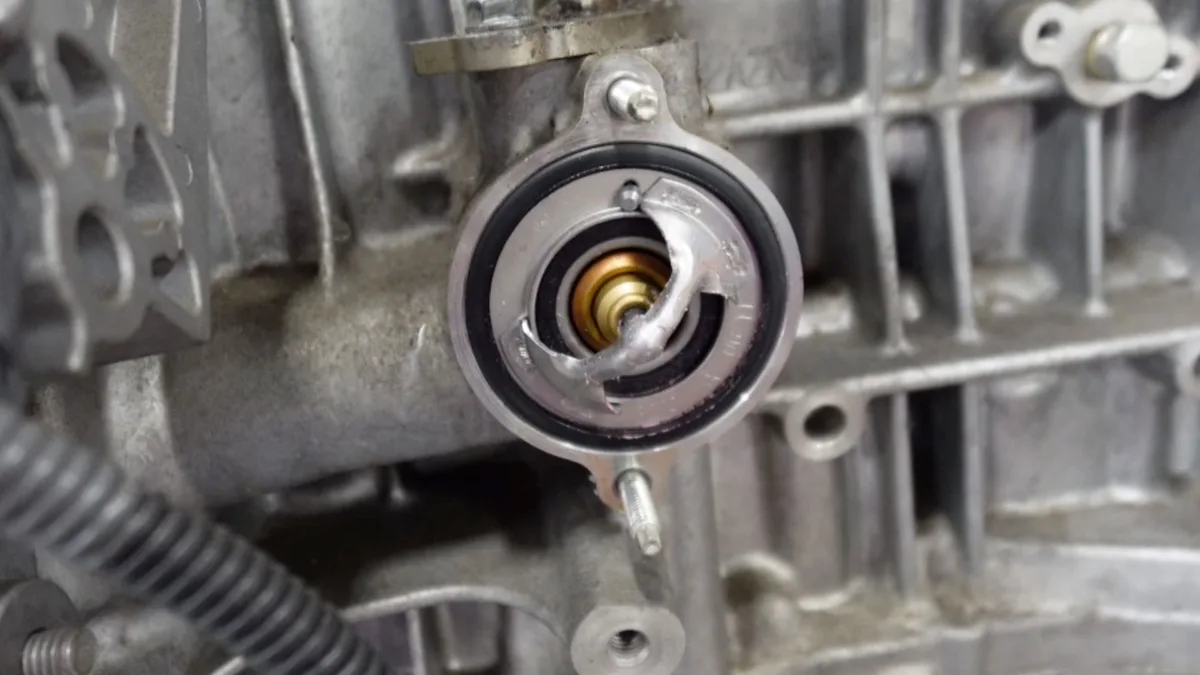
Image source: Bing (Web (fair-use with source credit))
Quick thermostat test: Start the engine cold. Feel the upper radiator hose. It should stay cool for a few minutes, then suddenly get hot as the thermostat opens.
If it gets hot immediately, the thermostat is stuck open. If it never gets hot, it's stuck closed.
Branch 3: Radiator Fan Not Engaging
This causes overheating in stop-and-go traffic but not at highway speeds.
The fan should turn on when the engine reaches about 215°F (102°C). To test it, start the engine and turn on your A/C to max. The fan should come on immediately.
If not, check the fuse and relay in the engine bay fuse box. A faulty fan motor or a bad coolant temperature sensor signal can also cause this.
Branch 4: Sensor, Cap, or Head Gasket
These are less common but serious.
- Coolant Temperature Sensor (CTS): A failed sensor sends false data to the computer. This can prevent the fan from activating or cause the gauge to misread.
- Radiator Cap: A weak cap can't hold the required 15 PSI of pressure. This lowers the coolant's boiling point and causes boil-over.
- Head Gasket: The worst case. Symptoms include milky oil on the dipstick, white smoke from the exhaust, and bubbles in the coolant reservoir. A Hyundai Tucson Oil Leak guide covers related diagnostics for a different platform. Head gasket repair requires professional service.
The Exact Steps to Take Right Now
Regardless of the cause, follow this sequence before driving again.
- Cool Down. Let the engine sit for at least 45 minutes.
- Check the Level. Inspect the coolant reservoir. If it's empty, you have a leak. If it's full, the problem is likely with flow (thermostat, pump, or fan).
- Visual Inspection. Look for obvious leaks, broken hoses, or disconnected clamps.
- Add Coolant If Needed. Only add coolant to the reservoir when the engine is cold. Use the correct type. Never rely on plain water long-term.
- Test the Fan. Turn the ignition to "ON" (engine off) and set A/C to max. You should hear the fan click on. If not, this is your prime suspect.
- Scan for Codes. Even without a Check Engine Light, stored codes can pinpoint the failed sensor or component.
- Drive Cautiously. If you've topped off coolant and everything seems normal, drive a short distance while watching the gauge closely. If it climbs again, stop immediately.
A Hyundai Tucson Radiator Problem guide covers similar diagnostics. If you're not comfortable with these steps, call for a tow. Forcing a Rogue to a shop under its own power risks destroying the engine.
Mistakes That Turn a Cheap Fix Into a $3,000 Nightmare
These are the errors our research shows drivers make most often. Every one of them turns a $50 thermostat job into catastrophic engine damage.
- Driving through the overheat. The single biggest mistake. Even a few extra miles at 240°F+ can warp the cylinder head. Once the head warps, you're looking at a head gasket replacement or a full engine swap.
- Opening the radiator cap while hot. Pressurized coolant erupts at over 265°F. It causes severe burns in seconds. Always wait 30 to 45 minutes.
- Refilling with plain water. Water alone has no corrosion inhibitors. It also boils at a lower temperature than proper coolant. As of 2026, Nissan recommends Super Long Life Coolant (blue) for the Rogue. Using the wrong type causes internal scaling and premature water pump failure.
- Ignoring a slow leak. A tiny drip from a hose clamp seems harmless. It's not. Low coolant creates air pockets. Air pockets cause hot spots. Hot spots cause head gasket failure.
- Replacing parts blindly without diagnosis. Swapping the thermostat, then the water pump, then the radiator without testing first wastes hundreds in parts. A $15 pressure test tells you where the problem actually is.
One more thing: if your Rogue has overheating history, always check the oil. Pull the dipstick. If the oil looks milky or like a chocolate milkshake, coolant has mixed with the oil.
That's head gasket failure, and it needs professional attention right away.
What It'll Cost: Real Repair Estimates by Part
Repair costs vary by model year and whether you DIY or visit a shop. These estimates reflect typical 2025 to 2026 pricing for Nissan Rogue cooling system repairs.
| Repair | Parts Cost (DIY) | Shop Cost (Parts + Labor) |
|---|---|---|
| Thermostat and Housing | $25 to $80 | $150 to $350 |
| Coolant Temperature Sensor | $15 to $45 | $80 to $200 |
| Radiator Cap | $8 to $15 | $20 to $40 |
| Water Pump | $40 to $120 | $250 to $550 |
| Radiator (Complete) | $100 to $250 | $300 to $700 |
| Radiator Fan Assembly | $80 to $200 | $200 to $450 |
| Coolant Flush and Fill | $20 to $40 | $100 to $180 |
| Head Gasket Replacement | $80 to $200 | $1,200 to $3,000+ |
The thermostat is the cheapest fix and the most common cause. If you're handy with basic tools, it's a solid DIY project. The Rogue's thermostat housing is accessible on the QR25DE engine, and replacement takes roughly one to two hours.
Water pump and radiator jobs cost more because the parts sit deeper in the engine bay. Labor hours climb accordingly.
Head gasket replacement is the big one. As our research indicates, this repair consistently costs over $1,500 at independent shops and can exceed $3,000 at a dealership. At that point, you're weighing repair cost against the vehicle's resale value.
Frequently Asked Questions
How far can I drive if my Rogue is overheating?
You shouldn't drive at all. If the temperature gauge is in the red zone or the warning light is on, pull over immediately. Driving even one mile at extreme temperatures can warp the cylinder head.
If you must move the vehicle, coast to a safe spot with the engine off.
What coolant does a Nissan Rogue use?
Nissan recommends Super Long Life Coolant (blue) for most Rogue model years from 2008 onward. Do not mix it with green conventional coolant. The chemical formulations are incompatible and can create residue that clogs the heater core and radiator passages.
Why does my Rogue overheat only in traffic?
This pattern almost always points to the radiator fan. At highway speeds, airflow through the radiator cools the engine naturally. In stop-and-go traffic, the fan does all the work.
If the fan motor, relay, or fuse has failed, the engine overheats when the car isn't moving.
Can a bad radiator cap cause overheating?
Yes. A worn cap that can't hold the rated 15 PSI of pressure lowers the coolant's boiling point. The coolant boils at lower temperatures, creating steam pockets and triggering the overheat warning.
It's an $8 fix that many people overlook.
How often should I flush the coolant in my Rogue?
Nissan's maintenance schedule recommends a coolant flush every 60,000 miles or 60 months, whichever comes first. Skipping this interval leads to degraded coolant that loses its corrosion-fighting ability. That accelerates wear on the water pump, radiator, and heater core.
Is it safe to drive after the temperature returns to normal?
Only if you've identified and fixed the cause. If the coolant was low and you've topped it off, monitor the gauge closely on a short test drive. If the overheating recurs, or if you can't find the root cause, have the vehicle towed to a shop.
Repeated overheating cycles compound damage each time.