That high-pitched squeal when you come to a stop, or a scraping sound as you roll, Nissan Rogue brake noise is one of those nagging car worries that feels worse than it might be. The good news is most of it points to simple, fixable issues. Our research into Nissan technical service data shows a large portion of brake noise complaints trace back to conditions covered right here.
Your Rogue's braking system gives you clear audible warnings before a problem becomes dangerous. A mechanical wear indicator on the brake pad is designed to scrape the rotor, creating that intentional squeal. Understanding what each sound means is the first step to fixing it.

49% off Today's Exclusive Deals
Limited-time Exclusive Deals. Check current discount on Amazon.
Check Price on Amazon As an Amazon Associate I earn from qualifying purchases.Quick Answer
Nissan Rogue brake noise typically comes from worn pads, glazed rotors, or trapped debris. A high-pitched squeal often means the pad wear indicator is active. A grinding sound signals urgent attention is needed.
Most causes are resolved with cleaning, new hardware, or a proper bed-in procedure. Start with a visual inspection through your wheel spokes.
The Problem: Why Is My Nissan Rogue's Brakes Making Noise?
Let's start with the most important question: is this noise a simple annoyance or a safety warning? The answer dictates your next move. Manufacturer specifications indicate that a consistent squealing sound during braking is often the brake pad's wear indicator, a small metal tab designed to contact the rotor when pad material thins to about 2 to 3 millimeters.
49% off Today's Exclusive Deals
Limited-time Exclusive Deals. Check current discount on Amazon.
Check Price on Amazon As an Amazon Associate I earn from qualifying purchases.You'll hear different sounds for different problems. A high-pitched squeal is usually the wear indicator or glazed pads. A low-pitched grind or metal-on-metal sound is a serious warning that the pads are completely gone.
A scraping or swishing noise that happens all the time, even when not braking, often means a small stone is trapped between the brake rotor and the dust shield.
A grinding sound can lead to damaged rotors and much higher repair costs. A quick visual check through your wheel spokes tells you a lot. Look for the brake pad pressing against the shiny rotor surface.
If you see less than a quarter-inch of pad material, replacement is due soon.
49% off Today's Exclusive Deals
Limited-time Exclusive Deals. Check current discount on Amazon.
Check Price on Amazon As an Amazon Associate I earn from qualifying purchases.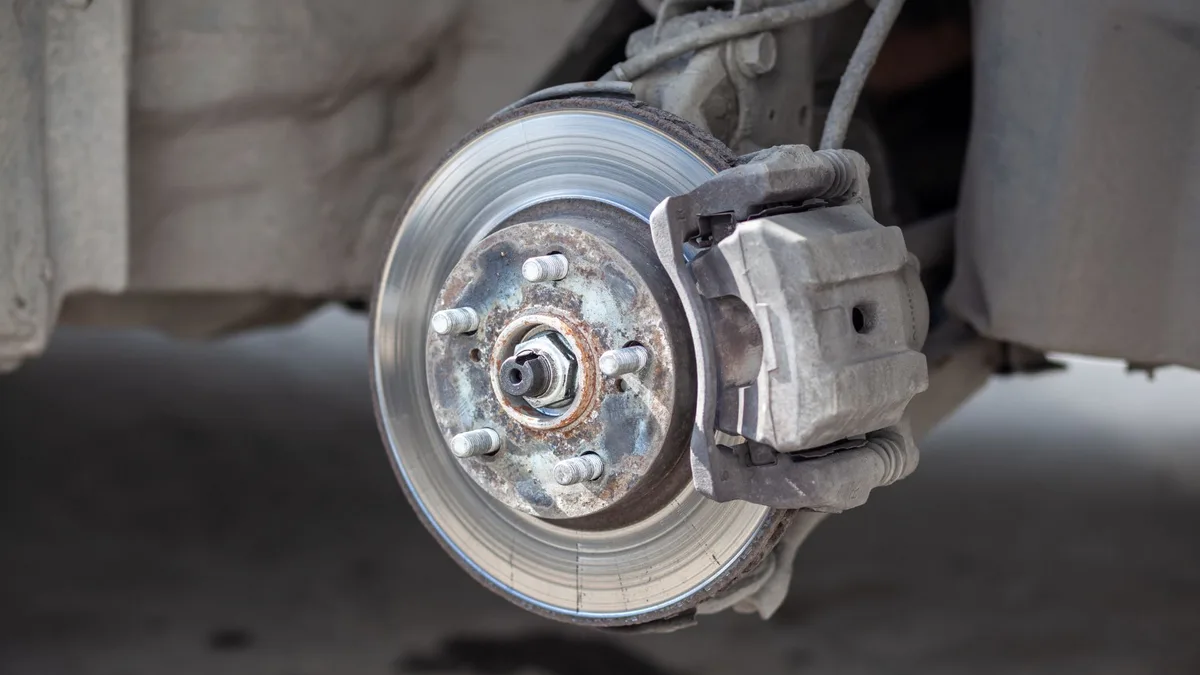
Image source: Bing (Web (fair-use with source credit))
Quick Guide: What Type of Noise Are You Hearing?
Let's narrow it down. The path you follow depends on when and how the noise happens.
| If you notice… | Likely cause is… | Start here… |
|---|---|---|
| Squeal only when braking | Pad wear indicator or glazed pads | Visual inspection of pad thickness |
| Constant scraping or swish | Debris trapped in dust shield | Visual inspection behind rotor |
| Grinding when braking | Pads worn to metal backing | Immediate professional inspection |
| Noise after new pad install | Pads not bedded-in correctly | Perform a proper bed-in procedure |
| Noise in wet or cold weather | Light surface rust on rotors | Likely normal; fades after a few stops |
Is it only when you brake, or all the time? That's the biggest clue. If the noise disappears after the first few stops in the morning, it's often surface rust that wears off quickly.
This is common in humid climates or after rain. If it's constant, think debris or a mechanical issue.
The type of sound during braking tells a story. A squeal that changes pitch with stopping speed points to pad and rotor interaction. A vibration through the steering wheel when braking suggests a warped rotor.
These details help you or your mechanic zero in fast.
Under the Hood: How Nissan Rogue Brakes Work (And What Usually Fails)
Your Rogue uses a standard disc brake system at all four wheels. The core components are the brake caliper, which houses the piston, the brake pads, which press against the rotor, and the brake rotor itself, the disc that spins with the wheel. The brake pedal forces hydraulic fluid to push the caliper piston, clamping the pads onto the rotor to create friction and stop the car.
The most common failure points are straightforward. Brake pads are wear items by design. The hardware, specifically the metal clips, springs, and shims that hold the pads in place and dampen vibration, corrodes and wears out.
When this hardware is old or missing, the pads rattle and buzz. The brake dust shield is a thin metal plate behind the rotor that protects components from debris. It's also where small stones love to get trapped.
On newer Rogues with an electronic parking brake, the rear calipers have an electric motor. A fault in this system can cause the rear brakes to drag slightly, creating humming noise and accelerated wear. A scan tool that reads Nissan-specific brake modules is needed to diagnose this.
Aggregate owner reports from forums and Nissan service data confirm this is a known issue on 2021 and later models.
Step-by-Step Diagnostic Workflow: From Simple to Complex Checks
Follow this logical sequence. Start with checks in your driveway and only move to more involved steps if needed.
Phase 1: The Visual Inspection (No Tools Needed)
Park on a flat surface and engage the parking brake on the front wheels only. Chock the rear wheels. You need a flashlight.
Look through the wheel spokes at the brake assembly. Check the brake pad material. Is it more than 1/8 inch or 3 millimeters thick?
If it's very thin, that's your answer. Look at the rotor surface. Is it smooth and shiny, or does it have deep grooves or a thick rust lip on the edge?
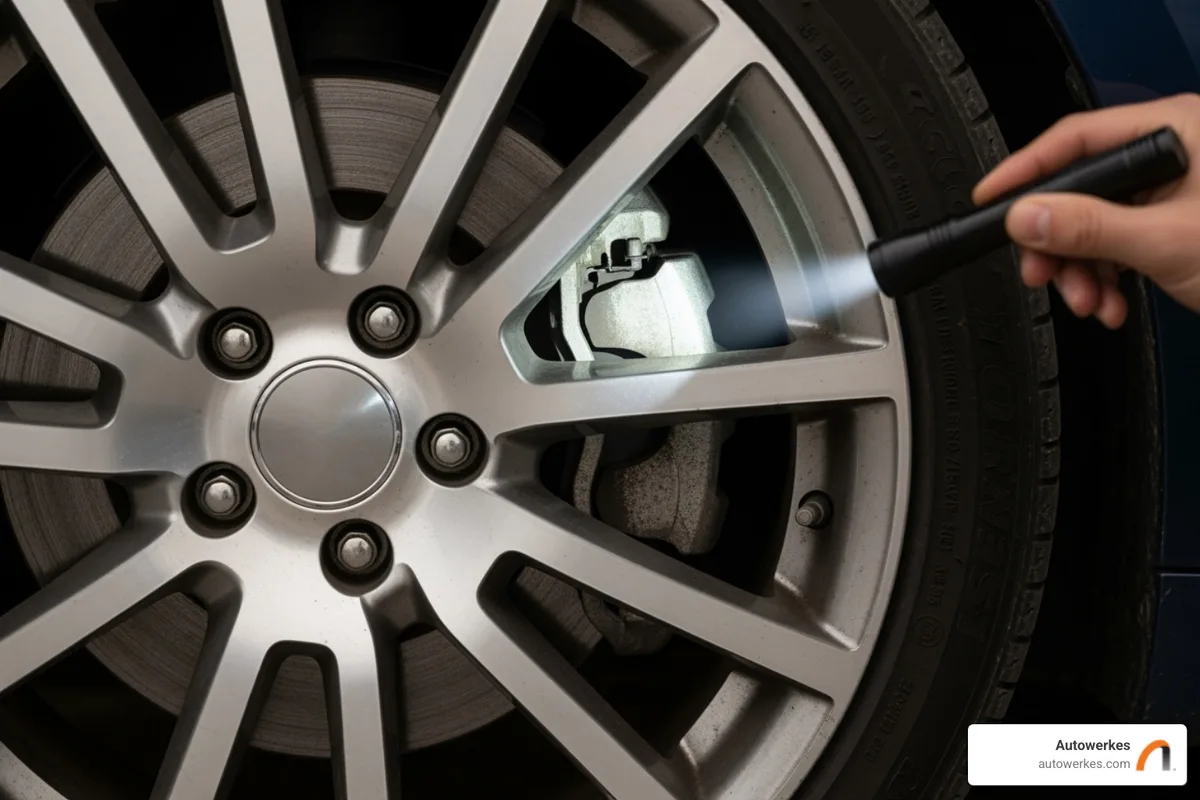
Image source: Bing (Web (fair-use with source credit))
Look for any obvious debris. Can you see a stone wedged near the rotor? Check the condition of the metal clips around the brake pads.
Are they rusty, bent, or missing? This initial look solves a surprising number of problems.
Phase 2: The Test Drive and Sound Diagnosis
Go for a short drive in an area with little traffic. Does the noise happen only when braking? Only at low speed?
Get the car moving, then apply the brakes firmly in a straight line. Note any vibrations in the steering wheel or brake pedal.
Try to recreate the exact conditions when you hear the noise. Is it worse after the car has sat overnight? That points to moisture and rust.
Is it worse after several hard stops? That could be heat-related pad fade. These details matter.
The National Highway Traffic Safety Administration maintains a database of brake-related complaints that can help you determine if your issue is part of a larger pattern.
Phase 3: The Detailed Check (Requires Wheel Removal)
If the earlier steps didn't reveal the issue, remove the wheel for a complete view. Inspect the full face of the rotor. Check the caliper slide pins.
These are the bolts the caliper floats on. They should move smoothly by hand when unbolted. If they're stiff or seized, that causes uneven pad wear and noise.
Examine the brake pads from the top and bottom. Is one side worn much more than the other? That points to a caliper problem.
Look closely at the anti-rattle hardware and shims on the back of the pads. These small pieces are critical for noise control and often overlooked. If you hear a clunk or rattle from the rear that isn't brake-related, the problem may live in the suspension instead.
Common Fixes: From DIY Brake Cleaning to Professional Repairs
Once you've identified the problem, here are the solutions from simplest to most complex. Always work on one wheel at a time so you can refer to the other side for assembly reference.
Cleaning is often the first step. Use a dedicated brake cleaner spray to remove built-up dust and grime from the rotor, caliper, and pads. If a stone is trapped, you'll usually hear it rattle when you move the rotor. Removing it solves the noise instantly.
Clean the rust off the edge of the rotor with a wire brush. That initial squeak often comes from this buildup.
Hardware replacement is non-negotiable. Whenever you replace brake pads, always install new hardware kits. The old clips are likely stretched and corroded. New shims and clips restore the designed dampening and fit.
A proper bedding-in procedure is essential for new pads. This involves a series of moderate stops from 30 mph down to 5 mph to transfer an even layer of pad material onto the rotor.
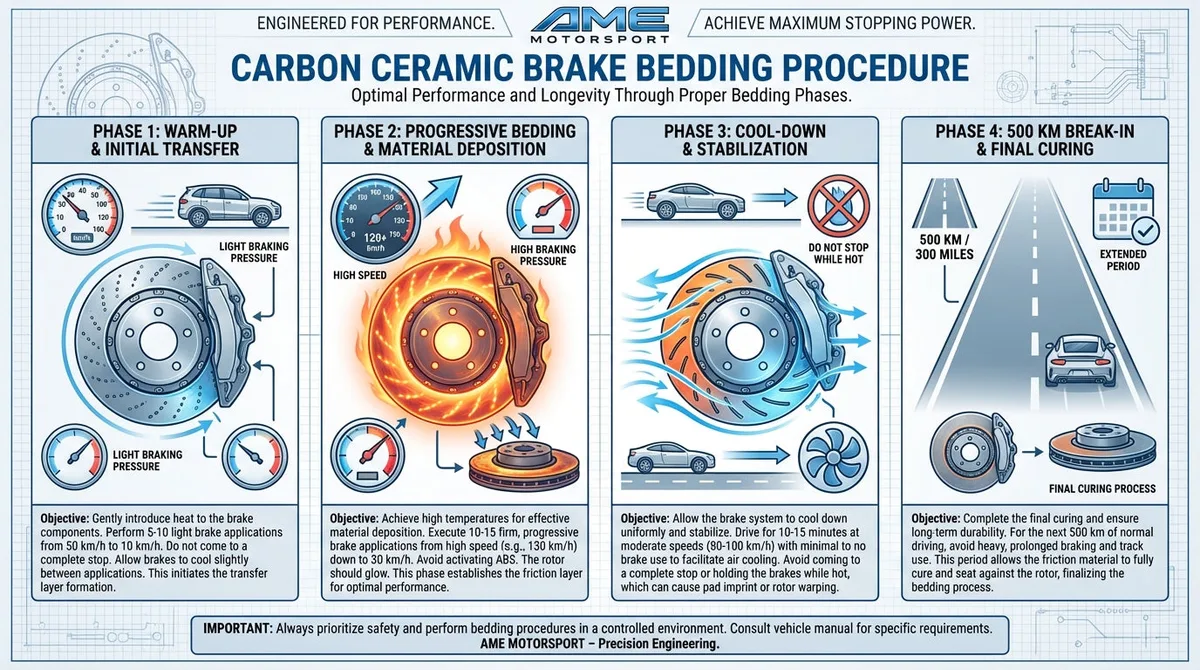
Image source: Bing (Web (fair-use with source credit))
Full component replacement is needed when rotors are scored, warped, or below minimum thickness. The minimum is stamped on each rotor. A complete brake service with pads, rotors, and hardware is the best way to eliminate all noise variables.
As of 2026, this is a common service interval for Rogues passing 60,000 miles. A related issue to watch for is a soft or sinking brake pedal, which often accompanies worn pad material.
Mistakes to Avoid When Troubleshooting Brake Noise
Ignoring a grinding sound. A low-pitched grind means metal is contacting metal. The pads are gone and the backing plate is eating into your rotor. Every mile driven makes the repair more expensive.
If you hear grinding, stop driving and get it inspected immediately.
Using the wrong lubricant on slide pins. This causes more comeback jobs than almost anything else. Caliper slide pins need high-temperature silicone or ceramic brake grease. Never use standard chassis grease or anti-seize.
Wrong lubricant breaks down under braking heat, causing the pins to seize. That leads to uneven pad wear and more noise.
Replacing only one side. Brakes should always be serviced in axle pairs. If you replace the driver's side front pads, do the passenger side too. Uneven pad thickness creates unequal clamping force.
That imbalance causes vibration, pulling, and noise.
Skipping the hardware kit. That small bag of clips and shims is not optional. Old hardware is corroded, stretched, or fatigued. New pads sitting on worn hardware will rattle and buzz.
Always install new anti-rattle clips, pad retainers, and shims with every pad change.
Not bedding in new pads. Fresh pads need a controlled break-in. Drive at 30 mph and make 8 to 10 moderate stops, slowing to 5 mph each time. Allow 30 seconds of cooling between stops.
Skipping this leaves uneven transfer material on the rotor, generating squeal and judder.
Applying lubricant to the rotor face. This sounds obvious, but it happens. Any lubricant on the friction surface contaminates the pad and destroys stopping power. Only lubricate the metal-to-metal sliding points on the caliper bracket and pad ears.
Frequently Asked Questions
Is it safe to drive my Rogue if the brakes are squeaking?
A light, high-pitched squeal from the wear indicator means pads are low but functional. Schedule service soon. A loud grinding sound means stop driving.
The pads are gone, and you risk losing braking ability or damaging the rotors.
Why do my brakes only make noise in the morning or when it's wet?
This is usually surface rust on the rotors. Overnight moisture leaves a thin layer of oxidation on the rotor face. Your first few stops scrape it off.
This is normal and harmless. If the noise persists after 3 to 4 stops, something else is going on.
How much should a Nissan Rogue brake job cost?
As of 2026, a front pad replacement at an independent shop runs $150 to $300 per axle. A full brake service including rotors on both axles typically falls between $400 and $700. Dealership pricing runs 20% to 40% higher.
DIY parts alone cost $80 to $150 per axle.
Are Nissan Rogue brake issues covered under warranty?
Nissan's basic warranty covers defects for 3 years or 36,000 miles. Brakes are wear items, so normal pad and rotor replacement isn't covered. However, a manufacturing defect like a defective caliper may qualify.
Contact your dealer with documentation. Owners experiencing intermittent electrical issues alongside brake noise should mention both symptoms.
Can aftermarket brake parts cause more noise than OEM?
They can, but it depends on quality. OEM pads are tuned for the NVH characteristics of your Rogue. Quality aftermarket brands like Akebono or Bosch engineer similar performance.
Budget economy pads often use harder compounds that are noisier. If quiet operation matters most, premium aftermarket or OEM pads are your best bet.
My brakes seem fine but I hear a noise from the rear. What could it be?
Rear brake noise on newer Rogues with an electronic parking brake often points to a sticking caliper motor or a dragged parking brake. The rear pads wear unevenly if the EPB doesn't fully release. A scan tool that reads Nissan-specific modules can test the EPB system.
This is a known issue on recent model years.