Most Honda Accords do not require premium gasoline; only some turbocharged models recommend it for best performance.
Does the Honda Accord require premium gasoline? I’ve worked on and driven many Accords over the years, and I know the answer is not a strict yes or no. This article breaks down what different Accord engines need, why octane matters, real-world effects of using regular versus premium, and easy steps you can use today to choose the right fuel for your car.

49% off Today's Exclusive Deals
Limited-time Exclusive Deals. Check current discount on Amazon.
Check Price on Amazon As an Amazon Associate I earn from qualifying purchases.
Understanding octane and why it matters
Octane rating measures fuel’s resistance to knocking. Knocking happens when fuel ignites too early in the cylinder. Modern engines use sensors and timing changes to avoid damage if low octane is used. Higher octane lets some engines run more advanced timing for better power and efficiency.
Common terms to know:
49% off Today's Exclusive Deals
Limited-time Exclusive Deals. Check current discount on Amazon.
Check Price on Amazon As an Amazon Associate I earn from qualifying purchases.- Octane number: 87 is regular, 89 mid-grade, 91–93 premium in the U.S.
- Engine knock: unwanted detonation that reduces power and can harm parts.
- Knock sensor: detects knock and retards timing to protect the engine.
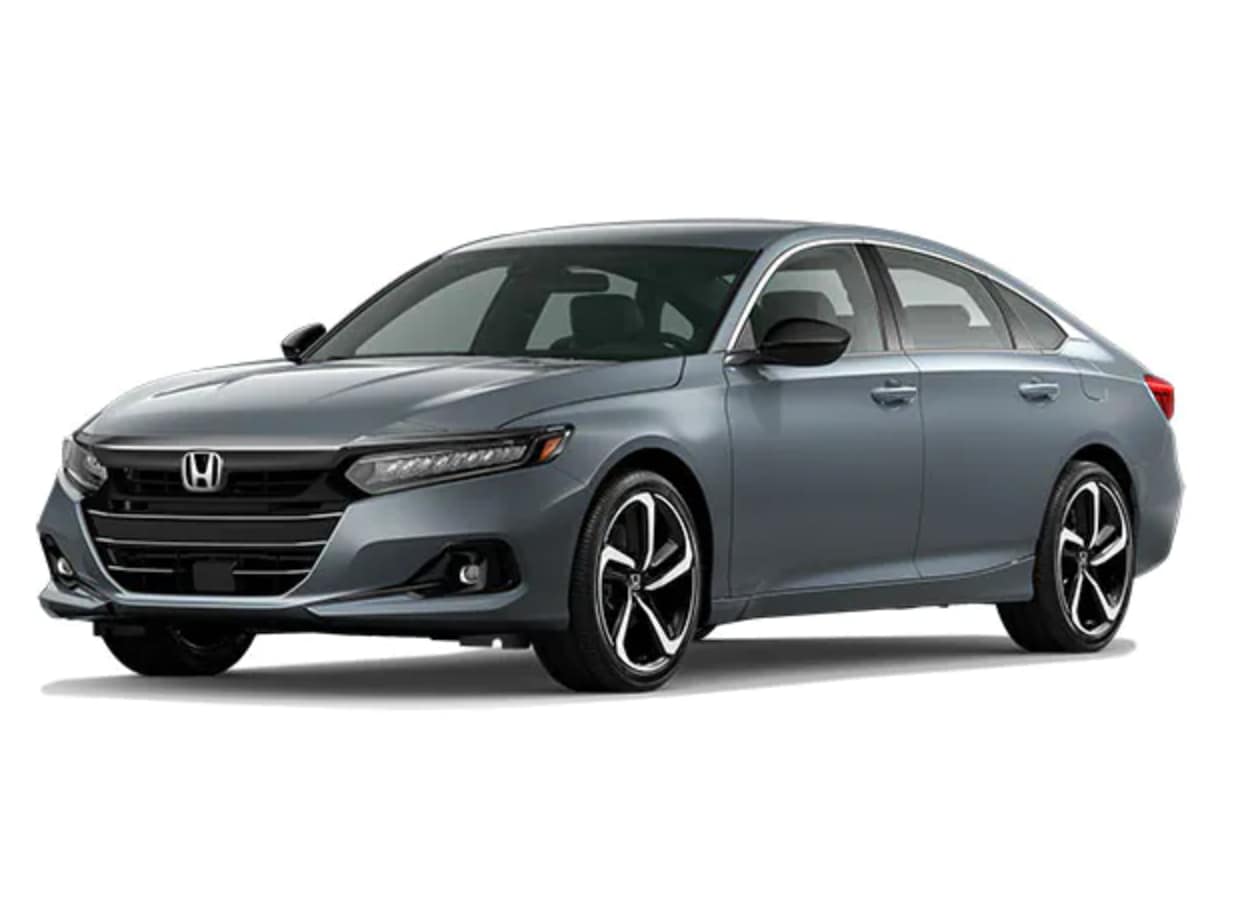
Honda Accord model engines and fuel guidance
Does the Honda Accord require premium gasoline depends largely on engine type and model year. Here’s a simple breakdown by common powertrains.
Typical Accord engines and usual fuel guidance:
- 1.5-liter turbocharged inline-4: Usually runs fine on regular 87 octane. The engine is built to manage timing and avoid knock on regular gas.
- 2.0-liter turbocharged inline-4: Often recommended to use premium 91+ octane to reach full power and best fuel economy. Many owners see better throttle and responsiveness with premium.
- Naturally aspirated 4-cylinder and V6 (older models): Most older V6 and 4-cylinder Accords are tuned for regular gas. Check your owner’s manual for exact guidance.
- Hybrid models: Usually optimized for regular 87 octane and the hybrid control systems compensate for different fuel qualities.
Always check the owner’s manual for your exact model year and engine to confirm whether your Accord requires premium gasoline or merely recommends it.
49% off Today's Exclusive Deals
Limited-time Exclusive Deals. Check current discount on Amazon.
Check Price on Amazon As an Amazon Associate I earn from qualifying purchases.
What happens if you ignore the recommendation?
If your manual recommends premium but you use regular, the car will usually still run. Modern engines cut timing to avoid knocking. That prevents engine damage in most short-term cases. However, expect these likely outcomes:
- Less power and slower acceleration.
- Slight drop in fuel economy.
- More engine noise or mild knock under hard load.
- Repeated use of lower-than-recommended octane on some high-compression turbo engines can increase long-term wear.
If your Accord’s manual says premium is required, follow that requirement. If it says premium is recommended, you can run regular, but you may lose peak performance.

Personal experience and real-world examples
I’ve owned a 2.0T sedan and a 1.5T commuter. With the 2.0T, switching from 87 to 91 octane improved throttle response and felt crisper during highway passes. Fuel economy rose by a small margin, about 1–2 mpg on mixed routes. With the 1.5T, I saw no real benefit from premium; it ran the same and had no knock.
Lessons learned:
- Test one tank of premium. Note changes to MPG and feel.
- If you tow or push the car often, premium can make a bigger difference on turbo engines.
- Keep receipts and compare to justify the extra cost.

Cost vs. benefit: is premium worth it?
Deciding whether to use premium comes down to cost-effectiveness and driving needs. Compare price difference to the performance or MPG gain.
Quick way to decide:
- Track fuel economy for 2–3 tanks with regular.
- Then run 2–3 tanks of premium and compare.
- If premium saves enough fuel or improves driving enough to cover the price difference, it’s worth it.
When premium is most likely worth it:
- Your Accord has a 2.0T engine that recommends premium.
- You drive aggressively or tow often.
- You want maximum performance and responsiveness.
When regular is fine:
- Your Accord has a 1.5T, non-turbo, or hybrid powertrain.
- You prioritize cost savings over peak performance.

Practical tips for Accord owners
Simple steps to pick and use the right fuel:
- Check the owner’s manual first for explicit notes on whether the Honda Accord require premium gasoline for your exact model.
- Listen for engine knock or ping under load. If you hear it, try premium and see if it goes away.
- Use top-tier branded gasoline to reduce deposits and improve combustion quality.
- Avoid octane boosters unless recommended; they can help temporarily but may not match real premium fuel.
- Keep records when you test fuels so you can compare MPG and feel.

Frequently Asked Questions of Does the Honda Accord require premium gasoline?
Does every Honda Accord require premium gasoline?
No. Most Accords do not require premium gasoline. Only some turbocharged 2.0L models often recommend or require higher octane to reach full performance.
Can I use regular gas if my Accord recommends premium?
You can usually use regular gasoline if premium is only recommended. Expect reduced power and slightly lower fuel economy, especially under heavy load.
Will using lower octane damage my Accord’s engine?
Occasional use of lower octane is unlikely to cause immediate damage because modern engines adjust timing. Long-term use against manufacturer requirements can increase wear over time.
How can I tell if my Accord needs premium?
Check the owner’s manual first. You can also hear knock under acceleration or notice poorer performance; those signs suggest trying premium.
Do hybrid Accords need premium fuel?
Most hybrid Accords are tuned to run on regular 87 octane. Premium is rarely needed for hybrid models.
Is premium worth it for city driving?
Usually not for city commuting unless your Accord has a high-compression turbo engine that benefits from higher octane. Test both fuels to see real gains.
Conclusion
For most drivers, the short answer is that the Honda Accord does not require premium gasoline, but some turbocharged models perform best with higher octane. Check your owner’s manual, listen for knock, and test one tank of premium to see if the cost matches the benefit. Make the choice that matches your driving style and budget.
Try this: check your manual today, then try one tank of premium if your Accord has a turbo or if you want better throttle feel. Share your results or questions below to keep the conversation going.