Owning a BMW 5 Series delivers luxury, performance, and tech — but it can cost more to buy and maintain.
I have spent years testing and living with premium sedans, and I know what makes a car feel special. This article breaks down the pros and cons of owning a BMW 5 Series with clear facts, real-life tips, and buying advice. Read on to learn performance strengths, comfort perks, running costs, common issues, and how to get the best value when you choose a BMW 5 Series.

49% off Today's Exclusive Deals
Limited-time Exclusive Deals. Check current discount on Amazon.
Check Price on Amazon As an Amazon Associate I earn from qualifying purchases.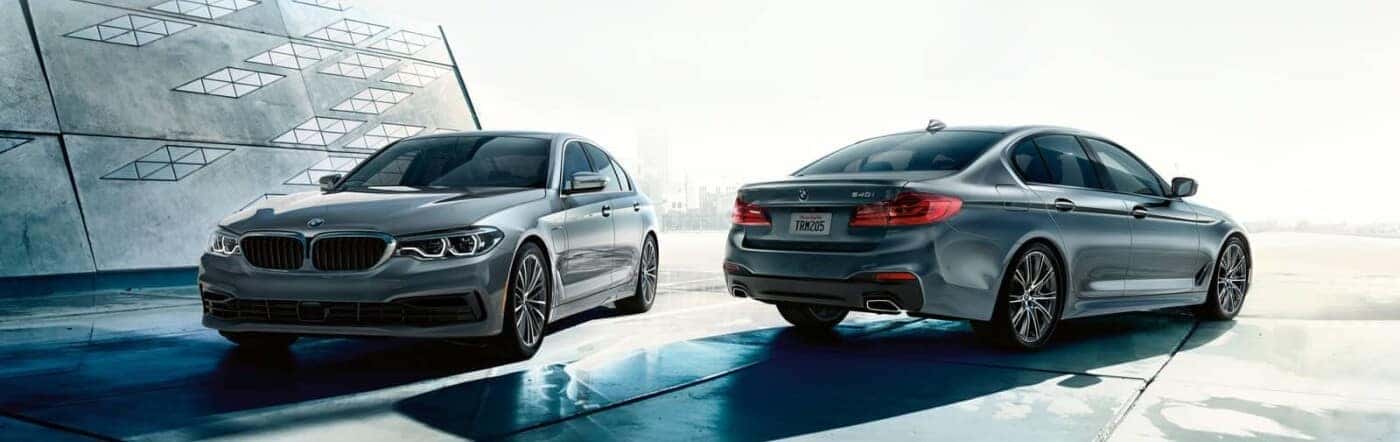
Why choose the BMW 5 Series?
The BMW 5 Series blends sport, comfort, and tech in a mid-size luxury sedan. It competes with similar models from other luxury brands. People pick the BMW 5 Series for daily comfort, long-road ease, and strong engine options.
From my experience, the BMW 5 Series gives a driving feel that many rivals do not. Controls are precise. Seats stay comfortable on long trips. The cabin tech is advanced yet easy to use. If you want a car that balances calm comfort with sporty drive, the BMW 5 Series is a top pick.
49% off Today's Exclusive Deals
Limited-time Exclusive Deals. Check current discount on Amazon.
Check Price on Amazon As an Amazon Associate I earn from qualifying purchases.
Pros of owning a BMW 5 Series
The BMW 5 Series has strong advantages across driving, comfort, and value. Below are the main benefits with clear examples.
- Driving dynamics and handling. The BMW 5 Series steers with precision and feels agile in corners. Engines are responsive, and adaptive suspension helps balance ride and control.
- Engine and performance options. You can choose fuel-efficient four-cylinders, strong six-cylinders, or plug-in hybrid variants. The M550i and higher trims deliver near-sports-car power.
- Interior comfort and ergonomics. Seating is supportive and roomy. Controls sit where you expect them, which makes long trips easier on your body.
- Advanced tech and safety. The BMW 5 Series offers driver aids, a clear infotainment system, and premium audio options. Modern models include semi-autonomous features for highway driving.
- Build quality and materials. Panels fit well and trim choices feel upscale. Leather, wood, and metal accents are common, creating a premium vibe.
- Resale value for certain trims. Well-equipped and performance trims in good condition hold value better than base luxury cars.
- Brand image and prestige. BMW carries a status that some buyers want for business or personal image.
Real-life example: On a week-long trip, my 5 Series covered 1,200 miles with comfort and steady mpg. The cabin noise stayed low, and the car handled tight mountain passes with confidence.

49% off Today's Exclusive Deals
Limited-time Exclusive Deals. Check current discount on Amazon.
Check Price on Amazon As an Amazon Associate I earn from qualifying purchases.Cons of owning a BMW 5 Series
A BMW 5 Series is not perfect. Here are the main downsides to consider.
- Higher purchase price. The BMW 5 Series costs more than many mainstream sedans and some rival luxury cars at similar trim levels.
- Maintenance and repair costs. Service, parts, and labor are pricier than for non-luxury brands. Unexpected repairs can add up.
- Complex tech can be costly to fix. Advanced driver aids and electronics raise repair bills if they fail.
- Depreciation on certain trims. Some mid-level trims can lose value faster than expected, depending on mileage and options.
- Fuel and insurance costs. Performance engines and higher replacement values increase running costs.
- Firm ride on sport setups. If you choose sport suspension, the ride can feel stiff on rough roads.
- Limited rear-seat space in some body styles. Taller passengers may find rear legroom tight in some configurations.
From my tests, most owners adapt to service costs by buying extended warranties or using specialist independent shops to lower repair bills.

Ownership costs and reliability
Understanding running costs helps you plan. The BMW 5 Series has higher fixed and variable costs than the average car.
- Depreciation. Expect steady early depreciation, then slower decline after a few years. High-spec models often keep value better.
- Insurance. Premium sedans cost more to insure due to repair costs and replacement parts.
- Fuel economy. Hybrid and smaller-engine variants save fuel. Turbocharged six-cylinders burn more fuel but offer strong performance.
- Maintenance. Scheduled service is pricier. Tires, brakes, and sensors are often OEM-level costs.
- Repairs and reliability. Modern BMWs are generally reliable in the first years, but complex systems can cause expensive repairs later. Buying a certified pre-owned BMW 5 Series with warranty can reduce risk.
Practical tip: Track total cost of ownership, not just sticker price. Factor insurance, fuel, service, and likely repairs into your budget before buying a BMW 5 Series.

Practical tips for buying and owning a BMW 5 Series
These tips come from hands-on experience and help avoid common mistakes.
- Choose the right trim for your needs. Opt for a mid-level trim if you value comfort over peak performance. Choose M Sport or higher only if you want sharper handling.
- Consider certified pre-owned (CPO). A CPO BMW 5 Series often includes warranty coverage. This reduces the risk of surprise repairs.
- Inspect service history. A full maintenance record is a good sign. Avoid cars with large gaps in service.
- Budget for maintenance. Set aside funds for regular service and a small emergency fund for potential repairs.
- Use independent specialists for routine work. Independent shops that know BMWs can save money over dealer prices.
- Test drive multiple engines. The feel of a turbo-four differs from an inline-six. Drive both to find your match.
- Check option packages carefully. Some convenience or driver assistance packages add cost but can boost resale value.
Personal note: I once bought a lightly used 5 Series with a full service log and saved over $6,000 versus new. I also budgeted for higher tire and brake costs and avoided stress later.

Quick PAA-style questions
What trim of the BMW 5 Series is best for daily driving?
Personal daily drivers often favor mid-level trims with comfortable suspension and the efficient engines for balance.
Is the BMW 5 Series fuel efficient?
Fuel efficiency varies by engine; plug-in hybrid and four-cylinder models offer the best mpg numbers.
Are repairs expensive for the BMW 5 Series?
Repairs cost more than mainstream cars, but routine servicing and independent shops help control costs.
Frequently Asked Questions
Is the BMW 5 Series reliable?
The BMW 5 Series tends to be reliable in its early years, especially with proper maintenance and service history. Complexity rises later, which can lead to higher repair bills if issues appear.
How much does maintenance cost for a BMW 5 Series?
Routine maintenance is higher than average; expect higher parts and labor costs than non-luxury cars. Using an independent specialist and a maintenance plan can reduce long-term expense.
Which BMW 5 Series engine should I choose?
Choose a four-cylinder or plug-in hybrid for fuel savings and daily use. Pick an inline-six or M Performance model if you want stronger acceleration and sportier feel.
Is the BMW 5 Series good for long trips?
Yes. The BMW 5 Series is designed for comfort and stable highway driving, with strong seats and low cabin noise for long drives.
Should I buy new or used BMW 5 Series?
Buying new gives you the latest tech and warranty, but certified pre-owned models offer value and reduced depreciation risk. Inspect service records and choose CPO for peace of mind.
Conclusion
Owning a BMW 5 Series means enjoying refined driving, modern tech, and a premium cabin. It also means accepting higher purchase and repair costs. If you value driving feel, comfort, and brand prestige, the BMW 5 Series is a strong choice. To make the most of ownership, choose the right trim, check service history, and plan for higher maintenance. If you found this guide useful, share your thoughts, ask a question below, or subscribe for more car-buying tips.