Your Jeep Wrangler power window problem almost always traces back to one of four parts: the fuse, the switch, the motor, or the regulator. That's it. The wiring and the main computer module get blamed unfairly most of the time.
Aggregate data from owner forums and repair shops shows cable-driven regulators fail most often on JK and JL models, typically between 5 and 8 years. Diagnosing this properly takes under 20 minutes with a multimeter. Let's walk through the symptoms and get your window moving again.
49% off Today's Exclusive Deals
Limited-time Exclusive Deals. Check current discount on Amazon.
Check Price on Amazon As an Amazon Associate I earn from qualifying purchases.Quick Answer
A Jeep Wrangler power window problem is usually a bad switch, motor, regulator, or fuse. The most common failure is the regulator assembly. Test the switch with a multimeter first.
Check the 20-amp fuse before removing the door panel. If all four windows are dead, inspect the TIPM module under the hood.
The Wrangler Power Window Breakdown: What's Actually Failing
Every power window problem traces back to one of five components. Understanding what each part does makes the diagnostic tree a lot simpler.
49% off Today's Exclusive Deals
Limited-time Exclusive Deals. Check current discount on Amazon.
Check Price on Amazon As an Amazon Associate I earn from qualifying purchases.The window switch sends voltage to the motor when you press it. It's a momentary contact switch that wears out with use. Sometimes only one direction fails, like the window goes down but not up.
The window motor is a small 12-volt DC motor that spins to raise or lower the glass. It bolts to the regulator inside the door. Motors burn out, lose magnetic strength, or strip their internal plastic gears.
The window regulator is the mechanical assembly that converts the motor's spinning into up-and-down movement. Modern regulators use steel cable and plastic pulleys. That cable snaps, and the window drops into the door.
The fuse protects the circuit. A blown fuse usually means something shorted out, or it happens when a failing motor draws too much current.
49% off Today's Exclusive Deals
Limited-time Exclusive Deals. Check current discount on Amazon.
Check Price on Amazon As an Amazon Associate I earn from qualifying purchases.The wiring harness routes power from the body into the door. The rubber boot between the door and the body flexes every time you open it. Over time, wires inside break or connector pins corrode, especially after off-road trips.
| Component | Failure Rate | Common Symptom |
|---|---|---|
| Regulator | High | Clicking noise, window falls, no movement |
| Motor | High | Slow window, humming sound, nothing happens |
| Switch | Medium | Works from one door but not the other |
| Wiring | Medium | Intermittent operation, works after slamming door |
| Fuse | Low | All windows dead at once |
On JL models, the system also includes a door module and the TIPM, which stands for Totally Integrated Power Module. That's the central electrical brain. When one window fails on a JL, the switch or motor is almost always the culprit.
When all four fail, suspect the TIPM or a main fuse. Fuse-related electrical issues show up across many car systems, not just windows.
Run the Quick Diagnostic Tree: Your Symptoms Lead the Way
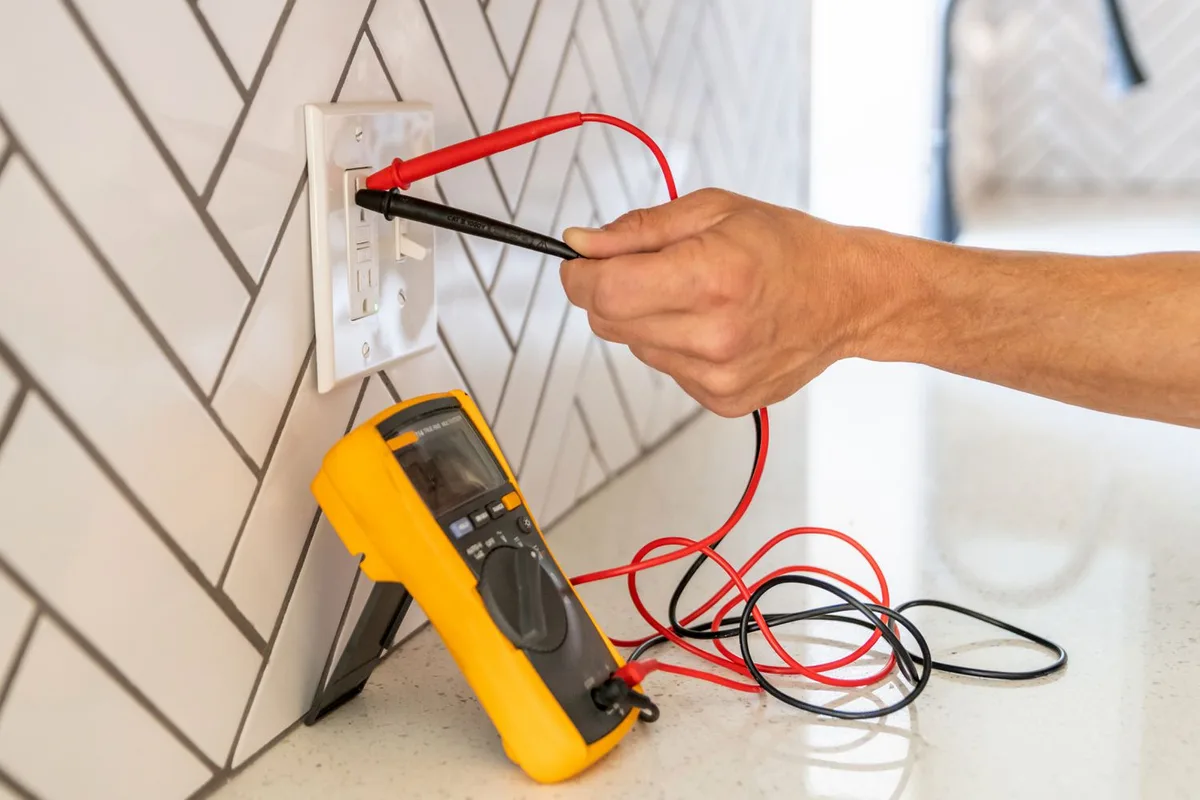
Image source: Bing (Web (fair-use with source credit))
The fastest path to the answer starts with one question. Does the problem affect one window or all of them?
All windows dead. Check the fuse box first. Look for a 20-amp fuse labeled for power windows. If it's blown, replace it and test.
If it blows again instantly, you have a short. Common spots are the wiring in the door boot or a pinched wire under the console.
Only one window dead. This narrows it to four possibilities: the switch, the motor, the regulator, or the wiring. Try the window from the driver's master switch. If it works from the master but not the door switch, the door switch is bad.
If it fails from both, the problem is motor, regulator, or wiring.
Set your multimeter to DC voltage. Press the window switch. If you see roughly 12 volts at the motor connector, the wiring and switch are fine.
Press the switch again and check if the motor spins. If it doesn't spin with 12 volts applied directly, the motor is dead.
Window moves slowly. The regulator's cable and pulleys are probably wearing out, or the window track is dry. Lubricate the tracks first with silicone spray. If that doesn't help, plan on replacing the regulator assembly.
Window makes a clicking noise but doesn't move. The motor spins but the cable won't grab. That means the regulator's plastic teeth are stripping. You need a new regulator.
Window falls into the door. A broken cable or a detached glass clip. The regulator is done. Support the glass carefully before pulling the door panel.
Broken cables can be sharp.
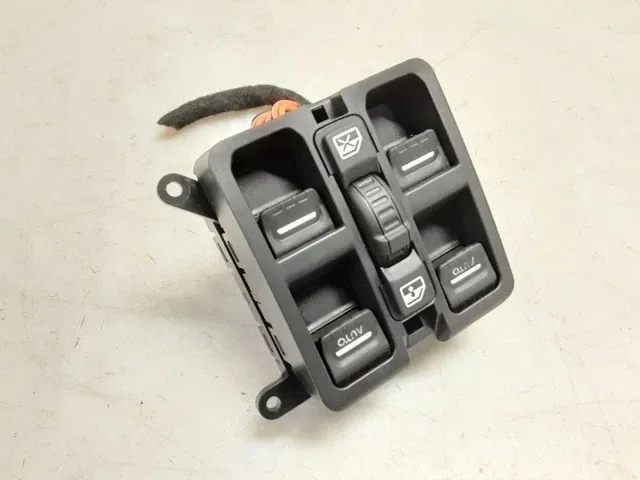
Image source: Bing (Web (fair-use with source credit))
If your window only acts up in cold weather, suspect a frozen or binding track before anything else. Silicone spray on the vertical channels often clears it right up.
Know the Parts: Fuse, Switch, Motor, Regulator, and the TIPM
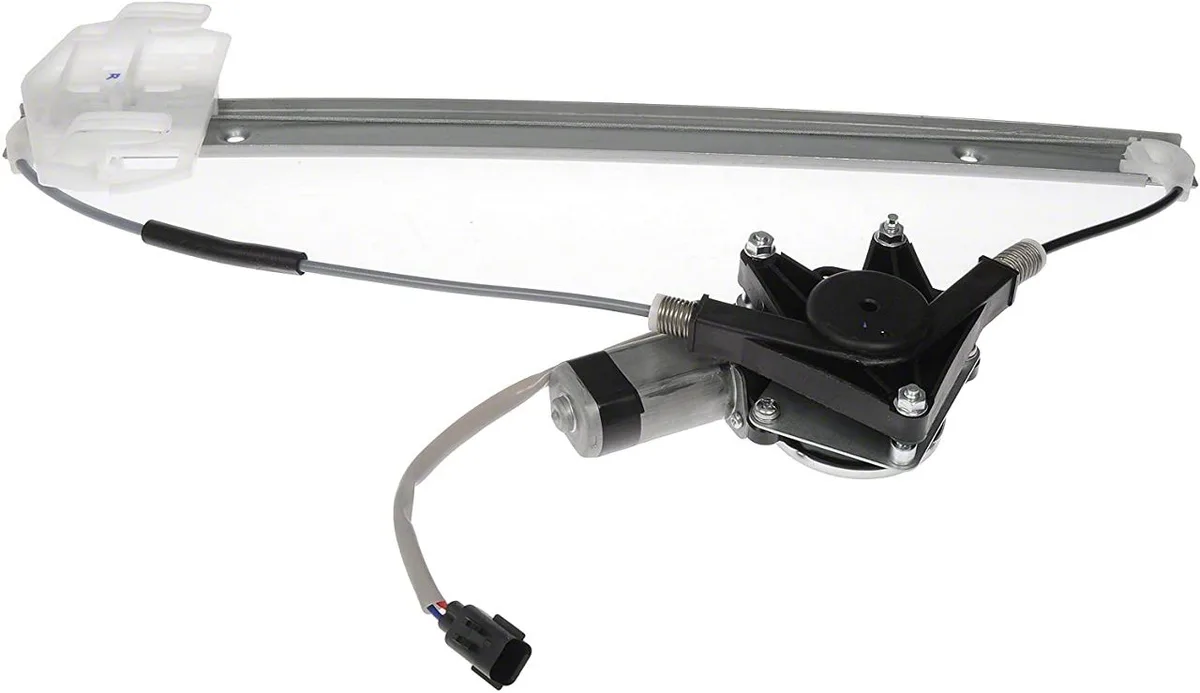
Image source: Bing (Web (fair-use with source credit))
The switch bank on the driver's door controls all four windows. It's the most common electrical failure point. Contacts inside wear down after thousands of presses.
Replacement switches cost between $25 and $60 for aftermarket units and swap out in five minutes.
The individual door switch on the passenger or rear door is simpler. It only controls that one window. If the master switch works but the passenger switch doesn't, replace the door switch first.
That's the cheapest fix in the whole system.
The window motor is a permanent magnet DC motor inside the door. Test it directly with jumper wires to the battery. If it doesn't spin, it's dead.
Motors cost $40 to $80 aftermarket.
The regulator is the scissor mechanism or cable system that moves the glass. On Wranglers, the regulator and motor are usually sold together as one assembly. Replacing them together makes sense because they wear out at roughly the same rate.
A complete assembly runs $80 to $150 aftermarket.
The TIPM is the electronic fuse box under the hood on JK models. It controls power windows through solid-state relays. When the TIPM fails, you get intermittent operation or total failure.
TIPM replacement costs $400 or more. But failure is also rare. Exhaust every other test first.
The wiring boot between the door and the body protects the flexible wires. Wrangler owners remove doors in the summer, and that wears the boot faster. If your window works when you open the door but stops when you close it, inspect the boot for broken wires.
Common Mistakes That Waste Time and Money
The biggest mistake is throwing parts at the problem. Replacing the motor when the real issue is the switch wastes $60 and an hour. Always test before you buy.
Skipping the fuse check. A blown fuse costs $3 and takes one minute. Checking it first could save you a full door panel removal.
Not testing the motor directly. If the window makes no sound at all when you press the switch, verify whether the motor is getting power before you replace it. A $15 multimeter tells you everything.
Forgetting the ground. Power window circuits need a solid ground path. A corroded ground terminal on the door causes slow or dead windows. Clean the ground connections before replacing parts.
Buying the cheapest aftermarket switch. Some budget switches have poor internal contacts and fail again within months. Mid-tier or OEM parts last longer and cost only a bit more.
Breaking door panel clips. Wrangler panels use plastic clips that snap easily. Use a trim removal tool, not a screwdriver, and work gently around the edges.
If your window is stuck in the down position, there are ways to get the glass back up temporarily. Our guide on fixing a stuck window fast covers safe methods that won't crack the glass.
Real Pricing: DIY vs. Shop Costs and OEM vs. Aftermarket
The price range depends on which part failed and who does the work. Here's a realistic breakdown.
| Repair | Aftermarket Parts | OEM Parts | Parts + Professional Labor |
|---|---|---|---|
| Switch replacement | $30 | $80 | $150 to $250 |
| Window motor | $50 | $140 | $250 to $380 |
| Regulator assembly | $90 | $300 | $350 to $500 |
| Regulator + motor kit | $120 | $380 | $400 to $550 |
| Wiring boot repair | $15 | $50 | $100 to $200 |
DIY replacement saves the labor cost, which runs $100 to $150 per hour at an independent shop. A regulator swap takes about two hours for your first time. After that, you'll do it in under an hour.
OEM versus aftermarket matters. Mopar parts carry a 12-month warranty and match factory specs. Aftermarket parts from brands like Dorman, Crown, or Omix-Ada cost less but vary in quality.
Aggregate owner reviews show mid-tier aftermarket regulators hold up for 2 to 3 years, while OEM units often last longer.
A dealership charges more than an independent mechanic for labor. There's rarely any special programming needed for a Wrangler window repair, so a trustworthy independent shop handles it well.
Prevention costs less than repair. A $10 can of silicone spray lubricant on the window tracks twice a year reduces regulator strain significantly. Clean the rubber seals and keep the drain holes clear to add years to the system.
Electrical issues like these show up in other car systems too, from flickering headlights to dead turn signals, and the diagnostic approach is the same: test before you replace.
DIY repair usually lands between $50 and $150 per window. That's a fraction of the shop cost, and the process is straightforward enough for a first-timer with basic hand tools.
Door-Off Maintenance: Protect Your Wiring Boot and Connectors
Wranglers are built to lose their doors. But every removal stresses the wiring harness in the rubber boot between the body and door. That's where intermittent power window problems start.
Wires inside the boot flex thousands of times. Eventually they fatigue and snap. A common symptom is a window that works with the door open but dies when you close it.
That's a broken conductor in the hinge area.
Prevention takes five minutes. Open the door and inspect the boot for cracks. Pull the connector apart and check the pins for green corrosion.
Apply dielectric grease to the terminals before plugging it back in.
If you find a broken wire, repair it with a butt connector and heat shrink. Leave enough slack so the wire isn't taut when the door swings. Our broader power window troubleshooting guide covers harness checks in more detail.
Make a habit of disconnecting the harness properly. Unlock the connector tab before pulling. Never yank the wires.
Frequently Asked Questions
Why does my Jeep Wrangler window only work sometimes?
Intermittent operation usually means a worn switch contact, a corroded wire in the door boot, or failing motor brushes. It's rarely the regulator. Test the switch with a multimeter, then inspect the door boot wiring.
How much does it cost to fix a Wrangler power window?
DIY parts cost between $50 and $150 per door. Shop labor adds $150 to $300. A full regulator and motor swap runs $350 to $550 installed.
OEM parts cost roughly double the aftermarket price.
Can I still drive with a stuck window?
Yes, but protect yourself and the car. Tape a plastic bag over the opening if rain is coming. Secure the glass so it doesn't drop inside the door.
Follow the steps in our stuck window guide for a quick temporary fix.
Why do all four windows stop working at once?
A blown fuse, a bad TIPM, or a dead master switch usually kills all windows together. Check the fuse first. If it's good, test the master switch.
A TIPM failure is rare but possible on JK models.
Final Verdict: Fix It Yourself or Find a Pro?
Ask yourself one question. Do you have basic hand tools and a weekend afternoon? If yes, do it yourself.
Switches, fuses, and even full regulator swaps are beginner-friendly jobs. A simple multimeter gives you all the diagnostic answers. Parts are cheap enough that you can swap a switch for a quick test without spending much.
Skip the DIY route if the problem is complex electrical. All windows dead, TIPM codes, or burnt wiring call for professional experience. Dealerships have the right diagnostic tools and wiring diagrams.
If you want factory-grade parts, consult the official Mopar parts catalog for exact part numbers. That avoids compatibility headaches.
The bottom line: test before you buy, lubricate the tracks twice a year, and your windows will keep rolling for years.