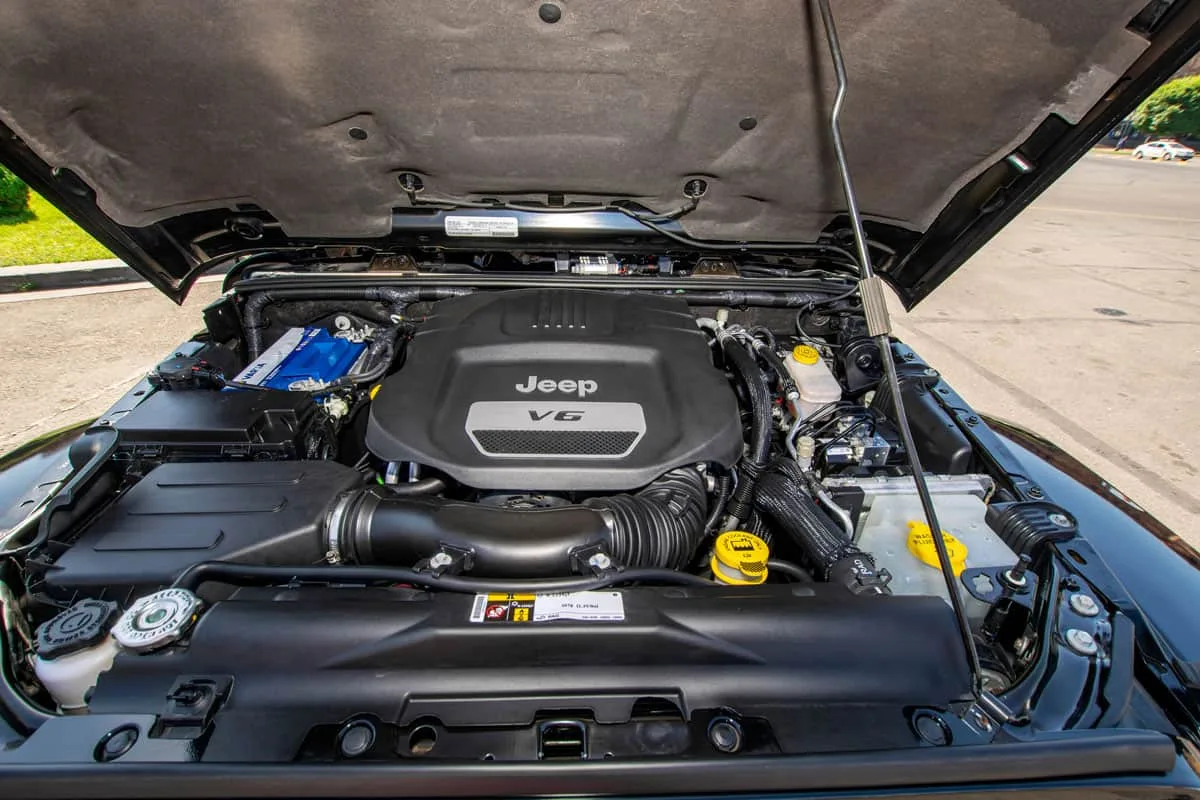
Your Jeep Wrangler won't start, and your brain is already jumping to worst-case scenarios. Failed starter. Dead battery.
Blown engine. A wiring gremlin that'll cost a fortune.

49% off Today's Exclusive Deals
Limited-time Exclusive Deals. Check current discount on Amazon.
Check Price on Amazon As an Amazon Associate I earn from qualifying purchases.Here's the good news: most no-start Wranglers follow one of a few well-known failure patterns. Once you identify which one you're dealing with, the fix is usually straightforward. Many are solved with a multimeter and 30 minutes of troubleshooting.
Manufacturer specifications indicate a healthy 12V battery reads around 12.6 volts at rest. Knowing that one number can save you from replacing perfectly good parts. Let's walk through this logically, one branch at a time.
49% off Today's Exclusive Deals
Limited-time Exclusive Deals. Check current discount on Amazon.
Check Price on Amazon As an Amazon Associate I earn from qualifying purchases.Image source: Bing (Web (fair-use with source credit))
What Your Wrangler Is Trying to Tell You (Read This First)
The quickest way to diagnose a no-start is to ignore everything except what you hear when you turn the key. That single action splits your problem into one of three branches. Each branch has its own short list of suspects.
| Symptom | Most Likely Cause | Easiest First Test |
|---|---|---|
| Rapid clicking (like a machine gun) | Weak battery, corroded terminals, or failing starter | Headlight dimness test |
| Single loud clunk | Starter solenoid engaging, but starter motor dead | Tap the starter with a wrench |
| Dead silence | Dead battery, ignition switch, safety switch, or immobilizer | Check fob battery and dash lights |
| Cranks but won't fire | Fuel pump, crank sensor, or security system | Listen for fuel pump prime |
Step 1: Does It Click, Stay Silent, or Turn Over?
Clicking But No Crank → Weak Battery, Bad Ground, or Dead Starter
If you turn the key and hear rapid clicking, the starter solenoid is getting voltage but not enough current to spin the motor. That's almost always a battery issue, not a starter issue. Test your headlights.
If they're dim or die when you hit the key, the battery isn't holding a charge. If the lights stay bright but you still get clicking, the ground strap or starter itself is the problem.
49% off Today's Exclusive Deals
Limited-time Exclusive Deals. Check current discount on Amazon.
Check Price on Amazon As an Amazon Associate I earn from qualifying purchases.No Sound At All → Battery, Fob, Safety Switches, or Tip Start Relay
Silence is a different beast. If the dash lights up but the starter doesn't even click, you're dealing with an electrical break between the ignition and the starter. On manual transmissions, start with the clutch safety switch.
If it doesn't detect the pedal, the starter gets no signal. On automatics, the neutral safety switch plays the same role. A dead key fob battery can also cause silence on JK and JL models with proximity entry.
Cranks But Won't Fire → Fuel, Spark, or Security Immobilizer
This is the most frustrating one because everything sounds healthy. The engine turns over, but it never catches. That points to fuel delivery, spark delivery, or the factory anti-theft system.
If the engine cranks but acts like it's not getting gas, the fuel pump or the crankshaft position sensor (CKP) are the usual suspects. Electrical problems can overlap too. If your Wrangler also has grinding brakes, that's a separate system, but a weak electrical supply can make warning lights behave oddly.
Check those after you sort out the no-start.
Step 2: Quick Voltage and Circuit Checks Before You Buy Anything
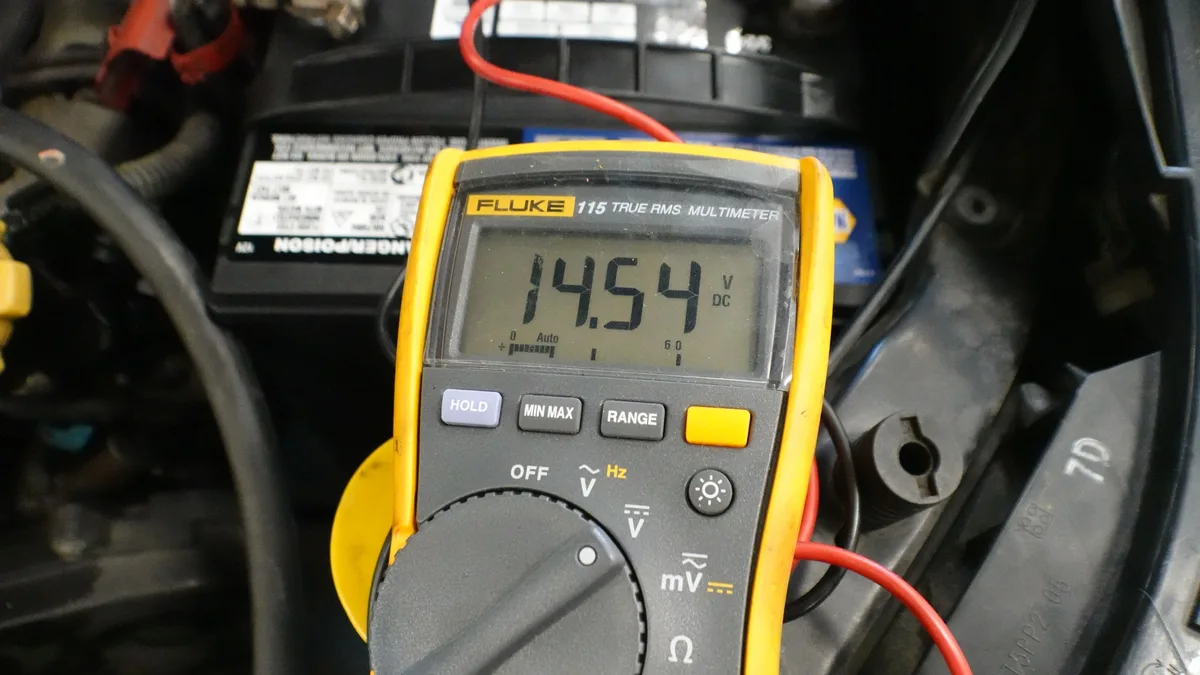
Image source: Bing (Web (fair-use with source credit))
Don't buy a single part until you've confirmed the battery is healthy. It's the cheapest thing to test and the most common failure point, especially after a cold winter or a stretch of short trips.
Testing the Battery With a Multimeter (and What the Numbers Actually Mean)
Set your multimeter to DC volts and touch the probes to the battery terminals. Here's what the readings mean:
- 12.6V or higher: Battery is healthy. Move on to other checks.
- 12.2V to 12.4V: Battery is partially discharged. Charge it and retest.
- Below 12.0V: Battery is deeply discharged or failing. Load test it before trusting it.
A static voltage test only tells half the story. A battery can read 12.6V at rest and still drop below 10V when the starter draws current. If you have a load tester, use it.
If not, watch the voltage while someone turns the key. If it drops hard, the battery is weak.
Checking Battery Terminals, Ground Strap, and the Engine Block Ground
Corrosion on the terminals is a classic Wrangler no-start. The green and white crust acts as an insulator, blocking current even when the battery is fully charged. Remove the cables, clean both posts with a wire brush, and reattach them snugly.
Then check the ground strap from the battery to the fender and the one from the engine block to the frame. Wranglers take a beating off-road, and those connections work loose or corrode over time.
Testing the Fob's Battery and Whether the Immobilizer Is Blocking the Start
On JK, JL, and JT models, the key fob talks to the vehicle's security system. If the fob battery dies, the truck might not recognize the key. Check the fob battery first, then try holding the fob against the push-to-start button.
That bypasses communication issues temporarily. If the dash shows a red key light or a "Key Fob Not Detected" message, the immobilizer is preventing the starter from engaging.
Step 3: Jeep-Specific No-Start Culprits by Model
Different generations of Wranglers have their own quirks. This is where knowing your model matters.
JK Tip Start Relay and the Push-to-Start Quirk
The JK generation (2007 to 2018) is notorious for the "tip start" problem. You turn the key, the starter clicks once, and the dash lights go dim. The issue is the tip start relay inside the fuse box.
It's a weak point that degrades over time. The permanent fix is replacing that relay, but plenty of owners relocate it outside the fuse box for easier access. As of 2026, this issue remains common even on low-mileage JK models.
JL and JT Smart Key, RF Hub, and eTorque Battery Notes
The JL and JT generation introduced the eTorque mild-hybrid system on some engines. That means two separate electrical systems. The 12V battery under the hood starts the vehicle, and the 48V battery handles the alternator and hybrid functions.
If the 12V battery is dead, the whole truck seems bricked. The RF Hub, which handles key fob communication, is another known failure point. When it goes bad, the truck won't recognize the key at all.
Also check the auxiliary battery if you have one, since a failing aux battery can drag down the main one.
TJ and YJ Ignition Control Module, Cranking Sensor, and Wiring Wear
Older Wranglers have simpler electronics, but they have one big vulnerability: aged wiring. The YJ and TJ generations are known for failing ignition control modules and crankshaft position sensors. The CKP sensor, in particular, gets heat-soaked after driving and randomly fails until it cools down.
If your TJ runs fine when cold but dies when hot, that's the sensor. Wiring harnesses also rub against the frame and wear through, causing intermittent shorts.
Step 4: When It Cranks But Won't Fire: Fuel and Spark Diagnosis
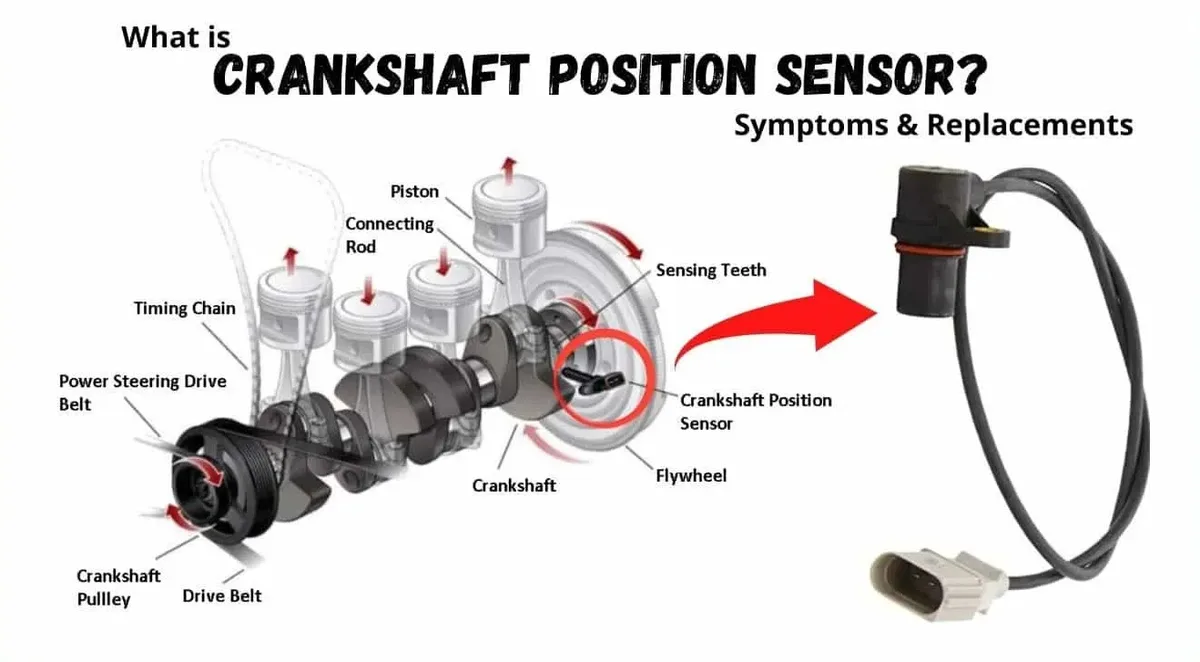
Image source: Bing (Web (fair-use with source credit))
If the engine cranks fine but won't start, stop cranking and listen. Turn the key to the "Run" position without touching the starter. You should hear a two-second hum from the rear of the vehicle.
That's the fuel pump pressurizing the system. No hum? Check the fuel pump relay and fuse.
Both are cheap to replace. If they test fine, the pump itself might be dead.
Letting Your Ears Do the First Test: Fuel Pump Prime vs. Silence
The fuel pump prime is your quickest diagnostic tool. Every time you turn the key to the "On" position, the pump runs for about two seconds to build pressure. If you hear it, fuel delivery is likely working.
If you don't, either the relay isn't energized, the fuse is blown, or the pump has failed. On JK models, the fuel pump relay is a common failure. Swapping it with the horn relay, which is the same part number, is a quick test.
CKP / CMP Sensor Faults, Hot Soak, and Why They're Sneaky
The crankshaft position sensor tells the engine computer when to fire the spark and injectors. If it fails, the computer gets no signal, and the engine won't start. The sneaky part is that these sensors often fail when hot and work again when cold.
If your Wrangler dies after running for a while and won't restart until it cools down, the CKP sensor is the prime suspect. A multimeter reading on the sensor's resistance usually confirms it. Check the wiring harness for damage too, since chafed wires cause the same symptoms.
Reading Codes the Right Way (P0335, P0340, P0633, and the "Ignition" DTCs)
Plug in an OBD-II scanner and read the fault codes. These three tell you the most:
- P0335: Crankshaft position sensor circuit malfunction
- P0340: Camshaft position sensor circuit malfunction
- P0633: Smart key immobilizer issue (common on JK)
If you see P0335 or P0340, the sensor circuit is suspect. Before replacing the sensor, test the wiring. A broken wire or a bad connector causes the same code as a dead sensor.
Step 5: The Pop-Start, the Jump-Start, and When to Just Call a Tow
Manual Transmission Push-Start (Yes, It's Allowed)
If you drive a manual and the battery is dead, you can pop-start it with a few friends. Turn the key to the "Run" position, push the clutch in, get some speed, and dump the clutch. The wheels spin the engine, and it should fire up.
But only do this if the battery has enough juice to run the fuel pump and ignition. You'll also need a safe downhill slope or strong friends. This doesn't work on automatics without real risk.
Why a Jump-Start Only Sometimes Fixes It
A jump-start works if the battery is simply too weak to crank. It won't fix a failing starter, a bad fuel pump, or a dead sensor. So if the truck fires up after a jump but dies or won't start again once you turn it off, the alternator might not be charging the battery properly.
Test the charging voltage with your multimeter. It should be around 14 volts with the engine running. If it's lower, the alternator is failing.
If you're also dealing with a soft pedal, check your clutch setup for causes and fixes.
When You're Over Your Head: What a Pro Will Do
If you've tested the battery, checked the relays, cleaned the terminals, and still get nothing, it's time to call a professional. A good mechanic will run a parasitic draw test to find what's draining the battery, use a tech scanner to check live sensor data, and verify the wiring harness from the PCM to the engine. They'll also check the security system's communication with the key.
Guessing from here wastes money. If your transmission is also acting up, a separate issue like slipping gears could point to a wider electrical fault.
Mistakes That Turn a Dead Battery Into a Parts-Purgatory
Most no-start Wranglers never need a new starter. They need a ground strap, a fuel pump relay, or a battery. The fastest way to waste $500 is guessing.
Here's what owners do wrong consistently:
- Replacing the battery, starter, and alternator without testing the ground strap. A corroded engine ground mimics every one of those failures.
- Ignoring the anti-theft system. If the red key light flashes on the dash, no new starter will help.
- Skipping the cheap tests. Relays and fuses cost around $15. Starters cost over $200.
- Chasing the "it started yesterday" trap. Sensors like the crankshaft position sensor fail intermittently when hot. A diagnosis beats a guess every time.
- Forgetting that other electrical systems share the same relays. The horn relay swap works because the same relay logic applies to a silent horn too.
Frequently Asked Questions
Is It the Battery or the Starter?
Battery first. If the headlights dim when you hit the key, the starter is fine. Check resting voltage with a multimeter.
Below 12.4 volts means charge and load test. Only after the battery passes every test should you suspect the starter solenoid.
Can I Push-Start an Automatic Wrangler?
No. Automatics can't be push-started safely because the torque converter won't let the wheels spin the engine. You can jump it, charge it, or call a tow.
Manual Wranglers can be pop-started, but you still need battery power for the engine computer.
Why Does My Wrangler Start Fine When Cold but Not After It's Hot?
This is classic heat soak. The crankshaft position sensor expands when hot and loses its internal connection. Wait for the engine to cool, then test the sensor's resistance.
Replacing the CKP sensor usually solves this permanently.
Is It Safe to Tap the Starter With a Hammer to Get Home?
It works in an emergency, but only for a starter with worn brushes. Tapping it gets you home, not to a permanent fix. If the starter responds to a tap, plan a rebuild or replacement soon.
Your No-Start Decision Guide: What to Do in Order, Right Now
Run the 60-second triage before doing anything else. Turn the key and listen. Rapid clicking means battery or ground.
Silence means battery, fob, or safety switch. Cranking without starting means fuel, spark, or security.
Then check the headlights. If they're dim or dying, clean the battery terminals and check the ground straps. Press the clutch on a manual, or shift to Park and Neutral on an automatic.
If the Wrangler only starts in Neutral or Park, the issue is the transmission range sensor, not the starter. That's more of a gear selector problem than a classic no-start.
If the quick tests fail, spend 15 minutes checking relays and fuses. Listen for the fuel pump prime when you turn the key to the Run position. If several sensors or relays were recently replaced and the problem persists, check for an open recall.
Verify your vehicle identification number at the NHTSA recall portal before you spend more money.
Most no-start Wranglers come down to a weak battery, a bad ground, or a tired sensor. Work through the branches, test instead of guessing, and you'll find the culprit without blind parts-swapping.