Yes — the Porsche 911 is offered in both all-wheel drive and rear-wheel drive configurations across many models.
I’ve spent years testing sport cars and advising buyers. I know the 911 line well. This article explains how Porsche offers both drivetrains, why each matters, which models use them, and how to pick the right one for your needs. Expect clear comparisons, real driving notes, and practical buying tips so you can decide with confidence whether the Porsche 911 with all-wheel drive or rear-wheel drive fits your life.

49% off Today's Exclusive Deals
Limited-time Exclusive Deals. Check current discount on Amazon.
Check Price on Amazon As an Amazon Associate I earn from qualifying purchases.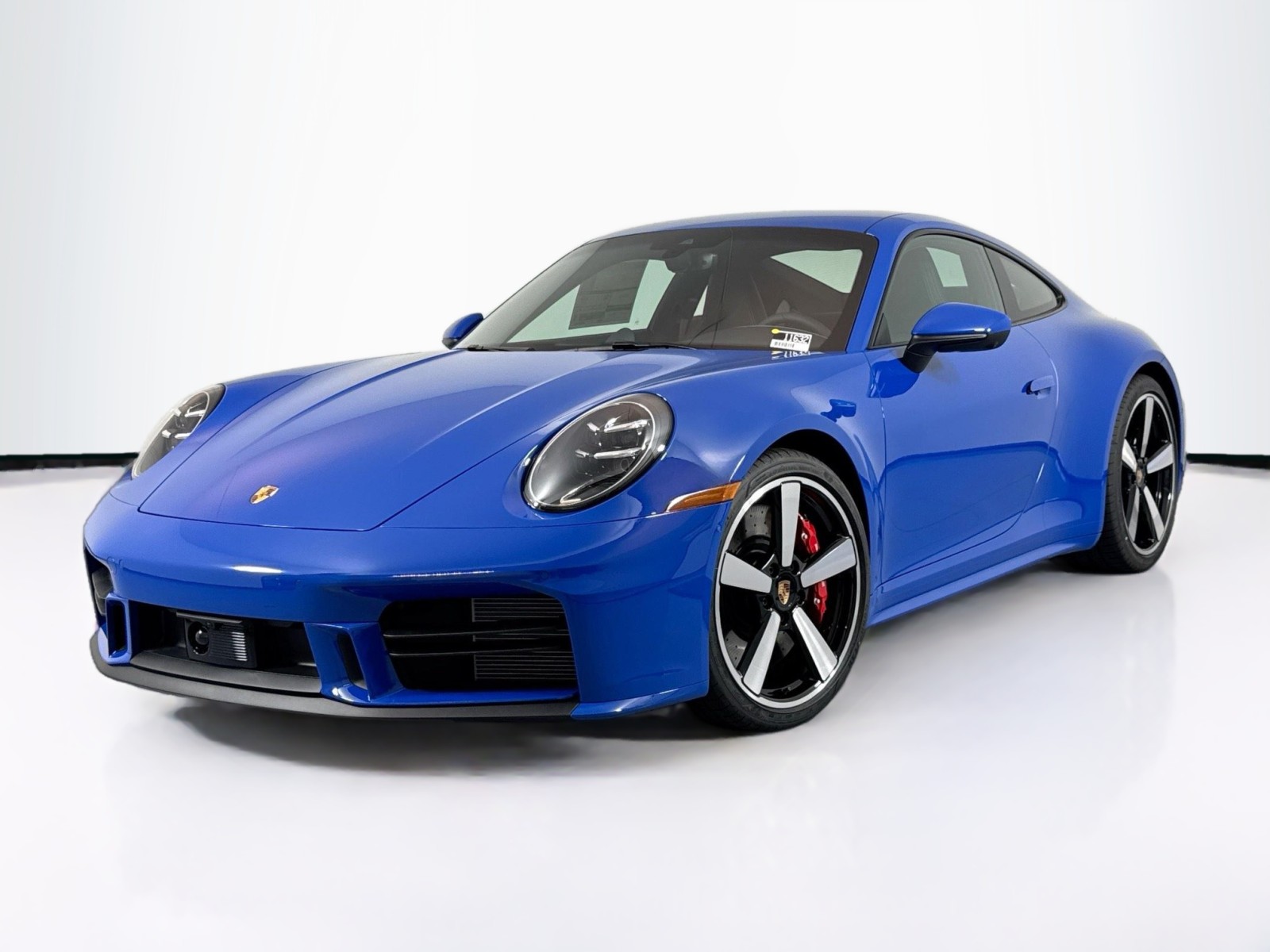
How Porsche 911 Drivetrains Work
Porsche designs the 911 to be a driver’s car. The brand offers rear-wheel drive and all-wheel drive layouts. Rear-wheel drive sends power only to the rear wheels. All-wheel drive adds front-wheel torque as needed for traction and balance.
Does the Porsche 911 come in all-wheel drive and rear-wheel drive? Yes. Porsche calls its AWD system "4" in model names, like Carrera 4 or Turbo S. The AWD system uses sensors and electronic controls to split torque. It can send most power to the rear for sporty feel, and shift more forward when grip is low.
49% off Today's Exclusive Deals
Limited-time Exclusive Deals. Check current discount on Amazon.
Check Price on Amazon As an Amazon Associate I earn from qualifying purchases.Basic drivetrain traits:
- Rear-wheel drive gives lighter weight and purer steering feel.
- All-wheel drive adds traction in rain, snow, and hard launches.
- Electronics manage torque in real time to keep the car stable.
This section gives the foundation for comparing performance and daily use. If you want a simple answer: Does the Porsche 911 come in all-wheel drive and rear-wheel drive? Yes — both are available, and each serves different drivers.
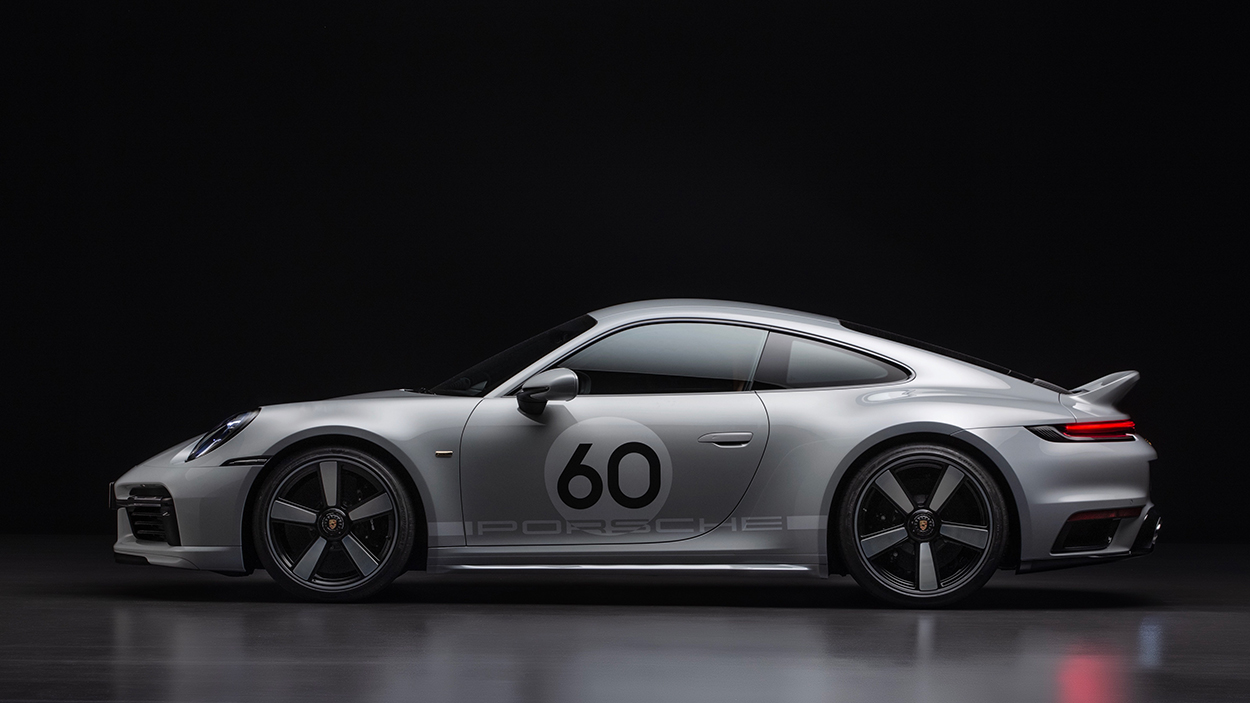
AWD vs RWD: Performance, Handling, and Use Cases
Compare the two to see which fits you.
49% off Today's Exclusive Deals
Limited-time Exclusive Deals. Check current discount on Amazon.
Check Price on Amazon As an Amazon Associate I earn from qualifying purchases.Performance and feel:
- Rear-wheel drive feels more connected on dry roads. It rewards throttle control and offers classic oversteer opportunities for skilled drivers.
- All-wheel drive accelerates faster in many trims because traction improves launch grip. It feels more planted in corners when conditions are mixed.
Safety and daily driving:
- AWD helps in wet or snowy climates. It lowers the chance of wheelspin off the line.
- RWD can be fine in good weather with summer tires. It’s lighter and often cheaper to maintain.
Track and spirited driving:
- RWD is popular with drivers who like to slide the rear and tune balance with throttle.
- AWD models can still be very sporty and are often tuned to favor rear bias. They may be faster on some circuits because they keep more power on the ground.
Does the Porsche 911 come in all-wheel drive and rear-wheel drive? Yes, and the difference usually comes down to traction versus pure feedback.
PAA-style quick questions:
- Is AWD safer than RWD in a 911? AWD improves traction in low-grip conditions, but active safety systems and tires matter too.
- Will AWD make my 911 slower on track? Not always. AWD can improve lap times by reducing lost traction on corner exits.
- Can a skilled driver prefer RWD for better feedback? Yes. Many purists choose RWD for the direct feel.
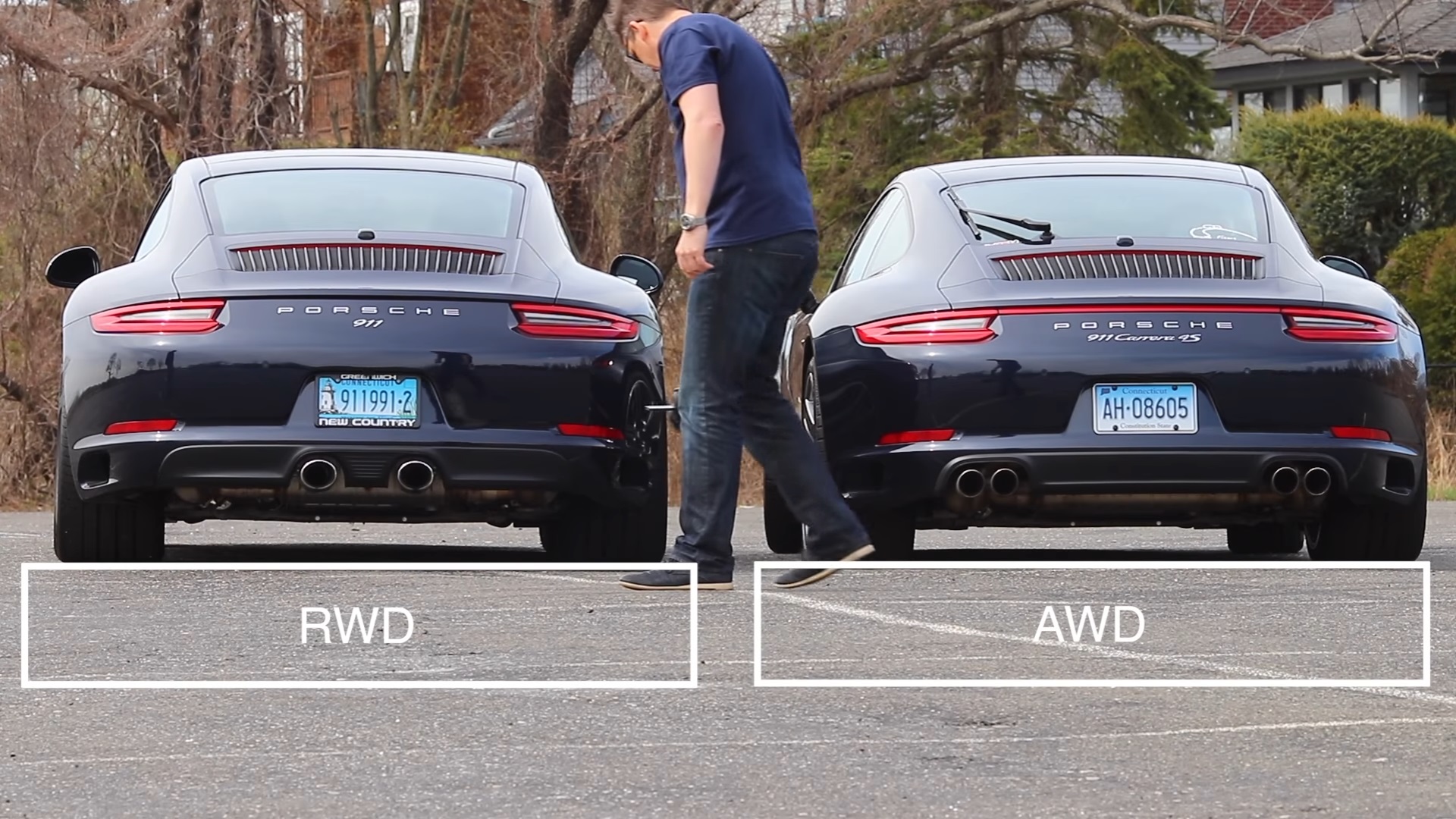
Models and Availability Across Generations
Porsche offers both drivetrains across many 911 generations. Model names often hint at the drivetrain.
Common model patterns:
- Carrera and Carrera S are typically rear-wheel drive.
- Carrera 4 and Carrera 4S have all-wheel drive.
- Turbo and Turbo S use AWD to handle high power.
- GT models vary; some are RWD to save weight and sharpen feel.
Generations matter:
- Older 911s used simpler mechanical systems for AWD.
- Modern 911s use advanced electronic torque-vectoring and sensors.
- Does the Porsche 911 come in all-wheel drive and rear-wheel drive? Across generations, yes — but availability depends on trim and year.
If you’re shopping, check model suffixes and factory options. Certified pre-owned markets often list drivetrain explicitly. This makes it easier to filter for the version you want.
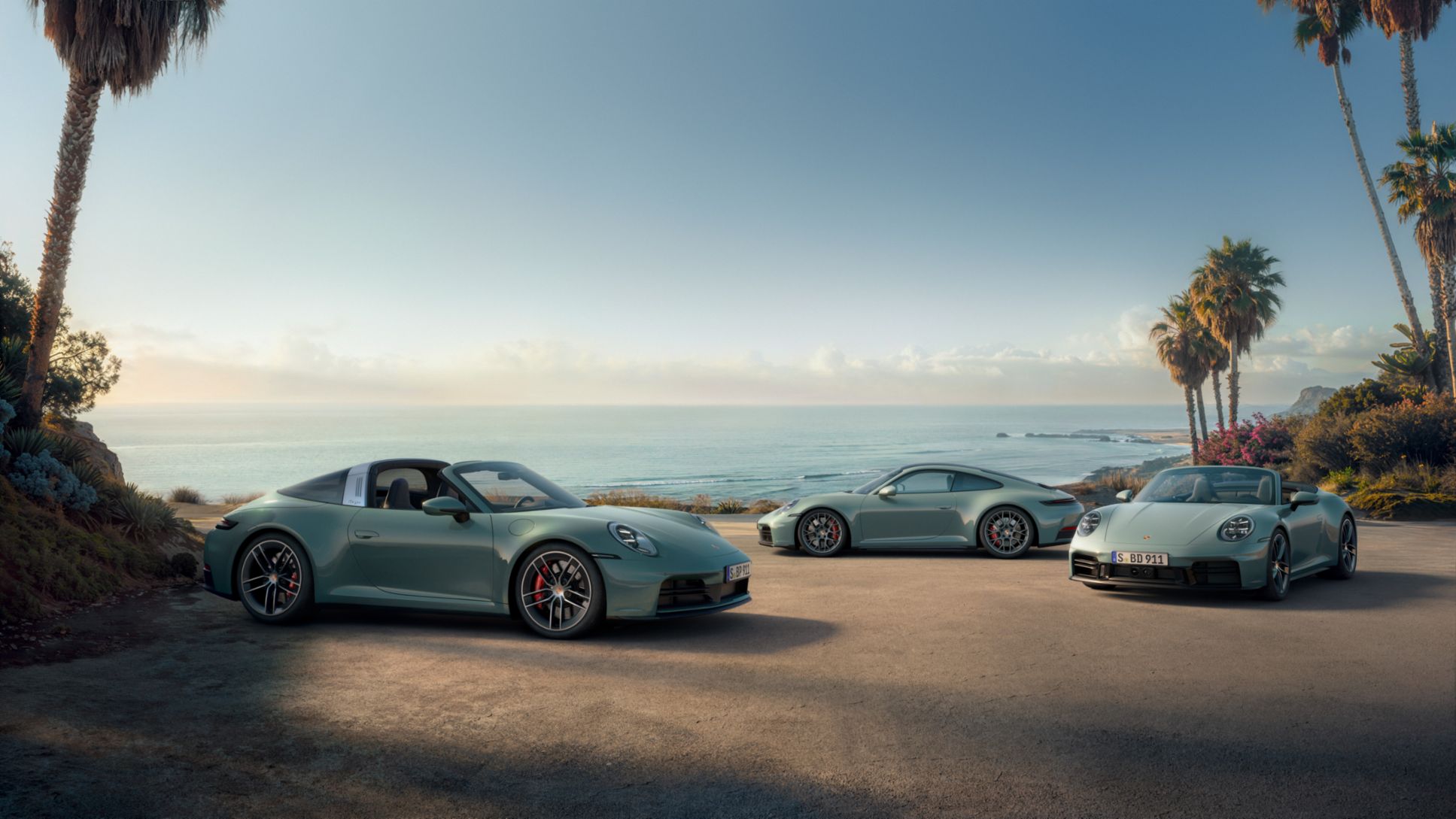
Pros and Cons: Clear Trade-offs
Choose with these trade-offs in mind.
Benefits of AWD:
- Better traction in poor weather.
- Faster, more secure launches.
- Often better resale in cold climates.
Limitations of AWD:
- Slightly heavier and more complex.
- Can cost more to buy and repair.
- Marginally less pure steering feel for some drivers.
Benefits of RWD:
- Lighter and simpler.
- More direct steering feel.
- Often cheaper to buy and maintain.
Limitations of RWD:
- Less traction in rain and snow.
- Requires more skill at the limit.
Does the Porsche 911 come in all-wheel drive and rear-wheel drive? Yes. This choice is about trade-offs, not right or wrong.
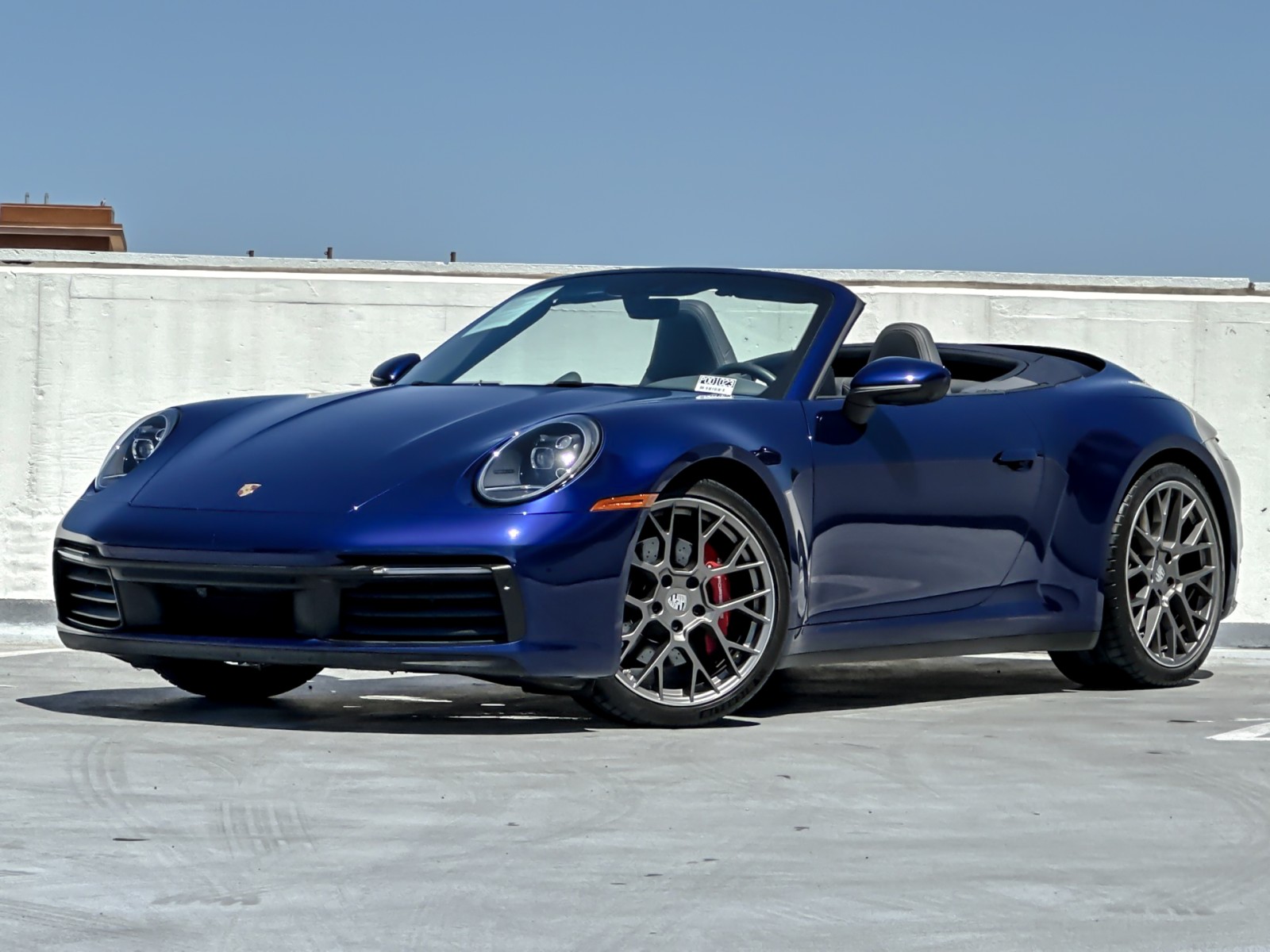
How to Choose: Practical Tips for Buyers
Decide based on how you drive and where you live.
Ask yourself:
- Do I drive in snow or rain often? If yes, lean to AWD.
- Do I want the lightest, purest feel? If yes, choose RWD.
- Will I track the car? For street/track balance, consider AWD in high-power models; for pure trackplay choose RWD lightweights.
Shopping tips:
- Test drive both drivetrains back-to-back.
- Try launch control if available; notice traction differences.
- Check maintenance history for used cars. AWD systems have more parts that age.
Does the Porsche 911 come in all-wheel drive and rear-wheel drive? Yes. Use a test drive and your climate to guide the pick.

Maintenance, Costs, and Insurance
Expect small but real differences.
Costs:
- AWD models can cost more to insure and repair.
- RWD repairs are often simpler and cheaper.
- Fuel economy differences are minor in modern 911s.
Maintenance tips:
- Keep tires matched and rotated. AWD needs even tire diameters.
- Service AWD systems per schedule to avoid drivetrain stress.
- Watch for differential and transfer case wear on older AWD cars.
Does the Porsche 911 come in all-wheel drive and rear-wheel drive? Yes, and the long-term cost varies by drivetrain and how the car is used.
Personal Experience: What I Learned Driving Both
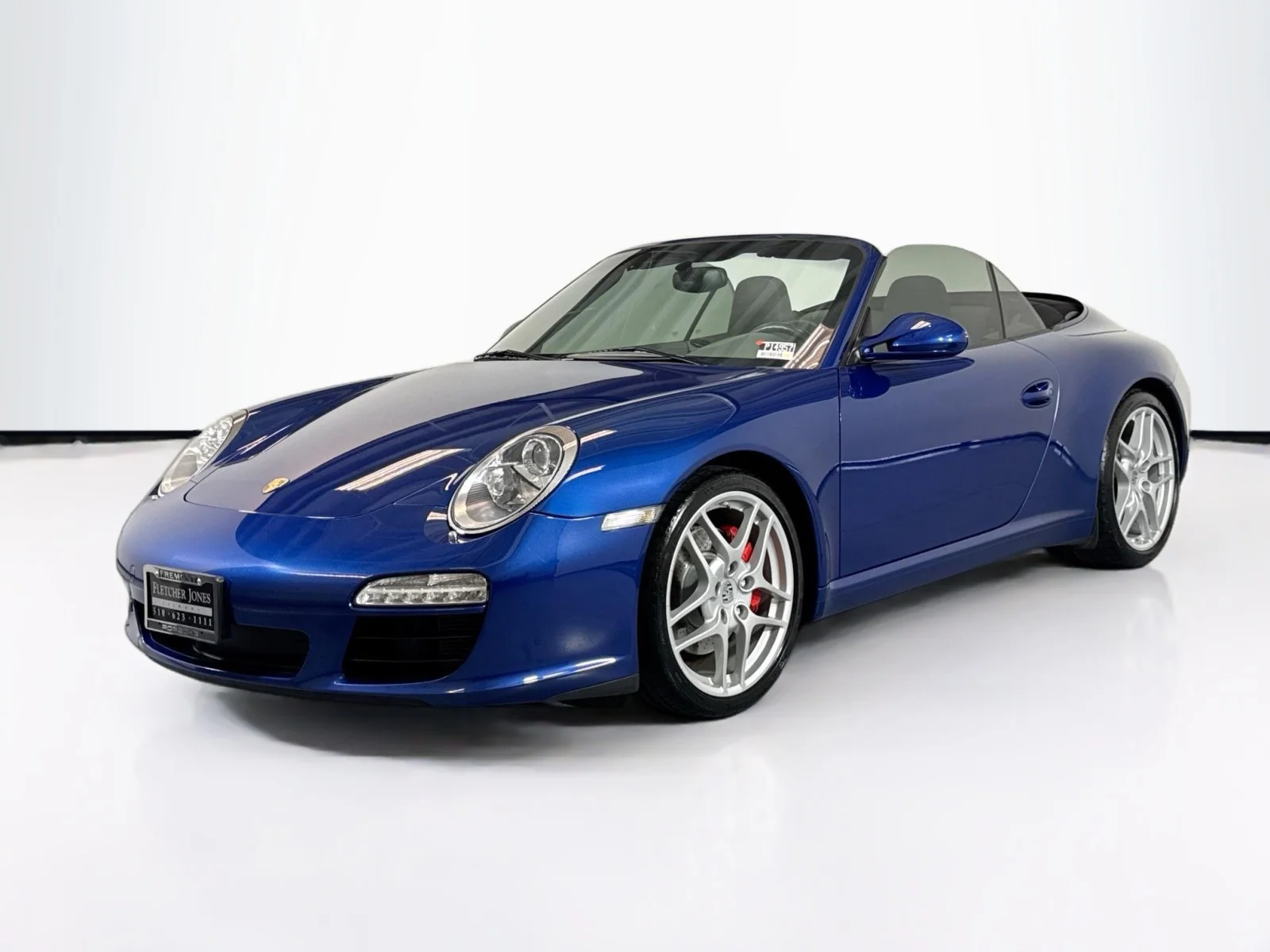
I’ve driven multiple 911s on roads and tracks. My first 911 was RWD. It felt nimble and alive. Later I drove a Carrera 4S in rain and noticed confidence I didn’t expect. Key lessons:
- RWD taught me throttle control and balance.
- AWD let me push harder sooner in poor grip.
- For daily driving in mixed weather, AWD reduced stress and made the car more usable.
If you want my base advice: pick AWD if you need confidence in bad weather. Pick RWD if you chase purity and lightness.
Frequently Asked Questions of Does the Porsche 911 come in all-wheel drive and rear-wheel drive?
What does "Carrera 4" mean?
Carrera 4 means the 911 has all-wheel drive. The "4" denotes AWD in Porsche naming.
Is the Turbo version always AWD?
Most modern Turbo models use AWD because of high power and need for traction. Check model year to be sure.
Can I convert a RWD 911 to AWD?
Converting a RWD 911 to AWD is complex and costly. It is rarely practical or recommended.
Which drivetrain holds value better?
In cold climates, AWD 911s often have stronger resale. Value also depends on model desirability and mileage.
Does AWD make the 911 less fun to drive?
AWD changes the feel but does not necessarily reduce fun. Many AWD 911s keep a rear bias and remain very engaging.
Conclusion
Does the Porsche 911 come in all-wheel drive and rear-wheel drive? Yes — Porsche offers both across many models and generations. The right choice depends on your climate, driving style, and priorities. If you want traction and day-to-day confidence, AWD is a smart pick. If you want the lightest, purest connection to the road, RWD rewards skill.
Takeaway: test drive both, consider local weather, and think long term about maintenance and resale. If you’re deciding now, make a short checklist: usage, weather, track plans, and budget. Share your experience or questions below, subscribe for more car guides, or leave a comment about which 911 drivetrain you’d choose.