The Nissan GT-R typically manages about 16–18 mpg combined, varying with driving and trim.
I’ve studied and driven performance cars for years, and I’ll walk you through the fuel economy of the Nissan GT-R with clear numbers, real-world observations, and practical tips. This guide explains EPA ratings, owner-reported results, factors that change mileage, and ways to get the most from the GT-R without sacrificing too much performance. Read on to learn exactly what to expect from the fuel economy of the Nissan GT-R and how to manage fuel costs as an owner or prospective buyer.

49% off Today's Exclusive Deals
Limited-time Exclusive Deals. Check current discount on Amazon.
Check Price on Amazon As an Amazon Associate I earn from qualifying purchases.
Official EPA ratings and what they mean
The fuel economy of the Nissan GT-R is measured by EPA tests, which give a standardized way to compare cars. For most R35 GT-R model years, EPA ratings fall near these ranges:
- City 15–16 mpg
- Highway 22–24 mpg
- Combined 16–18 mpg
Trim and model variations affect those numbers. Special editions like Nismo generally score slightly lower because of performance tuning and heavier or stiffer components. Newer model tweaks and transmission calibrations can shift a rating a mile or two either way, but the GT-R remains firmly in the high-performance, low-efficiency category when compared to economy cars.
49% off Today's Exclusive Deals
Limited-time Exclusive Deals. Check current discount on Amazon.
Check Price on Amazon As an Amazon Associate I earn from qualifying purchases.
Real-world fuel economy: what owners actually see
Owner reports often differ from EPA figures. Real-world numbers depend heavily on driving style, routes, and local traffic. Typical owner-reported ranges:
- Daily city driving and traffic: about 12–15 mpg
- Mixed driving and light commuting: about 15–18 mpg
- Steady highway cruising: about 20–25 mpg
From my own seat time in a GT-R on mixed routes, average tank results landed around 14–19 mpg depending on how frequently I pushed hard. Short trips, frequent warm-ups, and spirited driving drop economy quickly. On long highway runs, the GT-R can return surprisingly tidy numbers for a twin-turbo V6 sports car.
PAA-style question 1: Will the GT-R get much better mileage on the highway?
49% off Today's Exclusive Deals
Limited-time Exclusive Deals. Check current discount on Amazon.
Check Price on Amazon As an Amazon Associate I earn from qualifying purchases.- Yes. The GT-R benefits from steady-speed highway driving, often reaching the high teens or low twenties in mpg, which is noticeably better than city driving.
PAA-style question 2: Does the GT-R Nismo use more fuel than the base GT-R?
- Slightly. Nismo tuning and components tend to lower highway and combined mpg by a small margin compared to non-Nismo trims.
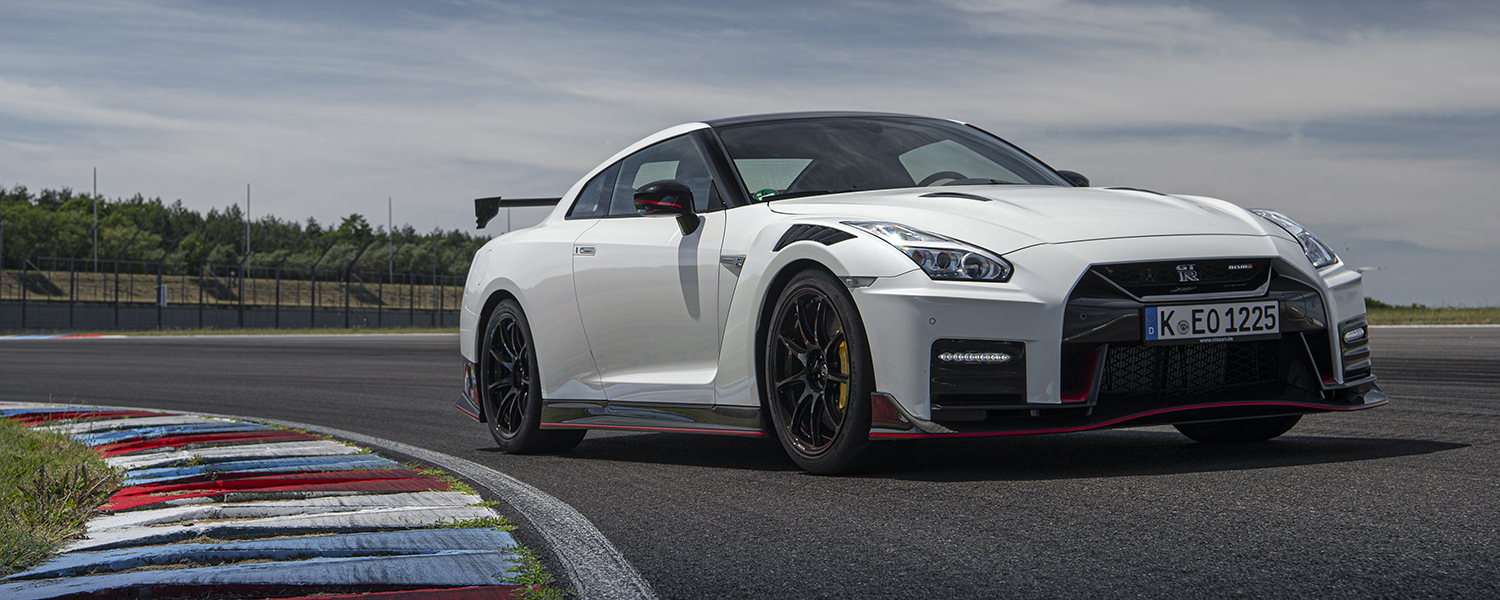
Factors that affect the fuel economy of the Nissan GT-R
Many variables change how the GT-R performs at the pump. Key factors include:
- Driving style. Heavy throttle and high revs kill mpg fast. Gentle accelerations help.
- Mode selection. Switching from Sport to Normal or Eco-like settings reduces fuel use.
- Traffic type. Stop-and-go city traffic lowers efficiency compared to highway cruising.
- Tires and alignment. Sticky performance tires increase rolling resistance and fuel use.
- Weight and cargo. Extra weight from passengers or gear raises fuel consumption.
- Maintenance. Clean air filters, fresh spark plugs, and proper oil reduce wasted fuel.
- Fuel type. The GT-R requires premium fuel. Using correct octane keeps tuning optimal.
- Tuning and mods. Aftermarket tunes can increase power but usually reduce mpg.
Understanding these factors helps owners set realistic fuel-expectation and plan for costs.

How to improve fuel economy in a Nissan GT-R
If you want better numbers without sacrificing the car’s core appeal, try these practical steps:
- Drive smoothly. Slow, steady throttle inputs raise average mpg significantly.
- Use the gentler drive modes for daily commuting. Sport modes are fun but thirsty.
- Maintain the car. Regular services and correct tire pressure matter more than you think.
- Lighten the load. Remove unused cargo and roof racks to cut drag and weight.
- Plan routes. Favor highways and steady speeds over stop-and-go city runs.
- Keep firmware and ECU updates current. Factory updates can refine shift logic and efficiency.
Expect modest gains. Realistic improvements range from 5–15 percent depending on prior habits. Any performance tune that raises boost and power will usually reduce fuel economy.

Fuel cost and ownership: estimating annual fuel spend
To plan budgets, estimate yearly fuel costs. Example calculation using a common scenario:
- Annual miles: 12,000
- Average fuel economy: 16 mpg (combined)
- Gallons needed per year: 12,000 ÷ 16 = 750 gallons
- Fuel price example: $3.50 per gallon
- Annual fuel cost: 750 × $3.50 = $2,625
If you drive more aggressively and average 13 mpg, cost rises:
- 12,000 ÷ 13 = 923 gallons
- 923 × $3.50 = $3,231 yearly
These examples show how fuel economy of the Nissan GT-R flows directly into ownership costs. Budget accordingly and factor in premium fuel premiums in your local market.
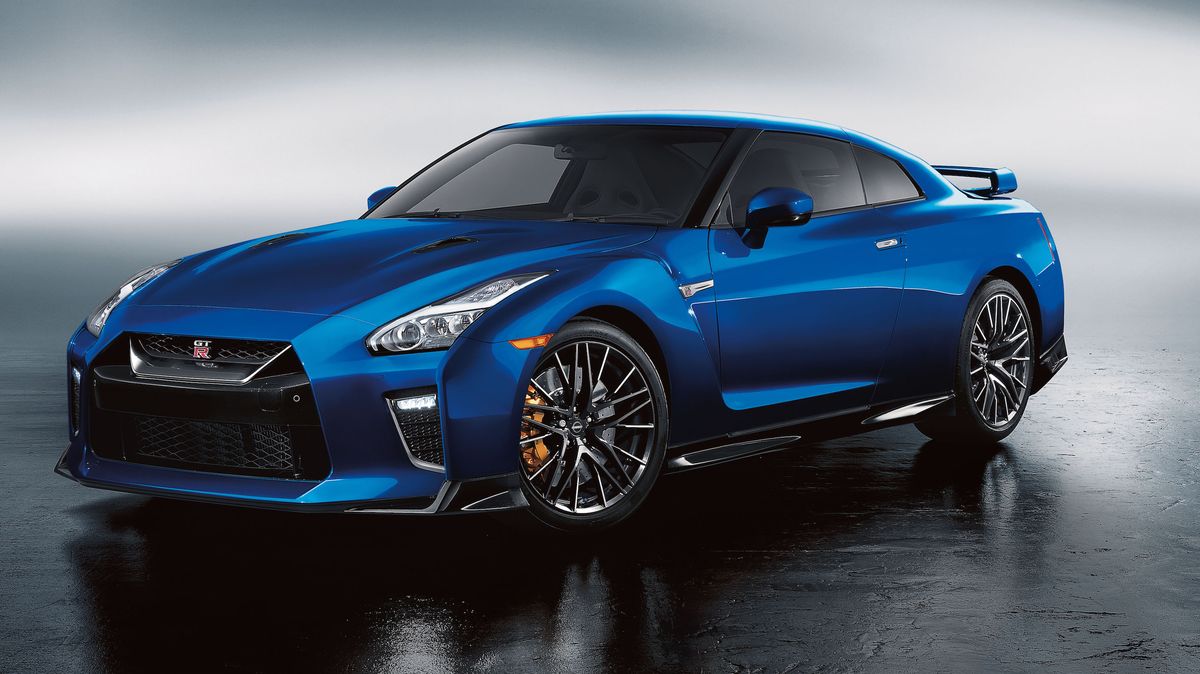
How the GT-R compares to other performance cars
When evaluating the fuel economy of the Nissan GT-R against rivals, some trends emerge:
- Compared to small, lighter sports cars, the GT-R uses more fuel because it carries more weight and power.
- Versus V8 muscle cars of similar power, the GT-R often returns similar or slightly better highway mpg thanks to its twin-turbo V6 efficiency.
- Exotic supercars may be thirstier or similar; modern turbocharged exotics sometimes match GT-R on highway efficiency.
- Compared to high-efficiency performance coupes, the GT-R is less efficient but offers different performance balance.
The GT-R targets raw, repeatable performance first. If pure fuel efficiency is top priority, other sport or grand-tourer models may be a better choice.

Common misconceptions about GT-R fuel economy
Short, clear corrections to frequent myths:
- Myth: All GT-Rs always get terrible gas mileage. Reality: They are thirsty under load, but highway economy can be reasonable.
- Myth: You must accept 10 mpg city every day. Reality: Daily averages often sit in the mid-teens when driven carefully.
- Myth: Tuning always improves economy. Reality: Most performance tunes increase power at the cost of fuel economy.
These points help set realistic expectations for buyers and owners.
Frequently Asked Questions of What is the fuel economy of the Nissan GT-R?
What is the EPA combined mpg for a modern GT-R?
Most modern GT-Rs are rated around 16–18 mpg combined depending on year and trim.
Does the GT-R require premium fuel and does that affect economy?
Yes, the GT-R requires premium fuel. Using the recommended octane keeps the engine running as designed and avoids efficiency loss.
Can a tuned GT-R achieve better fuel economy?
Tuning focused on performance usually reduces fuel economy. Mild, conservative tunes that improve drivability might slightly help, but gains are limited.
How much does driving mode impact fuel economy?
Driving mode can change throttle response and shift points, often improving mpg by several percent when in the gentlest setting compared to Sport modes.
Is highway driving the only way to get good mpg in a GT-R?
Highway driving helps most, but smooth city driving and warm engine operation also improve results compared with aggressive starts and short trips.
Conclusion
The fuel economy of the Nissan GT-R sits squarely in the performance-car zone: not city-friendly but reasonable on the highway. Expect EPA ratings around 16–18 mpg combined, with real-world results ranging from low teens in traffic to low twenties on open highways. If you own or plan to buy a GT-R, weigh fuel cost into your budget and try simple steps—gentle driving, good maintenance, and smart route planning—to improve efficiency without losing the car’s spirit. If you found this guide useful, try tracking your own tank results, compare trims, and share your numbers or questions below to learn from other GT-R owners.