Yes — the Porsche 911 is an excellent track car when chosen and prepared correctly.
I’ve spent years testing sports cars and coaching drivers, and I can say with confidence that the question "Is the Porsche 911 good for track driving?" deserves a layered answer. The 911 blends balance, power, and engineering that reward both skilled amateurs and experienced racers. Read on to learn how different 911 models behave on track, what setup changes matter most, real-world tips from my time on circuit, and whether this iconic car fits your track goals.

49% off Today's Exclusive Deals
Limited-time Exclusive Deals. Check current discount on Amazon.
Check Price on Amazon As an Amazon Associate I earn from qualifying purchases.
Why the Porsche 911 suits track driving
The Porsche 911 has a rear-engine layout that gives it a unique balance and traction profile. That layout can be an advantage on corner exit and under power if you know how to drive it. The chassis is stiff, brakes are strong, and track-oriented variants come with motors, aero, and suspension tuned for laps.
Key strengths that make the 911 good for track driving:
49% off Today's Exclusive Deals
Limited-time Exclusive Deals. Check current discount on Amazon.
Check Price on Amazon As an Amazon Associate I earn from qualifying purchases.- Excellent traction from rear weight bias, especially under acceleration.
- Strong braking systems engineered for repeatable laps.
- Precise steering and a chassis that responds well to setup changes.
- A wide model range from street-friendly Carrera to race-ready GT3 and GT3 RS.
Limitations to be aware of:
- Rear-engine dynamics require a learning curve for threshold control.
- Some street-focused models need brake and cooling upgrades for long sessions.
- Higher purchase and running costs compared with entry-level track cars.
If you want a car that improves with seat time and rewards precise inputs, the answer to "Is the Porsche 911 good for track driving?" is yes, with nuance.

Which 911 variants work best for track driving
Not every 911 is the same. Which model you choose affects how ready it is for the circuit.
49% off Today's Exclusive Deals
Limited-time Exclusive Deals. Check current discount on Amazon.
Check Price on Amazon As an Amazon Associate I earn from qualifying purchases.Top track choices:
- GT3 and GT3 RS — built for the track with naturally aspirated engines, aggressive aero, and motorsport suspension. These are the closest to race cars straight from the factory.
- GT2 RS — extreme power and speed but needs an experienced driver to exploit it safely.
- Turbo S — huge grip and power with all-wheel drive; excellent for fast laps but heavier.
- Carrera S / GTS — strong daily-track balance; with modest upgrades they become dependable track cars.
Street-focused 911s can be very capable after tuning:
- Upgraded brake pads and fluid, high-temperature brake ducts, and track tires make a big difference.
- Adjustable suspension bushings or coilovers improve turn-in and reduce understeer or oversteer.
- Cooling upgrades protect the engine and transmission during long sessions.
Consider track goals and experience when deciding. If you’re new to high-speed circuits, a Carrera with a good instruction day is a smarter path than jumping into a GT2 RS too soon.

Setup and modifications for serious track driving
You don’t need to modify a 911 heavily to enjoy the track, but the right changes improve consistency and safety.
Common, effective upgrades:
- Track tires — the single best performance upgrade for lap times.
- Brake pads and high-temp fluid — prevent fade during hot laps.
- Adjustable coilovers or track suspension — tune balance and roll stiffness.
- Aerodynamic tweaks — wings and splitters add downforce for stability.
- Cooling upgrades — oil coolers, transmission coolers, and ducting for long sessions.
- Weight reduction — remove nonessential items for better agility.
Maintenance items to prioritize:
- Regular brake bleed and fresh pads before track days.
- Tire pressure checks between sessions.
- Quick visual inspections for fluid leaks and loose components.
PAA-style question: How much does it cost to prep a 911 for track use?
Short answer: Basic prep (tires, pads, fluid) can be a few thousand dollars; full race prep will be much higher depending on parts and labor.
Driving characteristics and technique on a 911
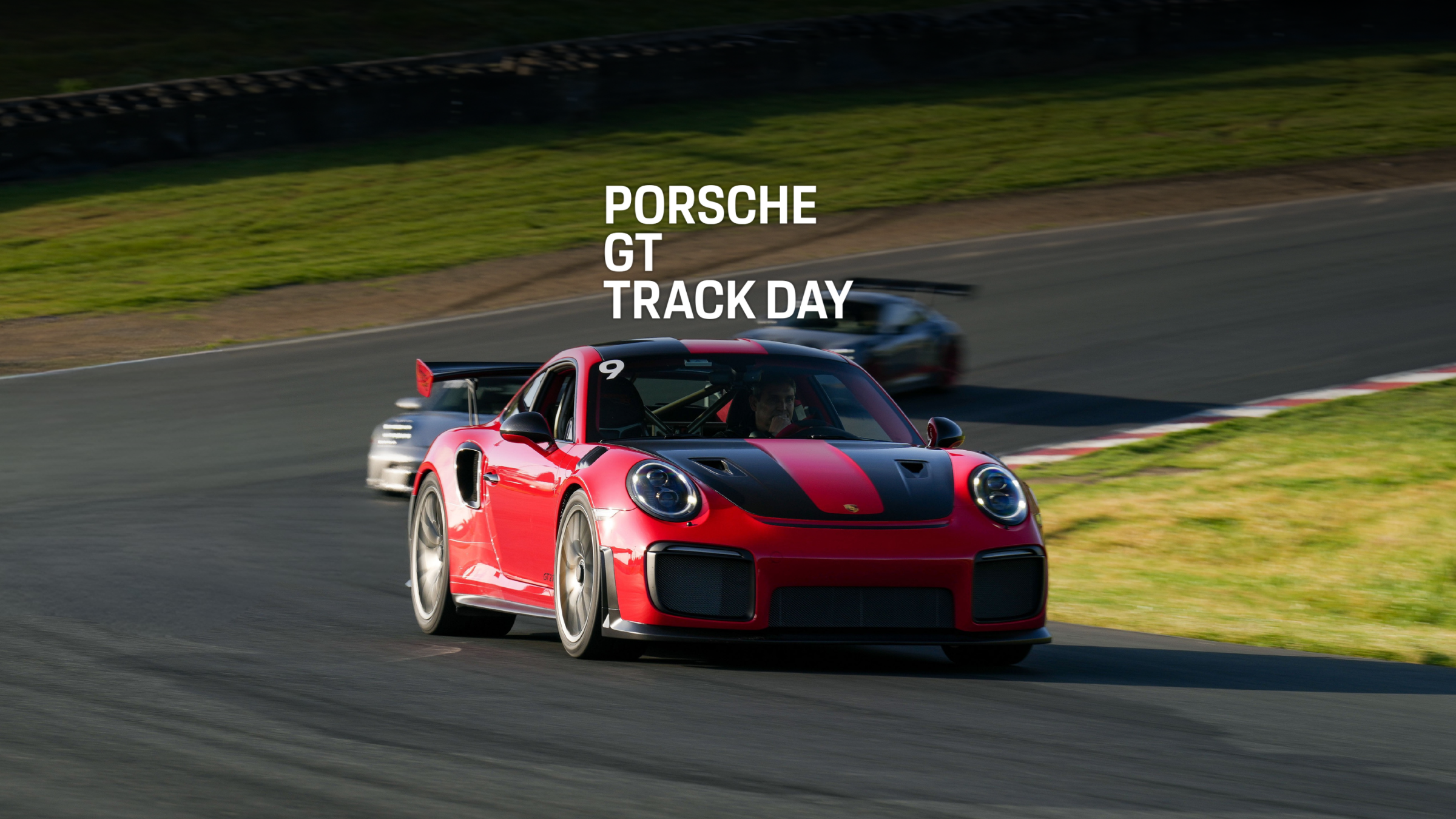
Understanding how the 911 behaves helps you drive faster and safer.
Core driving tips:
- Respect the rear-engine balance — be smooth with throttle at corner entry and ramp up progressively on exit.
- Use the car’s excellent traction — power out of corners can be a major speed advantage if you manage rotation.
- Master trail braking to control nose lift and settle the car for turn-in.
- Adjust braking points when tire or brake temperature changes.
I learned to trust the 911’s recoverability. Early on I oversteered on a damp exit and the car rotated quickly. With calm countersteer and throttle modulation it came back on line. That moment taught me how forgiving a well-set-up 911 can be in inexperienced hands when the driver keeps cool.
Costs, maintenance, and reliability on the track
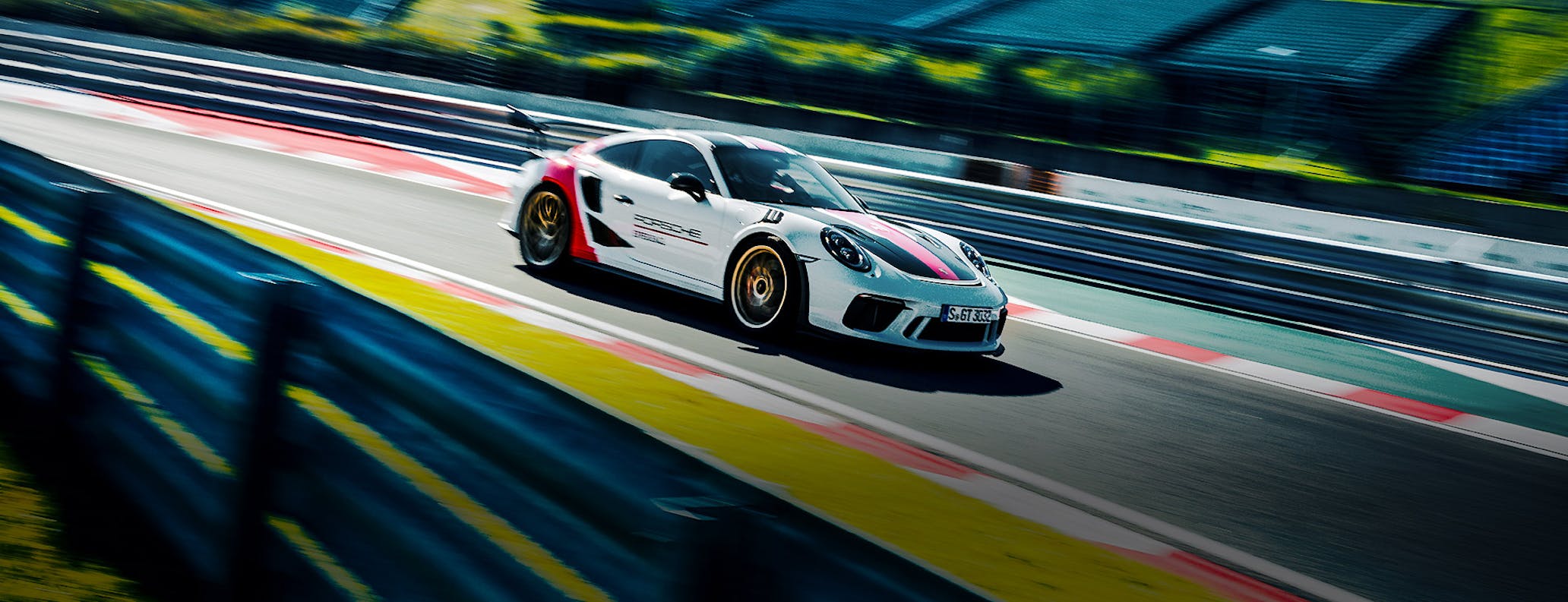
Track driving changes the maintenance profile of any car. The 911 holds up well but has costs.
What to budget for:
- Consumables — tires, pads, and fluids wear faster and may need replacing after just a few track days.
- Service intervals — more frequent inspections and oil changes.
- Potential repairs — running at limit increases the chance of component wear or failure.
- Insurance and logistical costs — track-day fees and transport if you prefer to preserve the car.
Reliability notes:
- Porsche engineering emphasizes durability, but track use accelerates wear on drivetrain and cooling systems.
- Track-focused models use stronger components, which improves reliability under stress.
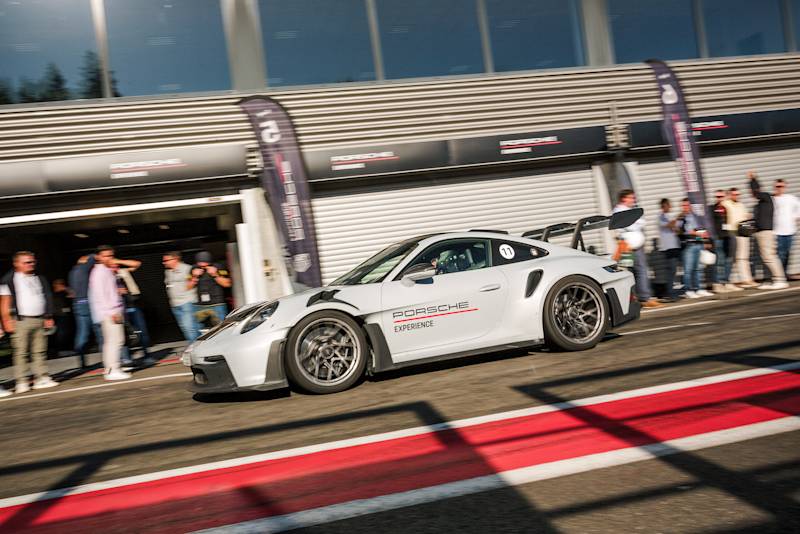
If you plan many track days, consider a dedicated track car or a well-prepped 911 with a parts budget.
Safety systems, driver aids, and electronics
Modern 911s come with advanced electronics. These help but don’t replace driver skill.
Key systems:
- Stability control and traction control — can be dialed back or off for track use.
- PDK dual-clutch gearbox — offers faster shifts and consistent performance for lap times.
- Limited-slip differentials — improve corner exit traction and balance.
- Telemetry and lap data — available on some models to analyze performance.
Tip: Learn to operate and disable driver aids safely during practice laps. Start with aids on, then progressively reduce assistance as you gain speed and confidence.
Is the Porsche 911 good for track driving? — My experience
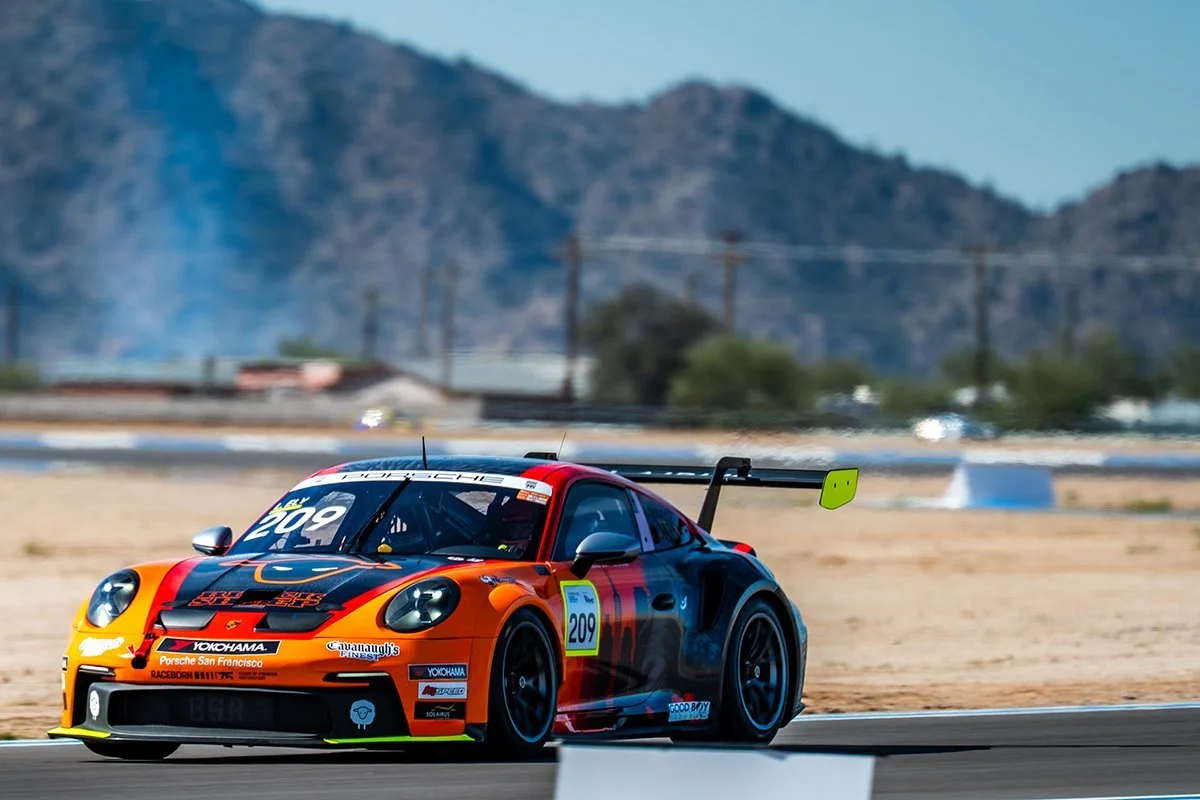
I’ve driven multiple 911 generations on circuits of all sizes. Each one rewarded clean inputs and seat time.
Personal takeaways:
- A 911 teaches precise throttle control and situational awareness.
- The car scales with driver skill — it’s forgiving for learners and rewarding for experts.
- The best way to answer "Is the Porsche 911 good for track driving?" is to try a track day in a well-prepped 911 and measure how fast you can learn.
Real-life example: At a national circuit, I took a mid-spec 911 Carrera on a wet morning. Early laps were slow and cautious. After two coaching sessions and tire adjustments, lap times improved dramatically. The 911’s feedback and traction made consistent improvements possible.
Common track-day mistakes with a 911 and how to avoid them
Avoid these pitfalls to keep safe and get the most from track driving.
Common mistakes:
- Overbraking or late braking leading to lockups — use progressive, controlled inputs.
- Abrupt throttle on corner exit — causes snap oversteer in light rear weight situations.
- Neglecting cooling and brakes — schedule cool-down laps and check fluids.
- Running street tires at high temperatures — use track or semi-slick tires for better consistency.
Prevention steps:
- Book a coaching session or join an experienced group.
- Start with conservative setups and increase aggression gradually.
- Inspect the car between sessions for wear and loose parts.
PAA-style questions (short answers)
How easy is it to learn to drive a 911 on track?
It takes practice but the 911 is forgiving when driven smoothly. Coaching speeds the learning curve.
Do I need a manual or PDK for track driving?
PDK offers faster, consistent shifts and is easier for faster lap times; manuals are more engaging but require more skill.
Will a Carrera be slower than a GT3 on track?
Yes, a Carrera is slower than a GT3, but a well-driven Carrera can beat a poorly driven GT3.
Can I use a daily-driven 911 for track days?
Yes, many owners use daily 911s for track days with minor upgrades and routine maintenance.
Do I need to remove airbags or change safety gear?
You don’t need to remove airbags, but consider proper helmets, harnesses, and roll protection if you race seriously.
Frequently Asked Questions about Is the Porsche 911 good for track driving?
Is a Porsche 911 difficult to control on a racetrack?
A Porsche 911 has unique rear-engine dynamics that require some learning, but it is controllable and rewarding when driven smoothly.
Which 911 model is best for beginner track drivers?
A Carrera S or GTS is a great starting point for beginners who want balance between comfort and track capability.
How reliable is a Porsche 911 when frequently used on track?
Porsche 911s are robust but track use increases wear; plan for more frequent service and replacement of consumables.
Are brake upgrades necessary for track days?
Yes, brake pads and high-temp fluid are highly recommended to prevent fade during repeated hot laps.
Can a used Porsche 911 be a good track car?
Yes, a used 911 can be an excellent track car if inspected, maintained, and prepared correctly.
Conclusion
The Porsche 911 is a very good car for track driving when matched to your skill and goals. It offers unique dynamics, strong engineering, and a model range that covers casual track days to full-on racing. Choose the right variant, invest in core upgrades, and get coaching to extract the most from the car. If you want to learn quickly and enjoy consistent improvement, book a track day in a well-prepared 911 or join a local driving school and start gaining seat time.
Take action: sign up for a track day, schedule a coaching session, or test drive a 911 so you can answer "Is the Porsche 911 good for track driving?" from experience. Leave a comment below about your track goals or share your favorite 911 lap story.