Very reliable overall when well maintained; many F-150s easily reach 200,000+ miles.
I’ve spent years writing about trucks and working hands-on with pickups. I will walk you through real-world data, common problems, maintenance costs, and owner tips so you can judge how reliable the Ford F-150 for long-term ownership really is. Read on for clear advice, examples, and steps you can take to make an F-150 last for years.

49% off Today's Exclusive Deals
Limited-time Exclusive Deals. Check current discount on Amazon.
Check Price on Amazon As an Amazon Associate I earn from qualifying purchases.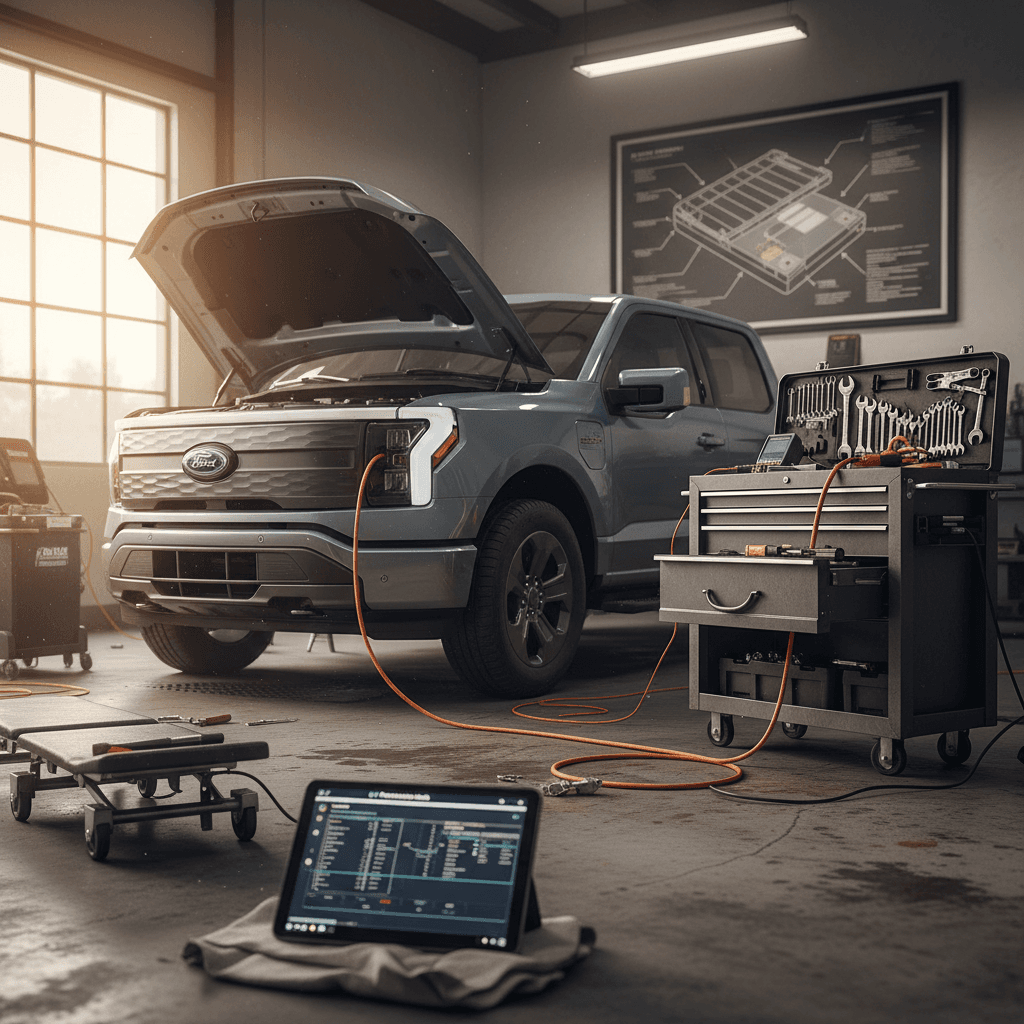
Reliability overview and long-term outlook
How reliable is the Ford F-150 for long-term ownership? The short answer is that the F-150 is one of the more reliable full-size trucks on the market when owners follow a simple care plan. Reliability varies by model year, engine choice, and how the truck was used.
Across multiple generations, the F-150 earns solid marks in durability. Many owners report five-figure service bills only after heavy use. Routine care and timely repairs are the main predictors of whether an F-150 will reach 200,000 miles or beyond. I’ve seen F-150s last into their 300,000s with basic preventative work and honest upkeep.
49% off Today's Exclusive Deals
Limited-time Exclusive Deals. Check current discount on Amazon.
Check Price on Amazon As an Amazon Associate I earn from qualifying purchases.Key factors that affect reliability include engine type, towing and payload history, maintenance records, and exposure to salt or off-road use. Keep these in mind when assessing a used model for long-term ownership.
Common issues by generation and impact on long-term ownership
How reliable is the Ford F-150 for long-term ownership? It helps to know the common issues so you can plan for them. Below are recurring problem areas and what they mean for longevity.
- Engines and powertrains. Some EcoBoost engines show higher maintenance needs than the older naturally aspirated V8s. Turbo systems need clean oil and timely service.
- Transmission concerns. Certain model years had transmission software or hardware updates. Delayed service can shorten transmission life.
- Electrical systems. Advanced tech and driver aids add convenience but can be a source of faults if water or corrosion gets in.
- Body and frame. Rust is a bigger threat where roads are salted. Undercoating and rust checks help long-term value.
- Suspension and steering. Heavy towing or off-road use accelerates wear on shocks, bushings, and ball joints.
Knowing these patterns helps you budget and plan preventive fixes. For long-term ownership, prioritize clean service history and avoid trucks with chronic towing abuse.
49% off Today's Exclusive Deals
Limited-time Exclusive Deals. Check current discount on Amazon.
Check Price on Amazon As an Amazon Associate I earn from qualifying purchases.
Maintenance, repair frequency, and ownership costs
How reliable is the Ford F-150 for long-term ownership? Cost and care are part of the answer. Regular maintenance is cheaper than major repairs. Here’s what to expect.
- Routine maintenance schedule. Oil and filter changes every 5,000–7,500 miles, brake checks twice a year, fluid inspections yearly, and tire rotation every 5,000–7,500 miles.
- Typical repair expenses. Minor repairs like brake pads, sensors, and hoses are common and affordable. Major items like transmissions or engine rebuilds are rare but costly.
- Average annual cost. Expect moderate annual costs if you do routine upkeep. Budget more if you tow often or drive off-road.
- Warranty and extended plans. Factory warranty helps early ownership. Extended warranties can be worth it for high-mileage plans, but read the coverage details closely.
Plan preventive maintenance. That is the single best way to keep ownership costs predictable and the truck reliable for the long haul.
Practical tips to maximize longevity
How reliable is the Ford F-150 for long-term ownership? You can improve reliability dramatically with simple habits. These are proven steps I recommend from hands-on work and owner feedback.
- Keep a service log. Record oil changes, repairs, and inspections. A clean record boosts resale value and helps diagnose issues.
- Use the right oil and fluids. Follow Ford’s specs. Turbo engines are sensitive to oil quality.
- Avoid constant heavy towing without proper cooling upgrades. If you tow a lot, choose gear and cooling that match your load.
- Inspect for rust and treat early. Underbody washes in winter and occasional rust-proofing go a long way.
- Address odd noises early. Small sounds often point to problems that are cheaper to fix early.
A friend of mine owned a 2012 F-150 that hit 250,000 miles. He changed oil religiously, fixed small leaks fast, and replaced worn bushings when they appeared. The truck never had a catastrophic failure. That’s the reality for many careful owners.
Resale value, depreciation, and long-term economics
How reliable is the Ford F-150 for long-term ownership when you factor resale value? The F-150 tends to hold value well among full-size trucks. Strong resale helps offset ownership costs over time.
- Depreciation patterns. F-150s typically depreciate slower than some rivals. Good maintenance and low damage history keep resale strong.
- Market demand. High demand for used trucks keeps prices firmer. A well-kept F-150 can command higher resale or trade-in value.
- Total cost of ownership. When you spread costs over many years and miles, a reliable F-150 can be economical compared to replacing vehicles more often.
Buy smart, keep records, and maintain the truck. That turns reliability into real savings at sale time.

Owner experiences, real-case examples, and lessons learned
How reliable is the Ford F-150 for long-term ownership? Owner stories clarify the answer. Below are real outcomes and lessons I’ve gathered.
- Daily driver with light towing. A 2016 F-150 owner drove 18,000 miles per year and towed occasionally. Regular care led to 220,000 trouble-free miles. Lesson: steady maintenance beats occasional heavy fixes.
- Work truck with heavy loads. A contractor’s 2014 F-150 required more suspension and brake work but ran strong for 180,000 miles. Lesson: expect more wear and plan for parts replacement.
- High-mileage commuter. A 2011 F-150 with 300,000 miles succeeded thanks to engine swaps and careful rebuilds. Lesson: long life is possible but may require major repairs.
These examples show that use case matters. Your care routine and how the truck is used will shape its reliability.
Frequently Asked Questions of How reliable is the Ford F-150 for long-term ownership?
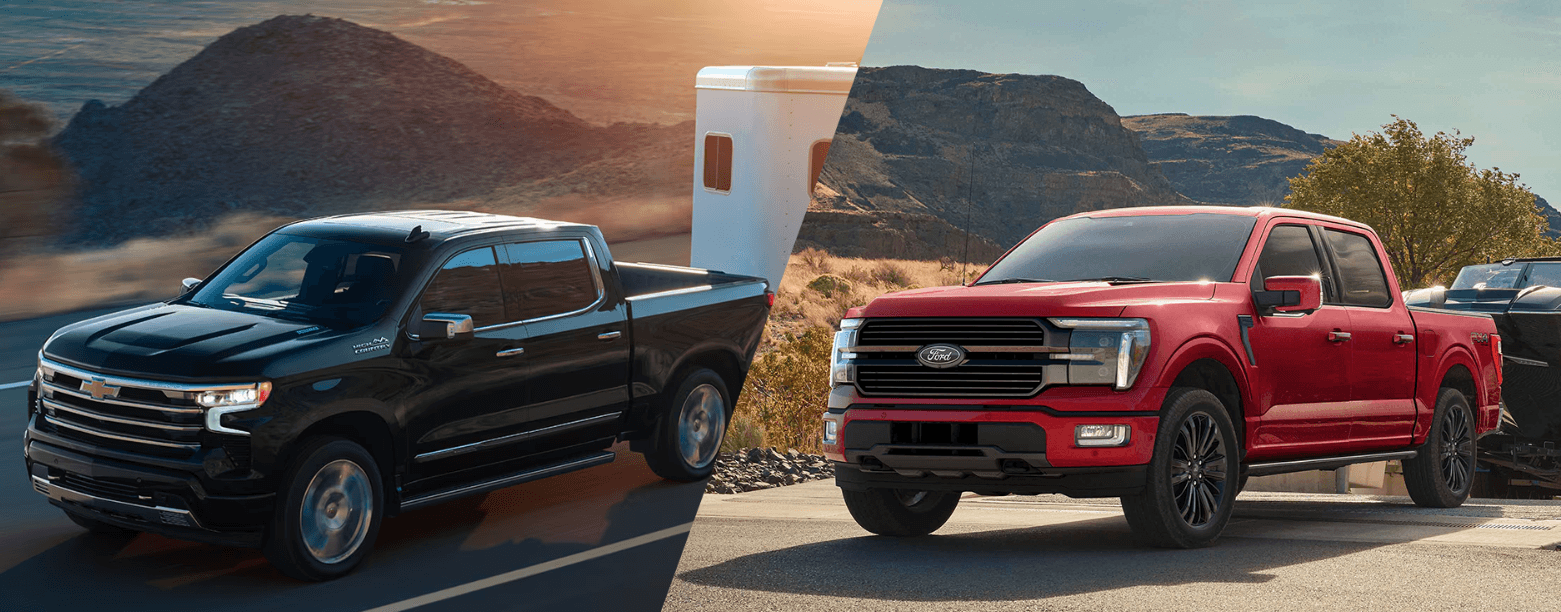
How reliable is the Ford F-150 for long-term ownership compared to rivals?
The F-150 ranks among the more reliable full-size trucks when maintained. Some rivals may score better in specific years, but overall the F-150 is a strong long-term choice.
What engine should I choose for best long-term reliability?
Naturally aspirated V8s and V6s often have fewer high-maintenance parts than some turbos. However, modern EcoBoost engines perform well if serviced on schedule.
How much should I budget annually for maintenance?
Plan for routine costs like oil, brakes, tires, and inspections. A good rule is to budget a few hundred to a couple thousand dollars per year depending on use and towing.
Are used F-150s a good buy for long-term ownership?
Yes, if they have clear service records and no heavy damage or salt corrosion. Verify towing history and inspect the frame for rust or weld repairs.
What are the most common costly repairs?
Major transmission work and engine overhauls are rare but costly. Suspension components and electrical fixes are more common but less expensive when caught early.
Conclusion
The Ford F-150 is a dependable truck for long-term ownership when you make smart choices. Pick the right engine for your needs, check service history, keep up with scheduled maintenance, and address small issues quickly. Do those things and the F-150 can be a reliable partner for many years and miles. If you’re ready to choose or care for an F-150, start with a thorough inspection and a clear maintenance plan, then enjoy the ride. Leave a comment with your F-150 story or subscribe for more truck ownership tips.