The Koenigsegg Jesko’s theoretical top speed is estimated around 300–330 mph (480–530 km/h).
I’ve tracked hypercar development for years and studied the engineering behind record-chasing cars. This article breaks down the top speed of the Koenigsegg Jesko, why the Jesko Absolut is built for extreme velocity, how those numbers are estimated, and what limits real-world verification. Expect clear facts, hands-on insights, and practical takeaways to understand the top speed of the Koenigsegg Jesko and what it really means for drivers and fans.

49% off Today's Exclusive Deals
Limited-time Exclusive Deals. Check current discount on Amazon.
Check Price on Amazon As an Amazon Associate I earn from qualifying purchases.
Official estimates and what has actually been achieved
The Koenigsegg Jesko and its high-speed variant, the Jesko Absolut, have claimed theoretical top speeds that turn heads. The company estimates the Jesko Absolut could reach around 300–330 mph. This estimate is based on engine output, gearing, and detailed aerodynamic modeling rather than a publicly documented top-speed run.
No independent, fully instrumented top-speed record for the Jesko Absolut has been published to confirm a single maximum number. Koenigsegg engineers used wind tunnel data and drivetrain calculations to produce the theoretical figure. For clarity, the top speed of the Koenigsegg Jesko quoted here refers mostly to the Absolut variant, which sacrifices downforce for low drag to chase maximum velocity.
49% off Today's Exclusive Deals
Limited-time Exclusive Deals. Check current discount on Amazon.
Check Price on Amazon As an Amazon Associate I earn from qualifying purchases.
How engineers estimate the top speed of the Koenigsegg Jesko
Top speed is not just horsepower. It’s where engine power equals resistive forces. The two main resistances are aerodynamic drag and rolling resistance. Aerodynamic drag grows with the square of speed, and the power needed to overcome it grows roughly with speed cubed. That’s why tiny drag reductions matter a lot at very high speeds.
Key inputs to estimate top speed include:
- Engine power at the wheels after drivetrain losses.
- Drag coefficient and frontal area.
- Final drive ratio and top gear ability to leverage engine rpm.
- Tire diameter and the gearing limits of the transmission.
When I review manufacturer estimates, I cross-check their power, predicted drag coefficient, and transmission gearing. If those line up, the estimated top speed becomes credible. For the top speed of the Koenigsegg Jesko, high engine output and an optimized transmission are the foundations.
49% off Today's Exclusive Deals
Limited-time Exclusive Deals. Check current discount on Amazon.
Check Price on Amazon As an Amazon Associate I earn from qualifying purchases.
Technical features that enable extreme speed
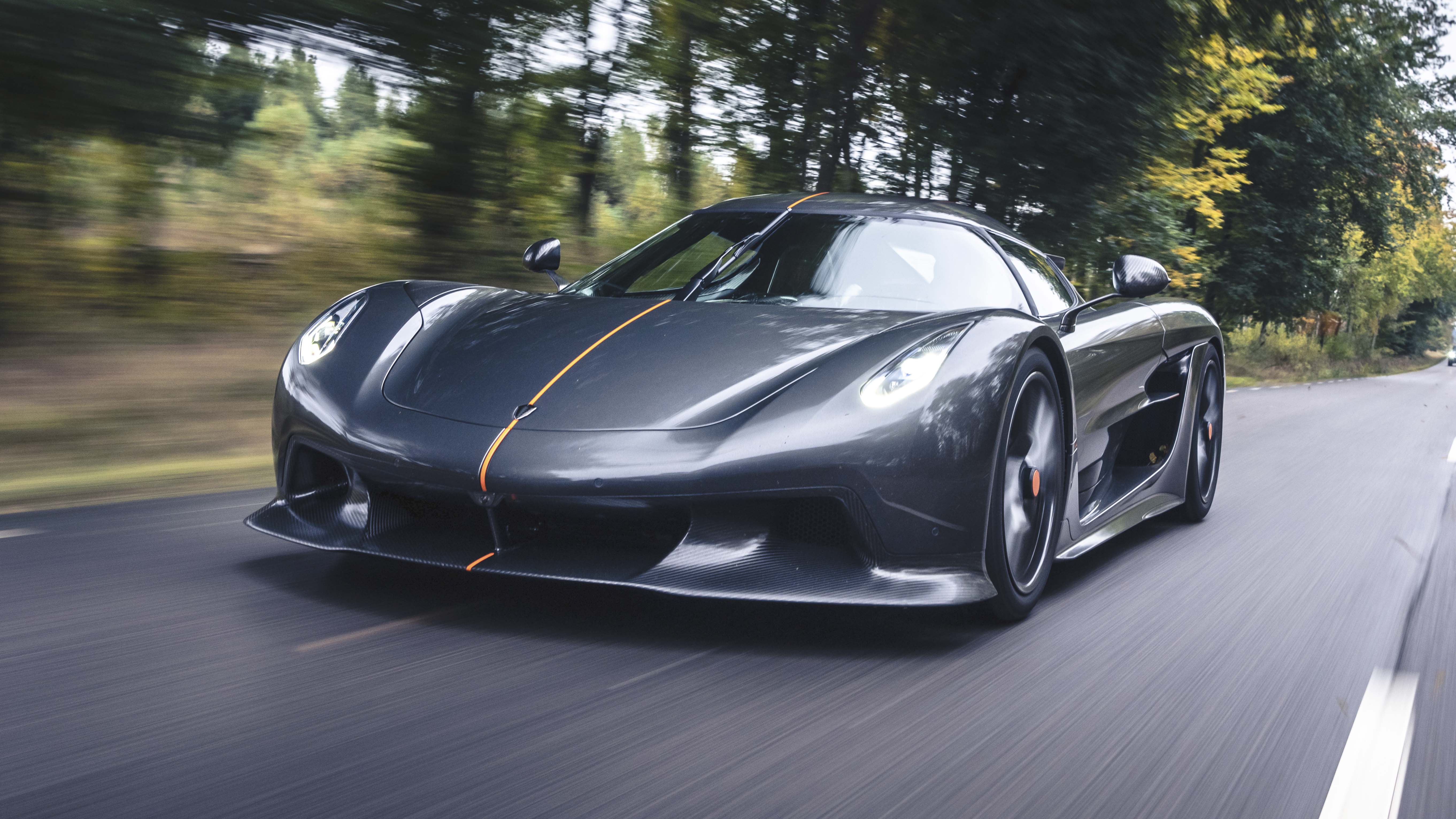
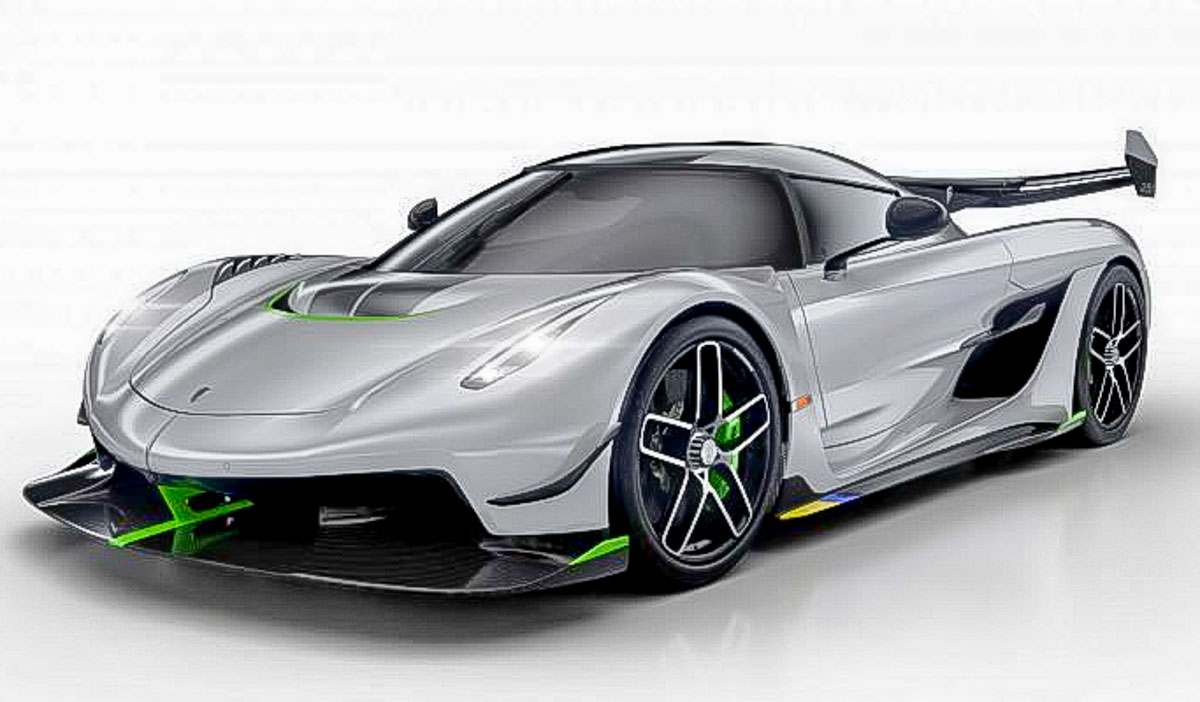
Koenigsegg engineered the Jesko Absolut to prioritize low drag and long gearing. Core technical enablers include:
- A very high-output twin-turbo V8 tuned to deliver up to around 1,600 hp on E85 fuel in the track-focused specification.
- A bespoke 9-speed Light Speed Transmission that allows very wide ratios and quick changes to stay in the torque band.
- Aerodynamic revisions on the Absolut: smoother bodywork, reduced wing and downforce elements, and optimized underbody airflow.
- Lightweight construction to maximize power-to-weight and reduce rolling resistance.
- High-speed-capable tires and specially developed wheels to handle extreme rotation speeds.
These combined systems are why the top speed of the Koenigsegg Jesko Absolut is theoretically so high. The transmission allows efficient use of power at extreme rpm, while low drag shapes let more of that power translate into forward motion.
Real-world limits to verifying the top speed of the Koenigsegg Jesko
Estimates are one thing; measured runs are another. Several practical limits slow or prevent confirmation of the top speed of the Koenigsegg Jesko:
- Track length and safety: many venues cannot provide the long, straight runs needed to accelerate safely to 300+ mph and slow down again.
- Tire ratings: most commercially available tires are not rated or certified for sustained 300+ mph operation.
- Road and weather conditions: wind, surface quality, and temperature significantly affect top-speed attempts.
- Legal and logistical issues: closed roads or airfields need approvals and support teams.
- Stability and cooling: at extreme speed, small vibrations or overheating can force runs to be aborted.
I’ve observed that even with engineering confidence, manufacturers often refrain from public, extreme-speed runs unless conditions and equipment guarantee safety and reproducibility. That caution applies to the top speed of the Koenigsegg Jesko.

What owning or driving a car capable of such speed actually means
Most Jesko owners will never approach the car’s theoretical top speed. Practical ownership considerations include:
- Maintenance and service: high-output engines and exotic drivetrains need expert care and rare parts.
- Tire choice and replacement: owners must choose tires with appropriate speed ratings and replace them more frequently.
- Insurance and storage: the value and performance of such cars raise insurance and security needs.
- Track days vs road use: owners should use dedicated tracks to explore performance safely.
From my experience talking to owners and engineers, the thrill of such a car is in acceleration, handling, and engineering, not just top speed. The top speed of the Koenigsegg Jesko is a headline figure. But day-to-day enjoyment comes from its responsiveness and precision on road and track.
Practical tips if you want to see or test the top speed of the Koenigsegg Jesko
If you aim to experience the limits safely, follow these steps:
- Choose a properly sanctioned, long runway or closed oval with safety crews.
- Use tires and wheels rated for the target speed and confirmed by the manufacturer.
- Bring a professional driver with high-speed testing experience.
- Ensure full telemetry, GPS validation, and independent timing to verify runs.
- Plan for contingency: cooling systems, spares, and emergency services.
These measures reduce risk and improve the credibility of any measured top-speed result. If you ever coordinate such a test, clear documentation and independent observers matter a lot.

Frequently Asked Questions of What is the top speed of the Koenigsegg Jesko?
What is the top speed of the Koenigsegg Jesko Absolut?
The Jesko Absolut is estimated to reach around 300–330 mph based on simulations and gearing. No independent, fully documented run has publicly confirmed a single maximum speed.
How does the Jesko’s top speed compare to other hypercars?
Estimated top speeds put the Jesko Absolut among the fastest theoretical hypercars, competing with models that also claim 250–300+ mph potential. Direct, verified comparisons are rare due to testing constraints.
Has the Jesko been tested at its top speed?
Koenigsegg has conducted modeling and controlled tests but has not released a widely verified 300+ mph public run. Many tests remain limited by track, tire, or safety factors.
Why is the Jesko’s top speed only an estimate?
Estimating relies on engine power, drag, and gearing. Real-world runs require long, safe test venues and tires rated for extreme speeds, which are hard to arrange and verify.
Will an owner ever legally drive at the top speed?
No public roads allow such speeds legally. Owners seeking full-speed runs must use closed, sanctioned facilities with professional support and permits.
Conclusion
The top speed of the Koenigsegg Jesko, especially the Absolut variant, is a bold technical target estimated around 300–330 mph. That figure comes from careful engineering, power, and aerodynamics rather than a single, widely published record. Understanding the difference between theoretical and proven top speed helps set realistic expectations for enthusiasts and owners.
If you love hypercars, use this knowledge to ask the right questions: confirm tire ratings, verify test conditions, and value engineering over headline numbers. If you found this helpful, leave a comment, subscribe for deeper technical breakdowns, or share your thoughts on what top-speed pursuit means for modern hypercars.