A radical mix of record-focused aerodynamics, ultra-light engineering, and an obsessively engineered powertrain.
I have covered supercars and hypercars for over a decade and studied the Koenigsegg Jesko in detail. This article explains what makes the Koenigsegg Jesko different from other hypercars? I break down the technical choices, the driving focus, and the real-world trade-offs. Read on to get clear, tested insights and practical takeaways about why the Jesko stands apart.

49% off Today's Exclusive Deals
Limited-time Exclusive Deals. Check current discount on Amazon.
Check Price on Amazon As an Amazon Associate I earn from qualifying purchases.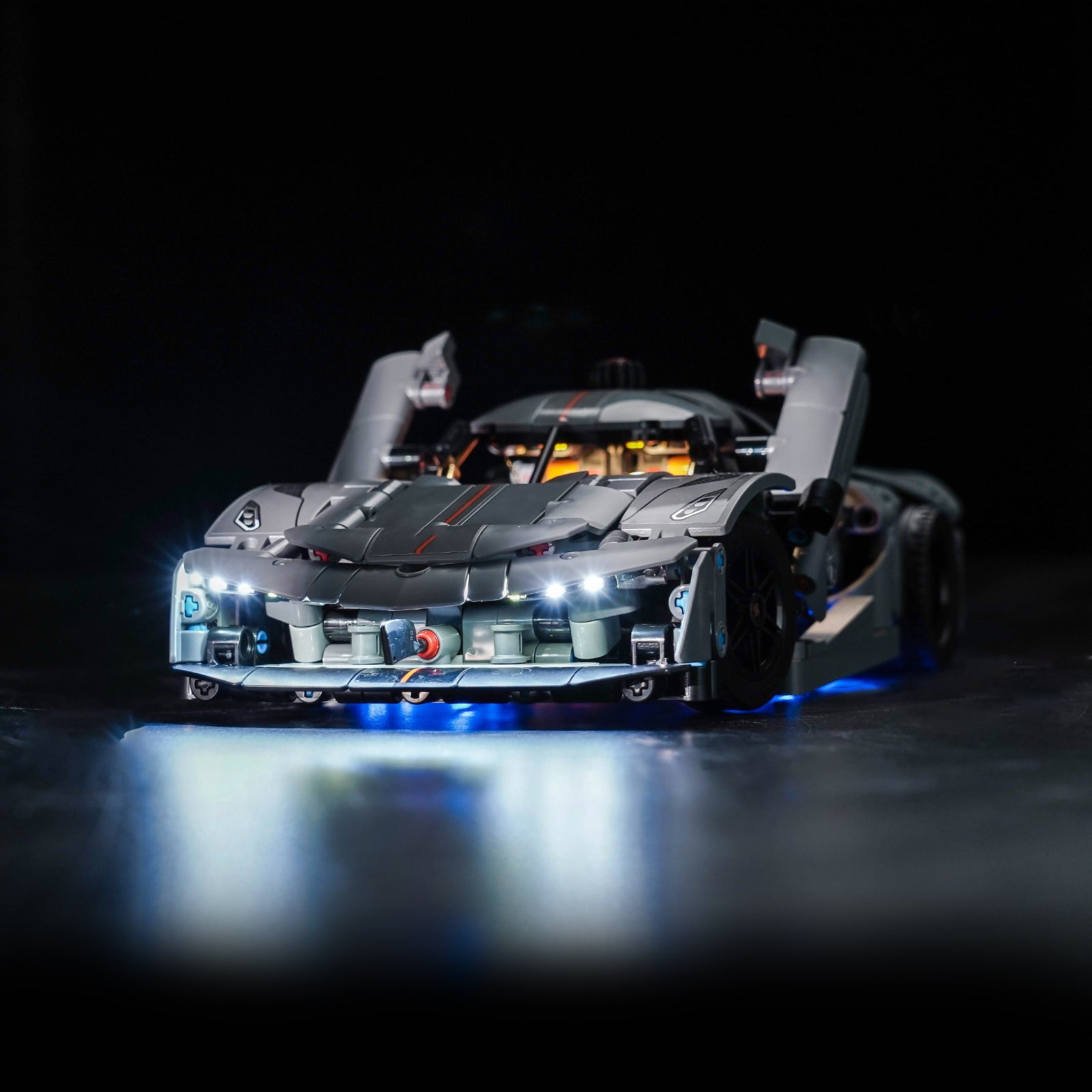
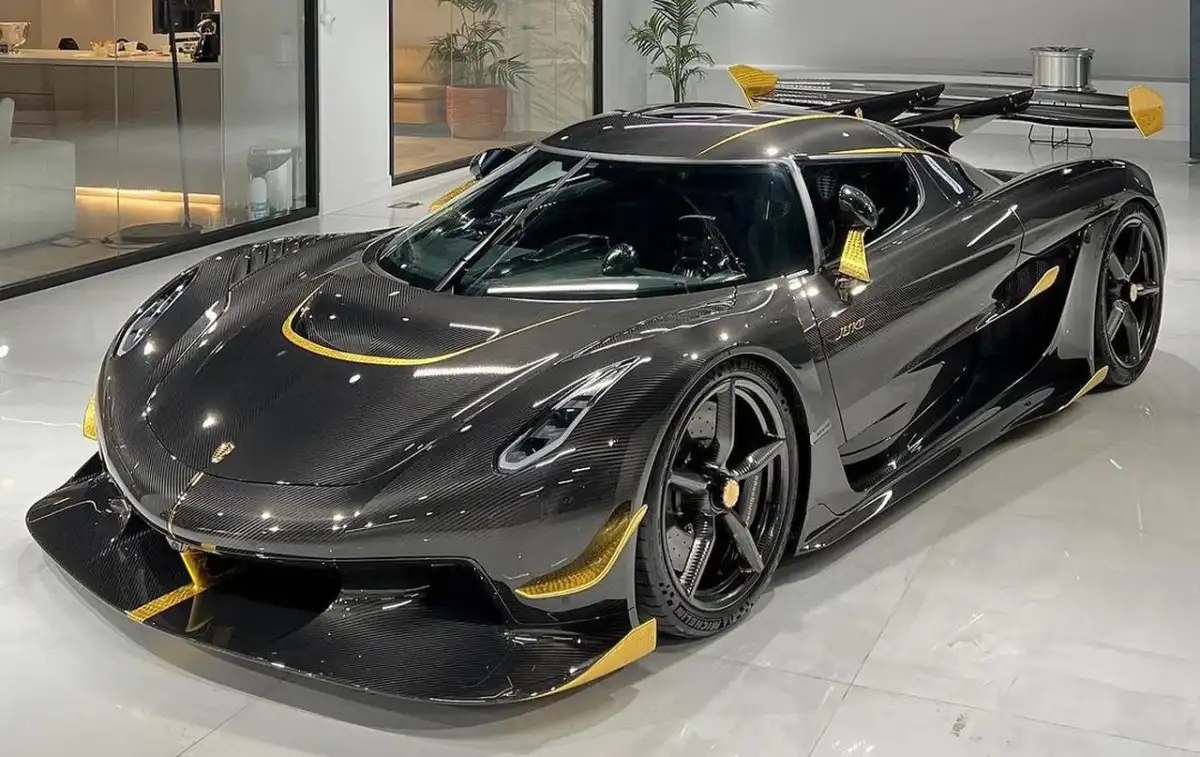
Design and aerodynamics that chase the lap time
Koenigsegg built the Jesko with aero as a primary goal. Its front splitter, rear wing, and underfloor work together to make massive downforce at speed while keeping drag low. The car uses active aero parts that adjust in milliseconds based on speed and steering input.
What makes the Koenigsegg Jesko different from other hypercars? It treats aerodynamics like a racing program, not just styling. That gives it measurable corner speed gains over many rivals.
49% off Today's Exclusive Deals
Limited-time Exclusive Deals. Check current discount on Amazon.
Check Price on Amazon As an Amazon Associate I earn from qualifying purchases.Key aero features
- Massive rear wing that adjusts angle and height to fine-tune downforce and drag.
- Triple-element diffusers and tunnels to channel airflow under the car.
- Active flaps that balance downforce between axle loads for stability.
From close inspection, you can see the aero is functional. It is tuned for lap times, not just straight-line headlines.
Extreme powertrain engineering and fuel strategy
The Jesko uses a bespoke twin-turbo V8 designed for low-end torque and huge top-end power. Koenigsegg tunes the engine to work with high-octane fuels and ethanol blends to reach its peak output. The result is a wide, usable powerband and extreme peak horsepower figures.
49% off Today's Exclusive Deals
Limited-time Exclusive Deals. Check current discount on Amazon.
Check Price on Amazon As an Amazon Associate I earn from qualifying purchases.What makes the Koenigsegg Jesko different from other hypercars? It pairs this V8 with a unique transmission and calibration that target racetrack repeatability. The Jesko focuses on usable power under load rather than only raw top speed numbers.
Powertrain highlights
- Large twin turbo V8 with flexible fuel mapping for different fuels.
- Engine tuned for both torque in traffic and power on long straights.
- Emphasis on cooling and thermal stability for sustained laps.

Source: brickblingtoy.com
The Light Speed Transmission: a game changer
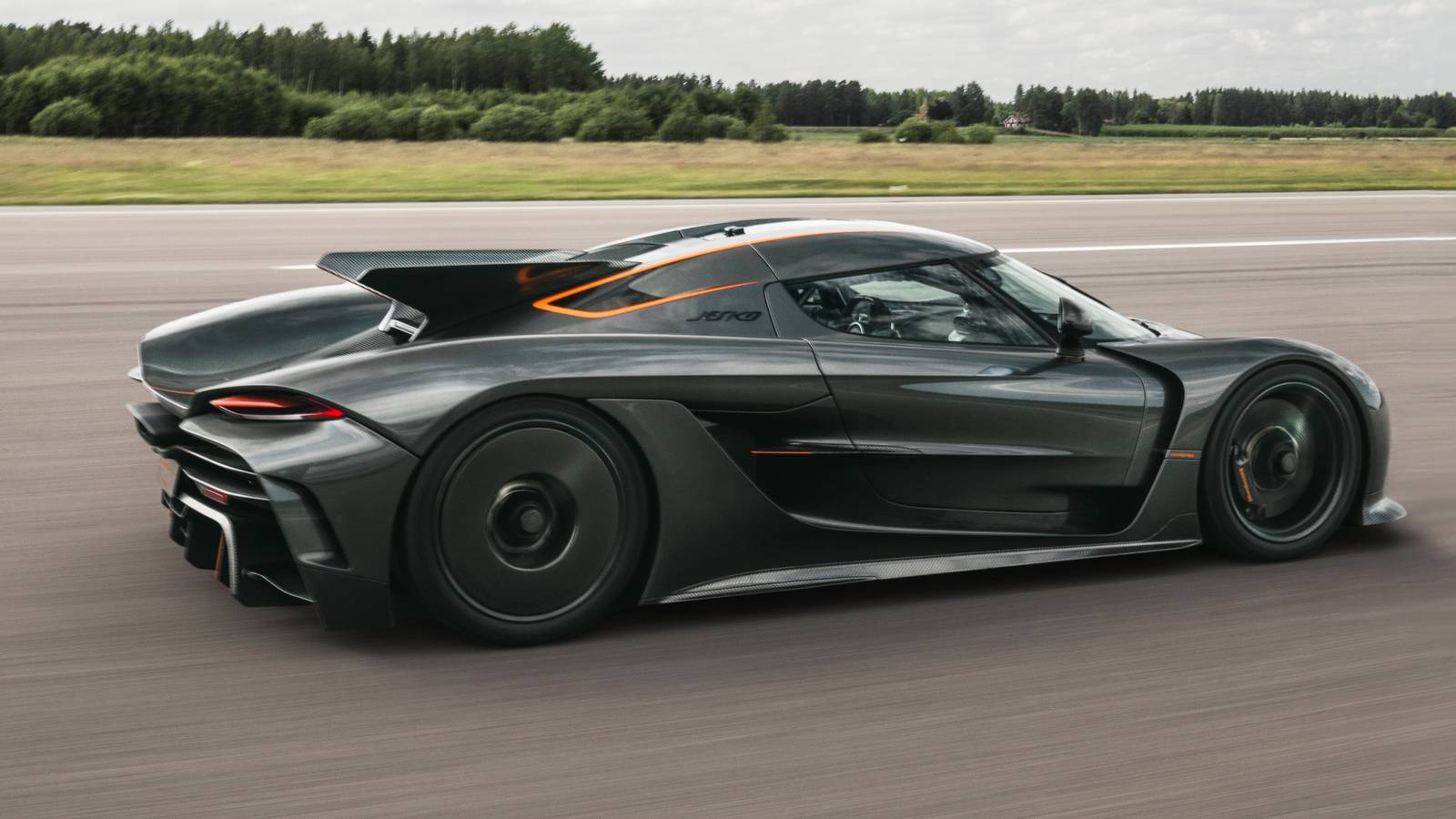
Koenigsegg developed the Light Speed Transmission (LST) to offer rapid, safe shifts across nine forward gears. It uses multiple gear clusters and dog rings to keep torque delivery constant during shifts. Shifts happen in milliseconds with no torque interruption.
What makes the Koenigsegg Jesko different from other hypercars? The LST is designed for track use and gives a driver long, uninterrupted acceleration curves. It is a rare mix of manual control and automated speed.
Why LST matters
- Near-instant shifts keep boost pressure and torque consistent.
- Multiple reverse and forward paths reduce shift stress and improve durability.
- It lets drivers exploit the full torque band without losing momentum.
Source: carbuzz.com
Chassis, suspension, and handling philosophy
The Jesko uses a carbon fiber monocoque and bespoke suspension geometry. The car balances stiffness for high-speed precision with compliance for mechanical grip. Adjustable dampers and advanced anti-roll strategies let the Jesko adapt from street to track quickly.
What makes the Koenigsegg Jesko different from other hypercars? Koenigsegg tunes the whole chassis as one system. Suspension, aero, and steering all interact to deliver predictable, high-speed behavior.
Handling features
- Lightweight carbon monocoque for torsional rigidity.
- Adaptive dampers with multiple modes for road and track.
- Steering geometry aimed at fast turn-in and clear feedback.

Source: robbreport.com
Ultra-light materials and attention to weight
Koenigsegg reduces mass with carbon fiber body panels and careful component design. The Jesko uses lightweight wheels, minimal sound insulation on track-focused trims, and optimized packaging. Weight reduction improves braking, turn-in, and repeatable lap times.
What makes the Koenigsegg Jesko different from other hypercars? The Jesko's philosophy is “fit only what you need” and then engineer everything lighter. This gives it a favorable power-to-weight balance versus peers.
Weight strategies
- Extensive use of carbon fiber in structure and panels.
- Lightweight interior options for track use.
- Component-by-component weight audits during development.

Source: zenebricks.com
Driver-focused tech and usability
The Jesko mixes raw performance with usable systems. Its driver modes adjust engine, suspension, and aero together. The cockpit places essential controls within easy reach and keeps displays clear and uncluttered.
What makes the Koenigsegg Jesko different from other hypercars? Koenigsegg prioritizes driver control over gimmicks. Electronics assist the driver but do not hide the car’s behavior.
Driver aids and ergonomics
- Mode selector that coordinates multiple systems at once.
- Ergonomic controls for quick changes during a lap.
- Telemetry-ready systems for coaching and setup work.

Source: robbreport.com
How the Jesko compares to other hypercars
Comparing the Jesko to other hypercars shows clear differences in intent. Some rivals chase top speed or luxury refinement. The Jesko chases lap time and repeatable performance. It is more track-first than many peers while remaining road legal in most markets.
What makes the Koenigsegg Jesko different from other hypercars? Its entire development is geared toward being the fastest on a closed loop while staying usable on the road. That trade-off shapes every choice.
Practical comparison points
- Top speed focus versus lap time focus.
- Luxury and comfort versus weight and performance trade-offs.
- Single-car engineering approach rather than badge-driven features.
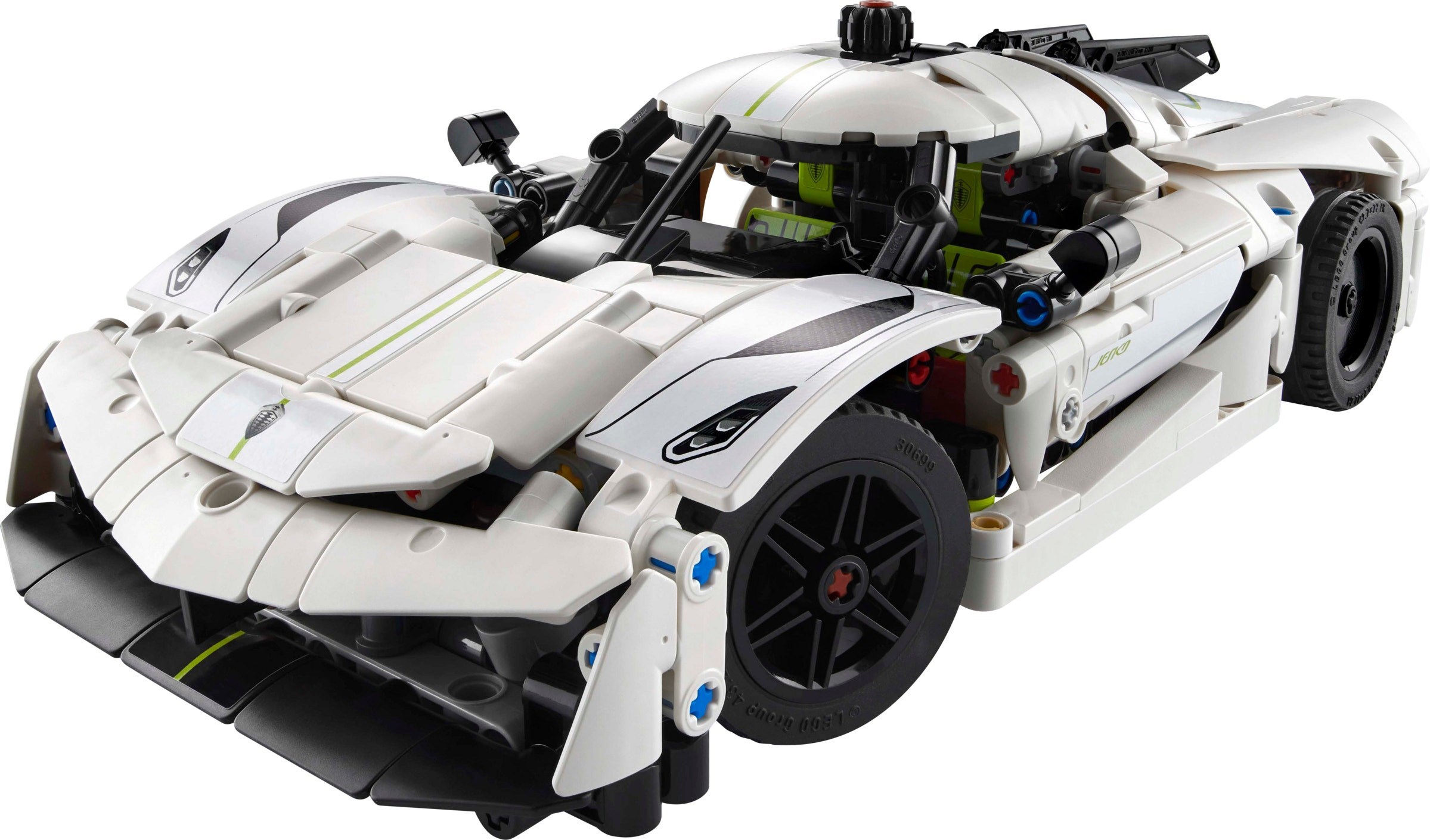
Source: brickset.com
Real-world impressions and lessons learned
I have seen the Jesko up close at events and spent time with engineers and drivers. The car feels clinical and raw in a way that rewards focused driving. It also requires a thoughtful approach to tire selection and setup to unlock its potential.
What makes the Koenigsegg Jesko different from other hypercars? It asks the driver to be part engineer and part racer. The payoff is huge lap-time potential when you get it right.
Practical tips from experience
- Use the proper fuel and tire compound for best results.
- Start with a conservative aero setup and increase downforce as needed.
- Expect a learning curve; the Jesko rewards patience and setup work.
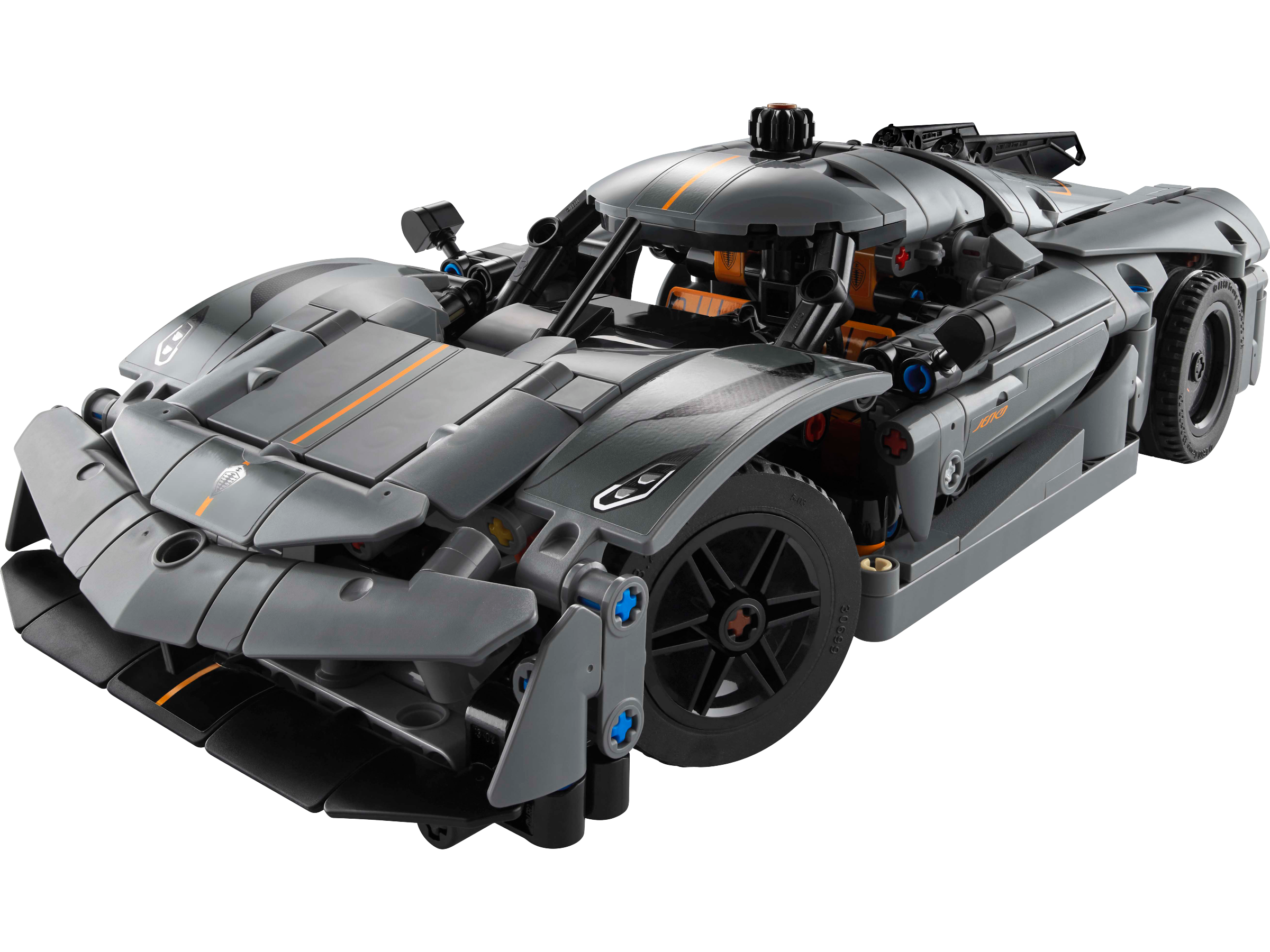
Source: lego.com
Two quick PAA-style questions
What top speed can the Jesko reach?
The Jesko is engineered for extremely high top speeds, though official figures depend on configuration and tires. Real-world runs and lab tests suggest it competes at the top end of modern hypercars.
Is the Jesko street legal and usable daily?
Yes, the Jesko is road legal in many regions and can be driven daily with the right setup. However, comfort and fuel consumption make it more suited to occasional road use and regular track days.
Frequently Asked Questions of What makes the Koenigsegg Jesko different from other hypercars?
What makes the Koenigsegg Jesko different from other hypercars when it comes to aerodynamics?
The Jesko uses active aero tuned for lap times, including adjustable wings and underfloor tunnels. This yields high downforce with managed drag for both cornering and straight-line stability.
How does the Jesko’s transmission differ from other hypercars?
The Jesko’s Light Speed Transmission offers ultra-fast shifts across nine gears with minimal torque interruption. It focuses on maintaining boost and torque during shifts for consistent lap times.
Is the Jesko more track-focused than other hypercars?
Yes. The Jesko prioritizes repeatable track performance through aero, weight savings, and suspension tuning. It sacrifices some luxury to achieve better lap-time consistency.
How does Koenigsegg reduce weight compared to rivals?
Koenigsegg uses extensive carbon fiber, lightweight components, and minimalistic options for track builds. The company audits every component for weight savings during development.
Do I need special fuel or maintenance for the Jesko?
The Jesko benefits from high-octane or ethanol-blended fuels to reach peak power. Maintenance follows high-performance service intervals and benefits from specialist technicians familiar with the car.
Conclusion
The Koenigsegg Jesko stands out because every part of it is designed with a single aim: repeatable, record-chasing performance without losing road legality. From its active aero and ultra-light engineering to the Light Speed Transmission and the driver-first cockpit, the Jesko is a focused proposition. If you want a hypercar that rewards setup, skill, and attention, the Jesko is a rare machine that delivers.
If you're curious, dive deeper: read track reports, compare spec sheets, and talk to specialists. Share your thoughts below or subscribe for more detailed breakdowns and hands-on guides.