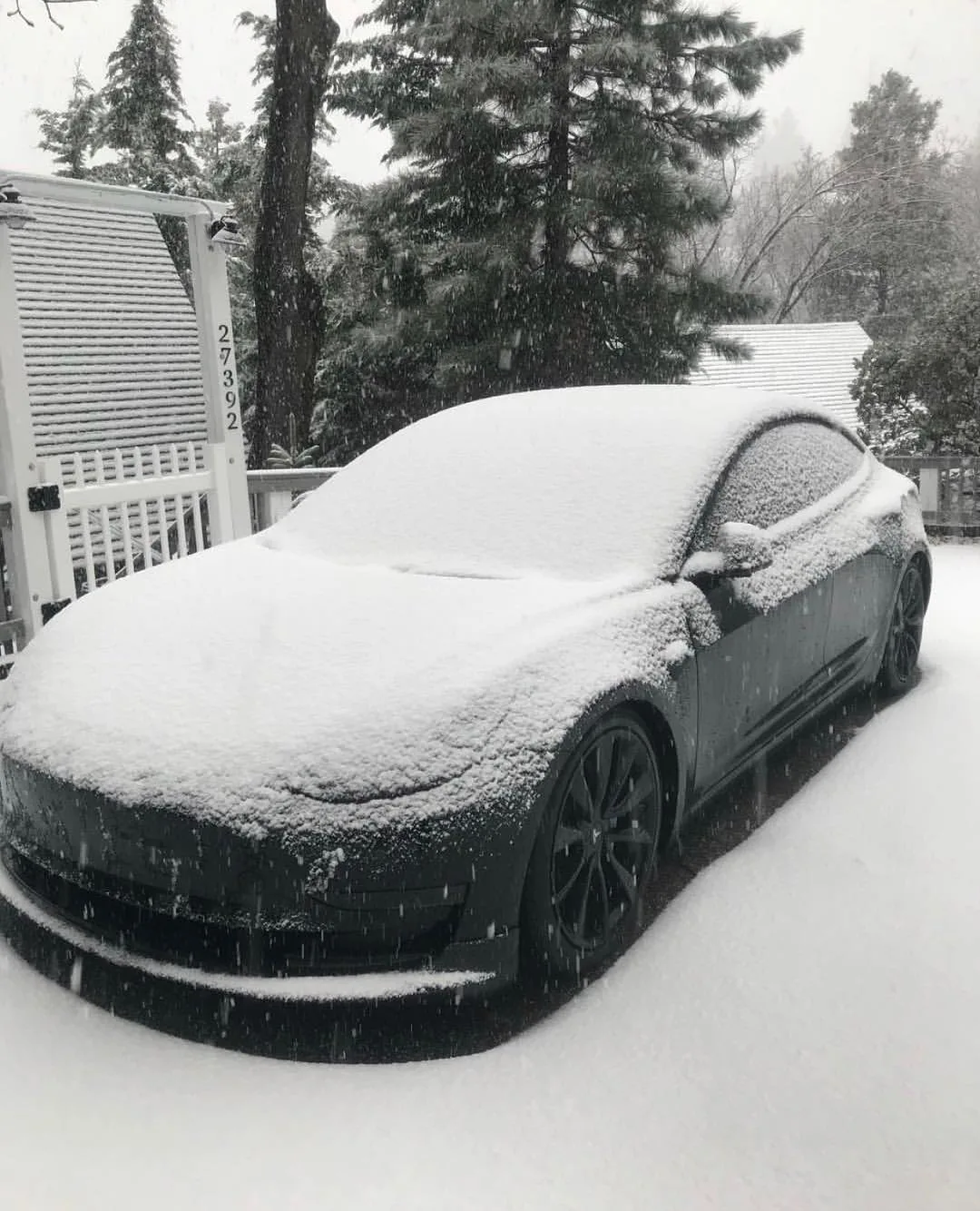
A Tesla Model 3 heater not working is one of the most common winter complaints among EV owners. If you're sitting in a cold cabin right now, know that you're not alone. The cause is usually one of three things: a low battery, a frozen software state, or a failed hardware component.
Your next step depends on which one you're facing.

49% off Today's Exclusive Deals
Limited-time Exclusive Deals. Check current discount on Amazon.
Check Price on Amazon As an Amazon Associate I earn from qualifying purchases.The Model 3 uses two very different heating systems depending on model year. Cars built before 2021 use a PTC resistive heater, while the 2021 refresh introduced a heat pump. As of 2026, most vehicles on the road are heat pump models.
That matters because each system fails differently and requires a different fix.
49% off Today's Exclusive Deals
Limited-time Exclusive Deals. Check current discount on Amazon.
Check Price on Amazon As an Amazon Associate I earn from qualifying purchases.Image source: Bing (Web (fair-use with source credit))
The 30-Second Answer: Is This a Glitch, a Battery Issue, or a Hardware Failure?
Start with the battery. If it's below 20%, the car limits cabin heat to preserve range. Charge to 30% and see if heat returns.
Next, toggle climate off and on in the Tesla app. Then reboot the touchscreen by holding both scroll wheels until the Tesla logo appears. If cold air persists, you're looking at a hardware fault.
Per manufacturer documentation, Tesla ties cabin climate into the high-voltage battery's thermal management system. That means the heater won't run if the battery is too cold, too low, or stuck under a software error. Most no-heat cases fall into one of those three buckets.
49% off Today's Exclusive Deals
Limited-time Exclusive Deals. Check current discount on Amazon.
Check Price on Amazon As an Amazon Associate I earn from qualifying purchases.Model Year and Heat Source: Why a 2020 and a 2023 Model 3 Fail Differently
Knowing your heater type is the single most important diagnostic clue.
Pre-2021 cars use a PTC resistive heater. Think of a giant ceramic space heater. Current flows through an element, and the blower pushes air over it.
It is simple, reliable, and inefficient. When it dies, it usually dies all at once. You get ice-cold air, even with the temperature set to 80°F.
Starting in 2021, Tesla switched to a heat pump. This system pulls heat from outside air, the battery, and the drive unit through a compressor and refrigerant loop. It uses far less energy in mild cold, but it has more parts to go wrong.
It also weakens below about -10°F (-23°C), which matters in northern states and Canada.
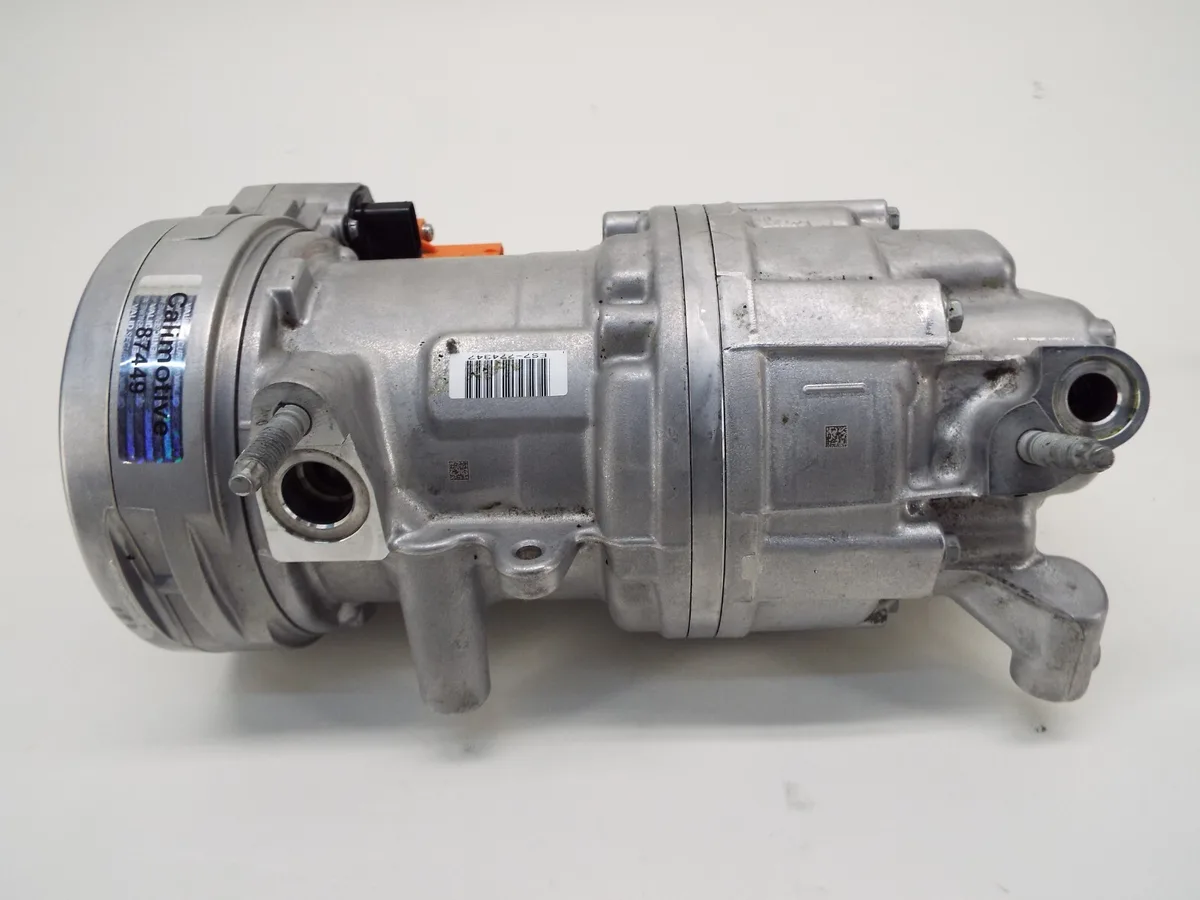
Image source: Bing (Web (fair-use with source credit))
| | Pre-2021 (PTC) | 2021+ (Heat Pump) | | Heat source | Electric resistance element | Compressor and refrigerant | | Typical power draw | Up to 6 kW | 2 to 4 kW | | Common failure | Element burnout | Refrigerant leak, stuck valve | | Repair feel | Sudden dead heat | Low heat, noise, frost |
Both systems are integrated with battery thermal management. Unlike a gas car, there's no engine coolant to draw warmth from. Conventional heater troubleshooting assumes you can flush a heater core or replace a thermostat.
That approach won't help you here.
Diagnostic Tree: Trace Your Exact Symptom to the Likely Cause
Work from the cheapest explanation to the most expensive. Start with your exact situation.
- Fan runs but air is cold. Check battery level and app toggles first. This is usually a protection limit or a software freeze.
- Fan won't blow at all. Check the cabin filter and blower motor. A clogged filter is a common culprit.
- Lukewarm on the highway, cold at idle. The heat pump compressor may not be cycling properly.
- Metallic clicking from under the hood. This points to a refrigerant valve or compressor chatter.
- App shows "HVAC system requires service." Skip the DIY fixes and schedule service.
| Symptom | Likely Cause | Next Step | | No heat, fan runs | Low battery or software freeze | Charge, reboot | | No fan at all | Clogged filter or blower fault | Replace filter | | Lukewarm at speed, cold at idle | Heat pump compressor | Service appointment | | Clicking under front trunk | Refrigerant valve | Service appointment | | App error message | Hardware fault | Book Tesla service |
The compressor in a Model 3 works like the compressor in an AC system that blows warm air. The diagnostic logic is similar, but the repair path is different.
Step-by-Step Resets and Checks You Can Do Right Now
Start with the easiest fixes first. Work top to bottom.
Image source: Bing (Web (fair-use with source credit))
- Toggle climate in the Tesla app. Turn it off, wait ten seconds, then switch it back on. Set the temperature to 72°F.
- Reboot the touchscreen. Hold both scroll wheels until the Tesla logo appears. Wait two minutes.
- Power off the car. Tap Controls, then Safety, then Power Off. Wait two minutes, then press the brake pedal.
- Plug in if you're below 30%. Low battery charge directly limits heater output.
- Check the cabin filter. It sits behind the passenger-side under-dash panel. Replace it if it's clogged.
Most cold-air cases clear after step 1 or 2. If you still have no heat, the issue is mechanical or electrical. A dead blower can feel like a fan motor that stopped turning, but the fix is rarely the same.
When It's Hardware: Common Faults, Error Codes, and Repair Costs
Sometimes the heater is genuinely dead and no reset will bring it back.
In pre-2021 cars, the PTC element can burn out like a blown fuse. The repair means replacing the heater assembly. Heat pump cars fail differently.
Common faults include refrigerant leaks, a stuck high-voltage coolant valve, and a failed compressor. A failing compressor often clicks. A refrigerant leak leaves frost on a line under the hood.
| Fault | Typical Symptom | Estimated Cost Out of Warranty | | PTC heater element burnout | Cold air, no errors | $800 to $1,500 | | Heat pump compressor failure | Clicking, weak heat | $1,500 to $2,500 | | Refrigerant leak | Frost on lines, lukewarm air | $400 to $1,000 | | Stuck coolant valve | No heat on one side | $200 to $600 |
These are owner-reported estimates based on parts pricing and service invoices. Tesla's 8-year, 100,000-mile warranty covers the battery and drive unit. Many owners report thermal repairs covered under that policy.
Confirm with your service center before paying anything.
Don't open the coolant loop yourself. This is not a coolant leak in a gas engine where you can top off and drive. This system is sealed, pressurized, and tied into high-voltage components.
It needs certified equipment.
Mistakes That Make It Worse (or Waste Your Money)
Some well-meaning fixes cause more harm than the original fault.
Don't force cabin heat at very low battery. The car limits power to protect the pack. Stressing a cold, nearly empty battery can shorten its lifespan.
Charge first, then worry about comfort.
Don't reboot endlessly. Two resets are enough. If no heat appears after that, the problem is hardware.
Keep rebooting and you're just draining the 12-volt battery.
Don't service the refrigerant loop yourself. It's a high-pressure system that requires a certified recovery machine. DIY recharges often damage the compressor and void the warranty.
If you hear a noisy compressor or see frost, leave it to Tesla.
Don't follow gas-car heater advice. There's no coolant flush, no heater core valve, and no thermostat swap. Those steps don't apply to an EV.
Stick to Tesla-specific troubleshooting.
Should You DIY, Call Mobile Service, or Book a Service Center?
Choose based on the branch you traced earlier. Software, battery, and filters are DIY territory. Anything involving refrigerant, coolant, or high-voltage parts needs a professional.
| Situation | Best Option | Why | | Frozen touchscreen | DIY reboot | Clears in minutes | | Battery below 20% | Charge first | System restores itself | | Weak airflow | DIY filter change | No special tools | | Clicking or frost lines | Service center | High-voltage and refrigerant | | Heat pump low output | Mobile service | Often a sensor or software fix |
Mobile service can handle coolant valve checks and some software updates in your driveway. The service center handles refrigerant leaks, compressor failures, and PTC element burnout. If your car is under warranty, book service early.
Delaying a small leak can turn a cheap fix into an expensive one.
As of 2026, most owners report that mobile service appointments include a diagnostics fee or are fully covered by warranty. Ask what's covered before authorizing any repair.
Frequently Asked Questions
Why does my Tesla Model 3 blow cold air when the heater is on?
The most common causes are a low battery below 20%, a frozen software state, or a hardware fault like a failed heat pump compressor. Start by checking your battery percentage in the app. Then reboot the touchscreen using both scroll wheels.
If cold air persists, book a service visit.
How do I reset the climate system on a Tesla Model 3?
Tap Controls, then Safety, then Power Off. Wait two minutes and press the brake. You can also hold both steering wheel scroll buttons until the Tesla logo appears.
This clears infotainment glitches that often stop the heater from turning on.
Can a low battery cause the heater to stop working?
Yes. When the battery drops below 20%, the system reduces climate output to preserve range. In freezing weather, it can disable cabin heating entirely.
Plug in and charge to at least 30%, and the heater should return automatically.
How much does it cost to fix a Tesla Model 3 heater?
Out of warranty, a PTC heater replacement runs $800 to $1,500. Heat pump compressor failures cost $1,500 to $2,500. Refrigerant leaks are lighter, around $400 to $1,000.
Many thermal repairs are covered under the 8-year battery and drive unit warranty, so check that first.
Is the heater covered under Tesla's warranty?
Usually yes. The battery and drive unit warranty covers the thermal management system for 8 years or 100,000 miles, whichever comes first. This includes the heat pump and coolant valves on most cars.
Confirm with your local Tesla service center, because coverage can vary by model year.