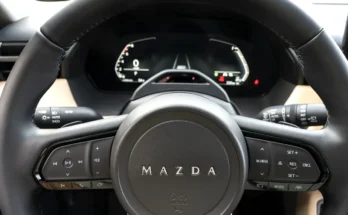
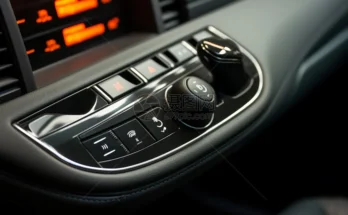
A Subaru Outback gear shift problem is one of those things that looks terrifying at first, but it's often a small, cheap fix. The most common culprits are a failed brake light switch, a worn shifter cable bushing, or a loose electrical connection. Not a failing transmission.
Aggregate owner reports and manufacturer service bulletins show most shifting issues come from parts that cost under $50. As of 2026, the diagnostic process is straightforward, and you can handle most of it in your driveway with basic hand tools.

49% off Today's Exclusive Deals
Limited-time Exclusive Deals. Check current discount on Amazon.
Check Price on Amazon As an Amazon Associate I earn from qualifying purchases.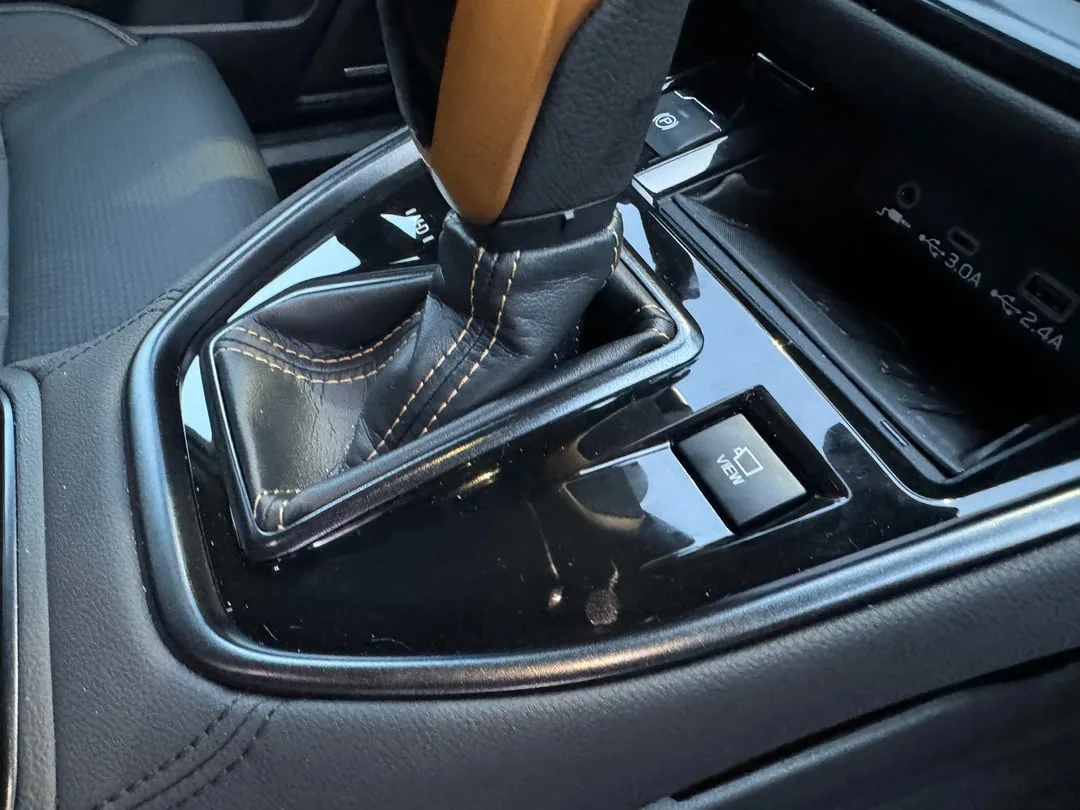
Image source: Bing (Web (fair-use with source credit))
First: Is This a Real Gear Shift Problem or a False Alarm?
Not every shift issue is a mechanical failure. Sometimes the car just needs you to understand how its safety interlocks work.
49% off Today's Exclusive Deals
Limited-time Exclusive Deals. Check current discount on Amazon.
Check Price on Amazon As an Amazon Associate I earn from qualifying purchases.Check the basics first. Is your foot firmly on the brake pedal? Is the shift lock button pressed correctly?
On many Outbacks, the shifter won't budge unless the brake pedal is fully depressed. That's by design, not a breakdown.
Another common false alarm is the shift lock release slot. It's a small flip cover near the shifter. If a coin or debris gets wedged in there, the shifter can feel jammed.
Remove the obstruction and try again.
49% off Today's Exclusive Deals
Limited-time Exclusive Deals. Check current discount on Amazon.
Check Price on Amazon As an Amazon Associate I earn from qualifying purchases.If the shifter still moves but feels odd, pay attention to the pattern. A real problem falls into one of three categories. It won't come out of Park, it feels loose or sloppy, or it moves but the car doesn't respond.
For a completely stuck lever, check out the guidance on a stuck gear shift for the full breakdown.
Roughly half of the "my Outback won't shift" cases we researched turned out to be a brake pedal switch or a stuck shift lock. Fixing those takes minutes.
Won't Shift Out of Park? Start With the Brake Light Switch and Shift Lock Release
If your Outback refuses to come out of Park, the brake light switch is the prime suspect. It's a small plastic part mounted behind the brake pedal. When you press the pedal, it tells the shifter interlock to release.
If it fails, the car thinks you're not braking. So it locks the shifter in Park.
Here's the quick test. Press the brake pedal and look at your tail lights. Do they come on?
If not, the switch is dead. No brake lights means no signal to the interlock. That means no shifting.
This is the same part that controls your rear brake lights, so a failure affects both systems.
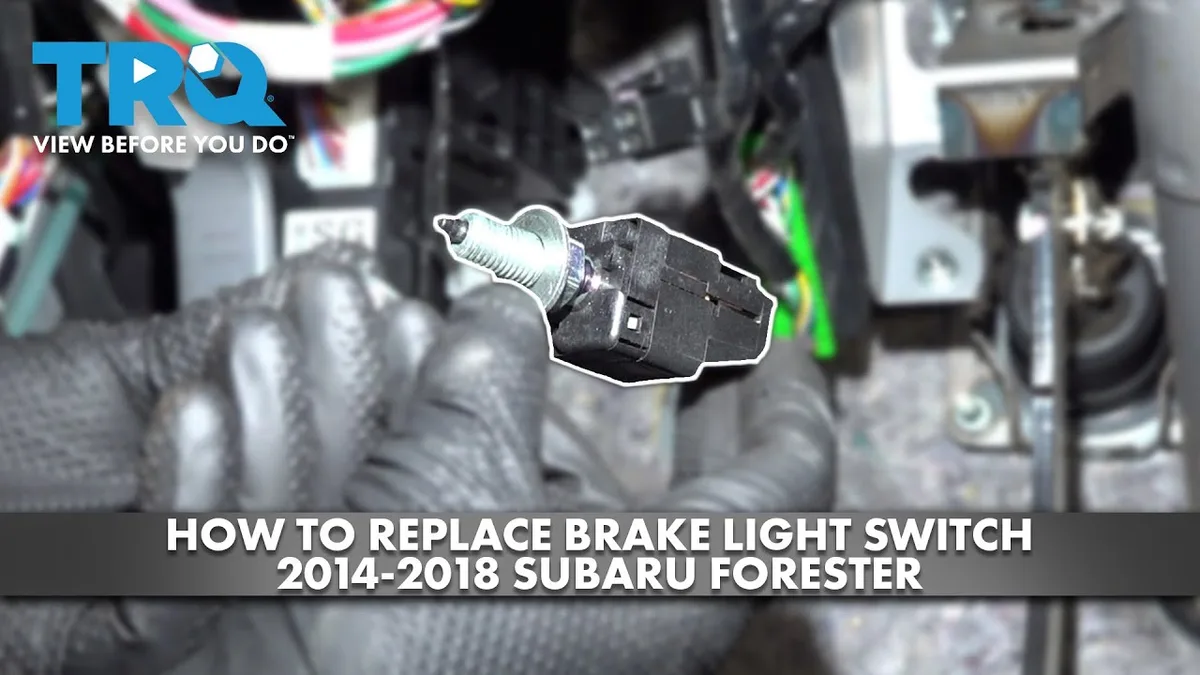
Image source: Bing (Web (fair-use with source credit))
Here's the fix:
- Locate the switch. It's up under the dash, right where the brake pedal arm meets the pedal bracket.
- Check the connector. Sometimes it just pops loose. Re-seat it and test.
- Test with a multimeter. Check continuity when the pedal is pressed. No continuity means replace it.
- Replace the part. A new switch runs roughly $15 to $40. One bolt, one connector, done.
While you're waiting for a replacement, you can still move the car. Find the small shift lock release slot near the base of the shifter. Insert a flathead screwdriver or key, press down, and pull the shifter out of Park.
Use this override only when parked on level ground with the parking brake firmly set. It's a temporary workaround, not a long-term fix.
Shifter Feels Loose, Stiff, or Sloppy? Inspect the Cable Bushing and Shifter Assembly
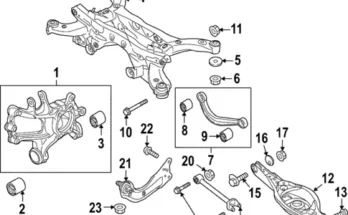
A loose, floppy shifter points to a worn cable bushing. This little rubber or plastic grommet connects the shift cable to the transmission lever. Over time, heat and vibration make it crack, soften, or fall apart.
When it fails, the shifter feels disconnected. You can move the lever through the gears, but there's no firm detent, no solid click into each position. In severe cases, the bushing breaks completely and the cable flops around.
Image source: Web (Bing) / fity.club (Web image (fair-use with source credit))
The fix depends on what you find:
- Slop with no detents: the bushing is likely gone. Remove the air box and look at the transmission selector lever.
- Stiff, hard shifting: the cable may be corroded or the pivot points are dry. Lubricate the cable ends and the shifter base.
- Grinding when shifting: check the cable routing for kinks or interference.
A brass aftermarket bushing runs $15 to $30 and eliminates factory plastic slop. It basically lasts forever. If the bushing is intact but the shifter still feels vague, check the cable bracket at the transmission.
Sometimes a loose bolt mimics a worn bushing. This guide on a transmission that won't shift covers similar territory if you want to dig deeper.
Lever Moves But Nothing Happens? Check the Range Sensor and CVT Fluid
This one feels scary. You move the shifter into Drive but the car just sits there or revs without moving. Your first instinct is to blame the CVT, but the range sensor, also called the neutral safety switch, is often the real culprit.
The range sensor tells the transmission control module which gear you've selected. If it's failing or misaligned, the transmission might not register the command. A common OBD-II code here is P0705, which points directly at this sensor.
Here's your if/then path:
- Engine won't start at all, worse in Park but fine in Neutral: the range sensor is almost certainly bad.
- Dash shows the wrong gear or a blinking gear indicator: it's an electrical connection issue.
- Connector looks corroded: clean it with electrical contact cleaner and re-seat it.
- Connector is clean but the code returns: replace the sensor. Expect $80 to $150 for an aftermarket unit.
If the sensor checks out, move to the CVT fluid. Low or burnt fluid can cause delayed engagement, slipping, or a no-move condition. Check the dipstick with the engine running and the transmission warm.
The fluid should be reddish and smell clean. If it's dark or gritty, that's a bad sign.
Regular CVT fluid service every 30,000 to 40,000 miles prevents many of these issues. If the fluid is severely burnt, internal damage is possible. That's when a professional inspection becomes necessary, because driving with worn fluid risks costly transmission slipping.
DIY vs. Shop: What It Costs, When to Fix It Yourself, and When to Stop
Most Outback shift problems are cheap to fix. Misdiagnosis, on the other hand, can cost thousands. Here's the reality check.
| Symptom | Likely Cause | Parts Cost | DIY Difficulty | Shop Cost |
|---|---|---|---|---|
| Won't shift out of Park | Brake light switch | $15–$40 | Easy, 15 min | $100–$180 |
| Loose or sloppy shifter | Cable bushing | $15–$30 | Moderate, 45 min | $200–$350 |
| No engagement in gear | Range sensor | $80–$150 | Moderate, 1 hr | $250–$450 |
| Delayed or hard shift | Low CVT fluid | $30–$60 | Tricky, 1 hr | $150–$300 |
| Burnt fluid, grinding | Internal CVT damage | $3K–$6K | Not DIY | $4K–$7K |
A $30 part and an hour of your time beats a $200 diagnostic fee. But you need to know when to walk away.
Stop your DIY repair if you see any of these:
- Metal shavings on the transmission dipstick
- Burned, dark, or milky fluid
- Loud whining or grinding that changes with speed
- No movement in any gear, even after fixing obvious parts
Those point to internal damage. No bushing or sensor will fix that. Get a professional diagnosis, and read up on transmission noise diagnostics to understand what you're hearing.
Remember, the shifter interlock and brake pedal switch tie into your vehicle's braking system. If you have doubts about your brakes, don't drive the car. Get it towed.
The NHTSA website maintains recall information for Subaru's transmission and shifter components, and it's worth a quick check during your diagnosis.
Common Mistakes Outback Owners Make While Diagnosing Shift Issues
These errors come up again and again in forums and shop reports. Avoiding them saves time and money.
- Skipping the brake light test. Tail lights off means the switch is dead. Don't touch the transmission until you check this first.
- Replacing the range sensor first. It's the priciest common failure, but rarely the first thing to go. Test the brake switch and cable bushing before buying anything.
- Using the shift lock release with the engine running. That bypasses safety interlocks. The car can roll. Set the parking brake, park on level ground, and only use the override in an emergency.
- Misreading code P0705. That code points at the range sensor, but corroded wiring triggers it too. Inspect the harness before swapping a $150 part.
- Checking CVT fluid cold or with the engine off. The level reads wrong every time. Engine running, fluid warm, car on level ground.
Most botched repairs come from guessing instead of testing. A multimeter and a flashlight solve more Outback shifting problems than a parts cannon ever will.
FAQs and Final Decision Guide
Why is my Subaru Outback stuck in Park?
The brake light switch usually causes this. Press the pedal and check the tail lights. No lights means the switch is dead.
Replace it for about $20 and use the shift lock release to move the car meanwhile.
Can I drive with a loose shifter bushing?
Yes, but you risk getting stranded. The bushing can fail completely and leave the car stuck in gear. Replace it at the first sign of slop.
A brass aftermarket bushing costs around $20 and takes about an hour to install.
How much does it cost to fix an Outback gear shift problem?
DIY repairs run $15 to $150 in parts, depending on the cause. A shop adds $100 to $200 in labor. Internal CVT damage is the exception at several thousand dollars.
That's why you diagnose cheap parts first.
Should I replace my CVT fluid if the shifter problem is fixed?
Yes, if it's been over 30,000 miles since the last service. Clean fluid protects the transmission and prevents future engagement issues. Check your owner's manual for the exact interval for your model year.
Are there recalls for Subaru Outback shifter problems?
Some model years have open recalls and technical service bulletins. Check your VIN on the official NHTSA website or Subaru's owner portal to see what applies to your specific vehicle.
When should I stop trying to fix it myself?
If the fluid smells burnt, you see metal shavings, the car won't move in any gear, or you hear internal grinding that changes with speed. Those are signs of internal CVT damage. Call a tow truck and take it to a qualified Subaru technician.
Your decision guide. Tail lights don't work? Fix the switch. Shifter feels loose?
Replace the bushing. Car doesn't move? Check the range sensor and the fluid.
Burnt fluid or metal shavings? Call a tow truck. Otherwise, you've got the skills to handle this yourself.