If your Hyundai Tucson engine is overheating, pull over as soon as you safely can. Continuing to drive a few blocks can turn a $50 fix into a $3,000 repair. The moment the temperature needle climbs past its normal position, your engine is at risk.
Manufacturer specifications put normal operating temperature for most Tucson engines at 190 to 220 degrees Fahrenheit. When the needle pushes beyond that, or the warning light flashes, you're in the danger zone. Let's walk through what's happening under the hood and how to fix it.

49% off Today's Exclusive Deals
Limited-time Exclusive Deals. Check current discount on Amazon.
Check Price on Amazon As an Amazon Associate I earn from qualifying purchases.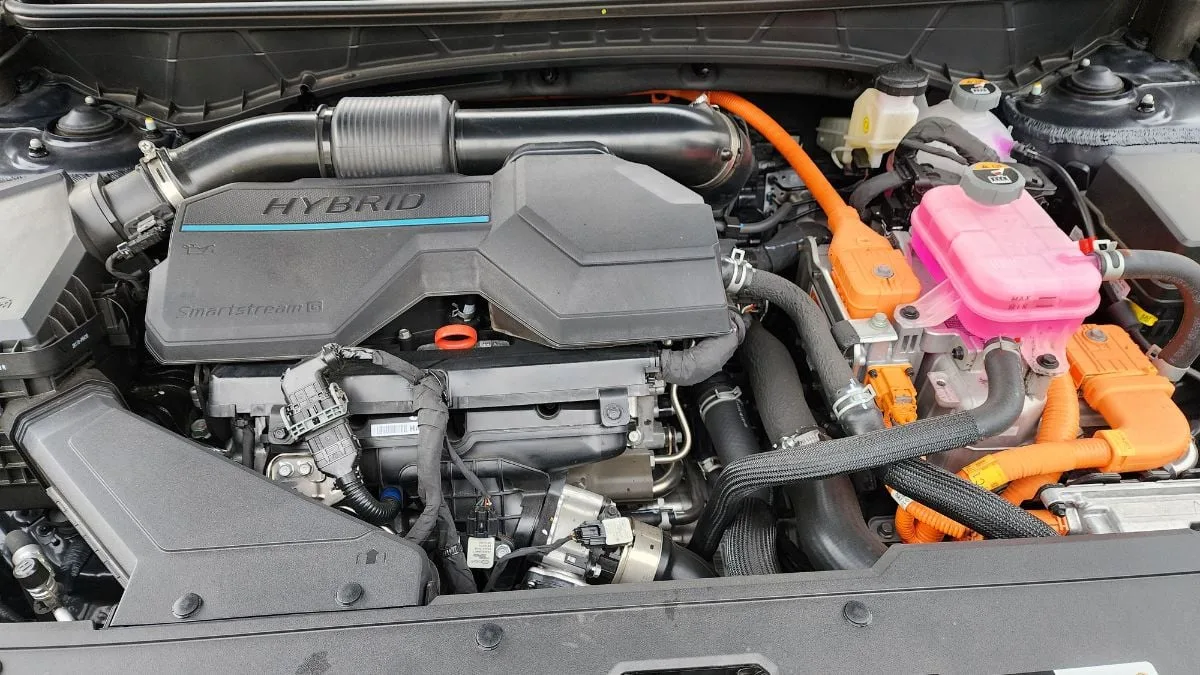
Image source: Bing (Web (fair-use with source credit))
Why Your Hyundai Tucson Is Overheating and Why Acting Fast Saves You Money
The warning light on your dashboard isn't a suggestion. It's a direct command to stop. Continuing to drive with an overheating engine can warp the cylinder head, blow the head gasket, or even crack the engine block.
49% off Today's Exclusive Deals
Limited-time Exclusive Deals. Check current discount on Amazon.
Check Price on Amazon As an Amazon Associate I earn from qualifying purchases.Those are catastrophic failures.
A simple coolant hose clamp might cost $10 to replace. A full head gasket repair can run between $1,500 and $2,500, according to repair cost aggregators. Ignoring the problem turns a minor fix into a major one.
Your first job is to diagnose the root cause quickly and safely.
How the Tucson's Cooling System Works (and the Parts Most Likely to Let You Down)
49% off Today's Exclusive Deals
Limited-time Exclusive Deals. Check current discount on Amazon.
Check Price on Amazon As an Amazon Associate I earn from qualifying purchases.Image source: Bing (Web (fair-use with source credit))
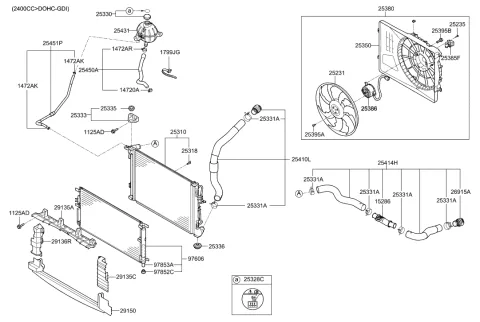
Your Tucson's cooling system is a sealed loop. Coolant circulates through the engine to absorb heat. The hot coolant then flows to the radiator, where airflow dissipates the heat.
The cooled liquid returns to the engine to repeat the cycle. It's simple, but several key components can fail.
The thermostat is a small valve. It stays closed when the engine is cold, letting it warm up quickly. Once the engine reaches operating temperature, it opens to allow coolant flow.
If it gets stuck closed, coolant can't move, and the engine overheats almost immediately.
The water pump is the heart of the system. It's driven by a belt and pushes coolant through the engine and hoses. A failing pump won't circulate fluid effectively.
You might see coolant leaking from a small weep hole at its base.
The radiator and electric cooling fan work together. The radiator is a heat exchanger. The fan pulls air through its fins when you're idling or moving slowly.
Our research shows Tucson models from around 2010 to 2015 had known issues with cooling fan motor and relay failures. A non-functioning fan means no airflow at low speeds, leading to rapid overheating in traffic.
Finally, the head gasket is the critical seal between the engine block and cylinder head. Overheating can destroy it. Symptoms include milky engine oil, white smoke from the exhaust, or persistent bubbling in the coolant reservoir.
The First 60 Seconds: Safe Checks to Run Before Your Engine Gets Hotter
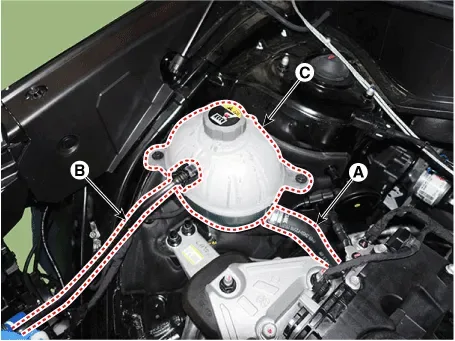
Image source: Bing (Web (fair-use with source credit))
When the warning appears, your actions in the next minute matter. Follow this exact sequence. Your safety is the first priority.
Step 1: Pull Over Immediately. Find a safe, level spot off the road. Turn on your hazard lights. Put the transmission in park and engage the parking brake.
Turn the engine off. Do not try to "limp" to the next exit.
Step 2: Let It Cool. Wait at least 30 minutes. The system is pressurized and extremely hot. Opening the radiator cap now can cause severe burns from boiling coolant and steam.
Step 3: Visual Inspection (From a Distance). Once cool, look under the vehicle. Do you see a puddle of brightly colored liquid (green, orange, or pink)? That's coolant.
Check the ground around the radiator and engine bay. Also, look for any obvious steam or smoke residue.
Step 4: Check the Coolant Level (When COLD). Locate the translucent plastic coolant reservoir. The level should be between the "MIN" and "MAX" lines. If it's below "MIN" or empty, you've likely found the primary issue.
If the reservoir is full, the problem may be elsewhere, like the thermostat or fan.
Step 5: Test the Fan. If the engine is cool enough to touch the upper radiator hose, you can perform this test. Turn the ignition key to the "ON" position (do not start the engine). Turn your A/C to its coldest setting and highest fan speed.
You should hear and feel the radiator fan kick on. If it doesn't, the fan motor, relay, or fuse is a prime suspect. A failed fan is a common cause.
You can read more about troubleshooting a non-working fan in our related guide.
The Hyundai Tucson Overheating Decision Tree: Match These Symptoms to a Cause
Now, match what you've observed to a likely cause. This if/then guide will point you in the right direction.
Branch 1: Low Coolant and Visible Leaks
If you find: An empty reservoir and a puddle under the car.
Then your problem is: A leak in the system.
Most likely culprits: A cracked radiator hose, a loose clamp, a leaking radiator, or a failing water pump weep hole. A detailed guide on finding and fixing coolant leaks can help you trace the source.
Branch 2: Stuck Thermostat or Failing Water Pump
If you find: The coolant level is full, but the engine overheats quickly, especially during normal driving.
Then your problem is: Restricted coolant flow.
Most likely culprits: A thermostat stuck in the closed position. A water pump with broken internal impellers. The engine may overheat, but the upper radiator hose stays cool to the touch.
Branch 3: Radiator Fan, Relay, and Electrical Faults
If you find: The engine overheats mainly in traffic or at idle, but cools down at highway speeds.
Then your problem is: Lack of airflow through the radiator.
Most likely culprits: A dead cooling fan motor, a bad fan relay, or a blown fuse. This is a classic symptom of a radiator fan that stops working.
Branch 4: Blown Head Gasket and Internal Engine Damage
If you find: White, sweet-smelling smoke from the tailpipe. Milky oil on the dipstick. Bubbles in the coolant reservoir.
Or the engine overheats with a full system and a working fan.
Then your problem is: Internal seal failure.
This is a serious issue. It requires professional diagnosis and repair. Continuing to run the engine will cause major damage.
Fixing the Problem: DIY Steps, Shop Visits, and a Realistic Cost Breakdown
Once you've identified the likely cause, you can decide on a repair path. Some fixes are simple for a DIYer. Others require a professional shop.
| Problem | DIY Friendly? | Estimated Cost Range (Parts and Labor) |
|---|---|---|
| Replace Coolant Hoses/Clamps | Yes | $50 to $200 |
| Refill and Bleed Cooling System | Yes | $20 to $50 (coolant cost) |
| Replace Thermostat | Moderate | $150 to $350 |
| Replace Cooling Fan Relay/Fuse | Yes | $20 to $100 |
| Replace Radiator Fan Assembly | Moderate | $200 to $500 |
| Replace Water Pump | Difficult | $400 to $800 |
| Replace Radiator | Moderate | $350 to $700 |
| Repair Blown Head Gasket | No (Professional) | $1,500 to $2,500+ |
Critical Safety Note: Always use the coolant type specified in your Tucson's owner's manual. Mixing coolant types (like OAT and HOAT) can cause chemical reactions that form a gel, clogging your system. After any repair that opens the cooling system, you must bleed out all trapped air.
Air pockets cause hot spots and overheating. Follow the specific bleeding procedure for your engine, which often involves running the engine with the radiator cap off and heater on high.
Be aware of any recalls affecting your model year by checking the NHTSA website. The database is the authoritative source for this information.
Overheating Mistakes That Turn Cheap Repairs into Expensive Ones
The biggest mistake? Driving home with the warning light on. That single decision causes more Tucson engine failures than any mechanical defect.
Here are the others we see constantly.
- Ignoring a small coolant smell. A faint sweet odor from the grill means a slow leak. In our research, this is the number one cause of later catastrophic failure.
- Topping off with tap water. Tap water introduces minerals that scale the radiator core. That reduces heat transfer permanently. Always use the coolant type and distilled water mix from the owner's manual.
- Skipping the air bleed after a repair. Air pockets sit around the cylinder head and create hot spots. The gauge can read normal while the head slowly cracks. A cold heater is often the first warning sign, so diagnosing a heater issue early is worth your time.
- Forgetting the radiator cap. A worn cap loses pressure, which lowers the coolant boiling point. Toss in a new genuine spec cap every few years. It can keep you out of trouble.
- Opening a hot radiator cap. Boiling coolant can spray like a geyser and cause severe burns. Always wait until the system is fully cool.
Cheap repairs become expensive ones slowly. But they always become essential ones. Catching these issues early keeps your Tucson out of the shop and your wallet intact.
Maintenance That Keeps Your Tucson Cool for the Long Haul
Prevention beats diagnosis, every single time. A few minutes each month keeps your Tucson's cooling system healthy. Start by checking the coolant level when the engine is cold.
The translucent reservoir makes that quick.
As of 2026, the factory maintenance schedule recommends a coolant replacement interval of every 30,000 miles or 36 months on newer models. Always use the coolant type specified for your model year. Hyundai has used different formulations over the years, and mixing them can cause a gelling mess.
Clean the radiator face routinely. Dust, road salt, and insects clog the fins, reducing airflow and raising temperatures. A low-pressure garden hose rinse from the engine side works well.
Use compressed air if you have it.
Test the cooling fan monthly in warm weather. Turn on your A/C and the fan should kick in immediately. If it doesn't, inspect the relay and fuse before replacing the motor.
Both are cheap and accessible.
Watch the area around the water pump weep hole. A small fluid stain is an early sign the shaft seal is failing. It could also be an oil leak from the timing chain cover, and telling the difference matters.
This guide to tracing the source of an oil leak can help you identify it.
Also, dispose of old coolant properly. Antifreeze is highly toxic to pets and wildlife. Never pour it down a drain or onto the ground.
The EPA's disposal guidance covers the safe options for DIY fluid changes.
Hyundai Tucson Overheating FAQs
Can I drive my Hyundai Tucson with an overheating engine?
No. Driving even a few minutes with the temperature needle in the red can warp the cylinder head or blow the head gasket. Both are expensive failures.
Pull over, let the engine cool completely, and diagnose the cause before moving the car again.
Why is my Tucson overheating but not losing coolant?
Stuck-closed thermostats, water pumps with broken impellers, and radiator fans that do not engage can all cause overheating without any visible leak. The coolant stays in the system, but it is not circulating or shedding heat properly. Work through the decision tree above step by step to narrow down the cause.
Why does my Tucson overheat in traffic but cool down on the highway?
That is the classic symptom of a radiator fan failure. At highway speeds, oncoming air flows through the radiator on its own. In traffic, the electric fan must pull that air itself.
If the fan does not kick on, check the relay and fuse first.
How often should I replace the coolant in my Hyundai Tucson?
Hyundai generally recommends replacing the engine coolant every 30,000 miles or every three years, whichever comes first. Use the exact coolant type specified in the owner's manual. Mixing the wrong formulas can cause a gel that clogs the radiator.
What does it cost to fix a blown head gasket on a Tucson?
Typically $1,500 to $2,500. The total depends on the engine size, shop labor rates, and whether the cylinder head needs machining. On a Tucson with high mileage, compare that cost against the car's current resale value before committing.




3 Comments on “Hyundai Tucson Engine Overheating”