A Hyundai Tucson oil leak can feel like a punch in the gut. You spot a dark stain under the engine bay, catch a whiff of burning oil, and the first question that pops into your head is always the same: how much is this going to cost? Here's the thing, most oil leaks are fixable, and often you can diagnose the source yourself in under an hour.
Before you panic, know this. As of 2026, most Tucson engines hold between 4.5 and 5.5 quarts of engine oil, and a slow seep can take weeks to become a serious problem. The real task is figuring out where the leak originates, which is exactly what we'll walk through step by step.

49% off Today's Exclusive Deals
Limited-time Exclusive Deals. Check current discount on Amazon.
Check Price on Amazon As an Amazon Associate I earn from qualifying purchases.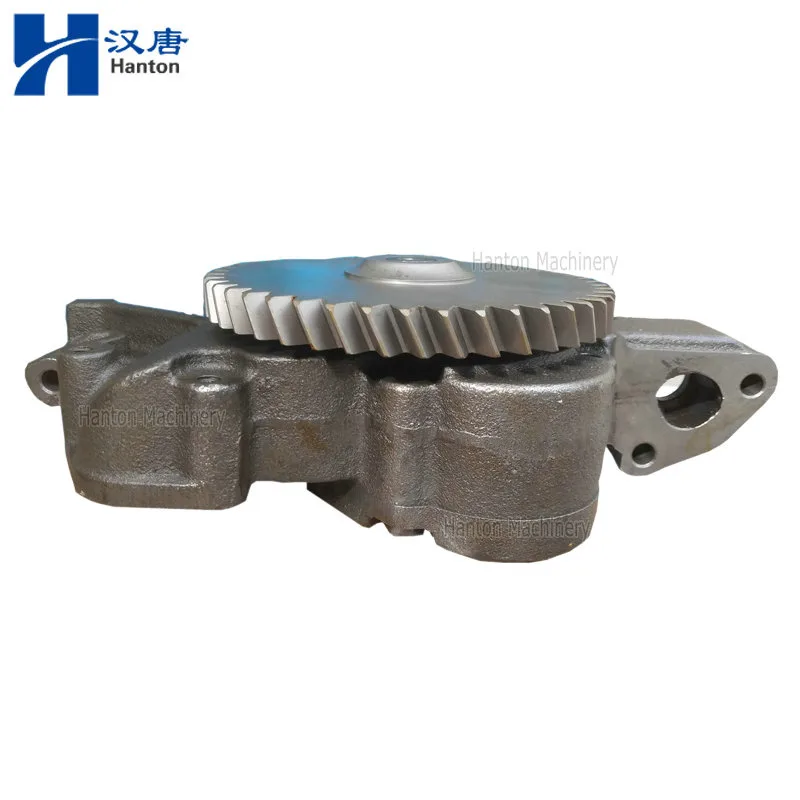
Image source: Web (Bing) / hantonmachinery.en.made-in-china.com (Web image (fair-use with source credit))
Quick Answer
A Hyundai Tucson oil leak usually starts at the valve cover gasket. A steady drip needs fast action. Check the dipstick to see how low you are.
49% off Today's Exclusive Deals
Limited-time Exclusive Deals. Check current discount on Amazon.
Check Price on Amazon As an Amazon Associate I earn from qualifying purchases.A small seep is a cheap fix. Ignoring it can cost over $1,000.
Does Your Tucson Actually Have an Oil Leak? Start Here
Let's confirm what you're dealing with. Not every fluid under a car is engine oil. Coolant, brake fluid, power steering fluid, and even plain condensation can leave puddles, so get the diagnosis right before you start spending money.
| Fluid | Looks Like | Feels Like | What It Does |
|---|---|---|---|
| Engine oil | Brown to black, dark amber when fresh | Slippery, thick | Lubricates the engine |
| Coolant | Green, orange, pink, or yellow | Slick but watery, sweet smell | Cools the engine |
| Brake fluid | Clear to light yellow | Thin, slightly oily | Feeds the brakes |
| Transmission fluid | Red to pink, darkening with age | Slick, viscous | Lubricates the transmission |
Once you're sure it's oil, check your dipstick. If it's a seep, you might only need a top-up between changes. A steady drip is different.
That demands action. If you're seeing a sweet-smelling colorful puddle instead, you're likely dealing with a different kind of problem entirely, and our guide on spotting slippery leaks can help you sort it out.
49% off Today's Exclusive Deals
Limited-time Exclusive Deals. Check current discount on Amazon.
Check Price on Amazon As an Amazon Associate I earn from qualifying purchases.Start your search, then tie it to a location. The next section shows you exactly how to track it down.
How to Track Down the Leak Source Step by Step
You could just guess and replace parts. But that's a wallet-draining mistake. The proper way is to clean, then trace.
It takes about an hour and costs under $30 for the diagnostic supplies.
Here's the workflow we recommend:
- Step 1: Clean the engine bay and undercarriage. Use a good degreaser and let it sit, then rinse thoroughly. A clean surface shows fresh leaks immediately.
- Step 2: Park on clean cardboard or newspaper overnight. The next morning, check where the drops land. The position of the puddle gives you a strong hint about the source.
- Step 3: Add UV dye to the crankcase. This is the smartest diagnostic tool you can buy. It's cheap, safe, and makes the leak glow under a UV flashlight.
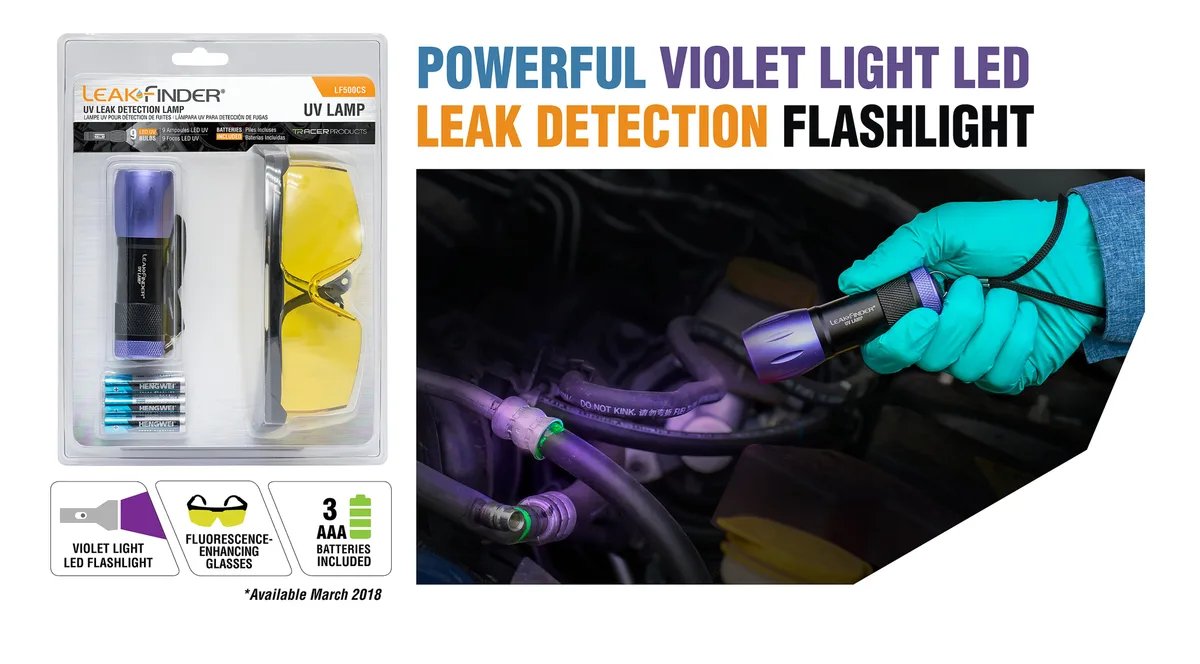
Image source: Bing (Web (fair-use with source credit))
- Step 4: Run the engine for 10 minutes. This warms the oil and forces it through any weak seals. The leak becomes active and much easier to spot.
- Step 5: Scan with a UV flashlight. Work from the top down. Start at the valve cover, check the oil filter housing, then look at the oil pan. The dye will glow bright green or yellow.
A basic tool kit covers this whole job: safety glasses, engine degreaser, clean cardboard, a UV dye kit, and a socket set. If the leak is stubborn and only appears under load, like when the engine is hot, you might need to repeat the process after a short test drive.
If you're still uncertain, check the common problem spots next.
Common Tucson Leak Locations by Engine Type
Now you know the search method. Here's where to look first, depending on what's under your hood. Not all Tucson engines leak in the same places.
2.0L and 2.4L GDI Engines (2016-2021)
These are the most common offenders. The valve cover gasket hardens with age and starts seeping oil down the side of the block. The oil pressure switch is another frequent culprit, and it's cheap to fix.
On higher-mileage cars, the oil pan gasket also gets brittle. A clogged PCV valve adds pressure to the system, which forces oil out of weak seals faster.
2.5L GDI Engine (2022+)
This newer engine is generally cleaner, but it's not immune. Watch the oil filter housing and its o-ring. That's a known spot for small leaks.
The valve cover seal is still a possibility, though less common at low mileage.
1.6L T-GDI Turbo (2017+)
Turbocharged models bring a different set of weak points. The turbo oil feed and return lines are the main suspects, especially the crush washers at the fittings. A leaking line can drip directly onto the exhaust, which produces that burning oil smell inside the cabin.
Valve cover seals still matter here, too.
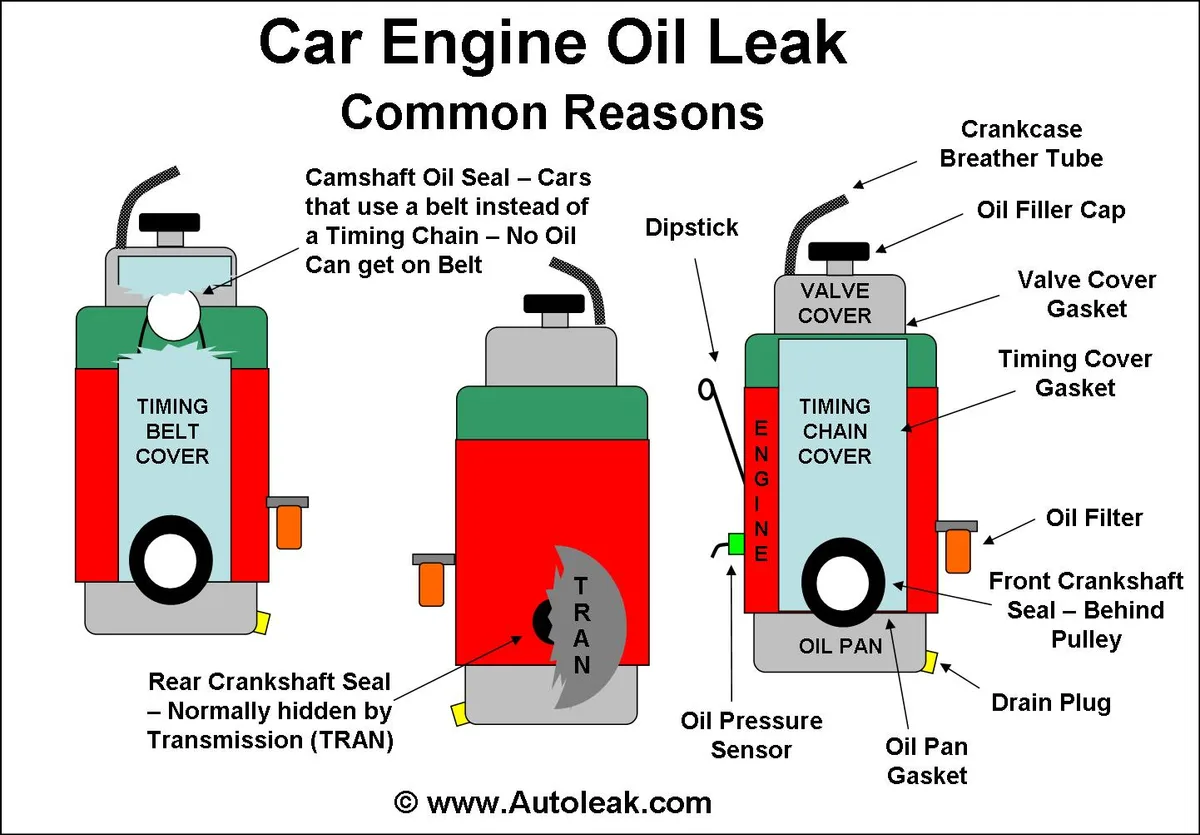
Image source: Bing (Web (fair-use with source credit))
A simple way to narrow it down is to check top versus bottom. If oil sits high on the block, look at the valve cover. If it pools low, check the oil pan and drain plug.
On AWD models, the subframe can block access to the pan, so a visual check might require a mechanic with a lift. And regardless of engine, remember the rear main seal. That one sits between the engine and transmission, and it's a serious repair because it means dropping the transmission.
The Tucson Oil Leak Decision Matrix: DIY, Mechanic, or Dealer
You've found the leak. Now decide who fixes it. Your choice depends on three things: your skill level, the part's location, and your warranty status.
Here's the if/then logic we use:
- If the leak is a valve cover gasket and you're handy, it's a DIY job. The parts cost under $50, and you just need basic sockets and patience.
- If it's an oil pan gasket on an AWD model, head to a shop. The crossmember and subframe make access tight. A lift saves hours of frustration.
- If it's a turbo oil line, take it to a professional. Those fittings need precise torque. Over-tightening strips the threads and creates a bigger leak.
- If your Tucson is under warranty, go straight to the dealer. Using a third-party shop can complicate any warranty claim, even in the US. It's not worth the risk.
| Option | Best For | Cost | Risk |
|---|---|---|---|
| DIY | Simple gaskets, basic tools | Parts only | Mistakes possible |
| Independent mechanic | Complex work, no time | Moderate | Skilled labor |
| Dealership | Warranty work, recalls | Highest | Official, pricey |
Weigh the repair cost against the car's value. A $50 gasket on a reliable daily driver is a no-brainer. A $1,500 rear main seal on a 2017 with 150,000 miles is a harder call.
Sometimes the smart financial move is a different one.
Cost vs Value: What Fixing a Tucson Oil Leak Really Costs
Repairs only make sense if they align with the car's worth. Here's what typical Tucson oil leak fixes run, based on current independent shop rates and our research into reported repair costs.
| Repair | Parts Cost | Total With Labor |
|---|---|---|
| Valve cover gasket | $15-$40 | $150-$300 |
| Oil pressure switch | $15-$30 | $80-$150 |
| Oil pan reseal | $20-$60 | $200-$600 |
| Turbo oil feed line | $30-$80 | $200-$450 |
| Rear main seal | $80-$200 | $800-$1,500 |
Those numbers shift with your location. Shops in high-cost metro areas charge more per hour, and AWD models always take longer because of the extra disassembly. A valve cover gasket on a front-wheel-drive Tucson is a quick job.
The same repair on an AWD version can add half an hour just from moving the subframe.
As of 2026, a clean 2020 Tucson with moderate miles is worth around $15,000 to $18,000 in good condition. A $300 repair is worth it. A $1,200 repair requires real thought.
Before you commit, check for open recalls and technical service bulletins. The NHTSA's complaint database keeps an updated list, and some fixes are performed at no cost to you. Also, make sure you're comparing like-for-like pricing.
A dealer quote includes their overhead. An independent shop with good reviews often delivers the same result for less, especially on out-of-warranty cars.
Six Leak-Repair Mistakes That Turn a Small Problem Into a Big Bill
A tiny seep can become a $1,500 repair if you handle it wrong. Avoid these six common errors.
- Using stop-leak additives. Pouring sealer into the crankcase can clog oil passages and make a healthy engine worse. Hyundai's factory guidance calls for proper diagnosis, not chemical shortcuts. If your Tucson is under warranty, stop-leak fluid can void your coverage.
- Over-tightening bolts. You'll strip the aluminum threads in the oil pan or valve cover. Always use a torque wrench and follow factory specs, usually 8 to 11 Nm for small bolts.
- Skipping the PCV valve. A clogged PCV valve builds crankcase pressure. That pressure pushes oil out of weak seals. Replace it before you invest in gaskets, or the new gasket will leak again.
- Ignoring an oil leak at the same time as a coolant leak. Two problems can cancel out your diagnosis. Check both fluids separately. A separate coolant weep can mask the oil trail. Our roundup on spotting car oil leaks can help.
- Reusing old gaskets or RTV. A valve cover gasket needs a clean, dry surface. Old silicone chunks cause immediate leaks. Wipe the flange completely and apply fresh sealant in a continuous bead.
- Measuring oil by sight. Always refill by spec. Tucson engines take between 4.5 and 5.5 quarts. Overfilling raises oil pressure and guarantees a new leak somewhere.
If a leak appears near the front of the engine, check for a coolant leak too. The two fluids look completely different, but they mix on the under-tray and make a mess that confuses everyone. Our dedicated guide on detecting coolant leaks explains how to tell them apart.
Quick Answers to the Most Searched Tucson Oil Leak Questions
Can I drive my Tucson with an oil leak?
You can for a short time, but only if the leak is a slow seep and the dipstick stays in a safe range. Repeatedly topping up is a band-aid, not a fix. A steady drip or a low-oil-pressure light means stop driving immediately.
Check the warning signs of serious oil leaks before you hit the road.
How much does it cost to fix a Tucson oil leak?
Simple repairs like an oil pressure switch or valve cover gasket run $80 to $300 with labor. An oil pan reseal on an AWD model costs $200 to $600. The pricey one is the rear main seal, which usually lands between $800 and $1,500 due to transmission removal.
Get a written quote before authorizing work.
Is stop leak safe for my Hyundai Tucson?
No. Stop-leak additives are a temporary fix at best and can permanently clog oil passages at worst. They also complicate warranty claims and can leave gummy deposits behind.
Save your money and fix the actual source. Hyundai dealers and independent shops both recommend honest repairs over chemical shortcuts.
Why does my Tucson smell like burning oil?
A burning oil smell usually means oil is dripping onto a hot surface, like the exhaust manifold or turbocharger. The most common sources are a leaking valve cover gasket or turbo oil line. If the smell comes with smoke from the hood, pull over and shut the engine off.
Also check for any open recalls through the NHTSA website before paying out of pocket.
How do I know if it's oil or something else?
Oil looks dark brown or amber and feels slippery. Coolant is usually green, orange, or pink and smells sweet. Transmission fluid is red or pink when fresh.
Park on clean cardboard and compare the drop's color and smell. A misdiagnosis wastes money. When in doubt, a UV dye kit gives you a clear answer in minutes.



One Comment on “Hyundai Tucson Oil Leak”