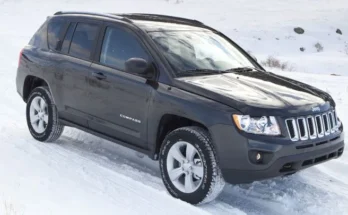
You're looking at a Jeep Compass and wondering about its fuel economy, right? It's a fair question, especially with gas prices doing their thing. It's not a simple "it gets X miles per gallon" answer because a few things can tweak those numbers.
Think of it like asking how fast a car can go, it depends on the engine, the driver, and the road!
49% off Today's Exclusive Deals
Limited-time Exclusive Deals. Check current discount on Amazon.
Check Price on Amazon As an Amazon Associate I earn from qualifying purchases.Our research indicates that the average fuel economy can range significantly based on the specific configuration and how you drive. Manufacturer specifications and EPA estimates provide a solid baseline for understanding potential mileage.
Jeep Compass Gas Mileage: What to Expect
The gas mileage for a Jeep Compass typically ranges from about 22 MPG in city driving to around 32 MPG on the highway, depending on the model year, engine, and drivetrain. For instance, as of 2026, newer Compass models with the 2.0L turbo engine and front-wheel drive often achieve a combined MPG of 27. Understanding these figures is crucial for anticipating fuel costs and planning your driving.
Understanding What Affects Your Compass's Fuel Economy
It’s one thing to see a number on paper, and quite another to experience it on the road. Several factors can significantly influence the actual miles per gallon (MPG) you get from your Jeep Compass. These aren't just theoretical; they play out every time you fill up.
49% off Today's Exclusive Deals
Limited-time Exclusive Deals. Check current discount on Amazon.
Check Price on Amazon As an Amazon Associate I earn from qualifying purchases.Your driving style is a huge player. Aggressive acceleration and hard braking burn through fuel much faster than smooth, steady driving. Think about easing onto the gas pedal and anticipating stops to coast more often.
The terrain you drive on also matters; climbing hills naturally uses more energy than cruising on flat ground. Even external factors like tire pressure and the weight of passengers or cargo can have a noticeable impact.
How Does Driving Style Impact MPG?
- Aggressive Driving: Frequent hard acceleration and braking can decrease your MPG by as much as 33%.
- Speed: Higher speeds increase aerodynamic drag, meaning your engine works harder. Driving at 75 mph instead of 55 mph can reduce fuel economy by about 15% to 30% on the highway.
- Idling: If you find yourself idling for more than 30 seconds, it's often more efficient to turn off the engine.
What About Vehicle Load and Maintenance?
- Weight: Carrying extra weight, like in the trunk or on a roof rack, forces the engine to work harder, lowering MPG.
- Tire Pressure: Underinflated tires increase rolling resistance, making your engine consume more fuel. Properly inflated tires are key to optimal efficiency.
- Maintenance: Regular maintenance, including oil changes and keeping air filters clean, ensures the engine runs efficiently. According to the Environmental Protection Agency (EPA), simple maintenance like keeping your tires properly inflated can improve MPG by up to 3%.
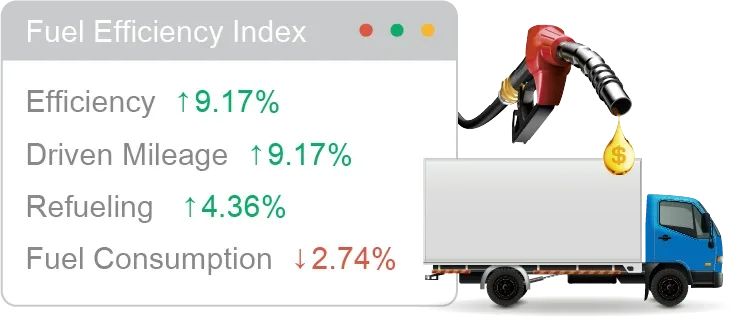
Image source: Web (Bing) / energy.thecwa.org (Web image (fair-use with source credit))
49% off Today's Exclusive Deals
Limited-time Exclusive Deals. Check current discount on Amazon.
Check Price on Amazon As an Amazon Associate I earn from qualifying purchases.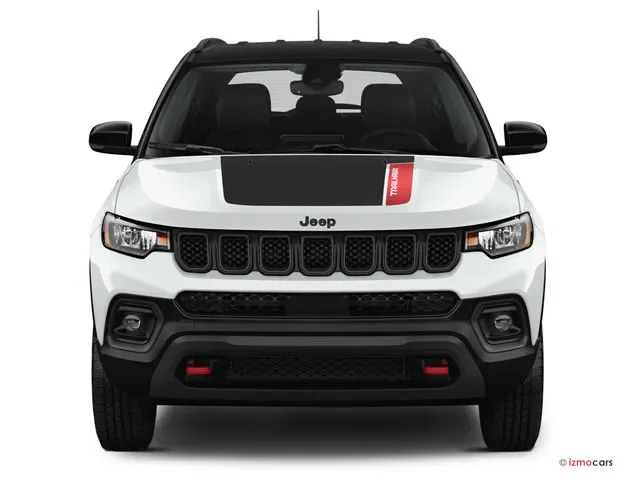
Image source: Bing (Web (fair-use with source credit))
Comparing MPG: Recent Jeep Compass Model Years
When you’re looking at a Jeep Compass, the specific model year can make a difference in its fuel efficiency. Automakers are always looking for ways to squeeze more miles out of every gallon, and Jeep is no exception. Newer models often benefit from updated engine technology and transmission tuning designed to be more fuel-conscious.
For example, the most recent Jeep Compass models, particularly those from 2023 and later equipped with the 2.0L turbocharged engine, tend to show improved MPG ratings compared to earlier iterations. This modern engine offers a good balance of power and efficiency.
Here’s a look at what you might expect from some recent model years based on EPA estimates:
| Model Year | Engine Option | Drivetrain | Combined MPG (City/Highway) |
|---|---|---|---|
| 2023 | 2.0L Turbocharged I4 | FWD / 4×4 | 26-27 MPG (24-25 / 30-32) |
| 2022 | 2.4L Tigershark® I4 | FWD / 4×4 | 24-27 MPG (22-25 / 30-32) |
| 2021 | 2.4L Tigershark® I4 | FWD / 4×4 | 23-27 MPG (22-24 / 30-32) |
Manufacturer specifications confirm these general trends. While EPA estimates are a great guideline, your actual mileage will depend on those other factors we've discussed. If fuel economy is a top priority, focusing on the latest models with the most efficient engine options makes sense.
For a comparison of similar vehicles, consider looking into Honda CR-V trim levels to see how they stack up.
FWD vs. 4×4: How Drivetrain Impacts MPG
One of the most significant factors affecting your Jeep Compass's gas mileage is its drivetrain configuration: front-wheel drive (FWD) versus four-wheel drive (4×4), also commonly referred to as all-wheel drive (AWD). This choice directly influences how power is distributed to the wheels and, consequently, how much fuel the vehicle consumes. Generally speaking, FWD systems are lighter and require less energy to operate, leading to better fuel economy.
The 4×4 system in a Jeep Compass is designed for enhanced traction and capability, especially in challenging weather or off-road conditions. However, this added capability comes at a slight cost to fuel efficiency. The extra mechanical components, such as driveshafts, differentials, and transfer cases, add weight and increase friction, meaning the engine has to work a bit harder to turn the wheels.
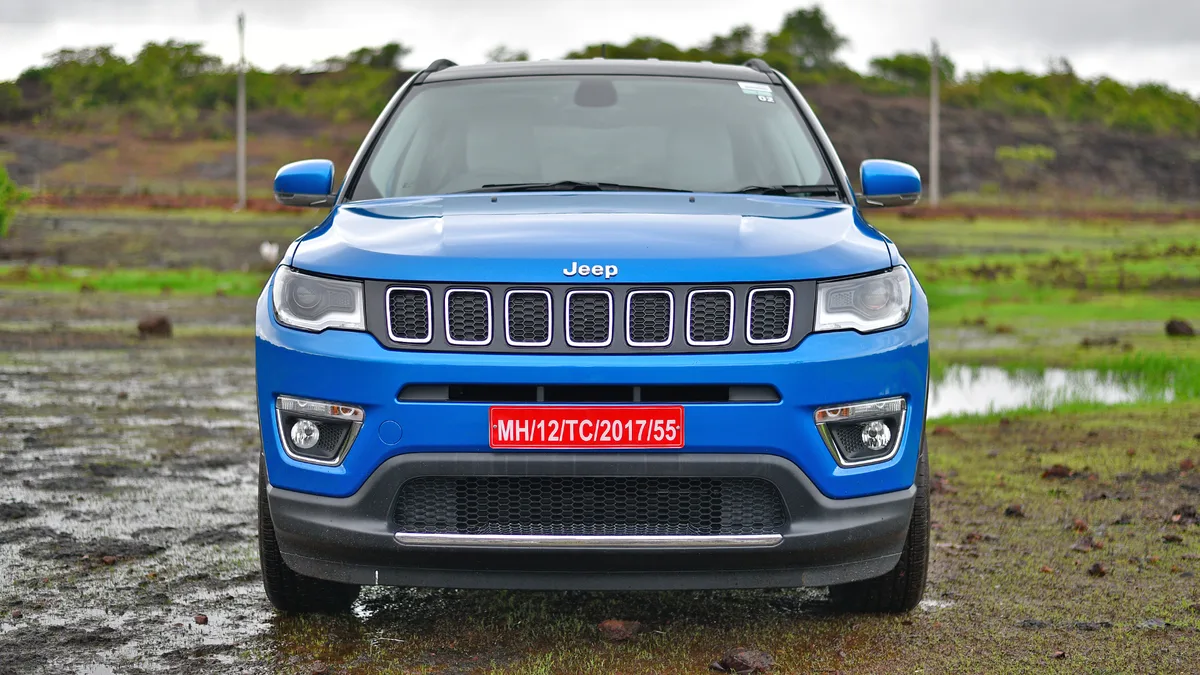
Image source: Web (Bing) / overdrive.in (Web image (fair-use with source credit))
Typical MPG Differences
- FWD Models: You can generally expect FWD Jeep Compass models to offer 1-3 MPG higher on the highway and in combined city/highway driving compared to their 4×4 counterparts. For example, a 2023 Compass FWD might achieve around 32 MPG highway, while the 4×4 version might be closer to 30 MPG highway.
- 4×4 Models: While slightly less fuel-efficient, the 4×4 system provides a significant advantage in slippery conditions. For drivers who frequently encounter snow, ice, or unpaved roads, the added traction can be invaluable and justify the small reduction in MPG. You might find similar drivetrain considerations when looking at other SUVs, like the Toyota RAV4 trim levels.
When you're comparing specific Jeep Compass models, always check the drivetrain. This detail is usually listed alongside the engine specifications and EPA ratings. If maximum fuel economy is your primary goal, a FWD model is the more efficient choice.
However, if you anticipate needing enhanced traction for adverse weather or light off-roading, the 4×4 system is a worthwhile consideration.
Making the Most of Your Jeep Compass's Fuel Efficiency
So, you've got your Jeep Compass, and you're interested in stretching that tank of gas as far as it can go. That’s smart thinking! Even with efficient engines, a few practical habits can make a noticeable difference in your real-world MPG.
It’s not about driving drastically differently, but rather about adopting smarter driving and maintenance routines.
Keeping up with regular maintenance is perhaps the most straightforward way to ensure your Compass is running at peak efficiency. This includes essential tasks that often get overlooked. For instance, ensuring your tires are always properly inflated is critical.
Underinflated tires create more rolling resistance, forcing your engine to work harder and burn more fuel. Manufacturer specifications, often found on a sticker inside the driver's doorjamb, provide the recommended tire pressure.
Key Habits for Better MPG
- Regular Tire Pressure Checks: Verify tire pressure monthly and before long trips. Ensure they are inflated to the manufacturer's recommended PSI.
- Smooth Acceleration and Braking: Avoid sudden starts and stops. Anticipate traffic lights and slow down gradually. This technique can significantly improve fuel economy over time.
- Minimize Idling: If you're stopped for more than a minute, it’s usually more fuel-efficient to turn off the engine. This is especially relevant in drive-thrus or when waiting for someone.
- Reduce Aerodynamic Drag: Remove roof racks or cargo carriers when not in use. These accessories can create significant drag at highway speeds, impacting MPG.
- Use Cruise Control: On highways, using cruise control helps maintain a steady speed, preventing unnecessary acceleration and deceleration, which conserves fuel.
Maintenance Matters for Mileage
- Air Filter Replacement: A clogged air filter restricts airflow to the engine, making it less efficient. Replacing it according to your owner's manual schedule is important.
- Oil Changes: Using the correct grade of motor oil recommended by Jeep and adhering to your oil change schedule ensures engine components are properly lubricated, reducing friction and improving efficiency. The type of oil a Range Rover uses also highlights the importance of correct fluid specifications for any vehicle.
- Spark Plug Replacement: Worn spark plugs can lead to misfires and incomplete combustion, wasting fuel. Following the recommended replacement intervals is key.
By integrating these simple practices into your routine, you can help your Jeep Compass achieve its optimal fuel economy. This not only saves you money at the pump but also contributes to better overall vehicle performance and longevity.
Frequently Asked Questions About Jeep Compass MPG
How much highway MPG can I expect from a 2023 Jeep Compass?
A 2023 Jeep Compass with the 2.0L turbo engine and front-wheel drive can typically achieve around 30-32 MPG on the highway.
Does the 4×4 system significantly reduce gas mileage in a Jeep Compass?
Yes, the 4×4 system generally reduces highway MPG by about 1-3 miles per gallon compared to a front-wheel-drive model, due to added weight and mechanical drag.
Are older Jeep Compass models less fuel-efficient?
Generally, yes. Older Jeep Compass models, especially those from before the late 2010s, may have lower MPG ratings due to less advanced engine and transmission technology.
What is the best way to improve my Jeep Compass's MPG?
The most effective ways include driving smoothly, maintaining proper tire inflation, keeping up with regular maintenance like oil changes and air filter replacements, and reducing unnecessary weight in the vehicle.
What is the combined MPG for a 2022 Jeep Compass?
A 2022 Jeep Compass with the 2.4L Tigershark® engine typically achieves a combined MPG ranging from 24 to 27, depending on whether it's FWD or 4×4.
Which Jeep Compass MPG is Right for You?
Choosing a Jeep Compass based on its gas mileage really comes down to your priorities and driving habits. If squeezing every possible mile out of a gallon is your top concern, then newer models with the 2.0L turbocharged engine and front-wheel drive will likely serve you best. These configurations consistently show the highest MPG figures in EPA testing.
However, if you frequently face challenging weather conditions or prefer the enhanced capability of all-wheel drive, the slight decrease in fuel economy for a 4×4 Compass might be a trade-off worth making. The difference of 1-3 MPG on the highway is often manageable for many drivers, especially when weighed against the added traction and confidence the 4×4 system provides.
Ultimately, regardless of the specific model year or drivetrain you choose, adopting fuel-efficient driving habits and sticking to a regular maintenance schedule are the most effective ways to maximize your Jeep Compass's gas mileage.