A well-maintained Ford Explorer can reliably last 200,000 to 300,000+ miles.
I’ve worked on and driven Explorers for years. I’ll walk you through real-world lifespans, what changes them, and how to get the most miles from your SUV. This guide answers how long does a Ford Explorer typically last? with clear steps, checklists, and practical tips based on hands-on experience and industry data. Read on for a simple plan to keep your Explorer running longer and smarter.

49% off Today's Exclusive Deals
Limited-time Exclusive Deals. Check current discount on Amazon.
Check Price on Amazon As an Amazon Associate I earn from qualifying purchases.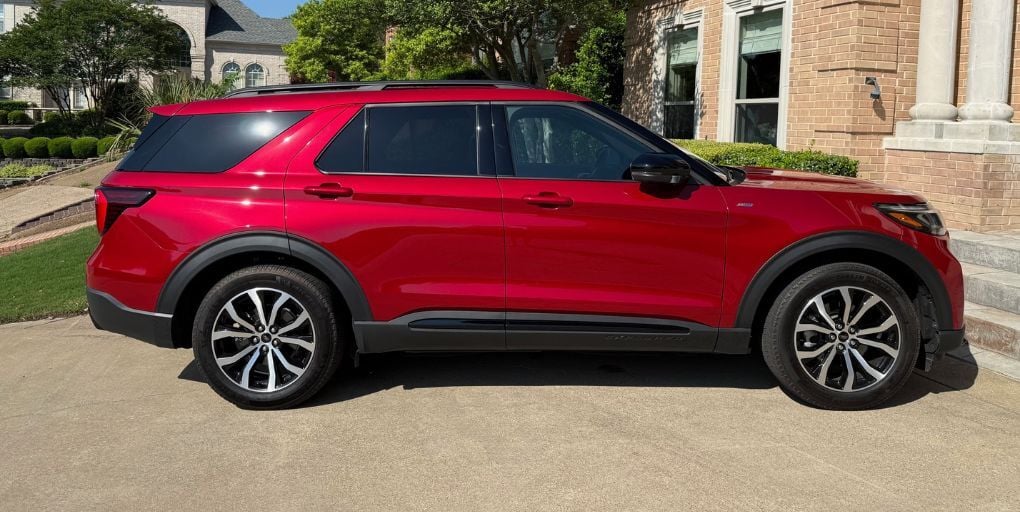
How long does a Ford Explorer typically last?
A typical Ford Explorer will often reach 150,000 to 200,000 miles with average care. With diligent maintenance, many owners pass 250,000 miles, and some reach 300,000+ miles. Longevity varies by year, engine type, driving habits, and service history. If you ask how long does a Ford Explorer typically last? think in terms of years and miles: 10–20 years or about 150k–300k miles for well-kept examples.
49% off Today's Exclusive Deals
Limited-time Exclusive Deals. Check current discount on Amazon.
Check Price on Amazon As an Amazon Associate I earn from qualifying purchases.Key factors that affect lifespan
The main things that shape how long does a Ford Explorer typically last? are the following.
- Maintenance: Regular oil changes, fluid checks, and timely repairs extend life. Simple care often adds tens of thousands of miles.
- Driving style: Highway miles are gentler than stop-and-go city driving. Hard towing and aggressive driving shorten lifespan.
- Engine and transmission type: Some engines and transmissions are more robust. Turbocharged engines need stricter care.
- Climate and environment: Salted roads and humid climates promote rust. Dry climates are easier on the body.
- Previous ownership: A well-documented service history usually predicts longer life.
- Manufacturing year and design updates: Certain model years had known issues that affect longevity.
Short story from experience: I saw two 2011 Explorers. One with full records ran past 230k miles. The other, poorly maintained, failed at 120k miles. That difference shows how much care matters.

Maintenance checklist to maximize lifespan
Want to know how long does a Ford Explorer typically last? Follow this checklist. Small chores add big miles.
49% off Today's Exclusive Deals
Limited-time Exclusive Deals. Check current discount on Amazon.
Check Price on Amazon As an Amazon Associate I earn from qualifying purchases.- Change engine oil and filter every 5,000 to 7,500 miles for modern engines. Use the recommended oil grade.
- Replace transmission fluid and filter per schedule or sooner if towing heavily.
- Inspect and replace timing components and drive belts at recommended intervals.
- Keep cooling system healthy. Flush coolant and check hoses and thermostat.
- Maintain brakes and suspension. Worn parts affect safety and wear other components.
- Check wheel alignment and tires regularly. Proper alignment reduces drivetrain stress.
- Address rust spots and underbody corrosion early. Preventive undercoating helps in salty climates.
- Use manufacturer-recommended parts for major repairs when possible.
Practical tip: I keep a simple log in the glove box. It helps when selling or diagnosing problems later. Few minutes after each service pays off in years on the odometer.

Common problems by model years and components
When you ask how long does a Ford Explorer typically last? it helps to know common weak spots.
- Engines: Some models had oil consumption or head-gasket issues. Turbo engines demand careful oil care.
- Transmissions: Older Explorers sometimes faced shifting or failure issues under heavy use.
- Electrical: Modern Explorers have many electronics; sensors and modules can fail and cause drivability annoyances.
- Suspension and steering: High-mileage Explorers often need bushings, ball joints, and tie rods replaced.
- Rust and body corrosion: Especially on older models in northern states with road salt.
- Cooling system: Radiator and water pump issues can lead to overheating if ignored.
Example: I worked on a 2006 Explorer with a loud transmission at 140k miles. A fluid change and filter swap helped short-term, but the unit was due for replacement within two years. That’s a common repair for heavier-used SUVs.

PAA-style questions drivers ask
How often should I service the transmission to extend life?
Service every 30,000 to 60,000 miles depending on use. Towing and city driving need more frequent attention.
Will high-mileage Explorers cost more to insure or maintain?
Maintenance costs rise with age, but insurance can be lower for older vehicles. Expect more repairs as parts wear.
Can a timing chain failure end engine life?
Yes. If a timing chain or its tensioner fails, it can cause major engine damage on interference engines. Replace as recommended.

Buying used: what to inspect
If you want a used Explorer, ask how long does a Ford Explorer typically last? and then inspect for these items.
- Service records: Look for consistent oil changes and major service notes.
- Rust check: Inspect wheel wells, door sills, and underbody for corrosion.
- Test drive: Listen for transmission slip, engine knock, and abnormal noises.
- Engine bay: Look for signs of leaks, burned oil, or coolant stains.
- Electronics: Test all features—infotainment, climate, and safety systems.
- Pre-purchase inspection: Get a trusted mechanic to check compression, leaks, and frame.
From my experience, a clean service record often predicts a longer life. I once bought a 2013 Explorer with full records; it served reliably for years and reached 220k miles with minimal surprises.

Cost of ownership and repair expectations
Owners often ask how long does a Ford Explorer typically last? because cost matters. Here’s a simple estimate.
- Routine maintenance: Expect moderate costs for oil, brakes, and tires. Budget $500–$1,000 per year on average.
- Major repairs: Transmission or engine rebuilds can cost several thousand dollars. These usually appear after 150k miles if maintenance lapsed.
- Depreciation and resale: Older Explorers drop in value, but a clean, high-mileage one still fetches buyers who value reliability.
- Fuel and insurance: Modern Explorers balance fuel economy and power. Insurance varies by location and driver history.
Plan: Budget for routine care and set aside an emergency repair fund. That way you can address issues early and extend your Explorer’s life.
Real-world takeaways and personal tips
I’ve owned and serviced multiple Explorers. Here are honest tips that answer how long does a Ford Explorer typically last? in practical terms.
- Keep records. A stamped oil change every 5k miles makes resale and repair easier.
- Address small issues fast. A cheap fix today avoids a big repair tomorrow.
- Prefer gentle highway miles when possible. They are kinder to transmissions and engines.
- Don’t ignore warning lights. Diagnostics early often prevent engine or transmission failure.
- Use quality fluids and parts. Cheap parts can save money now but cost you later.
One personal story: I delayed a cooling system repair once. The car overheated and warped the head gasket. Repair cost tripled. I learned—timely fixes matter more than cutting corners.
Frequently Asked Questions of How long does a Ford Explorer typically last?
How many miles can a Ford Explorer last with regular maintenance?
With consistent maintenance, many Explorers reach 200,000 to 300,000 miles. Proper care and gentle use push mileage toward the higher end.
Do certain model years last longer than others?
Yes. Later models with updated engines and transmissions often last longer. Some earlier model years had known issues that shorten lifespan.
Will regular oil changes really extend the Explorer’s life?
Yes. Regular oil changes reduce wear on engine parts and are one of the most cost-effective ways to extend life.
Is it worth buying a high-mileage Explorer?
It can be, if it has a full service record and no major issues. Expect more routine repairs but lower purchase price.
How does towing affect Explorer longevity?
Towing increases stress on engine, transmission, and brakes. Heavy towing can shorten life unless upgrades and more frequent service are done.
Conclusion
A Ford Explorer can be a long-lived SUV when cared for. Typical life spans range from 150,000 to 300,000+ miles, depending on maintenance, driving habits, and model year. Follow the maintenance checklist, fix issues early, and check service records when buying used to get the most from your Explorer. Take action today: start a service log, schedule overdue maintenance, or get a pre-purchase inspection. Share your experiences or questions below and subscribe to stay informed about SUV longevity and smart ownership.