A Mercedes C-Class gear shift problem can range from a failed brake light switch to a full transmission rebuild. The right fix depends entirely on what your car is doing, not what a generic checklist suggests. Identifying the exact symptom is the critical first step.
Mercedes-Benz service data indicates that the 7G-Tronic and 9G-TRONIC transmissions require specific fluid checks with the engine running at a precise temperature. A common mistake is checking fluid on a cold engine, which leads to incorrect readings and misdiagnosis. Let's start by figuring out what you're experiencing.

49% off Today's Exclusive Deals
Limited-time Exclusive Deals. Check current discount on Amazon.
Check Price on Amazon As an Amazon Associate I earn from qualifying purchases.Quick Answer
A Mercedes C-Class gear shift problem usually traces to three root causes: a faulty brake light switch preventing the shifter from releasing, low or degraded transmission fluid causing slipping, or an electronic fault stored in the Transmission Control Module. The fix costs between $100 for a simple switch replacement and $4,000-plus for internal transmission work. Start by checking your brake lights, then inspect the transmission fluid level and condition.
A Mercedes-specific diagnostic scan identifies stored fault codes that pinpoint the exact failed component.
What's Actually Wrong? Pinpoint Your C-Class Gear Shift Symptom First
Don't describe the problem as "the shifter is broken." You need to be specific about what you're seeing, feeling, or hearing when you try to move the gear selector.
49% off Today's Exclusive Deals
Limited-time Exclusive Deals. Check current discount on Amazon.
Check Price on Amazon As an Amazon Associate I earn from qualifying purchases.Ask yourself three questions:
- Is the physical selector stuck and won't move?
- Does the car feel like it's in gear but won't move, or does it slip and jerk?
- Are there warning lights or messages on the dashboard?
Your answers send you down completely different diagnostic paths. A physically stuck shifter usually points to an electrical interlock issue. A car that slips or doesn't move is almost always a transmission mechanical or fluid problem.
The Selector Won't Move Out of Park
You press the brake pedal, but the button won't press or the lever won't budge. The shift interlock solenoid isn't getting the signal that you've pressed the brake.
First, check the brake lights. If they don't work when you press the pedal, that switch has likely failed. It's a common, inexpensive part.
49% off Today's Exclusive Deals
Limited-time Exclusive Deals. Check current discount on Amazon.
Check Price on Amazon As an Amazon Associate I earn from qualifying purchases.If your brake lights function normally, the problem may be in the shifter assembly or wiring.
The Car is in Gear But Nothing Happens
The gear indicator shows "D" or "R," the engine revs, but the car doesn't accelerate. This often means the transmission isn't actually engaging, usually due to critically low fluid or major internal wear.
Stop driving immediately if this happens. Continuing can turn a repairable issue into a catastrophic failure.
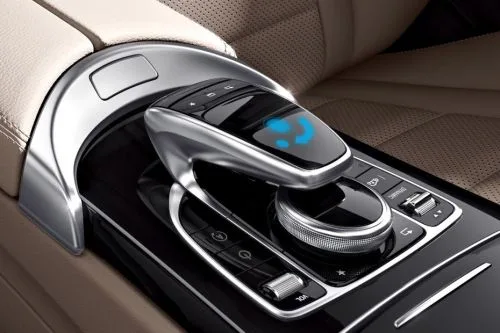
Image source: Bing (Web (fair-use with source credit))
Follow the Diagnostic Path: From Stuck Shifter to Working Car
Think of this as a flowchart. Start with your main symptom and follow the steps to a logical conclusion.
If your symptom is "Stuck Shifter":
- Use the emergency shift release. Your owner's manual shows the exact location, typically under a small plastic cover near the shifter.
- Check your brake lights. If they don't illuminate, replace the brake light switch.
- If brake lights work, the issue may be the shift interlock mechanism or wiring. A diagnostic scan is the next step.
If your symptom is "No Movement / Slipping":
- Check the transmission fluid. Follow the Mercedes procedure: car on level ground, engine running and warm, shifted through all gears.
- Note the fluid's condition. Dark brown or burnt-smelling fluid is degraded.
- If fluid is full and clean but the problem persists, tow the vehicle. A diagnostic scan is needed to check for internal component codes.
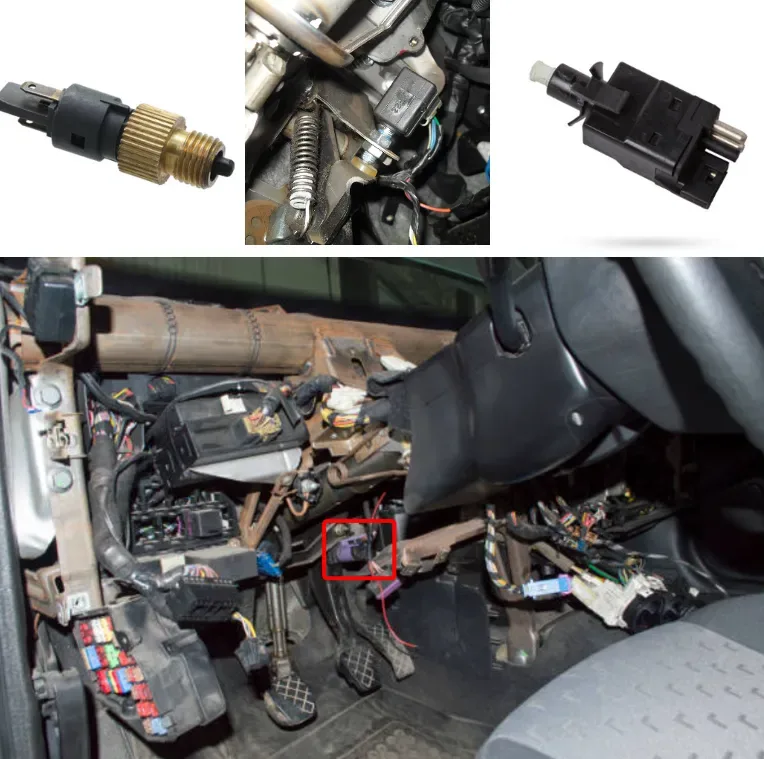
Image source: Bing (Web (fair-use with source credit))
If your symptom is "Warning Lights":
A "Drive Visit Workshop" message or transmission warning lamp means the Transmission Control Module (TCM) has stored a fault code. A generic OBD-II reader often isn't enough. You need a tool that accesses Mercedes-specific systems.
The fault code pinpoints the suspected circuit or component. A P0730 code (Incorrect Gear Ratio) strongly suggests an internal mechanical issue. A P0717 (Input Speed Sensor) may point to a simpler sensor replacement.
The Same Problem, Different Generation: W204 vs W205 vs W206
Your C-Class model year significantly influences what's likely to fail. The shifter and transmission design changed between generations.
W204 (2008-2015)
This generation uses a console-mounted mechanical shifter linked directly to the transmission. A frequent problem is worn or broken shift linkage bushings, causing a loose, sloppy feeling and difficulty selecting gears. Brake light switch failures are also well-documented on these models.
W205 (2015-2022)
Mercedes moved to an electronic "Direct Select" shifter on the steering column for most W205 models. Problems here are more often electronic. A faulty shifter module or issues with the steering column control unit can prevent gear changes.
The 9G-TRONIC transmission is generally reliable but can develop valve body issues at higher mileage.
W206 (2022-Present)
The newest generation continues with the column-mounted electronic shifter. As of 2026, widespread pattern failures are still emerging. Early reports suggest software glitches and module communication errors.
Manufacturer software updates are the primary fix for newer vehicles.
What Each Fix Actually Costs (And When You're About to Overpay)
Repair costs vary wildly. The difference between a $50 part and a $4,000 repair comes down to correct diagnosis.
| Fix | Part Cost | Labor | Total Estimate |
|---|---|---|---|
| Brake Light Switch | $20-$60 | 0.5-1 hr | $100-$250 |
| Shift Linkage Bushings | $15-$40 | 1-2 hrs | $150-$400 |
| Transmission Fluid Service | $150-$300 | 1-2 hrs | $300-$600 |
| Shift Interlock Solenoid | $80-$200 | 1-2 hrs | $200-$500 |
| Valve Body Replacement | $1,000-$2,500 | 4-6 hrs | $2,000-$4,000+ |
| Mechatronic Unit | $2,500-$4,500 | 6-10 hrs | $4,000-$7,000+ |
Costs are estimates and vary by region and shop.
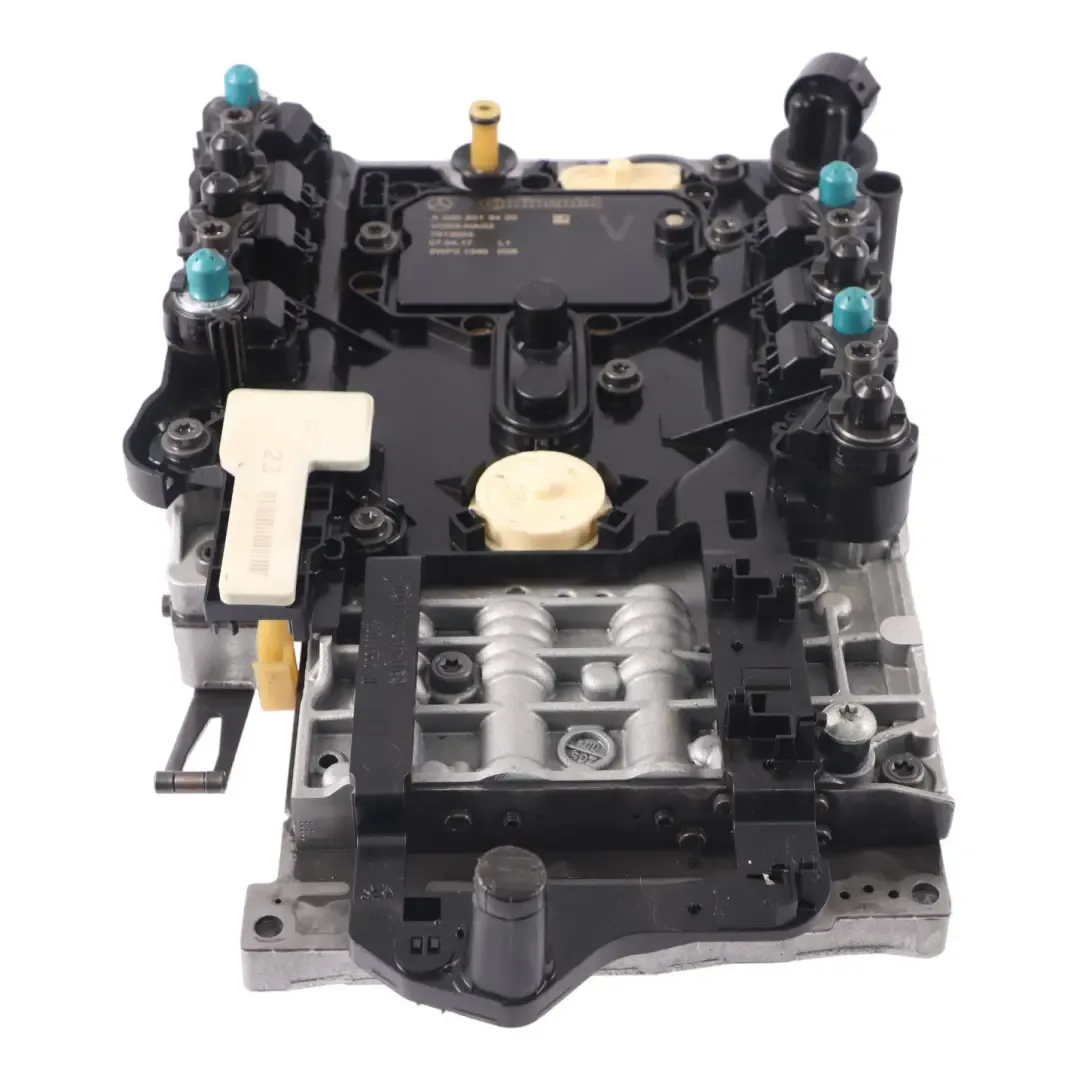
Image source: Bing (Web (fair-use with source credit))
The mechatronic unit is the combined hydraulic and electronic brain of the transmission. A dealership might recommend replacing the entire unit for any transmission fault. However, an independent specialist can often repair the specific failed component within it, saving you thousands.
Per the National Institute for Automotive Service Excellence guidelines, proper diagnostic testing before replacement is the industry standard.
Mistakes That Turn a $200 Fix Into a $4,000 Rebuild
Mistake 1: Ignoring Low or Bad Fluid
The most damaging mistake is driving with low or degraded transmission fluid. The "sealed for life" designation is often mistaken for "never needs service." Regular fluid service is key to longevity, per SAE J1723 standards for automatic transmission fluids.
Mistake 2: Using the Wrong Fluid
You must use the fluid specified for your transmission, such as Mercedes-Benz ATF 134 or ATF 236.14/15. Using generic fluid causes immediate shifting problems and long-term damage.
Mistake 3: Clearing Codes Without Diagnosis
The temptation to clear a warning code and hope for the best erases valuable diagnostic history. A specialist needs stored and pending codes to trace the fault. Always get codes read before clearing anything.
Mistake 4: Overlooking Simple Electrical Faults
Assuming every shifter problem is a major transmission failure is costly. Always check basics first: battery voltage, brake light function, and related fuses. A weak battery causes electronic glitches throughout modern Mercedes vehicles.
Your Decision Guide: DIY, Independent Specialist, or Dealership?
Where you take your car depends on the problem's complexity and your budget.
DIY makes sense for: Replacing a brake light switch, changing shift linkage bushings, or performing a fluid check. These tasks have clear procedures and low financial risk. An online repair manual specific to your model year is invaluable.
An independent specialist is best for: Internal transmission work, valve body repair, or complex electrical diagnosis. Find a shop that specializes in European cars. Their labor rates are significantly lower than dealership rates, and they often have deep expertise with common Mercedes failure points.
They can install quality OEM-equivalent parts.
The dealership is the right choice for: Warranty-covered repairs, very new models with proprietary software updates, or if you prefer OEM parts and official service records. They have the latest diagnostic equipment and direct manufacturer support. Be prepared for the highest labor costs.
If you're troubleshooting a similar issue on another vehicle, our guide on Hyundai Tucson transmission slipping covers universal diagnostic principles. Our breakdown of Hyundai Tucson gear shift problem symptoms also provides useful context for comparing how different manufacturers handle shifter systems. Owners dealing with Hyundai Tucson transmission problem issues will find overlapping diagnostic logic helpful here too.
Frequently Asked Questions
How do I know if it's the brake light switch?
Check your brake lights. Have someone stand behind the car while you press the pedal. If they don't illuminate, the switch has failed.
This switch signals the shift interlock solenoid to release the gear selector. It's a common, inexpensive fix.
Can I keep driving with the "Drive Visit Workshop" message?
It's not recommended. The message means the TCM has stored a fault code and likely activated limp mode. Limp mode limits speed and acceleration to protect the transmission.
Continuing to drive risks further internal damage.
How often should I change the transmission fluid?
Despite "lifetime fill" claims, Mercedes transmissions benefit from fluid service every 40,000 to 60,000 miles. This is especially important for cars in heavy traffic or hot climates. Fresh fluid maintains proper hydraulic pressure and cooling.
What does a P0730 fault code mean?
P0730 stands for "Incorrect Gear Ratio." The TCM detected that input and output speeds don't match the commanded gear. This often points to worn clutch packs, low fluid pressure, or a failing speed sensor. It requires professional diagnosis.
Why does the shifter feel loose on my W204?
The W204 uses a mechanical linkage connecting the shifter to the transmission. Over time, the plastic bushings on this linkage wear out or break, creating play. Replacing the bushing kit is a common and straightforward DIY repair.
What's the first thing I should check?
Check the transmission fluid level and condition using the proper warm-engine procedure. Low fluid is the most common and preventable cause of shift problems. If fluid is correct, the next step is a diagnostic scan for fault codes.