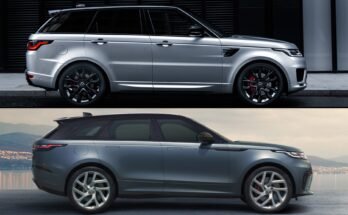
Range Rover engine options range from efficient four-cylinder hybrids to potent supercharged V8s.
As someone who's spent years testing and living with Land Rover products, I’ll walk you through every major Range Rover engine option you can still find or expect today. This guide breaks down petrol, diesel, mild-hybrid, plug-in hybrid, and high-performance V8 choices. I’ll explain what each engine feels like on the road, who it suits, real-world trade-offs, and how to pick the right powertrain for your needs. Read on for clear, practical advice on Range Rover engine options so you can choose with confidence.

49% off Today's Exclusive Deals
Limited-time Exclusive Deals. Check current discount on Amazon.
Check Price on Amazon As an Amazon Associate I earn from qualifying purchases.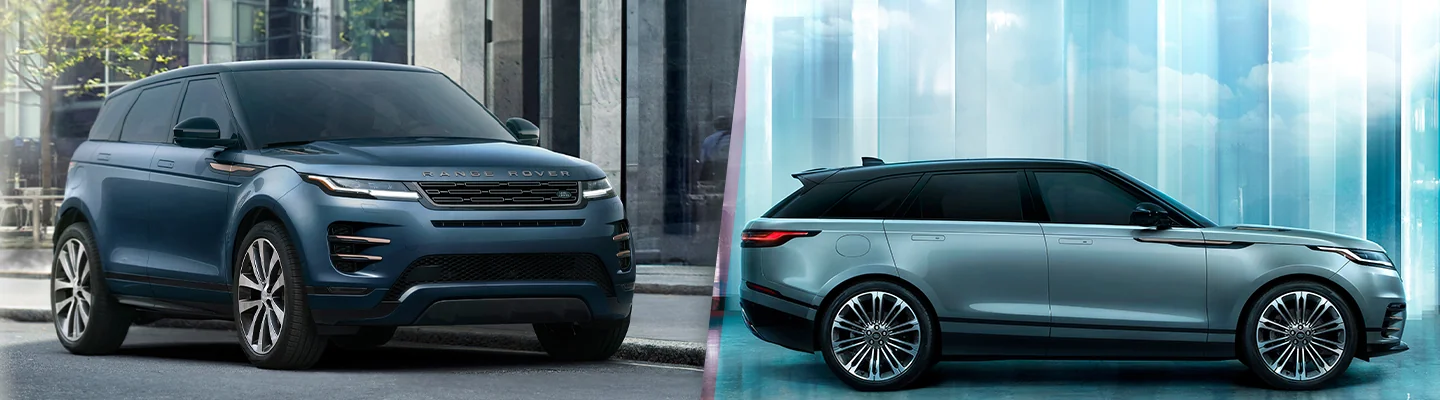
Overview: families of Range Rover engine options
Range Rover engine options fall into a few clear families. These are small turbocharged petrol fours, 3.0-liter straight-six engines with mild-hybrid tech, larger supercharged or twin‑turbo V8 gasoline units, diesel sixes in some markets, and plug-in hybrids. A fully electric Range Rover is also arriving as the brand shifts to electrification.
Why this matters: each family offers different balance of fuel use, towing, refinement, and cost. Availability depends on model, trim, model year, and country. I’ll outline strengths and limits so you can match an engine to how you actually drive.
49% off Today's Exclusive Deals
Limited-time Exclusive Deals. Check current discount on Amazon.
Check Price on Amazon As an Amazon Associate I earn from qualifying purchases.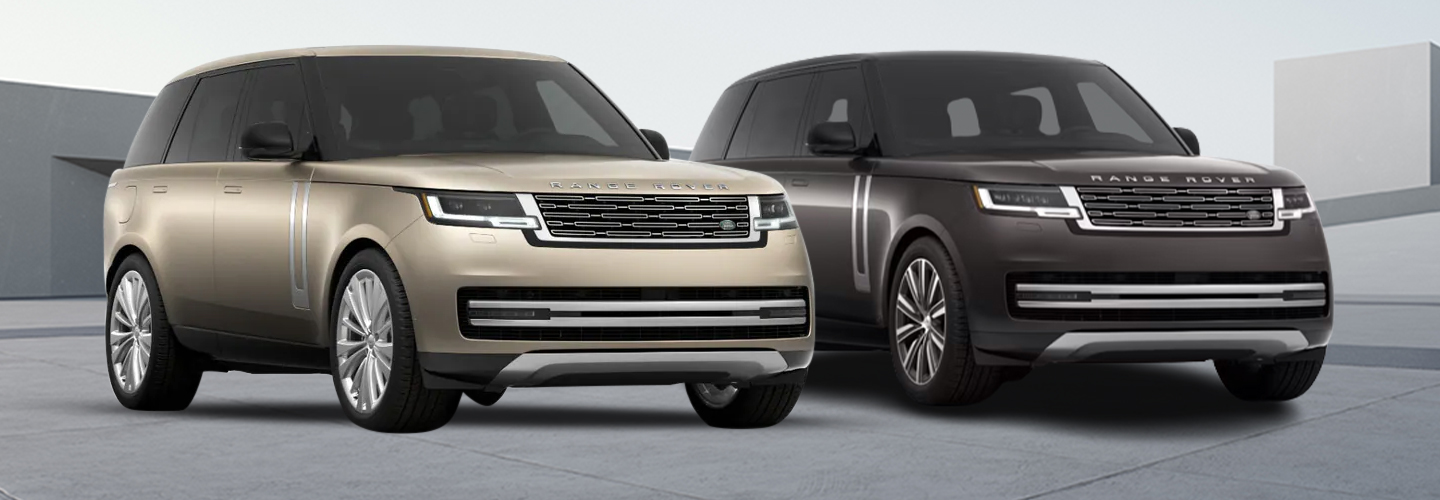
Petrol engines: small four-cylinders to supercharged V8s
Petrol engines are the backbone of the lineup. They range from efficient 2.0-liter four-cylinders to powerful 5.0-liter supercharged V8s. Here’s what to expect.
-
2.0-liter Ingenium 4-cylinder petrol
- Found in compact models and some base trims.
- Pros: light weight, good fuel economy in city use, lower purchase price.
- Cons: less torque for towing and heavy loads; less smooth than sixes.
- Best for: urban buyers who want Range Rover styling without V8 fuel costs.
-
3.0-liter inline-six (turbocharged with 48V mild-hybrid)
Deal49% off Today's Exclusive Deals
Limited-time Exclusive Deals. Check current discount on Amazon.
Check Price on Amazon As an Amazon Associate I earn from qualifying purchases.- Smooth, refined, and responsive. Uses a 48V mild-hybrid system to cut fuel use and improve off-the-line torque.
- Pros: strong midrange, good refinement, better economy than older V6s.
- Cons: more complex and costlier than the four-cylinder.
- Best for: buyers who want daily comfort, towing ability, and efficiency.
-
5.0-liter supercharged V8 and twin-turbo V8
- Found in performance and luxury trims like Autobiography and SVR.
- Pros: instant power, strong towing, dramatic sound, high prestige.
- Cons: higher fuel use, higher insurance and maintenance costs.
- Best for: drivers wanting maximum performance and presence.
Practical tip: If you tow regularly or carry heavy loads, prioritize the straight-six or V8 for better torque and less strain. If you mostly drive short commutes, the four-cylinder often meets needs while costing less.

Diesel engines: torque and long-distance economy
Diesel options have historically been popular in many regions. Today, diesel Range Rover engine options are still available in select markets and offer real strengths.
- 3.0-liter turbodiesel inline-six
- Pros: excellent low-end torque, superior towing range, strong real-world fuel economy on long drives.
- Cons: diesel availability and acceptance vary by region; emissions rules can restrict older diesels in cities.
- Best for: high-mileage drivers and those who tow often.
Limitations: Diesels are being phased out in some countries as brands push hybrids. Check local availability and emissions rules before choosing a diesel Range Rover.
Electrified options: mild-hybrid, plug-in hybrid, and full EV
Electrification is central to Range Rover engine options today. The three main types are mild-hybrid (MHEV), plug-in hybrid (PHEV), and full battery-electric (BEV).
-
Mild-hybrid (MHEV)
- Uses a 48V electrical system to assist the engine, reduce turbo lag, and improve start-stop behavior.
- Pros: better fuel economy without charging; small weight and complexity increases.
- Cons: no pure-electric driving; modest gains versus full hybrids.
-
Plug-in hybrid (PHEV)
- Combines a combustion engine with a battery and electric motor for short all-electric trips.
- Typical real-world electric range: about 20–35 miles depending on model and driving style.
- Pros: quiet electric starts, big city fuel savings, can handle long trips with the combustion engine.
- Cons: added weight, limited electric range, charging needed to unlock full benefits.
-
Full electric (BEV)
- A battery-only Range Rover is in the model roadmap and expected across the lineup in coming years.
- Pros: zero tailpipe emissions and instant torque.
- Cons: charging infrastructure and final specs vary by market and launch timing.
Personal experience: I’ve driven a Range Rover PHEV around town. The initial electric acceleration is impressively quiet. On mixed trips I saw real fuel savings when I charged regularly. For long road trips the combustion engine keeps things simple.
PAA-style questions
- Can a Range Rover run on electric only?
- PHEVs offer short electric-only driving for city trips. Mild-hybrid and pure petrol engines do not provide sustained electric-only operation.
- How far will a Range Rover PHEV go on battery?
- Typical PHEV ranges are in the 20–35 mile band in real-world use. Actual range depends on battery state, weather, and driving style.
- Are plug-in Range Rovers worth it?
- If you regularly charge and do short commutes, PHEVs can cut fuel costs and emissions. If you rarely charge, benefits shrink but resale and tax rules can still favor PHEVs in some regions.
Performance and special variants: SVR, Autobiography, and tuned V8s
Range Rover engine options include high-performance choices for buyers who want speed and drama.
-
SVR and performance trims
- Feature upgraded V8s tuned for extra horsepower and more aggressive exhaust notes.
- Pros: rapid acceleration, sport-tuned chassis options, unique visual cues.
- Cons: much higher fuel and ownership costs.
-
Luxury-focused engines
- High-end models may tune V8s or sixes for extra refinement and low-end torque.
- Pros: ultra-smooth delivery and quiet cabin life.
- Cons: premium price tags.
Practical considerations: Insurance and maintenance costs rise notably with SVR and top V8 trims. Think beyond performance to long-term ownership costs.
How to choose the right Range Rover engine option for you
Match your engine choice to real needs using these quick checks.
- Daily commute and city use
- Pick a four-cylinder petrol or a PHEV if you can charge. These save fuel and feel light in urban traffic.
- Long-distance and towing
- Prefer a diesel or the 3.0 I6 for strong torque and better economy at highway speeds.
- Performance and prestige
- Choose the V8 (supercharged or twin-turbo) for top performance and sound.
- Environmental or tax concerns
- PHEVs or upcoming BEVs reduce local emissions and can give tax incentives in many regions.
- Total cost of ownership
- Factor in fuel, servicing, insurance, and depreciation. High-performance engines cost more long term.
Real-world tip from my experience: if you want the Range Rover feel but live in the city, a PHEV balanced with a home charger gives the best of both worlds. If you regularly tow a boat, pick the straight-six or V8 and accept the higher fuel use.

Frequently Asked Questions
What engine choices does Range Rover offer across models?
Range Rover offers petrol four-cylinders, 3.0-liter I6 mild-hybrids, diesel sixes in select markets, plug-in hybrids, and high-output V8s. Availability depends on the specific model, trim, year, and region.
Are plug-in hybrid Range Rovers practical for daily driving?
Yes. PHEVs are practical if you can charge frequently. They provide quiet electric driving for short trips and retain combustion range for longer journeys.
How much towing capacity changes with different engines?
Towing capacity usually increases with engine torque. Diesel and larger petrol engines (I6 and V8) provide the best towing figures, while four-cylinder models offer lower towing capacity.
Is diesel still a good option for Range Rover buyers?
Diesel is good for high-mileage drivers and heavy towing due to superior torque and efficiency. Check local emissions rules because diesel availability varies by market and is being reduced in some regions.
When will a fully electric Range Rover be available?
Land Rover has announced battery-electric Range Rover models on newer platforms, with phased rollouts. Exact timing and specs depend on the model year and market region, so check dealer updates for current availability.
Conclusion
Range Rover engine options give you real choices: efficient fours and hybrids for everyday use, smooth straight-sixes for balance, diesels for long-haul torque, and V8s for outright performance. Each option has clear benefits and trade-offs tied to cost, fuel, and driving style. Use the guidance here to match an engine to how you drive, and prioritize real-world factors like towing needs and charging access. Ready to pick the right Range Rover engine for your life? Compare trims at your local dealer, take test drives, and share your priorities in the comments to get tailored advice.