Slipping gears, delayed engagement, strange noises, leaks, and warning lights often signal transmission trouble.
I have worked on luxury cars and studied Mercedes-Benz systems for years. This article explains what are the signs of transmission problems in a Mercedes-Benz S-Class? You will learn clear, practical signs to watch for, why they happen, how to check them, and when to act. Read on to protect your S-Class and avoid costly repairs.

49% off Today's Exclusive Deals
Limited-time Exclusive Deals. Check current discount on Amazon.
Check Price on Amazon As an Amazon Associate I earn from qualifying purchases.
Why transmissions fail in the S-Class
When owners ask "What are the signs of transmission problems in a Mercedes-Benz S-Class?" they want clear causes, not guessing. The S‑Class uses complex automatic transmissions with electronic controls. Age, heat, low fluid, electronic faults, and software issues can all break parts or confuse the control unit. Mercedes transmissions also rely on mechatronics (mechanical + electronic) parts that can fail and create subtle symptoms.
Common patterns are wear over time, missed service, and electrical issues. Modern S‑Class models add software and sensors that complicate diagnosis but also give warning codes. Knowing typical failure modes helps spot problems early.
49% off Today's Exclusive Deals
Limited-time Exclusive Deals. Check current discount on Amazon.
Check Price on Amazon As an Amazon Associate I earn from qualifying purchases.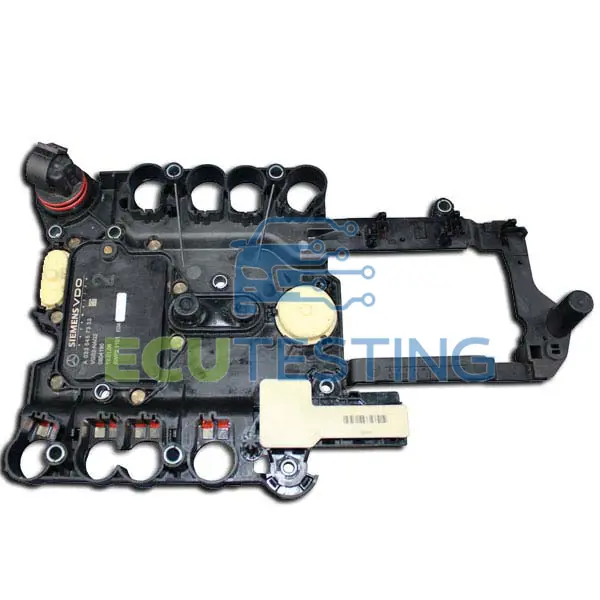
Top signs of transmission problems in a Mercedes-Benz S-Class
What are the signs of transmission problems in a Mercedes-Benz S-Class? Watch for these clear signals:
- Slipping gears: Engine revs rise but speed does not match. This feels like the car loses drive.
- Hard or delayed shifts: Shifts are harsh, jerky, or slow to engage. You may feel bumps between gears.
- Delayed engagement from park or neutral: The car hesitates when you go from park to drive or reverse.
- Strange noises: Grinding, whining, or clunking during acceleration or shifts.
- Transmission fluid leaks: Red or brown fluid under the car near the transmission pan or cooler lines.
- Burning smell: A hot, acrid odor can mean fluid overheating or internal damage.
- Transmission warning light or check engine light: The car’s computer may log faults or trigger a transmission light.
- Limp mode activation: The car limits speed and gear use to protect the transmission.
- Uneven acceleration or loss of power: The engine seems to work but the car moves slowly.
- Vibration or shaking: Worse at certain speeds or under load.
These signs often appear together. The faster you catch them, the better the chance to avoid a full rebuild.

49% off Today's Exclusive Deals
Limited-time Exclusive Deals. Check current discount on Amazon.
Check Price on Amazon As an Amazon Associate I earn from qualifying purchases.Detailed symptom explanations
What are the signs of transmission problems in a Mercedes-Benz S-Class? Here is what each symptom typically means.
- Slipping gears
- The transmission cannot hold a gear under load. This often means worn clutch packs, low fluid, or torque converter issues.
- Hard or jerky shifts
- Faulty solenoids, worn bands, or fluid that has lost its friction properties cause abrupt transitions.
- Delayed engagement
- This is common with low fluid, clogged filters, or failing pump pressure.
- Strange noises
- Whines can mean worn bearings. Clunks often point to gear or mount problems.
- Fluid leaks
- Leaks lower fluid level and cause overheating and wear. Check seals, cooler lines, and the pan.
- Burning smell
- Overheated fluid loses lubricity. Driving with burned fluid accelerates damage.
- Warning lights and codes
- The transmission control module can detect sensor faults. A scanner gives clues to the root cause.
- Limp mode
- The car protects itself when it senses serious faults. Driving in limp mode risks more damage.
- Vibration
- Imbalance or worn torque converter can make the car shake under load.
Short road tests and fluid checks can quickly prioritize fixes.

Causes specific to Mercedes-Benz S-Class
What are the signs of transmission problems in a Mercedes-Benz S-Class? The causes often tie to model-specific systems.
- Mechatronics failure
- The mechatronic unit controls hydraulic flow and electronic shifting. It can fail electrically or mechanically.
- Software/calibration issues
- Updates or faulty programming can change shift quality and trigger faults.
- High-mileage wear
- Clutch packs, bands, and bearings wear over time, especially with heavy use.
- Overheating and poor cooling
- Weak coolers, clogged radiators, or frequent heavy towing raise internal temps.
- Fluid neglect
- Old or burned fluid loses friction and can gum up solenoids and valves.
- Electronic sensor faults
- Speed sensors, temperature sensors, and pressure sensors may give bad data and confuse shift logic.
These causes make some symptoms unique to S‑Class cars and require targeted diagnostics.

How to diagnose transmission problems
What are the signs of transmission problems in a Mercedes-Benz S-Class? Use a methodical approach to find the cause.
- Read fault codes
- Use a professional scan tool that reads transmission module codes. Codes point to solenoids, sensors, or mechatronics faults.
- Check fluid level and condition
- Fluid should be clear red and smell fresh. Low or burnt fluid is a major clue.
- Road test safely
- Note shift behavior, speeds, and when symptoms occur. Test with light and medium loads.
- Inspect for leaks
- Look under the car and at cooler lines, seals, and the pan.
- Pressure and solenoid tests
- Shops can measure hydraulic pressure and test solenoid operation.
- Check for software updates
- Dealers can confirm if a transmission software update or recalibration is needed.
Document symptoms and times they occur. This helps technicians reproduce and fix the issue faster.

DIY checks and quick fixes you can try
What are the signs of transmission problems in a Mercedes-Benz S-Class? You can do some safe checks at home before heading to a shop.
- Visual fluid check
- Check fluid level on a warm engine if your model allows. Look for dark color or burned smell.
- Look for leaks
- Park on clean pavement. Inspect undercarriage and driveway for red/brown spots.
- Listen and feel
- Note times of slipping or noise. Record when it happens during driving for your mechanic.
- Restart and test
- If the car goes limp or throws a light, stop driving, restart, and try a brief test. Sometimes faults clear but usually they return.
- Soft reset
- Disconnecting the battery briefly can reset some electronic glitches, but it won’t fix mechanical problems.
Personal note: I once caught an S‑Class with harsh shifts due to fluid degradation. A fluid change and correct fluid level fixed the shifts for months, delaying a costly job. Still, some problems need a pro to fix the underlying cause.

When to take your S-Class to a shop
What are the signs of transmission problems in a Mercedes-Benz S-Class that demand immediate attention?
- Severe slipping or loss of drive
- If the car won’t accelerate or loses drive, stop driving to avoid total failure.
- Burning smell or heavy smoke
- This signals severe overheating. Park and tow to a shop.
- Persistent limp mode
- The car is protecting itself. A scan is needed to diagnose the fault.
- Leaking fluid plus abnormal shifting
- Low fluid accelerates damage. Get it checked before repair costs rise.
- Repeated fault lights
- Don’t ignore recurring codes. Early diagnostics save money.
If you depend on your S‑Class daily, seek a qualified Mercedes technician. Their tools and experience reduce misdiagnosis.

Costs and repair options
What are the signs of transmission problems in a Mercedes-Benz S-Class and what will fixing them cost? Costs vary by cause.
- Fluid service or filter replacement
- Lower-cost solution. Good for degraded fluid and minor symptoms.
- Solenoid or sensor replacement
- Mid-range cost. Often fixes shifting irregularities.
- Mechatronics repair or replacement
- Higher cost. This part is expensive and labor‑intensive.
- Rebuild vs replace
- Rebuild repairs internal parts; replacement installs a reman or new unit. Programs and warranties affect choice.
- Software reprogramming
- Low cost, high value if the issue is electronic or calibration related.
Get multiple estimates and ask about warranty on parts and labor. Repair shops and dealerships have different pricing and specialties.

Maintenance tips to prevent transmission issues
What are the signs of transmission problems in a Mercedes-Benz S-Class? Preventing them starts with routine care.
- Follow Mercedes service intervals
- Change transmission fluid and filter per your owner manual or dealer schedule.
- Use correct fluid
- Always use factory-specified transmission fluid.
- Address leaks quickly
- Small leaks lead to big problems fast.
- Keep cooling system healthy
- Transmission cooling depends on engine cooling. Maintain radiators and fans.
- Install software updates
- Dealers can apply updates that improve shifting and reliability.
- Avoid excessive towing or hard launches
- These stress the transmission and shorten life.
A small investment in maintenance often avoids large repair bills.
Frequently Asked Questions of What are the signs of transmission problems in a Mercedes-Benz S-Class?
What should I do if my S‑Class slips gears?
Stop driving when slipping is severe. Check fluid level and have a professional read transmission codes to find the root cause.
Can bad transmission fluid cause these symptoms?
Yes. Old or burnt fluid can cause slipping, harsh shifts, and overheating. A fluid and filter service can help if the damage is not advanced.
Will a transmission warning light tell me the exact problem?
Not always. The light means the control unit detected a fault. A scan tool is needed to read specific fault codes and guide repairs.
Is limp mode safe to drive in?
Limp mode limits speed and gears to protect the transmission. It lets you reach a shop but should not be used for long trips without diagnosis.
How urgent is a transmission leak?
Very urgent. Low fluid causes rapid internal damage. Tow the car or top off fluid and get the leak fixed promptly.
Can software updates fix shifting issues?
Sometimes. Modern S‑Class transmissions rely on software. A reprogram or update can improve shifts if the cause is calibration or control logic.
Conclusion
Detecting transmission problems early keeps your Mercedes‑Benz S‑Class reliable and saves money. Watch for slipping, harsh shifts, leaks, odd noises, warning lights, and limp mode. Perform simple checks, document symptoms, and get professional diagnostics when needed. Prioritize routine fluid service and software updates to extend transmission life. Take action now: inspect your car, schedule a service if you notice any signs, and leave a comment or subscribe for more maintenance tips.