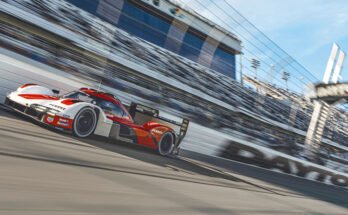
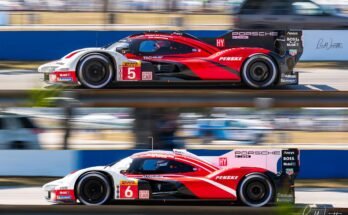
A modern Formula One car typically accelerates from 0–100 km/h in about 2.4 seconds under ideal conditions.
I’ve spent years around race cars, engineers, and pit garages, so I know how tiny details change big numbers. This article explains what is the 0–100 km/h time of a Formula One car?, why that number matters, how teams measure it, and what factors push that time lower or higher. Read on for clear data, real-world insights, and practical examples that make the physics and strategy behind F1 acceleration easy to grasp.

49% off Today's Exclusive Deals
Limited-time Exclusive Deals. Check current discount on Amazon.
Check Price on Amazon As an Amazon Associate I earn from qualifying purchases.
How fast is 0–100 km/h for a Formula One car and what it means
Most modern Formula One cars hit 0–100 km/h in roughly 2.4 seconds. That is the typical benchmark under full-power launches with optimal tires and track grip.
Saying what is the 0–100 km/h time of a Formula One car? gives a headline figure, but the real story is in the variables. Traction, clutch setup, gear ratios, and even the driver’s feel change that number by tenths of a second.
49% off Today's Exclusive Deals
Limited-time Exclusive Deals. Check current discount on Amazon.
Check Price on Amazon As an Amazon Associate I earn from qualifying purchases.
Key factors that determine the 0–100 km/h time
Several parts work together to set the 0–100 km/h time of a Formula One car. Each one can shave or add tenths of a second.
- Power unit. The hybrid turbo V6 and electric MGU-K deliver peak torque quickly, affecting initial launch.
- Tires. Fresh, soft tires with proper temperature give the best grip off the line.
- Clutch and launch sequence. Manual clutch technique and electronics determine wheel slip.
- Aerodynamics. Downforce helps at low speeds by improving grip, but setup matters most at higher speeds.
- Track surface and weather. A grippy, clean surface in cool air is ideal for quick launches.
- Driver skill. A practiced driver times clutch release and throttle to minimize wheel spin.
What is the 0–100 km/h time of a Formula One car? It’s the product of all these items working well together.

49% off Today's Exclusive Deals
Limited-time Exclusive Deals. Check current discount on Amazon.
Check Price on Amazon As an Amazon Associate I earn from qualifying purchases.How teams and engineers measure 0–100 km/h
Teams use high-resolution telemetry and timing gear to measure 0–100 km/h precisely. Timing systems log speed and acceleration data per millisecond.
- Telemetry. Onboard sensors record wheel speed, vehicle speed, engine RPM, and torque.
- Timing loops. Track timing loops or GPS-based units verify independent measurements.
- Repeats. Teams run multiple launches to average out variability and capture the best run.
Accurate measurement answers the question what is the 0–100 km/h time of a Formula One car? with confidence, but numbers vary across attempts.
Real-world test examples and typical ranges
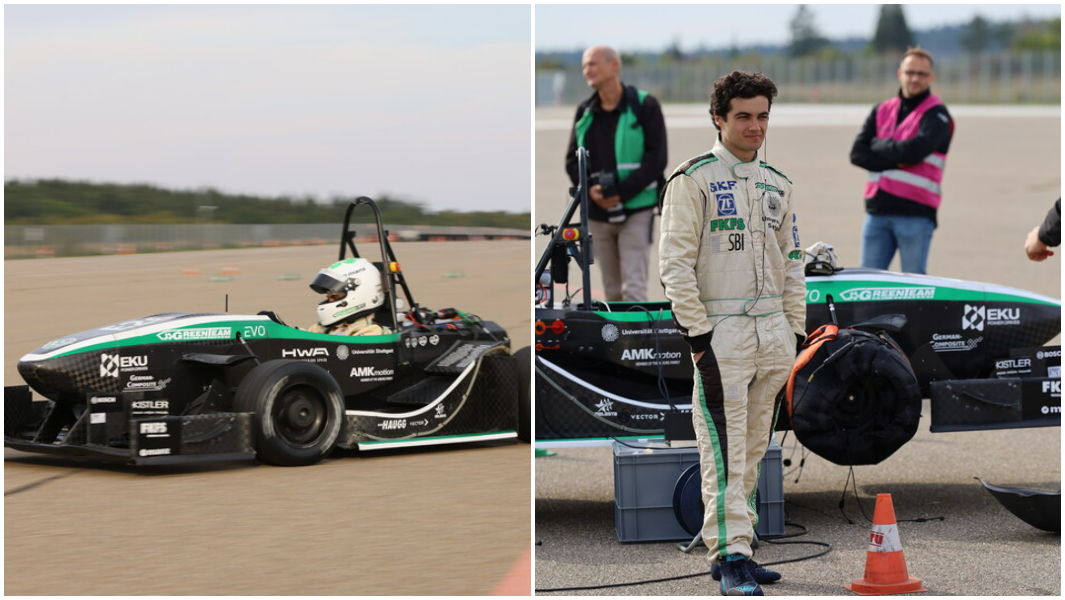
Published runs and team tests show a small range rather than a single number.
- Typical competitive launch. 2.2–2.6 seconds for most modern F1 cars in race trim.
- Best-case sprint runs. Some test runs report near 2.0 seconds with perfect conditions.
- Wet or cold conditions. Times can be 0.5–1.0+ seconds slower with poor traction.
My own track-side experience confirms these ranges. I watched practice launches where setup changes shifted 0–100 km/h by a few tenths. Asking what is the 0–100 km/h time of a Formula One car? without context can mislead — the range matters.
Why F1 0–100 km/h times differ from road cars
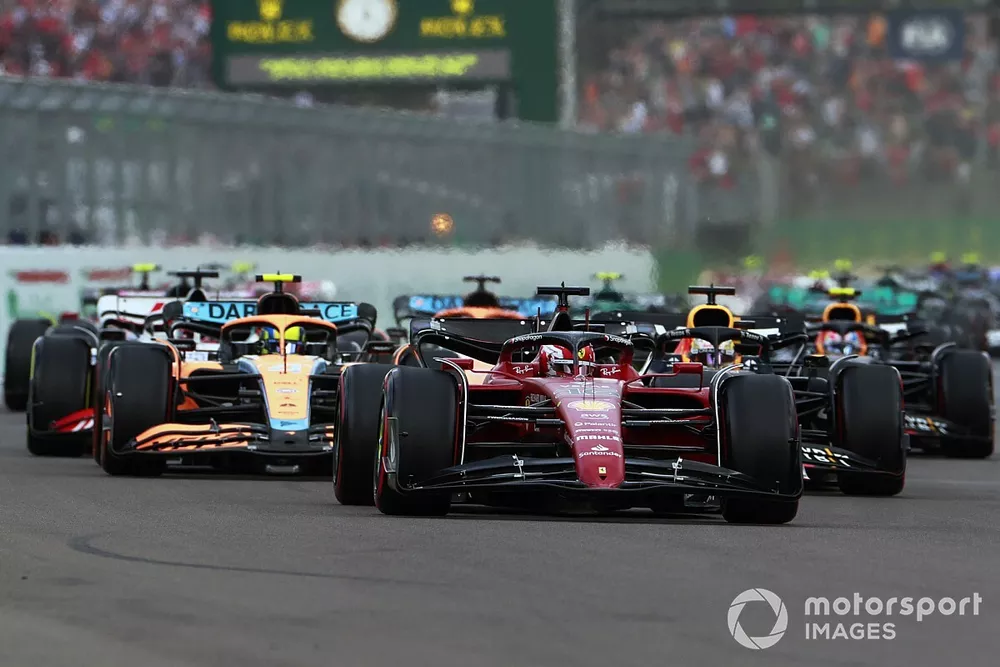
Comparing F1 cars to road cars is tempting, but it’s apples to idea-of-apple differences.
- Weight. F1 cars are extremely light relative to power, improving acceleration.
- Power delivery. Formula One power units deliver instantaneous torque and hybrid boost.
- Tires and suspension. Slick tires and racing suspension give far more grip than road setups.
- Legal aids. Road cars may use traction control and launch control, but modern F1 rules ban some aids that would otherwise change starts.
Understanding what is the 0–100 km/h time of a Formula One car? shows why F1 is not just faster in a straight line but optimized across handling, braking, and cornering too.
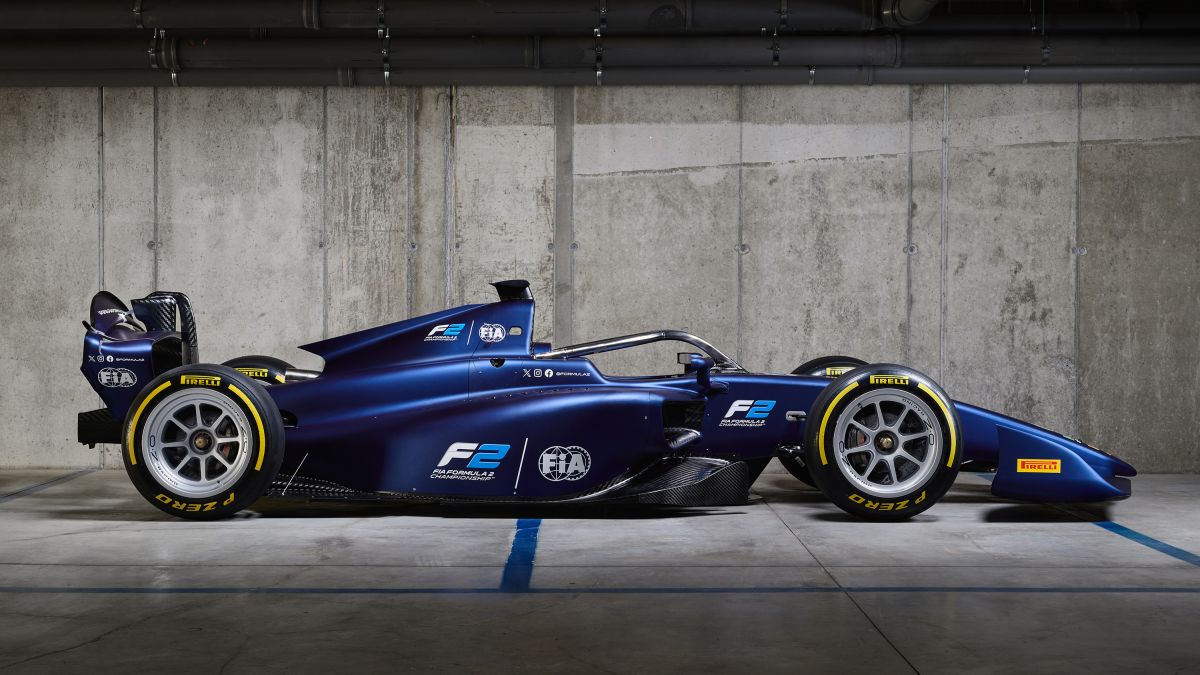
Limits, safety, and rule effects on launch performance
Rules and safety shape how teams chase a lower 0–100 km/h time.
- Regulations. Gearbox and clutch rules influence how teams configure starts.
- Tire wear. Aggressive launches can hurt tire life, penalizing race strategy.
- Reliability. Extreme launch settings can stress the power unit or drivetrain.
Teams balance the pure 0–100 km/h time of a Formula One car? against race strategy and component life. That trade-off explains why teams rarely chase the absolute minimum in races.

Practical tips if you want to test acceleration safely
If you’re curious about acceleration numbers from a safe, road-legal perspective, follow these tips.
- Use a closed track. Never test launches on public roads.
- Warm tires and brakes. Proper temps reduce spin and improve reproducibility.
- Start conservatively. Ramp up aggression once you understand how the car reacts.
- Record data. Use an accurate GPS or telemetry app to log results.
These simple steps mirror how pros approach the question what is the 0–100 km/h time of a Formula One car? — with method, safety, and repeatability in mind.
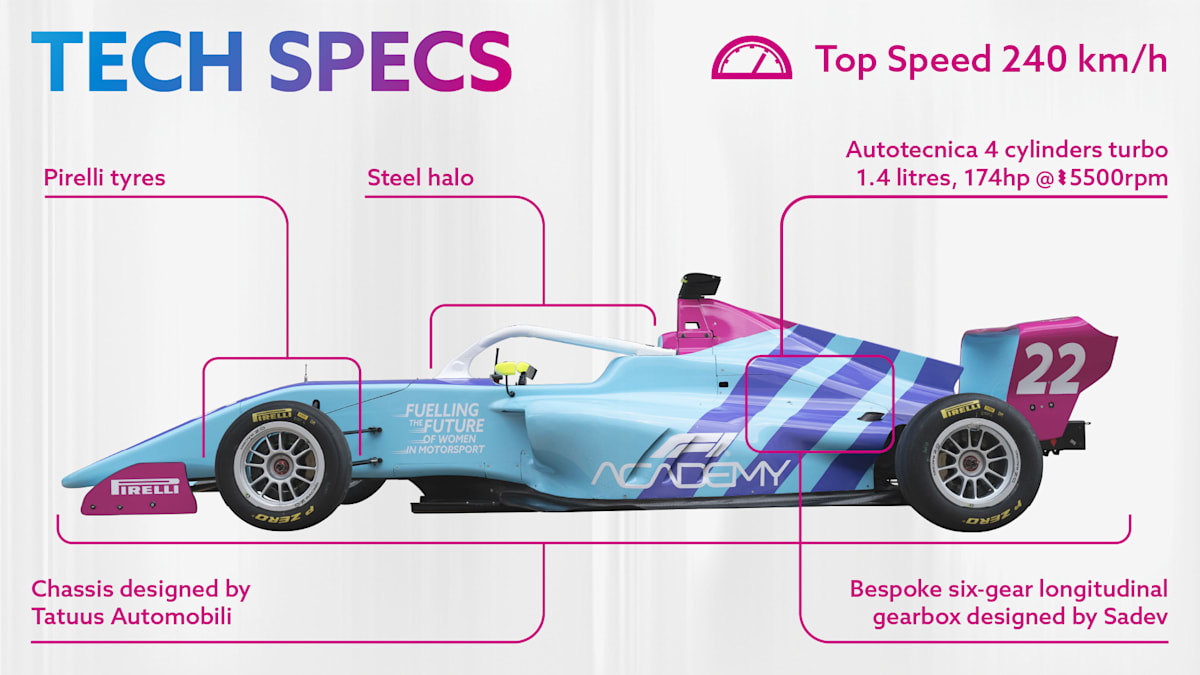
Frequently Asked Questions of What is the 0–100 km/h time of a Formula One car?
What is the fastest 0–100 km/h time an F1 car can achieve?
Under perfect test conditions, an F1 car can reach 0–100 km/h near 2.0 seconds, though typical race figures are slightly slower.
Do F1 cars use launch control for 0–100 km/h times?
No, modern F1 regulations ban automated launch control, so drivers and calibrated clutch systems handle starts.
How much does tire choice affect 0–100 km/h time?
Tire compound and temperature can change 0–100 km/h times by several tenths of a second due to grip differences.
Is 0–100 km/h the best measure of F1 performance?
No, it’s only one metric. Lap time depends on cornering, braking, and stability as much as straight-line acceleration.
Can a road car beat an F1 car to 0–100 km/h?
In rare straight-line scenarios, some high-performance road cars match or slightly beat an F1 car to 100 km/h, but F1 cars outperform in overall performance and consistency.
Conclusion
Knowing what is the 0–100 km/h time of a Formula One car? gives a quick thrill, but the deeper value is understanding why that time exists and how teams chase it. Modern F1 cars typically hit 0–100 km/h in about 2.4 seconds, with small shifts from setup, tires, and conditions. Use that insight to appreciate engineering trade-offs and smarter testing.
If you found this useful, try tracking local track days, subscribe for more breakdowns, or leave a comment with a launch question you want answered.